
Best Heart Rate Monitor for Zone 2: 2026 Buyer’s Guide
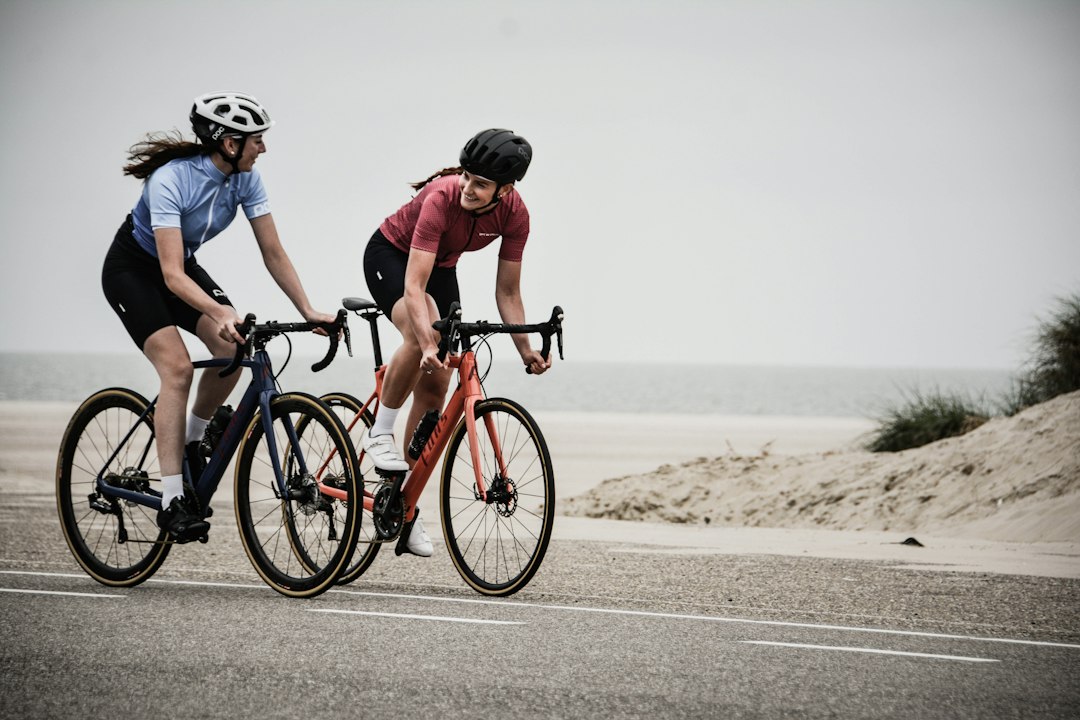
Photo by Coen van de Broek on Unsplash
By Michael Fleming, Editor · Evidence-reviewed · Last updated November 2026
The best heart rate monitor for zone 2 is a chest strap, and for most readers in 2026 that means the Polar H10 or the Garmin HRM 600. Zone 2 is a narrow band of effort, so a few beats of error can push you out of it without you noticing. This guide is for adults who already train or plan to start, and who want their easy cardio to land where it should. Dr. Peter Attia, who writes about zone 2 training at length on his blog, treats it as a core part of a longevity exercise plan. But the training only works if you can actually find the zone.
Key Takeaways
- A chest strap reads the heart’s electrical signal directly, which makes it a better fit for zone 2 training than an optical wrist sensor.
- A 2026 systematic review in JMIR mHealth and uHealth found that methods for turning heart rate data into activity metrics are diverse and nonstandardized, so your device and your zone formula both matter.
- Choose the Garmin HRM 600 if you already train with a Garmin watch, and the Polar H10 if you use mixed apps or want beat-to-beat data for HRV tools.
- You don’t strictly need a monitor for zone 2: the talk test is a free intensity check that researchers validated in a 2026 study of adults with cardiovascular disease.
Here’s the one thing that matters most when you choose: how the sensor reads your heart. Everything else (battery, app, comfort) is secondary. Get the sensor type right, then pick the strap that fits the devices you already own.
Affiliate Disclosure: The Longevity Dose may earn a small commission if you purchase through the links below, at no additional cost to you. Our picks come from published specs and research, not hands-on testing. Learn more.
What We Recommend
- Garmin HRM 600. Best for Garmin watch owners: it’s Garmin’s newest chest strap and works natively with Garmin’s training features.
- Polar H10. Best for mixed devices and HRV apps: it broadcasts over Bluetooth and ANT+, so it pairs with most watches, bikes, and phone apps.
How to Choose the Best Heart Rate Monitor for Zone 2
Picking a heart rate monitor for zone 2 comes down to a short list of criteria. None of them are about features you’ll rarely use. Instead, each one affects whether your number on screen reflects what your heart is actually doing.
1. Sensor type: chest strap over wrist
Chest straps use electrodes that detect the electrical signal of each heartbeat. Wrist trackers, by contrast, use light (optical sensing) to estimate blood flow under the skin. Optical readings can drift with arm movement, strap fit, cold skin, and skin tone. For zone 2, where you’re trying to hold a tight range for 45 minutes or more, that drift matters.
2. Beat-to-beat (RR interval) data
Some newer intensity tools need more than average heart rate. A 2026 clinical trial in the European Journal of Sport Science studied DFA-a1, a heart rate variability measure, as a marker of exercise intensity during steady cycling. The trial was small: sixteen untrained adults, three of them women. So treat DFA-a1 as promising, not proven. Still, if you want to try HRV-based intensity apps, you need a strap that sends clean beat-to-beat data.
3. Compatibility with what you already own
A strap is only useful if it talks to your watch, bike computer, or phone. Bluetooth covers most phones and apps. ANT+ matters for many bike computers and gym equipment. Check both before you buy.
4. Battery and maintenance
Rechargeable straps save you from hunting for coin cells. Replaceable batteries, on the other hand, mean you’re never stuck waiting for a charge. Neither is better. It’s a preference, so decide which annoyance you’d rather live with.
5. What to avoid
- Don’t rely on a generic age-based formula alone. A 2026 systematic review in JMIR mHealth and uHealth found that methods for translating heart rate into activity intensity are diverse and nonstandardized.
- Avoid cheap no-name straps with no clear compatibility information.
- Skip any device marketed as diagnosing or treating a heart condition. Fitness straps support training. They aren’t medical devices for that purpose.
That review point deserves emphasis. Even a perfect sensor can’t fix a poorly set zone. Our guide to calculating your zone 2 heart rate by age walks through the formulas and their limits.
Garmin HRM 600: Best for Garmin Watch Owners
The Garmin HRM 600 is Garmin’s newest chest-strap heart rate monitor. It’s a rechargeable strap built to work inside Garmin’s own ecosystem of watches and training metrics. It also broadcasts over Bluetooth and ANT+, so it isn’t locked to Garmin devices.
Garmin owners get the most from it. If your watch already handles your training load, recovery estimates, and workout history, a Garmin strap slots in with no setup friction. The HRM 600 can also store heart rate data during sessions when your watch can’t read it live, such as swimming, then sync it afterward.
Who should skip it
- People who don’t use a Garmin watch, since much of the strap’s extra value lives in Garmin’s software.
- Anyone who’d rather swap a coin cell than remember to charge another device.
- Walkers and casual zone 2 trainers who just need a steady heart rate number. A simpler strap does that job fine.
Polar H10: Best for Mixed Devices and HRV Apps
The Polar H10 is a long-standing chest-strap heart rate sensor. It connects over both Bluetooth and ANT+, which means it pairs with most watches, phone apps, bike computers, and gym machines. It runs on a replaceable coin-cell battery.
This strap fits the reader who doesn’t want to commit to one brand. Maybe you log rides in one app, walks in another, and occasionally train on a smart bike. The H10 handles all of that. It also transmits beat-to-beat heart data, which is what third-party HRV and DFA-a1 apps need.
If you’re curious about resting HRV as well, our guide to HRV by age and how to improve yours explains what those numbers can and can’t tell you.
Who should skip it
- Committed Garmin users who want every metric to flow into one dashboard without workarounds.
- Anyone who strongly prefers a rechargeable battery.
Comparison at a Glance
| Factor | Garmin HRM 600 | Polar H10 |
|---|---|---|
| Sensor type | Chest strap (electrical) | Chest strap (electrical) |
| Connectivity | Bluetooth and ANT+ | Bluetooth and ANT+ |
| Battery | Rechargeable | Replaceable coin cell |
| Best ecosystem fit | Garmin watches | Mixed brands and apps |
| Stores data when watch can’t read it | Yes | Via Polar’s app |
Do You Need One at All?
Honestly, many people don’t. A heart rate monitor is a precision tool. Zone 2 benefits, however, come from doing the work consistently, not from hitting an exact beat count.
The talk test is the free alternative. In zone 2, you should be able to speak in full sentences, though you wouldn’t want to give a speech. A 2026 study in the Journal of Cardiopulmonary Rehabilitation and Prevention developed and validated a treadmill talk test protocol for gauging exercise intensity in adults with cardiovascular disease. That’s a specific population, so it doesn’t prove the talk test works identically for everyone. But it does show researchers take it seriously as a real intensity measure.
Perceived effort counts too. A full-season 2026 analysis in Scientific Reports tracked elite women’s handball players using both heart-rate-based load (TRIMP) and session ratings of perceived exertion. It was descriptive, not a trial. Still, even elite programs pair heart rate with how hard training feels.
You can probably skip a strap if:
- You do brisk walks or easy rides and the talk test feels clear to you.
- You’re just starting out, and the bigger goal is building the habit.
- Your wrist tracker roughly agrees with how you feel during steady, low-movement cardio like cycling.
A strap is worth it if:
- You train zone 2 several times a week and want to see whether your pace at the same heart rate improves.
- Your wrist readings jump around during running, rowing, or rucking.
- Your doctor has given you a specific heart rate ceiling to respect.
Either way, the training itself is the point. Our deep dive on zone 2 training for longevity covers what the science supports and where it’s still thin.
The Verdict
A chest strap beats a wrist sensor for zone 2 because it measures the heart’s electrical signal directly. After that, the right pick depends on what’s already on your wrist.
- You own a Garmin watch: get the Garmin HRM 600. It works natively with your existing metrics and charges instead of using coin cells.
- You use mixed brands or phone apps: get the Polar H10. Its Bluetooth and ANT+ support covers most setups.
- You want to experiment with HRV-based intensity tools: the Polar H10 is the more flexible starting point for third-party apps.
- You’re new and walking for health: start with the talk test. Buy a strap later if you want more precision.
The best device is the one you’ll actually wear every session. Comfort and convenience drive consistency, and consistency drives results.
Frequently Asked Questions
Is a chest strap really more accurate than a smartwatch for zone 2?
A chest strap detects the electrical signal of each heartbeat, while a smartwatch estimates heart rate optically through the skin. Optical readings can drift with movement, fit, and cold skin. For holding a narrow zone 2 range during running or rucking, a chest strap is the more reliable choice.
Can I use the Polar H10 with a Garmin watch?
Yes. The Polar H10 broadcasts over both Bluetooth and ANT+, so it pairs with most Garmin watches as an external heart rate sensor. You may miss some Garmin-specific strap features, but basic heart rate tracking works.
Do I need a heart rate monitor to do zone 2 training?
No. The talk test, where you can speak in full sentences but not comfortably sing, is a free way to gauge zone 2 effort. A 2026 study validated a treadmill talk test protocol in adults with cardiovascular disease. A monitor adds precision and lets you track progress over time.
What is DFA-a1 and do I need it?
DFA-a1 is a heart rate variability measure being studied as a marker of exercise intensity. A small 2026 trial of sixteen untrained adults explored it during steady cycling, so the evidence is early. You don’t need it for zone 2, but it requires a strap that sends beat-to-beat data if you want to experiment.
Liked This? Keep Reading.
Get the next post in your inbox. Real science on longevity, supplements, and fitness — no hype.
Drop your email below. Weekly. No spam. Unsubscribe anytime. ↓