Fasting Glucose by Age: 2026 Optimal Ranges Chart
By The Longevity Dose Editorial Team · Evidence-reviewed · Last updated August 2026
Your fasting glucose optimal range is not the same number your doctor uses to diagnose diabetes, and that distinction matters enormously for longevity. Standard clinical cutoffs flag prediabetes at 100 mg/dL (5.6 mmol/L) and diabetes at 126 mg/dL (7.0 mmol/L), according to the American Diabetes Association. But longevity researchers and cardiologists like Dr. Peter Attia argue those thresholds are far too permissive. If you want to optimize for a long healthspan — not just avoid a diagnosis — the target is considerably tighter, and it shifts slightly as you age. This guide covers what the 2026 evidence says about where your fasting glucose should actually sit, how to read your lab result correctly, and what to do if your number is creeping up.
Key Takeaways
- The ADA’s “normal” fasting glucose cutoff of under 100 mg/dL is a diagnostic threshold, not a longevity target — the ADA threshold is a diagnostic floor, not a longevity ceiling — what your own number should be depends on your age, trend, and metabolic context, which is a conversation to have with a clinician who can see your full labs.
- A 2026 meta-analysis in Diabetes Metabolism Research and Reviews (PMID 41889232) confirmed that fasting plasma glucose retains strong diagnostic accuracy for detecting glucose dysregulation well before clinical diabetes develops.
- Fasting glucose rises naturally with age — a well-documented pattern driven by declining insulin sensitivity and muscle mass — so context and trend matter as much as the absolute number.
- Lifestyle interventions (exercise, sleep, diet) can meaningfully lower fasting glucose; a 2026 systematic review confirmed lifestyle modification reduces progression from prediabetes to diabetes in randomized controlled trials.
Why Fasting Glucose Matters for Longevity — Not Just Diabetes Prevention
Fasting glucose is one of the most accessible longevity biomarkers you can track. It costs less than $20 on a standard blood panel, requires no specialist referral, and tells you something profound about how your cells are handling energy. Chronically elevated glucose, even within the so-called “normal” range, drives glycation — a process where sugar molecules attach to proteins and damage them. That damage accumulates in blood vessel walls, nerves, and organs over decades.
A 2026 narrative review published in Medicina (PMID 42654410) made the case explicitly: subclinical glucose dysregulation contributes to accelerated vascular aging and is largely undetectable by conventional screening. The researchers noted that even postprandial glucose excursions within the normal glycemic range promote endothelial injury and inflammatory pathways. That’s a strong statement. It means you don’t have to be diabetic — or even prediabetic — to be accumulating glucose-related vascular damage.
This is why tracking fasting glucose is part of our broader complete guide to longevity biomarkers in 2026. It doesn’t stand alone — it sits alongside ApoB, blood pressure, VO2 max, and grip strength as a core signal of how well your body is aging.
Fasting Glucose Optimal Range by Age: The 2026 Chart
The table below distinguishes between three reference points: the ADA clinical “normal” threshold, the longevity-optimized target range used by prevention-focused physicians, and the prediabetes zone where action is clearly warranted. Importantly, fasting glucose does tend to drift upward with age — partly due to declining insulin sensitivity and changes in lean mass — so the targets below account for that biological reality without excusing unnecessary elevation.
| Age Range | ADA “Normal” Cutoff | Longevity Optimal Target | Prediabetes Zone (Act Now) |
|---|---|---|---|
| 20-39 | Under 100 mg/dL (5.6 mmol/L) | 72-85 mg/dL (4.0-4.7 mmol/L) | 100-125 mg/dL |
| 40-49 | Under 100 mg/dL (5.6 mmol/L) | 75-90 mg/dL (4.2-5.0 mmol/L) | 100-125 mg/dL |
| 50-59 | Under 100 mg/dL (5.6 mmol/L) | 78-92 mg/dL (4.3-5.1 mmol/L) | 100-125 mg/dL |
| 60-69 | Under 100 mg/dL (5.6 mmol/L) | 80-95 mg/dL (4.4-5.3 mmol/L) | 100-125 mg/dL |
| 70+ | Under 100 mg/dL (5.6 mmol/L) | 82-100 mg/dL (4.6-5.6 mmol/L) | 100-125 mg/dL |
Important note on the longevity targets above: These tighter ranges reflect the clinical philosophy of prevention-focused physicians, including Dr. Peter Attia’s publicly discussed framework. They are not official ADA guidelines. The evidence base for tighter targets is strong and growing, but these specific age-tiered ranges represent expert clinical opinion informed by epidemiology, not a single randomized trial. Use them as a directional goal, not a diagnostic verdict.
How Fasting Glucose Changes as You Age
Fasting glucose naturally creeps upward after roughly age 40. This isn’t inevitable in the sense that it’s irreversible — but it is common, and it’s driven by real biology. Muscle mass declines with age (a process called sarcopenia, which you can read more about in our sarcopenia warning signs guide). Because skeletal muscle is the primary site of glucose disposal after a meal, losing muscle means losing glucose-clearing capacity.
Additionally, insulin sensitivity declines with age, meaning your pancreas has to secrete more insulin to achieve the same blood glucose lowering effect. Over time, that system becomes less efficient. The result: fasting glucose in healthy older adults tends to run meaningfully higher than in healthy younger adults, even in the absence of any metabolic disease — a reflection of the biology described above rather than a fixed, citable number.
That’s why the longevity-optimal targets in the chart above are slightly more permissive for older adults. But “slightly more permissive” doesn’t mean you should accept a result of 98 mg/dL at age 65 without investigating why. A number that high, trending upward year-over-year, is a signal worth taking seriously.
The Trend Matters as Much as the Number
A single fasting glucose reading tells you less than a series of readings over time. If your fasting glucose was 82 mg/dL at 45 and it’s 91 mg/dL at 50, that’s worth noting. But if it was 91 mg/dL at both 45 and 50, your trajectory is flat — which is actually reassuring. Always ask your doctor to compare your current result to your previous labs.
What the 2026 Research Actually Says
The evidence on fasting glucose and disease risk continues to sharpen in 2026. A systematic review and meta-analysis published in Diabetes Metabolism Research and Reviews this year (PMID 41889232) evaluated the diagnostic accuracy of fasting plasma glucose versus HbA1c and 1-hour plasma glucose for detecting early glucose dysregulation. The finding: fasting plasma glucose retains strong diagnostic performance as a screening tool, catching problems meaningfully before the full clinical threshold of diabetes is reached.
On the intervention side, a 2026 systematic review in Naunyn-Schmiedeberg’s Archives of Pharmacology (PMID 42108364) analyzed randomized controlled trials on both pharmacological and lifestyle interventions for prediabetes. Lifestyle modification — primarily exercise and dietary change — significantly reduced progression to type 2 diabetes. That’s strong, human trial evidence. Not animal data. Not observational. Actual RCTs showing lifestyle works.
Sleep is an underappreciated driver, too. A 16-day controlled laboratory study published in Sleep in 2026 (PMID 41165770) found that recurrent sleep restriction impaired glucose homeostasis in healthy young adults. The effect was measurable even during recovery sleep, meaning you can’t fully “repay” a week of poor sleep over the weekend. If your fasting glucose is running high and your sleep is poor, that connection is not coincidental.
And for those wondering whether to invest in a continuous glucose monitor: a 2026 review in Medicina (PMID 42654410) specifically positioned CGM as a candidate precision tool for cardiovascular prevention in non-diabetic individuals, arguing that conventional fasting glucose testing misses subclinical glucose excursions that drive vascular aging. We’ve covered that debate in depth in our guide on whether a CGM is worth it if you’re not diabetic.
How to Lower Your Fasting Glucose Without Medication
For most people in the prediabetes zone, lifestyle changes are genuinely powerful — not as a consolation prize to avoid a prescription, but because the human trial evidence is that clear. Here’s what the research supports, ranked by evidence strength.
Exercise: The Single Most Effective Tool
Skeletal muscle is your largest glucose sink. Every time you contract a muscle, it pulls glucose from circulation — with or without insulin. Resistance training rebuilds that capacity. Zone 2 aerobic exercise improves mitochondrial efficiency and insulin sensitivity. Combining both is the most effective non-pharmacological strategy for lowering fasting glucose. The WHO’s global physical activity guidelines recommend at least 150 minutes of moderate aerobic activity per week for adults, and adding resistance training on top of that amplifies the metabolic benefit. Our zone 2 heart rate by age guide can help you calibrate intensity correctly.
Diet: Specific Changes That Move the Number
- Reduce refined carbohydrates and added sugar. This is the most direct lever for fasting glucose.
- Increase dietary fiber. Soluble fiber slows glucose absorption and feeds beneficial gut bacteria.
- Front-load protein at breakfast. Evidence suggests starting meals with protein reduces postprandial glucose spikes.
- Consider the role of extra virgin olive oil. Multiple cohort studies associate higher olive oil intake with improved insulin sensitivity — a relevant link to our coverage of how much olive oil the evidence supports for longevity.
- Limit alcohol. Even moderate drinking disrupts hepatic glucose regulation overnight, elevating morning fasting readings.
Sleep: Non-Negotiable
The 2026 Sleep study (PMID 41165770) makes this hard to ignore. Chronic sleep restriction impairs glucose regulation even in young, healthy people. For adults over 40 who already have declining insulin sensitivity, poor sleep compounds the problem significantly. Seven to nine hours of quality sleep is not a lifestyle preference — it’s metabolic medicine.
Stress Management
Cortisol raises blood glucose directly by triggering hepatic glucose release. Chronic psychological stress keeps cortisol elevated and fasting glucose chronically higher than it would otherwise be. Practices like breathwork, consistent exercise, and adequate sleep all lower the cortisol load.
When to Consider Medication
If fasting glucose remains persistently elevated despite sustained, serious lifestyle effort, a conversation with your doctor about whether medication — metformin or otherwise — is appropriate for your situation is worth having; only a clinician with your full history can make that call. Some longevity-focused physicians consider metformin even in the high-normal range. But that’s a personalized decision — not a blanket recommendation this article can make for you.
Affiliate Disclosure: The Longevity Dose may earn a small commission if you purchase through the links below, at no additional cost to you. We only recommend products we genuinely believe in. Learn more.
What We Recommend
- Outlive: The Science and Art of Longevity — Dr. Peter Attia. If you want to understand why fasting glucose matters beyond the standard “normal” range, this is the book. Dr. Attia explains his framework for metabolic health and glucose management in the context of real longevity — not just avoiding diabetes diagnosis.
- Lifespan: Why We Age — David Sinclair. Dr. Sinclair’s take on how metabolic dysfunction accelerates biological aging is essential context for understanding why glucose control is about far more than avoiding type 2 diabetes.
How to Get Tested and Read Your Results Correctly
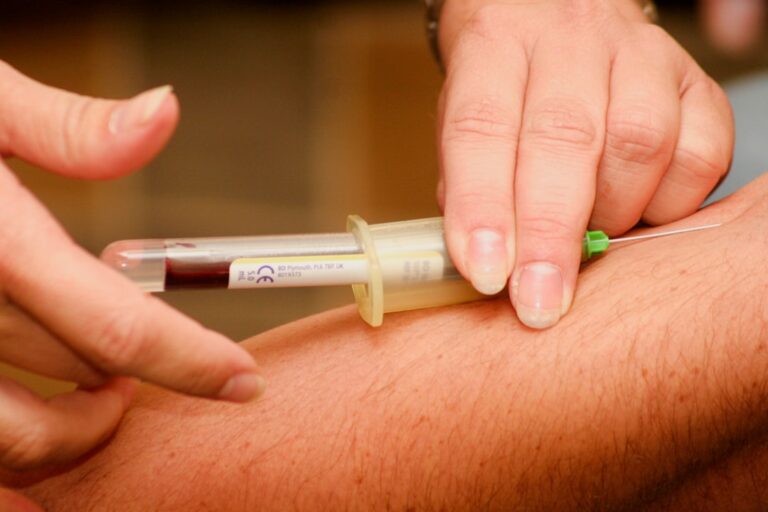
Fasting glucose requires at least 8 hours of no food or caloric beverages before the blood draw. Water is fine. Coffee with cream is not. Even a single night of poor sleep or an unusually stressful morning can nudge your fasting glucose upward — which is why one reading in isolation is never the whole story. One reading in isolation is never the whole story.
Ask your doctor to include both fasting glucose and HbA1c on your annual labs. HbA1c reflects your average blood glucose over the past 2-3 months and is less susceptible to single-day variability. A 2026 meta-analysis (PMID 41889232) evaluated both tests and confirmed they complement each other. Neither alone is the complete picture. A normal fasting glucose with an elevated HbA1c, or vice versa, both warrant follow-up.
The NIH National Institute on Aging recommends regular blood glucose screening for adults over 45, or earlier if you have risk factors like excess weight, family history, or sedentary lifestyle. The Mayo Clinic advises that even a single fasting glucose result above 100 mg/dL should prompt lifestyle discussion with your physician rather than a “watch and wait” approach.
Frequently Asked Questions
What is a normal fasting glucose level by age?
The ADA defines a normal fasting glucose as under 100 mg/dL (5.6 mmol/L) for adults of any age. However, what an individual target should look like shifts with age, reflecting natural age-related changes in insulin sensitivity and muscle mass — which is why the answer for you is one a clinician can give after reviewing your labs and history, not a range a blog can hand you. The ADA threshold is a diagnostic cutoff, not an optimal health target.
Is a fasting glucose of 95 mg/dL too high?
A fasting glucose of 95 mg/dL falls within the ADA’s “normal” range but sits toward the higher end of that band — and whether it warrants attention depends on your trend, your HbA1c, and your broader metabolic picture rather than any single published cutoff. Whether it warrants action depends on your trend over time, your HbA1c, your body composition, and your lifestyle. A single reading of 95 mg/dL is not alarming, but it’s a signal to pay attention — especially if it’s risen from a lower baseline.
What fasting glucose level indicates prediabetes?
The American Diabetes Association defines prediabetes as a fasting glucose between 100 and 125 mg/dL (5.6-6.9 mmol/L). A 2026 systematic review in Naunyn-Schmiedeberg’s Archives of Pharmacology (PMID 42108364) confirmed that lifestyle modification — exercise and dietary change — significantly reduces progression from prediabetes to type 2 diabetes in randomized controlled trials. Prediabetes is highly reversible with action.
Can poor sleep raise fasting glucose?
Yes, and the evidence is strong. A 2026 controlled laboratory study in Sleep (PMID 41165770) found that recurrent sleep restriction impaired glucose homeostasis in healthy young adults, with effects persisting even during recovery sleep periods. If your fasting glucose is elevated and your sleep is consistently under 7 hours, improving sleep is one of the most direct interventions available.
How often should I test my fasting glucose?
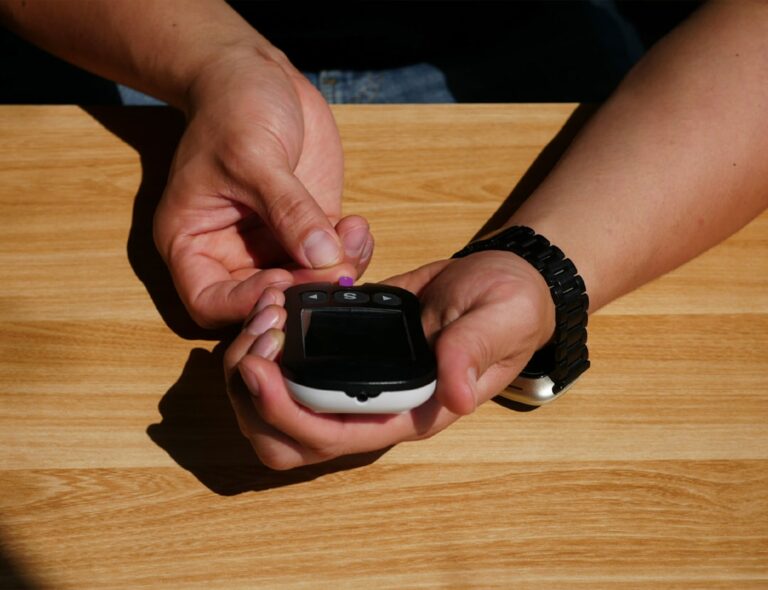
For most healthy adults over 40 with no known metabolic issues, annual fasting glucose testing as part of a standard blood panel is the baseline recommendation from the NIH National Institute on Aging. If your number is in the prediabetes range or trending upward, more frequent testing — every 3-6 months — allows you and your doctor to track whether lifestyle changes are working. Pairing fasting glucose with HbA1c gives a more complete picture.
What is the difference between fasting glucose and HbA1c?
Fasting glucose measures your blood sugar at a single point in time, after an 8-hour fast. HbA1c (glycated hemoglobin) reflects your average blood glucose over the previous 2-3 months by measuring how much glucose has bonded to red blood cells. A 2026 meta-analysis (PMID 41889232) confirmed that both tests have strong diagnostic performance and that they complement each other — a complete metabolic assessment should include both.
Sources
- American Diabetes Association. Standards of Medical Care in Diabetes. Classification and Diagnosis of Diabetes. PubMed / NIH.
- Reassessment of the Diagnostic Accuracy of HbA1c and Glucose for Type 2 Diabetes: A Systematic Review and Meta-Analysis. Diabetes Metab Res Rev. 2026. PMID 41889232.
- Effects of pharmacological treatment and lifestyle modification on prediabetes: a systematic review and meta-analysis of RCTs. Naunyn Schmiedebergs Arch Pharmacol. 2026. PMID 42108364.
- Glucose homeostasis during recurrent periods of sleep restriction and recovery in healthy young adults. Sleep. 2026. PMID 41165770.
- Beyond Diabetes: Continuous Glucose Monitoring as a Candidate Precision Tool for Cardiovascular Prevention and Healthy Longevity. Medicina (Kaunas). 2026. PMID 42654410.
- NIH National Institute on Aging. Diabetes in Older People. nia.nih.gov.
- Mayo Clinic. Prediabetes — Diagnosis and Treatment. mayoclinic.org.
- Attia P. Outlive: The Science and Art of Longevity. 2023. peterattiamd.com.
Liked This? Keep Reading.
Get the next post in your inbox. Real science on longevity, supplements, and fitness — no hype.
Drop your email below. Weekly. No spam. Unsubscribe anytime. ↓