
Is a CGM Worth It If You’re Not Diabetic?
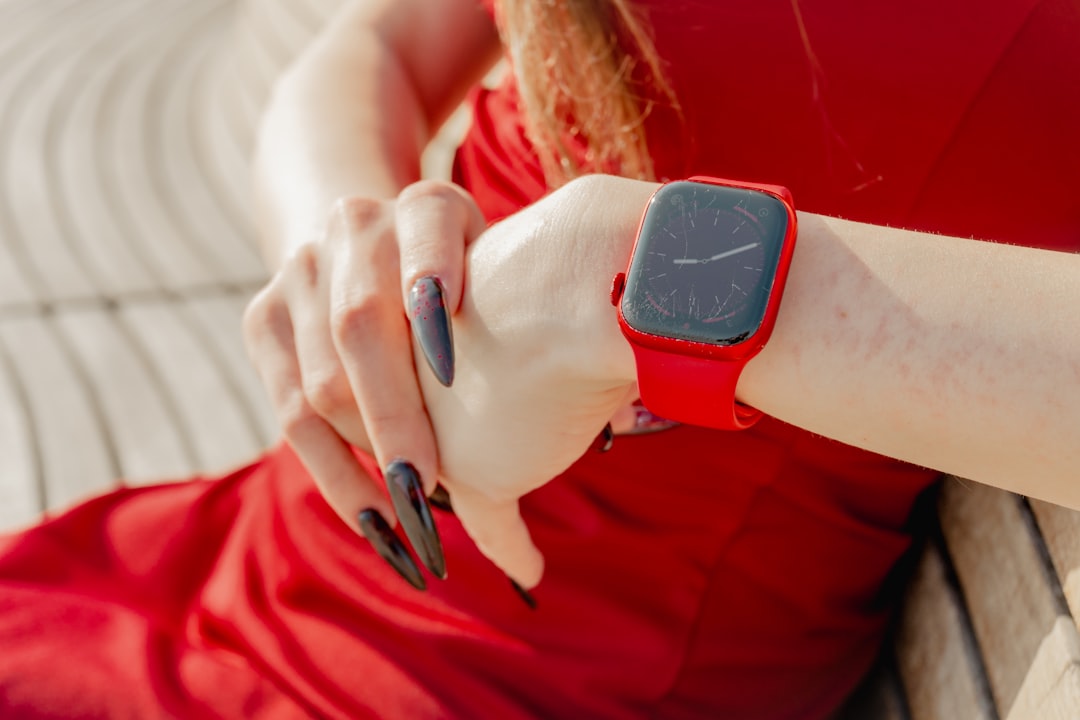
Photo by Zulfugar Karimov on Unsplash
By The Longevity Dose Editorial Team · Evidence-reviewed · Last updated August 2026
For most healthy adults, wearing a continuous glucose monitor is not medically necessary — but that doesn’t mean it’s useless. CGMs can reveal real, actionable patterns about how your body handles food, sleep, and stress. The honest debate in longevity medicine right now isn’t whether CGMs work; it’s whether the information they provide for non-diabetic users leads to better health outcomes, or just more anxiety about numbers that were never concerning in the first place. As of 2026, the answer is nuanced, and this post breaks it down as clearly as possible.
Key Takeaways
- CGMs are accurate enough for non-diabetic use: a 2026 study in the Journal of Diabetes Science and Technology confirmed the FreeStyle Libre 3 Plus meets clinical accuracy standards across a broad age range, including participants without diabetes.
- A 2026 Nature Communications study of 3,634 people found that CGM-derived time-in-range metrics correlated meaningfully with diet quality, lifestyle factors, and demographics — but whether acting on that data extends lifespan in healthy people is still unproven.
- CGMs are most useful for a short, structured wear period of 2-4 weeks to identify personal glucose patterns — not as a permanent, year-round monitoring tool for healthy adults.
- Expert clinicians disagree on what CGM readings mean for people without diabetes, which limits how actionable the data is without professional guidance.
What Does a CGM Actually Measure — and How Accurate Is It?
A continuous glucose monitor is a small sensor worn on the back of your arm or abdomen. It reads glucose levels in interstitial fluid (the fluid between your cells) every few minutes, giving you a near-real-time picture of your blood sugar throughout the day and night. You don’t need finger pricks. You just wear the sensor and check an app.
The most widely used consumer devices in 2026 are the Abbott FreeStyle Libre 3 Plus and the Dexcom G7. Both are factory-calibrated, meaning they don’t require you to manually calibrate against a finger-stick reading. A 2026 study published in the Journal of Diabetes Science and Technology (PMID: 40183340) evaluated the FreeStyle Libre 2 Plus and Libre 3 Plus with an improved sensor design that also reduces interference from vitamin C intake. The sensors met accepted clinical accuracy standards across participants aged 2 years and above, enrolled across seven U.S. sites.
So the hardware is solid. Accuracy isn’t really the problem. The bigger question is what you do with the data when your glucose was never likely to be dangerously abnormal in the first place.
Bottom line: Modern CGMs are accurate enough for non-diabetic monitoring. The technology isn’t the limiting factor — interpreting the results is.
Is a Continuous Glucose Monitor Worth It for Healthy Adults? What the 2026 Evidence Says
This is the core question, and the honest answer is: it depends on what you’re hoping to learn.
A large 2026 study published in Nature Communications (PMID: 41896538) analyzed CGM data from 3,634 participants across three PREDICT trials (average age 46, 83% female, average BMI 27). Researchers found that two key CGM metrics — time in range (TIR, the percentage of time glucose stayed between 3.9 and 7.8 mmol/L) and glycemic variability — correlated significantly with diet quality, lifestyle habits, and demographic factors in people without diabetes.
That’s genuinely interesting. It means a CGM can reflect real differences in how your body handles food. Someone who eats a diet rich in processed carbohydrates and sits most of the day will likely see higher post-meal spikes and more variability than someone who eats whole foods and walks regularly. The CGM makes that visible.
But Does Seeing It Lead to Better Outcomes?
Here’s where the evidence gets thinner. The Nature Communications study confirmed associations between CGM metrics and lifestyle — but it wasn’t designed to show whether non-diabetic people who act on CGM data live longer or healthier lives. That specific human outcome data doesn’t yet exist in a robust, randomized form.
Furthermore, a 2026 study in the Journal of Diabetes Science and Technology (PMID: 39936548) surveyed 18 CGM expert clinicians and asked them to independently review CGM reports from people without diabetes. The result was striking: there was poor concordance among experts on when to recommend clinical follow-up. In other words, even seasoned clinicians reviewing the same non-diabetic CGM data couldn’t reliably agree on what it meant or what action to take.
That finding matters. If experts disagree on interpretation, you probably shouldn’t be using a CGM to make major health decisions without a physician involved.
Bottom line: CGMs reveal real patterns in healthy people, but the evidence that non-diabetics who act on CGM data live longer or avoid disease is still preliminary. The data is suggestive, not definitive.
What Can a CGM Teach You That a Standard Blood Test Can’t?
Your annual fasting glucose or HbA1c gives you a single snapshot. The American Diabetes Association defines normal fasting glucose as below 100 mg/dL, and most healthy adults land there without issue — though fasting glucose optimal ranges shift meaningfully by age. But those numbers tell you nothing about what happens after meals, during sleep, or under stress.
CGMs fill that gap in a few specific ways:
- Post-meal spikes: Even people with “normal” HbA1c can have significant glucose spikes after certain meals — the CGM makes those post-meal excursions visible in a way that a single annual blood draw simply cannot. Whether brief spikes cause long-term harm in non-diabetics is still debated, but repeated high excursions are associated with inflammation and oxidative stress in the research literature.
- Sleep and glucose: Many users are surprised to find their glucose dips or spikes overnight. Poor sleep is independently associated with glucose dysregulation, which connects to broader metabolic aging.
- Individual food responses: The PREDICT studies made headlines by showing that two people eating the exact same meal can have wildly different glucose responses. A CGM personalizes nutrition in a way no generic dietary guideline can.
- Stress responses: Cortisol raises blood glucose. Some people clearly see glucose rise during stressful work periods — even without eating — which is a useful motivator for stress management strategies.
For context, this kind of personalized metabolic data pairs well with other longevity biomarkers. If you’re already tracking things like ApoB levels or reviewing your full longevity biomarker panel, adding a short CGM trial gives you a metabolic layer that standard labs simply don’t capture.
Bottom line: A CGM tells you things a standard blood test genuinely cannot — especially how your body responds to specific foods and lifestyle factors in real time.
Who Benefits Most from Wearing a CGM Without Diabetes?
Not everyone gets equal value from CGM use. Based on current evidence, the following groups are most likely to find it genuinely useful:
- People with prediabetes or impaired fasting glucose: If your fasting glucose or HbA1c falls in the prediabetes range that the American Diabetes Association defines — 100–125 mg/dL for fasting glucose, 5.7–6.4% for HbA1c — a CGM gives you detailed feedback that can motivate and guide behavior change. This is probably the highest-value use case outside of diagnosed diabetes.
- People trying to understand their personal carbohydrate tolerance: If you’re experimenting with dietary changes — lower carb, time-restricted eating, or Mediterranean-style eating — a CGM provides real-time feedback on what’s actually working for your metabolism specifically.
- People with a strong family history of type 2 diabetes or metabolic syndrome: Early metabolic dysfunction can be invisible on standard labs for years. A CGM might catch dysregulation earlier.
- Athletes and performance-focused individuals: Optimizing fueling around training sessions is one area where CGM data is clearly actionable, particularly for endurance athletes who need precise carbohydrate timing.
People who are metabolically healthy with no risk factors, no symptoms, and normal labs are the least likely to gain actionable insights. They may simply confirm what their HbA1c already suggested: their metabolism is working fine.
Bottom line: The higher your metabolic risk, the more value a CGM is likely to deliver. For genuinely low-risk individuals, it may function more as an expensive curiosity than a health intervention.
What Are the Practical Limitations?
Before you order one, know what you’re getting into.
Cost: Consumer CGMs without a prescription (available under programs from Abbott and Dexcom in the U.S.) run approximately $49-$89 per sensor, with each sensor lasting 14-15 days. That’s $100-$180 per month if worn continuously. Without insurance coverage — which rarely applies to non-diabetic users — cost adds up quickly.
Interpretation gaps: As noted above, the 2026 expert clinician study found significant disagreement on how to interpret non-diabetic CGM readings. Without a knowledgeable physician to contextualize your data, you may find yourself anxious about glucose excursions that are clinically meaningless.
Sensor interference: Vitamin C in higher doses can affect sensor accuracy on older models. The 2026 FreeStyle Libre study specifically tested an improved sensor design to address this, which is relevant if you supplement vitamin C regularly.
Behavioral impact: Some users find CGMs motivating. Others develop anxiety or obsessive checking behavior. This is a real consideration, especially for anyone with a history of disordered eating or health anxiety.
The National Institute on Aging notes that metabolic health is a critical component of healthy aging — but it also emphasizes that interventions should be matched to actual risk profiles, not adopted universally.
Bottom line: Cost and interpretation complexity are real barriers. A short, intentional trial with professional guidance is better than open-ended, self-directed monitoring.
The Verdict: Should You Try a CGM?
Wearing a continuous glucose monitor for a defined period — say, 4-8 weeks — is a reasonable experiment for most health-conscious adults in their 30s to 60s. Done right, it can genuinely shift how you think about meals, sleep, and stress. Done wrong, it can generate anxiety about numbers that don’t warrant concern.
The evidence as of 2026 supports CGMs as a discovery tool, not a permanent monitoring system for non-diabetic adults. Use it to learn. Then stop wearing it and apply what you learned. For people with prediabetes or significant family risk, longer or repeated use makes more sense and is worth discussing with a physician.
What the evidence does not yet support is the claim made by some wellness companies that CGMs will meaningfully extend lifespan or prevent disease in metabolically healthy people. That claim needs randomized trial data, and those trials haven’t been done. Be skeptical of anyone selling a subscription CGM service on the basis that it will help you “live longer” — the science isn’t there yet to back that up specifically.
For more on how blood-based metabolic markers connect to long-term cardiovascular risk, our guide on heart health biomarkers after 40 covers ApoB, Lp(a), and blood pressure targets that complement what a CGM can tell you. And if you’re optimizing your overall protocol, the complete longevity biomarker guide for 2026 puts glucose monitoring in perspective alongside the metrics that arguably matter even more. Nutrition decisions — including whether intermittent fasting actually extends lifespan — are also worth thinking through alongside your CGM data.
CGMs are a useful tool. They’re just not magic. And for a healthy 45-year-old with normal labs and no family risk, a $150 investment in a CGM trial might teach you something genuinely useful — or it might confirm what you already suspected. Either way, the information belongs to you.
According to Examine.com’s research database, glucose management interventions are among the most studied areas in metabolic health, with strong evidence that sustained post-meal glucose control matters for long-term outcomes — but the specific benefit of CGM use as the delivery mechanism for non-diabetics remains an open research question.
Frequently Asked Questions
Can a non-diabetic person buy and use a CGM without a prescription?
Yes. As of 2026, Abbott and Dexcom both offer over-the-counter CGM options in the United States that do not require a prescription. The Abbott Lingo and Dexcom Stelo are designed specifically for non-diabetic users and are available directly to consumers. Insurance coverage for non-diabetic use is rare, so expect to pay out of pocket.
What is a “normal” glucose range for someone without diabetes on a CGM?
For most non-diabetic adults, glucose rises after eating and then returns toward a stable fasting level — the range a CGM shows you reflects that rhythm across your real meals and daily habits, not a single clinic visit. Brief post-meal spikes above 140 mg/dL are common and may not be clinically meaningful in an otherwise healthy person. However, the 2026 expert clinician study found that even specialists disagree on what specific readings should trigger concern or follow-up for non-diabetic individuals, so single readings shouldn’t cause alarm without broader context.
How long should I wear a CGM to learn something useful?
A single 14-15 day sensor wear period is enough to capture a meaningful range of your daily glucose patterns, including responses to common meals, exercise, sleep, and stress. How long to wear one depends on what you are trying to learn — a single 14-to-15-day sensor covers most common meal patterns, sleep cycles, and stress responses, and your physician is best placed to say whether a repeat trial later makes sense for you.
Does high glucose variability predict aging or disease risk in healthy people?
Higher glycemic variability is associated with worse outcomes in people with diabetes, and the 2026 Nature Communications PREDICT study found that variability correlated with diet and lifestyle quality in people without diabetes too. But whether reducing variability in a metabolically healthy person extends lifespan or prevents disease hasn’t been proven in randomized trials. The association is real; the causation is not yet established.
Are CGM readings accurate enough to trust without finger-stick confirmation?
For current factory-calibrated sensors like the FreeStyle Libre 3 Plus, accuracy meets clinical standards without finger-stick calibration, according to a 2026 Journal of Diabetes Science and Technology study. Notable exception: very high doses of vitamin C can interfere with older sensor models. The newer sensor design tested in that 2026 study was specifically improved to address this issue.
Should I use a CGM if I already have normal HbA1c and fasting glucose?
Normal standard labs don’t rule out post-meal glucose spikes or overnight variability that a CGM can detect. However, if your metabolic risk is genuinely low, a CGM is more likely to function as a useful learning tool than a health intervention. It can motivate better food and lifestyle choices — but it won’t lower your risk if you’re already metabolically healthy and act on those lessons through diet and exercise, not just by watching the number.
Affiliate Disclosure: The Longevity Dose may earn a small commission if you purchase through the links below, at no additional cost to you. We only link products and books with a genuine research track record. Learn more.
What We Recommend
- Stelo Glucose Biosensor (over-the-counter CGM). If you want to run the 2 to 4 week self-experiment this post describes, Stelo is an over-the-counter CGM with no prescription required, and a 2-pack covers about 30 days, the structured wear period the evidence supports for healthy adults. Treat it as a short diagnostic, not a device to wear year round.
Liked This? Keep Reading.
Get the next post in your inbox. Real science on longevity, supplements, and fitness — no hype.
Drop your email below. Weekly. No spam. Unsubscribe anytime. ↓