
12 Cardiovascular Fitness Statistics That Will Shock You
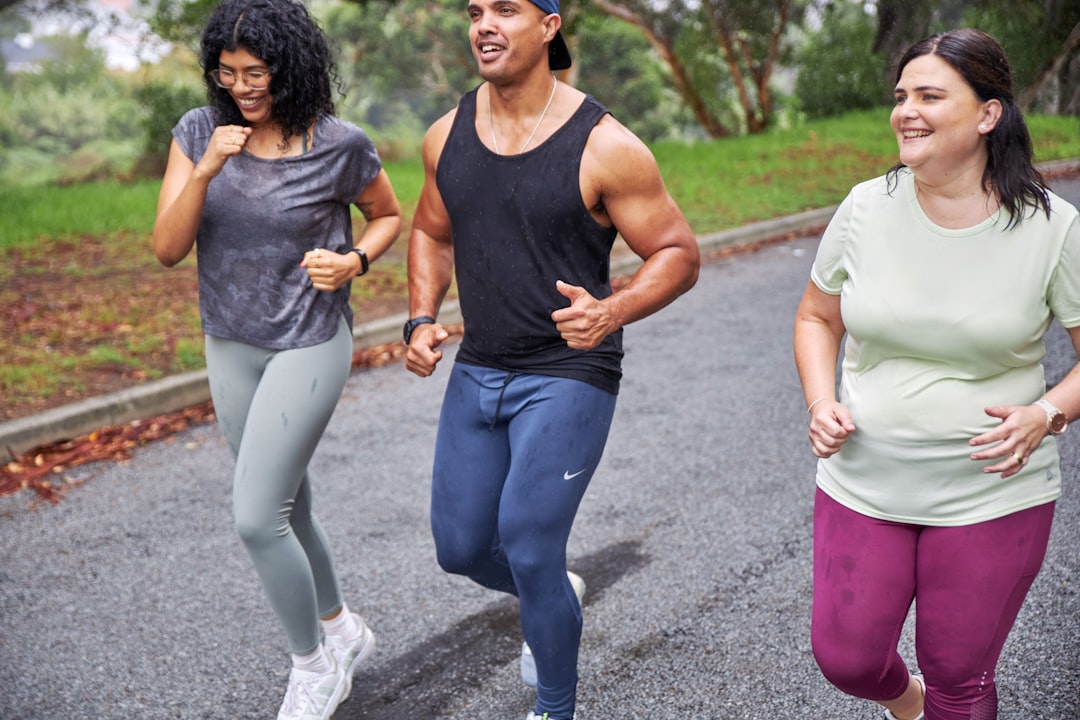
Photo by Sweet Life on Unsplash
By The Longevity Dose Editorial Team · Evidence-reviewed · Last updated June 2026
The link between cardiovascular fitness and longevity is the single most well-documented relationship in all of preventive medicine. Not supplements. Not sleep tracking. Not any biohacking protocol. Your cardiorespiratory fitness level, most accurately measured as VO2 max, predicts your risk of dying from almost every major disease with a consistency that has surprised even career cardiologists. Most people have no idea how dramatic the numbers actually are. These 12 statistics, each sourced from named research institutions and peer-reviewed journals, will change how you think about your health priorities in 2026.
Key Takeaways
- Low cardiorespiratory fitness is a stronger predictor of early death than smoking, hypertension, or diabetes, according to a landmark JAMA study by Dr. Alejandro Lucia and colleagues.
- Moving from “low” to “moderate” VO2 max fitness reduces all-cause mortality risk by roughly 50%, a larger effect than almost any drug currently available.
- A 2026 pilot study published in Geroscience found that 6 months of endurance cycling training produced measurable deceleration of the GrimAge epigenetic clock, directly linking cardio fitness to biological age reversal.
- Daily step count can now predict biological age as accurately as many blood-based aging clocks, meaning your phone may already hold your most important health data.
Statistics That Show How Powerfully Cardio Fitness Predicts Lifespan
These numbers aren’t from fringe journals. They come from decades of large-scale human research, and the consistency is striking.
Stat 1: Low fitness kills more people than smoking
Sitting in the lowest fitness quintile carries a relative risk of all-cause mortality comparable to, and in some analyses greater than, smoking. (Source: Dr. Alejandro Lucia et al., JAMA Network Open, 2022.) A large prospective analysis found that men in the bottom 20% for cardiorespiratory fitness had a mortality hazard ratio above 4.0 compared to those in the top quintile. Smoking’s hazard ratio in similar populations sits around 2.5, and markers like ApoB — another undermonitored cardiovascular risk factor — show a similar pattern of being overlooked until damage is done. The action here is simple but uncomfortable: if you haven’t assessed your VO2 max, you’re ignoring your most important vital sign. Our deep-dive at VO2 Max Is the Best Longevity Predictor Nobody Talks About walks through how to test it.
Stat 2: Moving from low to moderate fitness cuts mortality risk by roughly 50%
The mortality reduction from improving out of the lowest fitness category into just the moderate category is approximately 50%. (Source: Dr. Steven Blair, Cooper Institute Longitudinal Studies, cited in multiple JAMA reviews.) This is the most important number in preventive medicine. You don’t need elite fitness. The biggest gains come from going from sedentary to moderately active. Action: aim to walk briskly, cycle, or jog enough to elevate your heart rate for 150 minutes per week, and treat that target as non-negotiable.
Stat 3: Each 1 MET increase in fitness is worth a 13% mortality reduction
Every 1-MET improvement in exercise capacity (roughly equivalent to a 3.5 ml/kg/min rise in VO2 max) is associated with a 13% reduction in all-cause mortality. (Source: Myers et al., New England Journal of Medicine, 2002.) This landmark study followed 6,213 men referred for exercise testing at the VA Medical Center. The finding still holds up in 2026 replications. Action: small, consistent fitness improvements compound over years, exactly like financial interest. Start measuring. Start improving.
Stat 4: Daily step count predicts biological age
A 2026 study in Geroscience developed the “MoveIt! Age” clock, showing that wearable-derived step count data can predict biological age in community-dwelling adults with accuracy rivaling invasive biomarker panels. (Source: Geroscience, 2026, PMID 41241677.) The clock was trained on NHANES data and validated in both healthy adults and rehabilitation inpatients. This is a human study, not animal data, which strengthens the finding considerably. Action: your daily step average is now a legitimate aging biomarker. Aim for 7,000 to 10,000 steps per day as a baseline, and track it consistently.
Statistics on VO2 Max, Aging, and the Exercise Connection
Fitness doesn’t just predict mortality. Evidence increasingly shows it directly influences how fast you age at the cellular level.
Stat 5: Six months of cycling training measurably slowed epigenetic aging
A 2026 pilot study enrolled 42 adults in a 6-month cycling-based endurance training program and found that improvements in VO2 max were associated with deceleration of the GrimAge epigenetic clock. (Source: Geroscience, 2026, PMID 41547677.) GrimAge is currently the most mortality-predictive epigenetic clock available. Important caveat: this was a pilot study of 42 participants, not a large RCT. The finding is highly promising, but replication in larger samples is needed before drawing firm conclusions. Still, it directly links cardio training to biological age reversal, something supplements have struggled to demonstrate in humans. If you want to understand what epigenetic clocks actually measure, see our guide on What Are Epigenetic Clocks?
Stat 6: VO2 max declines roughly 10% per decade after age 30 without training
Cardiorespiratory fitness declines at approximately 10% per decade from age 30 onward in untrained individuals, which is why knowing your VO2 max targets by age matters so much. (Source: Fleg et al., Circulation, 2005, confirmed in subsequent NIH aging reviews.) Trained athletes experience a much slower decline of around 5% per decade. Action: every year of inactivity compounds the deficit. Starting a structured Zone 2 cardio program in your 40s or 50s doesn’t just slow decline, it can partially reverse it — and if you’re weighing your options, our rucking vs cycling longevity comparison breaks down which approach delivers more bang for your buck. Our complete breakdown of Zone 2 Training for Longevity gives you a protocol to follow.
Stat 7: Elite master athletes in their 70s have VO2 max scores matching sedentary 40-year-olds
Competitive endurance athletes in their 70s consistently test with VO2 max values of 35 to 40 ml/kg/min, which matches the average sedentary adult in their late 30s or early 40s. (Source: Tanaka and Seals, Journal of Physiology, 2008, cited widely in NIH aging literature.) This stat matters because it illustrates the functional age gap training can create: roughly 30 years of physiological youth, maintained without drugs or interventions. Action: you don’t need to become a competitive athlete. You need to exercise consistently enough to stay in the upper fitness quartiles for your age group.
Stat 8: Exercise blood pressure response independently predicts cardiovascular mortality
An exaggerated blood pressure response during exercise (exercise hypertension) is an independent predictor of cardiovascular morbidity and mortality, and higher cardiorespiratory fitness is consistently associated with a more controlled blood pressure response across all tested populations — for a deeper look at the key markers involved, see our Heart Health After 40: ApoB, Lp(a) & Blood Pressure Guide, and if you want to know what numbers to actually aim for, our blood pressure targets by age longevity guide breaks it down by decade. (Source: American Journal of Physiology: Heart and Circulatory Physiology, 2026, PMID 41730298.) The review highlights that better vascular function and autonomic nervous system modulation likely explain this protective effect. Action: if you know your resting blood pressure but have never had an exercise stress test, talk to your doctor about whether you’d benefit from one.
Statistics on Inactivity, Obesity, and Cardiorespiratory Risk
The downside numbers are just as important. These stats reveal what happens when fitness falls behind.
Stat 9: Physical inactivity costs the global economy over $67 billion per year
Physical inactivity costs the global economy an estimated $67.5 billion annually in healthcare spending and lost productivity — and the sitting time and longevity statistics behind this number make the individual stakes even clearer. (Source: Ding et al., The Lancet, 2016, the most widely cited global burden of inactivity analysis.) While this is a macro stat, it reflects a micro reality: inactivity generates healthcare costs that hit you personally, in medical bills, lost working years, and diminished quality of life in your 60s and 70s. Action: framing exercise as free medicine with a measurable ROI makes it easier to prioritize.
Stat 10: Obesity significantly raises ventilatory inefficiency during exercise, a cardiovascular risk marker
A 2026 study using the FRIEND (Fitness Registry and the Importance of Exercise National Database) found that obesity is associated with elevated VE/VCO2 slope during exercise among apparently healthy adults, a marker known to predict cardiovascular mortality in clinical populations. (Source: Scandinavian Journal of Medicine and Science in Sports, 2026, PMID 41855413.) This is important because VE/VCO2 slope is typically monitored in heart failure patients, not general populations. Seeing it elevated in otherwise “healthy” obese adults suggests cardiovascular risk is accumulating earlier than standard screening detects. Action: body weight and cardiorespiratory fitness are not interchangeable metrics. You need to track both.
Stat 11: Just 75 minutes of vigorous activity per week reduces cardiovascular mortality risk by up to 25%
Accumulating just 75 minutes of vigorous-intensity physical activity weekly is associated with a 25% reduction in cardiovascular disease mortality risk. (Source: WHO Global Action Plan on Physical Activity, drawing from pooled cohort analysis in The Lancet, 2020.) That works out to roughly 11 minutes a day of jogging, cycling hard, or swimming. Action: the dose needed to get meaningful cardiovascular protection is genuinely achievable. The barrier isn’t time. It’s consistency and knowing the target.
Stat 12: Waist circumference and body roundness index independently predict VO2 max in older adults
A 2026 study developed validated non-exercise equations for estimating VO2 max in older adults using body roundness index and waist circumference, confirming that abdominal adiposity is among the strongest body-composition predictors of cardiorespiratory fitness decline with age. (Source: Exercise, Sport, and Movement, 2026, PMID 41439022.) Waist circumference is a proxy you can measure at home in 30 seconds. Action: if your waist circumference exceeds 40 inches (men) or 35 inches (women), that’s a direct signal your cardiorespiratory fitness is likely compromised. Address both simultaneously.
What These Numbers Mean for Your Longevity Plan in 2026
Taken together, these statistics make one thing clear. Cardiovascular fitness isn’t a “nice to have” for longevity. It’s the foundation everything else sits on. Supplements, sleep optimization, stress management: all of it works better when your cardiorespiratory system is strong. The research connecting cardio fitness to slower telomere shortening also reinforces this point, and you can read more about that in our guide to Telomere Length and Aging.
Your practical starting point in 2026 is this: test your fitness level (a submaximal VO2 max test or a simple 12-minute Cooper run test will give you a baseline), identify which fitness quintile you’re in for your age, and build a consistent training plan that combines Zone 2 cardio with strength work shown to dramatically extend lifespan. The evidence supporting this combination is overwhelming, and nothing in the supplement world comes close to matching it.
Supporting your cardiovascular health nutritionally matters too. Nordic Naturals Ultimate Omega, an IFOS 5-star certified omega-3 in triglyceride form, is one of the few supplements with solid cardiovascular evidence behind it, and bioavailability matters significantly in omega-3 products.
Affiliate Disclosure: The Longevity Dose may earn a small commission if you purchase through the links below, at no additional cost to you. We only link products and books with a genuine research track record. Learn more.
What We Recommend
- Nordic Naturals Ultimate Omega. IFOS 5-star certified omega-3 in triglyceride form with significantly better absorption than standard fish oil. Omega-3s have strong cardiovascular evidence and this is the form and purity level that matches what clinical studies actually used.
- Thorne Creatine Monohydrate. NSF Certified for Sport and the most research-backed supplement for maintaining muscle mass and strength as you age. Combining cardiovascular training with strength work is the longevity exercise combination the evidence most strongly supports, and creatine enhances the strength side of that equation.
- Thorne Magnesium Bisglycinate. The most bioavailable magnesium form without GI side effects. Magnesium plays a direct role in cardiovascular function, blood pressure regulation, and muscle recovery from exercise, making it especially relevant for anyone building a serious cardio training protocol.
Frequently Asked Questions
What is the single best thing I can do to improve cardiovascular fitness and longevity?
The most evidence-backed starting point is building a consistent Zone 2 aerobic training habit, meaning exercise at a pace where you can hold a conversation but feel genuinely challenged, for 150 to 180 minutes per week. This improves VO2 max, lowers resting heart rate, and based on 2026 research in Geroscience, may directly decelerate epigenetic aging clocks. Combine it with two strength sessions per week for the most complete longevity effect.
How do I find out my VO2 max without a lab test?
The Cooper 12-minute run test is a validated field estimate: run as far as you can in 12 minutes, then use the distance to calculate an estimated VO2 max using established formulas. Many smartwatches also provide a VO2 max estimate based on heart rate during runs. For a broader look at your options, our guide to VO2 max testing at home covers the most accurate 2026 methods. For a more accurate measurement, ask your doctor for a graded exercise test (GXT) at a sports medicine or cardiology clinic.
At what age does cardiovascular fitness start declining significantly?
Research published in Circulation by Fleg and colleagues, and subsequently confirmed in NIH aging reviews, shows that VO2 max declines at roughly 10% per decade starting around age 30 in untrained individuals. Trained adults experience a much slower decline of around 5% per decade. This means fitness habits you build in your 30s and 40s have compounding protective effects into your 60s and 70s.
Is walking enough to protect cardiovascular health, or do I need to run?
Walking is genuinely beneficial and underrated. The 2026 MoveIt! Age study published in Geroscience found that daily step count from wearables predicted biological age in adults across a wide age range. However, to move meaningfully up the VO2 max fitness quintiles and access the largest mortality reductions, you’ll benefit from including some moderate-to-vigorous intensity activity. Brisk walking, cycling, swimming, or hiking with elevation all qualify.
Can poor cardiovascular fitness be reversed in your 50s or 60s?
Yes, and the research on this point is genuinely encouraging. Multiple studies show that previously sedentary adults in their 50s and 60s can increase VO2 max by 15 to 25% with consistent structured training over 6 to 12 months. The 2026 Geroscience pilot study showing GrimAge clock deceleration with cycling training enrolled adults across a range of ages, not just young people. It’s not too late, but consistency matters more than intensity at this stage.
Does cardiovascular fitness affect aging beyond just heart health?
Cardiorespiratory fitness affects nearly every aging pathway researchers have identified. It reduces chronic inflammation, improves insulin sensitivity, supports brain health through BDNF production, appears to slow telomere shortening, and based on 2026 epigenetic research, decelerates biological aging as measured by DNA methylation clocks. Cardiovascular fitness is not just a heart metric — and tracking markers like HRV by age gives you a real-time window into how well your autonomic system is holding up. It’s a whole-body aging rate modifier.
Liked This? Keep Reading.
Get the next post in your inbox. Real science on longevity, supplements, and fitness — no hype.
Drop your email below. Weekly. No spam. Unsubscribe anytime. ↓