
Melatonin After 50: Why Less Is More
Photo by Slaapwijsheid.nl on Unsplash
By The Longevity Dose Editorial Team · Evidence-reviewed · Last updated July 2026
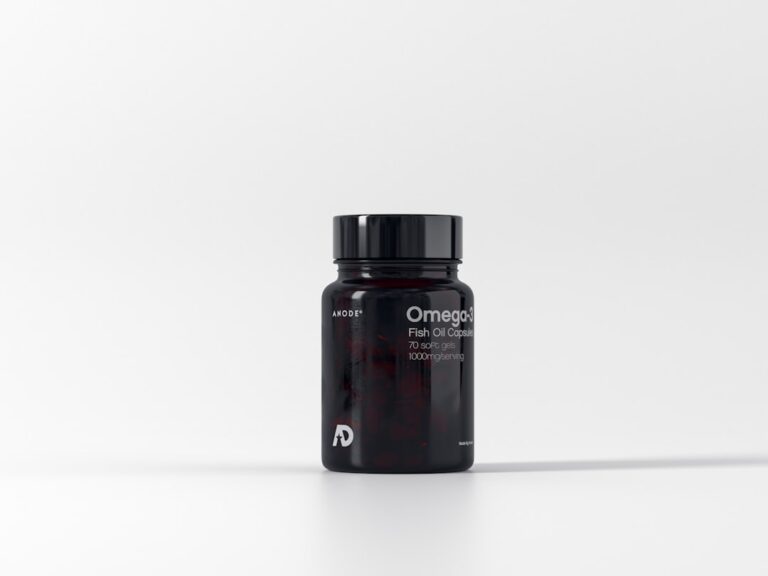
Most people over 50 are taking at least 5mg of melatonin before bed. That dose is almost certainly too high, and there’s a strong case it’s making your sleep worse, not better. The right melatonin dosage after 50 is probably between 0.3mg and 1mg, which is 5 to 16 times lower than what’s sold in most drugstore bottles. I think this is one of the most common and quietly harmful self-medication mistakes in the longevity-focused crowd, and the evidence to support a lower dose is much stronger than most people realize.
Key Takeaways
- Natural melatonin production declines significantly with age, meaning the receptors in your brain become more sensitive — not less — to exogenous melatonin.
- Research published in 2026 in the Journal of Pineal Research found meaningful improvements in sleep quality and climacteric symptoms in women using low-dose melatonin, supporting the case for modest supplementation over large doses.
- The effective physiological dose of melatonin for most adults is meaningfully lower than what most supplements contain — taken well before bed to work with your circadian timing rather than simply sedating you.
- High-dose melatonin can blunt your body’s own melatonin signal, disrupt morning cortisol rhythms, and cause next-day grogginess — risks that rise after 50 when circadian biology is already more fragile.
The Dosing Problem Nobody Wants to Talk About
Here’s the uncomfortable truth: the melatonin market is built around doses that were never validated in clinical trials as optimal for adults. The 5mg and 10mg tablets dominating pharmacy shelves exist because supplement companies discovered that higher doses feel more powerful to consumers. More isn’t always more. With melatonin, particularly after 50, more is often worse.
Your body’s endogenous melatonin production peaks around age 20 and declines steadily from there. By your 50s and 60s, your pineal gland produces measurably less melatonin each night. But here’s what most people miss: as output drops, receptor sensitivity tends to increase. Your brain doesn’t need a flood of melatonin to get the signal. It needs just enough — and flooding it with a supraphysiological dose disrupts the very timing signal you’re trying to restore.
Dr. Richard Wurtman at MIT, who is arguably the researcher most responsible for establishing melatonin’s clinical use in humans, published work decades ago showing that low physiological doses were as effective as higher doses at lowering core body temperature and inducing sleep onset — the 5mg standard was not derived from superior efficacy data. The 5mg standard wasn’t based on better efficacy. It was based on easier manufacturing and the assumption that consumers equate more with better.
What the 2026 Research Actually Shows
A randomized controlled trial published in the Journal of Pineal Research in 2026 examined the effects of exogenous melatonin on sleep quality, mood, and reproductive hormones in climacteric women, a group where sleep disruption is both common and closely tied to hormonal shifts. The findings supported long-term melatonin administration as a meaningful quality-of-life intervention. Importantly, the study focused on the kind of hormonal and circadian disruption that begins well before full menopause, which means this is relevant to women in their late 40s and early 50s, not just post-menopausal women. If you’re navigating that period, the intersection of sleep quality and hormonal change is worth reading about alongside our complete guide on muscle loss after menopause.
Separately, a 2026 randomized, double-masked, placebo-controlled crossover trial published in Ophthalmology Glaucoma evaluated melatonin’s effects on sleep-wake cycle variables in patients aged 40 to 80 with advanced glaucoma. The trial used actigraphy to objectively measure sleep, not just self-report. The results added to a growing body of evidence that melatonin does have a real, measurable effect on sleep architecture in this age group. Neither of these trials used 10mg doses. Neither showed that higher doses were superior. That pattern holds across the broader literature.
Evidence from a 2026 crossover trial in Nutrients also looked at melatonin alongside caffeine in athletes, examining performance, recovery, and sleep quality. The interaction data were interesting, but the key takeaway for our purposes is consistent: melatonin’s sleep-promoting effects operate through timing and signal, not through sedative brute force. You’re working with a hormone, not a sleeping pill.
The Counterargument: “But Higher Doses Help Me Sleep”
I hear this constantly, and I want to address it directly. Yes, 5mg or 10mg might make you feel drowsy faster. That doesn’t mean it’s improving your sleep quality, and it almost certainly doesn’t mean it’s improving your sleep architecture.
Supraphysiological melatonin doses act more like a sedative than a circadian signal. The sedative effect is real, but it comes with costs. High doses tend to suppress your body’s own melatonin production through feedback inhibition, meaning over time you may become dependent on the supplement to get any signal at all. Mornings can feel groggier because elevated melatonin at wake time interferes with the cortisol rise that normally drives alertness. And in older adults, that cortisol awakening response is already blunted compared to younger people, which makes the overlap even more disruptive.
A 2026 study in the Journal of Clinical Sleep Medicine examining sleep aid use in middle-aged and older adults found that non-BZRA sleep aids, including melatonin, were commonly used as transitional tools during cognitive behavioral therapy for insomnia programs. The implication is important: melatonin works best as a low-dose circadian adjunct, not as a chronic high-dose sedative substitute. Cognitive behavioral therapy for insomnia remains the gold standard for chronic sleep problems in this age group. Melatonin, used properly, is a supporting tool. If you’re interested in how sleep connects to the bigger longevity picture, our piece on sleep and longevity statistics is worth your time.
The honest answer to “but high doses work for me” is this: they work in the short term. The question is whether they’re optimizing your sleep biology or just sedating you past the problem. Those are very different things when you’re thinking 20 years out.
Why Your Circadian Clock Gets Fragile After 50
Sleep changes after 50 are not random. They reflect real changes in circadian biology. The suprachiasmatic nucleus, the brain’s master clock, becomes less responsive to light cues as we age. Melatonin onset shifts earlier. Deep sleep stages shrink. The architecture of sleep becomes lighter and more fragmented, which is why so many people in their 50s wake at 3am and can’t get back to sleep even when total hours in bed haven’t changed much.
In this context, melatonin’s job is not to knock you out. Its job is to reinforce the circadian timing signal that’s already weakening. A small, precisely timed dose does that. A large dose overwhelms the signal, produces pharmacological sedation instead of physiological sleep onset, and creates a next-morning hormonal hangover your aging cortisol rhythm can’t clean up as efficiently as it once did.
Timing matters as much as dose. The reasoning for taking melatonin well before bed rather than immediately before you hit the pillow is mechanistic: melatonin needs time to lower core body temperature and signal the biological start of night, and that process cannot happen instantaneously. Earlier administration gives melatonin time to lower core body temperature and signal the start of the biological night, which is the actual mechanism driving better sleep, not sedation. This same principle is why light exposure in the morning matters so much: you’re working with your circadian clock, not against it.
For context on how broader lifestyle interventions support brain health and sleep quality as we age, see our complete guide to brain aging after 40.
What I Actually Recommend for People Over 50
What dose to start with, and exactly when to take it relative to your own sleep timing, is a question your doctor or pharmacist can tailor to you — the right answer depends on your sleep pattern, your other medications, and your circadian schedule. This dose range is supported by the research as physiologically relevant, and it avoids the receptor saturation that comes with higher doses. If you can only find 1mg tablets, cut them. If you can only find 5mg, those are almost certainly too high as a starting point for anyone over 50.
Take it consistently at the same time each night. Circadian biology responds to consistency far more than to dose escalation. Circadian biology responds to consistency far more than to dose escalation — a small dose taken at the same time every night works with your body’s timing system in a way that an occasional large dose simply cannot.
Don’t combine it with alcohol. Alcohol fragments sleep architecture independently, and melatonin cannot compensate for that disruption. The combination feels sedating but produces objectively worse sleep quality.
Consider magnesium glycinate for sleep after 50 alongside a low melatonin dose if sleep maintenance rather than onset is your problem. Magnesium supports GABA activity and helps with the 3am waking that’s so common after 50. Thorne Magnesium Bisglycinate is a well-absorbed form without the gastrointestinal side effects of cheaper magnesium oxide. Our detailed breakdown of magnesium threonate vs. glycinate covers which form makes the most sense for your specific goal.
Finally, if sleep problems are severe or chronic, melatonin is not the solution on its own. Cognitive behavioral therapy for insomnia has a stronger evidence base than any supplement for long-term insomnia in this age group. Melatonin is best used for circadian shifting, jet lag, or mild sleep onset difficulties. It’s not a sleeping pill, and using it like one is where most people go wrong.
Affiliate Disclosure: The Longevity Dose may earn a small commission if you purchase through the links below, at no additional cost to you. We only recommend products we genuinely believe in. Learn more.
What We Recommend
- Thorne Magnesium Bisglycinate. If you’re over 50 and struggling with middle-of-the-night waking, this highly bioavailable magnesium form pairs well with a low-dose melatonin approach to address both sleep onset and sleep maintenance without the GI issues of cheaper magnesium forms.
Frequently Asked Questions
What is the right melatonin dosage after 50?
The evidence supports low-dose melatonin taken well before your intended sleep time — enough lead time to lower core body temperature and signal the biological start of night, rather than acting as a last-minute sedative. This range is physiologically relevant for older adults whose natural melatonin production has declined but whose receptors remain sensitive. Most over-the-counter melatonin supplements contain far more than this, so you may need to cut tablets or seek out low-dose formulations specifically.
Can taking too much melatonin make sleep worse?
Yes, in several ways. High doses can suppress your body’s natural melatonin production through feedback inhibition over time, create next-day grogginess by elevating melatonin into morning hours, and produce pharmacological sedation rather than true circadian sleep onset. After 50, when your cortisol awakening response is already weaker, this morning hormonal disruption is more pronounced.
Is melatonin safe to take every night after 50?
At low doses, melatonin is generally considered safe for nightly use in healthy adults over 50, and the trial evidence to date has not flagged significant adverse effects at doses well below what most supplements contain — though your own clinician is the right person to confirm that for your health profile. However, it’s best approached as a circadian support tool rather than a chronic sedative. If you’re on blood pressure medications, anticoagulants, or immunosuppressants, check with your doctor first, as melatonin can interact with these drugs.
What time should I take melatonin for the best effect?
Take it 30 to 60 minutes before your target sleep time, not immediately before bed. Earlier administration gives melatonin time to lower your core body temperature and signal the biological start of night, which is the actual mechanism driving better sleep quality. Consistent timing every night matters as much as the dose itself.
Does melatonin help with menopause-related sleep problems?
A 2026 randomized controlled trial published in the Journal of Pineal Research (PMID 41841489) found that melatonin supplementation improved sleep quality and climacteric symptoms in women, supporting its use during the perimenopausal and menopausal transition. Low-dose melatonin appears to be a reasonable adjunct for this group, though it works best alongside good sleep hygiene and, for severe symptoms, medical evaluation of hormone status.
Should I combine melatonin with magnesium for sleep after 50?
This combination makes physiological sense for many people over 50. Low-dose melatonin helps with sleep onset by reinforcing circadian timing, while magnesium glycinate supports GABA activity and can help with middle-of-the-night waking. They work through different mechanisms and don’t appear to interact negatively. Start with each individually before combining, so you can assess which is actually doing the work for your specific sleep pattern.
Liked This? Keep Reading.
Get the next post in your inbox. Real science on longevity, supplements, and fitness — no hype.
Drop your email below. Weekly. No spam. Unsubscribe anytime. ↓