11 Sleep and Longevity Statistics That Will Change How You Rest
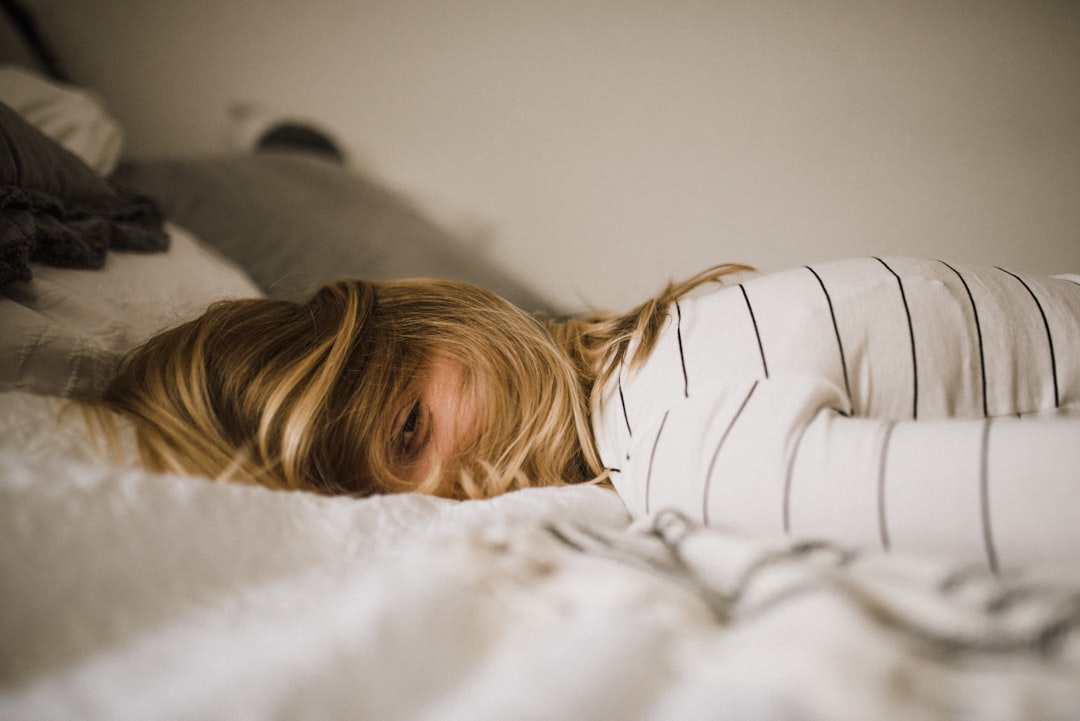
Photo by Kinga Howard on Unsplash
By The Longevity Dose Editorial Team · Evidence-reviewed · Last updated June 2026
These sleep and longevity statistics don’t just tell you sleep is important — they put hard numbers on exactly how much your nightly rest is shaping your lifespan, your physical function, and your risk of early death. Most people know they should sleep better. But seeing the actual data from population studies and cohort research has a way of making that vague priority feel urgent. According to the NIH National Institute on Aging, sleep disruption is now recognized as one of the most modifiable risk factors for accelerated aging — and the numbers below explain precisely why.
Key Takeaways
- Sleeping fewer than 6 hours per night is associated with a 13% higher all-cause mortality risk compared to sleeping 7-8 hours, according to a large meta-analysis published in Sleep Medicine Reviews.
- A 2026 cohort study of 4,536 Chinese centenarians found that regular, consistent sleep patterns were one of the top five lifestyle factors associated with surviving past age 100 (Source: Maturitas, 2026, PMID 41825263).
- Timing your moderate-to-vigorous exercise to align with your chronotype and sleep midpoint significantly modifies mortality risk — a finding from 75,509 UK Biobank participants tracked prospectively (Source: European Journal of Preventive Cardiology, 2026) and one explored in depth in our guide on exercise timing and longevity.
- Poor sleep quality, not just short duration, independently predicts physical decline and fall risk in older adults — meaning how well you sleep matters as much as how long (Source: Journal of Gerontology, 2026).
Why Sleep Is a Longevity Variable, Not Just a Lifestyle Choice
Most people think of sleep as the thing they sacrifice to get more done — and fewer realize that sitting time carries its own alarming longevity statistics on top of that. The data says that tradeoff is costing them years. Sleep is now firmly categorized alongside diet, exercise, and stress management as a core pillar of longevity science. And unlike some interventions that look promising in mice but fall apart in human trials, the sleep-mortality data in humans is large, consistent, and hard to dismiss.
Furthermore, sleep affects nearly every mechanism we know matters for biological aging: inflammation, cortisol regulation, cellular repair, glucose metabolism, and even telomere maintenance — and creatine’s surprising effects on sleep quality are one underappreciated piece of that puzzle. If you want to understand how sleep connects to your stress hormones and aging biology, the links run deeper than most people realize.
Sleep Duration and Mortality: The Numbers That Matter
Stat 1: Short Sleep Raises All-Cause Mortality Risk by 13%
13% higher mortality risk is associated with sleeping fewer than 6 hours per night compared to 7-8 hours. (Source: Meta-analysis, Sleep Medicine Reviews, Cappuccio et al.) This is a pooled finding across multiple large population studies, which makes it more reliable than any single cohort. In practice, that 13% risk elevation compounds over decades — it isn’t a rounding error.
Action: Treat your sleep floor as 7 hours minimum. Not as a luxury — as a cardiovascular and metabolic intervention.
Stat 2: Long Sleep Also Correlates with Early Death
Sleeping more than 9 hours is associated with a similarly elevated mortality risk in the same meta-analysis, suggesting the relationship is U-shaped rather than linear. (Source: Sleep Medicine Reviews, Cappuccio et al.) Importantly, long sleep is often a marker of underlying illness rather than a cause of death — but it’s still a signal worth noting if your sleep regularly runs past 9 hours without an obvious reason.
Action: If you consistently sleep 9+ hours and still feel unrefreshed, speak to your doctor. It may indicate something worth investigating, not just a sign you need more rest.
Stat 3: Centenarians Sleep Consistently — Not Just Long
Regular sleep patterns were among the top five lifestyle predictors of surviving past age 100 in a 2026 population-based longitudinal study of 4,536 Chinese centenarians. (Source: Maturitas, 2026, PMID 41825263.) The study looked at healthy lifestyle combinations and their association with survival in extreme old age. Consistency mattered — not just getting enough sleep on average, but keeping sleep and wake times stable day to day.
Action: Pick a bedtime and wake time and hold them seven days a week, including weekends. Social jet lag — the shift in sleep timing between workdays and free days — disrupts your circadian rhythm even when total sleep hours look fine.
Stat 4: Poor Sleep Predicts Physical Decline in Older Women
4,543 older women wearing hip-based accelerometers for 13 months showed that disrupted sleep and rest-activity rhythms were significantly associated with worse physical function and higher fall risk. (Source: Journal of Gerontology, 2026, PMID 42116597.) This matters because fall risk is one of the leading causes of functional decline and death in adults over 65 — and this study links it directly to sleep quality, not just age.
Action: Don’t wait for a fall to address sleep. If you’re waking frequently, struggling to stay asleep, or feeling unstable or foggy in the mornings, treat these as early warning signs of physical decline risk.
Sleep Timing, Exercise, and Mortality: The Chronotype Factor
Stat 5: When You Exercise Interacts With Sleep to Shape Mortality Risk
75,509 UK Biobank participants showed that the timing of moderate-to-vigorous physical activity (MVPA) relative to chronotype and sleep midpoint significantly modified mortality risk — independent of total activity volume. (Source: European Journal of Preventive Cardiology, 2026, PMID 41983447.) In plain terms: the same amount of exercise produced different longevity outcomes depending on whether it aligned with the person’s natural biological timing. This is a large, prospective cohort study, so it’s suggestive of a real relationship, though not yet definitive proof of causation.
Action: If you’re a natural evening person forced to exercise at 6 AM, your results may be blunted. When possible, schedule your workouts during the window when you feel most alert and energetic — this likely aligns better with your circadian biology. For more on how exercise type affects longevity, see our breakdown of Zone 2 training for longevity.
Stat 6: Sleep Midpoint Shifts Mortality Risk Independently
Sleep midpoint timing — the halfway point between falling asleep and waking — was an independent predictor of mortality risk in the same 75,509-person UK Biobank analysis. (Source: European Journal of Preventive Cardiology, 2026, PMID 41983447.) People with later sleep midpoints (a proxy for evening chronotype) showed different mortality outcomes compared to earlier sleepers, even after controlling for activity levels.
Action: Track your actual sleep midpoint using a wearable or sleep diary for two weeks. If it falls consistently after 3 AM (meaning you’re sleeping from 11 PM to 7 AM or later), consider whether your light exposure, meal timing, or evening routines are pushing your clock later than is ideal.
Stat 7: Living Alone Worsens Both Sleep Quality and Duration in Older Adults
10,473 observations from the Chinese Longitudinal Healthy Longevity Survey (2008-2018) found that transitions from living with others to living alone were significantly associated with declines in both sleep quality and sleep duration among adults over 65. (Source: International Journal of Aging and Human Development, 2026, PMID 42307442.) This is longitudinal data — meaning it tracked the same people over time — which gives it more weight than a simple cross-sectional snapshot.
Action: Social connection and living arrangements are genuine sleep variables. If you live alone and struggle with sleep, addressing social isolation may be as important as optimizing your bedroom environment — and the loneliness and longevity statistics make clear just how high the health stakes of isolation really are.
Sleep, Brain Health, and Aging: The Clearance System You Can’t Afford to Ignore
Stat 8: The Brain Clears Amyloid Waste Primarily During Deep Sleep
The glymphatic system — the brain’s waste-clearance network — is roughly 10 times more active during sleep than during wakefulness, according to research from Dr. Maiken Nedergaard’s lab at the University of Rochester. (Source: Science, 2013 — the foundational study that established glymphatic function in living brains.) During deep sleep, cerebrospinal fluid flushes through the brain, clearing amyloid-beta and tau — the proteins that accumulate in Alzheimer’s disease.
Action: Prioritize deep sleep by limiting alcohol close to bedtime — alcohol suppresses slow-wave sleep, and the closer to sleep you drink, the more of the night’s restorative architecture it disrupts, keeping your bedroom cool enough that you’re not waking from warmth, and considering magnesium glycinate before bed — a form with reasonable evidence for supporting sleep quality without next-day grogginess (and if you’re over 50, it’s worth reading about melatonin dosage for adults over 50, where less is often more). Thorne Magnesium Bisglycinate is one we find well-formulated for this purpose.
Stat 9: One Night of Sleep Deprivation Raises Amyloid Levels by Up to 5%
A single night of sleep deprivation increased amyloid-beta concentrations in cerebrospinal fluid by approximately 5% in healthy human volunteers. (Source: Lucey et al., JAMA Neurology, 2017.) This is a small human study, so it describes a short-term effect — not proof that one bad night causes Alzheimer’s. But it confirms the mechanism is active in real people, not just mice.
Action: Stop treating all-nighters as heroic. Each one is a measurable neurological event. Catching up on the weekend partially compensates, but the biology of sleep debt suggests the clearance backlog doesn’t simply reset — catching up at the weekend is better than nothing, but it doesn’t undo what the missed nights skipped.
Stat 10: Functional Competence Declines Predict Later Sleep Problems — Not Just the Reverse
A longitudinal Japanese study of community-dwelling older adults found that declines in higher-level functional competence — things like managing finances, using transportation, and social engagement — predicted subsequent worsening of sleep outcomes. (Source: Frontiers in Public Health, 2026, PMID 42293608.) This flips the usual framing: it’s not just that poor sleep causes decline. Decline causes poorer sleep, creating a feedback loop.
Action: Staying cognitively and socially active isn’t just good for your brain — it’s a legitimate sleep strategy. Think of tracking your biological age as a way to catch functional decline early, before it starts pulling down your sleep quality.
Sleep and Metabolic Health: Numbers That Connect the Dots
Stat 11: Short Sleepers Have a 48% Higher Risk of Developing Obesity
A 48% increased risk of obesity was found among short sleepers (under 6 hours) compared to normal sleepers, according to a meta-analysis of 30 studies covering over 600,000 adults and children. (Source: Sleep, Cappuccio et al., 2008.) Sleep restriction raises ghrelin (hunger hormone), suppresses leptin (satiety hormone), and impairs insulin sensitivity — a metabolic triple threat. This data is consistent across multiple populations and has been replicated many times since.
Action: If your weight management efforts aren’t working and you’re sleeping under 6 hours, sleep is your most logical first intervention — not a new diet. The hormonal disruption from poor sleep makes caloric discipline significantly harder.
Affiliate Disclosure: The Longevity Dose may earn a small commission if you purchase through the links below, at no additional cost to you. We only link products and books with a genuine research track record. Learn more.
What We Recommend
- Thorne Magnesium Bisglycinate. Magnesium glycinate is one of the best-studied supplements for improving sleep quality and reducing nighttime wakefulness — and Thorne’s bisglycinate form is highly bioavailable without the digestive side effects of cheaper forms. Relevant directly to Stats 8 and 9 in this post.
- Outlive: The Science and Art of Longevity — Dr. Peter Attia. Dr. Attia dedicates an entire chapter to sleep as a longevity lever, including his personal protocols for protecting deep sleep and why he considers it non-negotiable in his Medicine 3.0 framework. If these statistics motivated you, this book will give you the full picture.
What These Numbers Tell You About Your Sleep Strategy in 2026
The consistent thread across all 11 statistics is this: sleep isn’t a passive recovery process — it’s an active biological intervention you’re either performing well or skipping. The mortality data is large and human. The mechanistic data (glymphatic clearance, hormone disruption, circadian timing) explains why. And the newer 2026 cohort findings confirm that these effects persist all the way into extreme old age.
For a deeper dive into building a protocol around these numbers, our complete sleep optimization guide for longevity covers practical protocols by age group, supplement timing, light exposure, and wearable-based tracking strategies.
Sleep is the longevity intervention with zero cost and enormous upside. The data is in. The question now is what you do with it tonight.
Frequently Asked Questions
How many hours of sleep is best for longevity?
Most large population studies point to 7-8 hours per night as the sweet spot for lowest mortality risk. Sleeping fewer than 6 hours raises all-cause mortality risk by approximately 13%, and sleeping more than 9 hours is also associated with elevated risk — though in that case, the underlying health condition driving the long sleep is often the real culprit.
Does sleep quality matter as much as sleep duration?
Yes, and in some research it matters more. A 2026 study of over 4,500 older women (Journal of Gerontology, PMID 42116597) found that disrupted sleep quality and irregular rest-activity rhythms predicted physical decline and fall risk independently of total sleep time. Getting 8 hours of fragmented sleep isn’t the same as 7 hours of consolidated, restorative sleep.
Can poor sleep actually speed up aging at the cellular level?
Evidence indicates it can. Chronic short sleep is associated with shorter telomere length, elevated inflammatory markers, and impaired glymphatic brain clearance — all of which are recognized mechanisms of accelerated biological aging. Research from Dr. Maiken Nedergaard’s lab confirmed that the brain’s waste-clearance system is roughly 10 times more active during sleep, meaning skipped sleep means skipped cellular maintenance.
What time should I go to bed for optimal longevity?
The honest answer is: it depends on your chronotype. A 2026 study of 75,509 UK Biobank participants (European Journal of Preventive Cardiology, PMID 41983447) found that mortality risk was modified by both chronotype and sleep midpoint timing. More important than a specific clock time is consistency — keeping your sleep and wake times stable every day reduces circadian disruption, which is independently linked to worse health outcomes.
Does magnesium actually help with sleep?
Magnesium glycinate has reasonable human evidence for improving sleep quality, particularly in people who are deficient or in the low-normal range — and if you’re over 50, it’s worth understanding which form of magnesium actually works for sleep before assuming you’re fine. 40. It appears to support GABA activity and muscle relaxation without next-day sedation. It’s not a sleep drug, and it won’t override poor sleep hygiene, but as part of a broader protocol it’s one of the better-supported options available without a prescription.
Is it true that living alone worsens sleep as you age?
Longitudinal data from China suggests yes. A study tracking 10,473 older adults across 10 years (International Journal of Aging and Human Development, 2026, PMID 42307442) found that transitioning to living alone was associated with measurable declines in both sleep quality and duration. Social isolation appears to be a genuine sleep risk factor in older adults, not just a quality-of-life issue.
Liked This? Keep Reading.
Get the next post in your inbox. Real science on longevity, supplements, and fitness — no hype.
Drop your email below. Weekly. No spam. Unsubscribe anytime. ↓