
Brain Aging After 40: The Complete Guide to Protecting Cognition
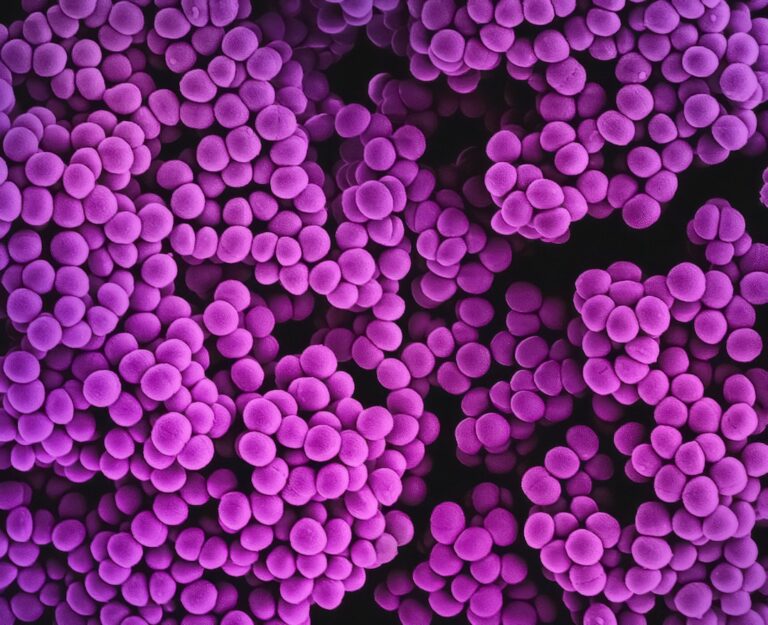
Photo by Mariela Ferbo on Unsplash
By The Longevity Dose Editorial Team · Evidence-reviewed · Last updated July 2026
Brain aging after 40 is real, measurable, and already underway in most people — but the latest science makes clear that how fast it progresses is largely within your control. Cognitive decline isn’t a light switch that flips at 65. It’s a slow process that begins in midlife, shaped daily by your sleep, movement, metabolic health, and social connections. A landmark 2026 study in Nature Medicine analyzing brain scans from 18,701 people across 34 countries found that physical and social environmental factors — not just genetics — are among the strongest predictors of brain age. That means most of the levers that protect your brain are ones you can actually pull.
Key Takeaways
- A 2026 Nature Medicine study of 18,701 people across 34 countries confirmed that lifestyle and environmental factors — not just genetics — are primary drivers of accelerated brain aging.
- Physical activity is the single most powerful brain-protective intervention with strong human evidence: a 2026 Neurology study found that adults over 80 with fast gait speeds had significantly lower rates of cognitive impairment.
- Sleep, omega-3 intake, cardiovascular fitness, and blood glucose control each have meaningful human trial evidence for slowing cognitive decline — and all are modifiable starting today.
- Most brain-protective supplements are promising but not yet proven in large human trials — creatine and omega-3s have the strongest evidence; others like lion’s mane are early-stage.
In This Guide
- What Actually Happens to Your Brain After 40
- How Brain Aging Is Measured in 2026
- Exercise: The Strongest Brain-Protective Tool You Have
- Sleep: The Non-Negotiable Brain Health Factor
- Nutrition, Metabolic Health, and Your Brain
- Cognitive Stimulation and Social Connection
- Supplements for Brain Health: What the Evidence Actually Says
- Your Practical Brain Protection Protocol
What Actually Happens to Your Brain After 40
Brain volume begins declining in your 30s, and the pace of that shrinkage accelerates meaningfully after 60. But volume alone isn’t the whole story. The more important changes involve processing speed, working memory, and the brain’s ability to form new connections — what neuroscientists call neuroplasticity.
White matter integrity — the quality of the “wiring” connecting different brain regions — begins degrading in your 40s. This is why you start finding words a half-second slower, or why multitasking feels harder than it did at 35. These aren’t signs of disease. They’re normal biology. But normal doesn’t mean inevitable at its worst expression.
The Difference Between Normal Aging and Accelerated Decline
Here’s the critical distinction. Normal brain aging involves gradual, modest changes that don’t significantly impair your daily function. Accelerated brain aging involves faster structural deterioration, often linked to inflammation, poor metabolic health, chronic sleep debt, and cardiovascular risk factors.
A 2026 study in Nature Communications (PMID 41963296) computed Brain Age Gap scores — the difference between your chronological age and your predicted brain age based on MRI data — across thousands of participants and found that exposome-wide factors (everything from air quality to social isolation) explained meaningful variance in how fast individual brains aged. Your brain age and your birthday age don’t have to match.
Separately, a 2026 metabolomics study in Molecular Psychiatry (PMID 42337012) used UK Biobank data to identify plasma metabolic markers associated with accelerated brain aging, including disrupted pathways in energy metabolism. This is early research, but it points toward blood-based biomarkers that may one day let us catch accelerated brain aging before symptoms appear.
How Brain Aging Is Measured in 2026
Cognitive testing used to be the only tool doctors had. Now researchers use several approaches, and understanding them helps you interpret what you read.
Brain Age Gap (BAG)
BAG uses machine learning applied to structural MRI scans to predict a person’s age based purely on brain anatomy. If the algorithm thinks your brain looks 55 but you’re 48, your BAG is +7 — meaning your brain appears older than it should. A negative BAG (brain looks younger than chronological age) is associated with better cognitive outcomes in most studies.
Cognitive Biomarkers in Blood
Plasma phosphorylated tau (p-tau 217) has emerged as a reliable early indicator of Alzheimer’s-related pathology, now available through some specialty labs. Neurofilament light chain (NfL) is another blood marker that reflects neuronal damage and correlates with cognitive decline rate. These aren’t routine tests yet, but they’re moving in that direction fast. Our guide to longevity biomarkers to track in 2026 covers several of these in more depth.
Functional Tests You Can Do at Home
Processing speed, reaction time, and dual-task performance are all measurable with simple assessments. Interestingly, physical tests also predict brain health. Research links slower gait speed and poor balance with higher dementia risk — our post on the single-leg balance test explains the connection in detail. Similarly, grip strength by age is one of the most validated physical proxies for overall biological aging, including brain health.
Exercise: The Strongest Brain-Protective Tool You Have
If there’s one intervention with clear, consistent, human-trial evidence for protecting the aging brain, it’s physical activity. Not a supplement. Not a drug. Movement.
A landmark 2026 study in Neurology (PMID 42302219) examined “super movers” — people aged 80 and older with gait speeds at least 1.5 standard deviations above age- and sex-adjusted norms. Super movers had significantly lower rates of incident cognitive impairment and slower trajectories of cognitive decline compared to their less active peers. They also showed healthier brain biomarkers and younger biological ages. This is a human observational study, not an RCT, so causation isn’t perfectly established — but it adds to a mountain of existing evidence pointing the same direction.
Aerobic Exercise and the Hippocampus
The hippocampus — the brain region most critical for memory formation — actually shrinks with age. But aerobic exercise reverses this. A frequently cited RCT by Dr. Kirk Erickson and colleagues (published in PNAS, 2011) showed that 12 months of moderate aerobic exercise increased hippocampal volume in older adults, effectively reversing a meaningful period of age-related atrophy — a finding that has held up in subsequent replication work. The mechanism involves brain-derived neurotrophic factor (BDNF), sometimes called “Miracle-Gro for the brain.”
Cardiovascular fitness, measured by VO2 max, is one of the strongest predictors of long-term brain health. We’ve covered why VO2 max predicts longevity better than almost any other metric — and brain aging is a key part of that story. Our complete longevity exercise guide covers the full spectrum of what the evidence supports.
Strength Training and Cognitive Function
Resistance training independently benefits the brain, likely through different pathways than aerobic exercise — including reduced insulin resistance, lower systemic inflammation, and improved cerebral blood flow. Evidence strength: Strong for aerobic exercise (multiple RCTs). Moderate for resistance training (fewer large trials, but consistent direction).
The practical implication: do both. Zone 2 cardio 3-4 times per week plus strength training 2-3 times per week gives you the broadest neurological protection.
Sleep: The Non-Negotiable Brain Health Factor
Sleep isn’t passive recovery. It’s when your brain runs its primary waste-clearance system — the glymphatic system — which flushes out amyloid-beta and tau proteins, the same proteins that accumulate in Alzheimer’s disease.
One night of sleep deprivation measurably increases amyloid-beta accumulation in the human brain, as demonstrated in a 2017 study by Dr. Ehsan Shokri-Kojori and colleagues at the NIH. Chronic short sleep (under 6 hours or over 9 hours) is associated with higher dementia risk in large epidemiological studies, including the Whitehall II cohort study published in Nature Communications in 2021, which found that consistently sleeping 6 hours or less at age 50 was associated with a 30% increased risk of developing dementia.
What Good Sleep Actually Looks Like for Brain Health
Most adults need 7-9 hours. But quality matters as much as quantity. Deep sleep (slow-wave sleep) is when glymphatic clearance is most active. REM sleep is critical for memory consolidation and emotional regulation. Both decline with age — which is why sleep architecture matters, not just total hours.
Alcohol disrupts deep sleep architecture significantly, even at moderate doses. This is one of the clearest reasons the “one glass of wine is good for you” narrative has fallen apart in recent research. Our analysis of sleep optimization for longevity covers the full protocol, including temperature, light exposure, and the limited evidence for supplements like magnesium. Speaking of which: if you’re using magnesium to improve sleep, the form matters — see our breakdown of magnesium threonate vs glycinate for the specifics.
Evidence strength for sleep as a brain protector: Strong observational evidence. Mechanistic evidence from human studies is also strong. True RCTs are ethically difficult to run, but the data convergence is compelling.
Nutrition, Metabolic Health, and Your Brain
Your brain is composed largely of fat by dry weight — making the quality of dietary fat you consume directly relevant to the substrate it works with every day. It consumes a disproportionate share of your body’s total energy — far more than its size alone would suggest — which is why metabolic health and fuel quality matter so directly to cognitive function. What you eat shapes the substrate your brain works with every single day.
Omega-3 Fatty Acids
DHA (docosahexaenoic acid) is the predominant omega-3 in brain tissue, and it’s not something your body makes efficiently on its own. Low DHA status is consistently associated with faster cognitive decline and smaller brain volume in aging adults. A 2022 meta-analysis published in Nutrients found that higher omega-3 intake was associated with better cognitive outcomes, though individual RCTs have shown mixed results depending on baseline omega-3 status.
The key nuance: omega-3 supplementation appears most beneficial in people who are actually deficient. Testing your omega-3 index tells you whether you need to supplement or just eat more fatty fish. What counts as an optimal omega-3 index for brain health is not a threshold this blog can hand you — discuss your result with your doctor, who can weigh it against your diet, your labs, and your cardiovascular history.
Blood Glucose and the Diabetic Brain
Type 2 diabetes is consistently associated with substantially elevated risk of developing Alzheimer’s disease across multiple large epidemiological studies — the magnitude of that association varies by study, but the direction is not in dispute. But even sub-diabetic blood glucose dysregulation — the kind that doesn’t show up as a diabetes diagnosis but registers on a continuous glucose monitor — is associated with faster brain aging. Chronically elevated glucose promotes advanced glycation end products (AGEs) in brain tissue and drives neuroinflammation.
Keeping fasting glucose low and managing post-meal spikes is genuinely protective for the brain — not just the cardiovascular system; what your target number should be is a conversation with the clinician who can see your full metabolic picture. This is one reason the ketogenic diet shows promise for certain cognitive conditions: not necessarily because of the fat content, but because of the dramatic reduction in blood glucose volatility.
The Mediterranean and MIND Diets
The MIND diet (Mediterranean-DASH Intervention for Neurodegenerative Delay) was specifically designed for brain protection. It emphasizes leafy greens, berries, fish, olive oil, nuts, and whole grains while limiting red meat, butter, and ultra-processed food. Observational data from the Rush Memory and Aging Project found that close adherence to the MIND diet was associated with meaningfully slower cognitive aging — a substantial difference, though as cohort data the usual confounding caveats apply. This is cohort data, not an RCT, so the usual caveats apply — but the dietary pattern is consistent with broader longevity evidence.
Cognitive Stimulation and Social Connection
The brain benefits from being used, and it deteriorates faster when it isn’t. Cognitive reserve — the brain’s ability to compensate for damage by using alternative networks — is built through education, mentally demanding work, and lifelong learning. Higher cognitive reserve is associated with later onset of dementia symptoms, even in people whose brains show significant Alzheimer’s-related pathology on autopsy.
Digital Engagement and Cognitive Aging
A 2026 longitudinal study in the International Journal of Nursing Studies (PMID 41621340) examined how internet use relates to cognitive trajectories in middle-aged and older adults across two large cohorts. The findings suggested that first-time internet engagement was associated with slower cognitive decline over time — consistent with the idea that novel mental stimulation, including digital literacy challenges, may support brain health. This is observational data, and the authors acknowledged limitations, but the direction is biologically plausible and consistent with broader cognitive reserve research.
Passive consumption — scrolling social media, watching television — probably doesn’t count. Active cognitive engagement means learning something new, solving problems, or working in a domain that’s genuinely challenging for you.
Loneliness Is a Biological Risk Factor
Social isolation isn’t just unpleasant — it’s physiologically harmful to the brain. Chronic loneliness activates stress pathways, raises cortisol, promotes neuroinflammation, and is associated with accelerated hippocampal atrophy. A 2026 Nature Medicine study (PMID 41933172) examining brain age across 34 countries explicitly found that social exposomal factors — including social cohesion and isolation — were among the variables most significantly associated with brain age gap scores. In plain terms: being isolated ages your brain faster, and this shows up in brain scans.
This isn’t soft science. Loneliness and social isolation appear in multiple large studies as risk factors for cognitive decline comparable in magnitude to mild physical inactivity. Prioritizing meaningful relationships is a legitimate brain health intervention.
Supplements for Brain Health: What the Evidence Actually Says
The supplement market for brain health is enormous and mostly built on hope, not solid evidence. Here’s an honest breakdown of what the science actually supports as of 2026.
| Supplement | Evidence Level | What It May Do | Honest Verdict |
|---|---|---|---|
| Creatine | Moderate (multiple human RCTs) | Working memory, processing speed | Worth taking, especially after 50 |
| Omega-3 (DHA/EPA) | Moderate (mixed RCTs) | Brain structure, cognitive decline rate | Test your index first; supplement if below 8% |
| NAD+ precursors (NMN/NR) | Early human trials | Neuronal energy metabolism | Promising, not proven for brain specifically |
| Lion’s Mane | Weak (small human trials) | NGF stimulation, mild cognitive benefits | Intriguing but not proven at scale |
| Phosphatidylserine | Weak to moderate | Memory, attention in older adults | Some signal; evidence is dated and mixed |
| Bacopa Monnieri | Weak to moderate | Memory consolidation | Low risk, modest evidence — may be worth trying |
| Ginkgo Biloba | Weak (large RCTs negative) | Previously thought to improve circulation | Large trials failed — not recommended |
Creatine for Brain Health
Most people know creatine as a muscle supplement. But creatine is also a critical energy substrate in the brain. Neurons rely on phosphocreatine to rapidly regenerate ATP during high-demand cognitive tasks. Several human RCTs have found that creatine supplementation improves working memory and processing speed, particularly in older adults and people who don’t eat much meat (since meat is the primary dietary source).
A 2022 meta-analysis in Nutritional Reviews pooled data from multiple human trials and found significant improvements in memory tasks with creatine supplementation. The effect size is modest but real, the safety profile is excellent, and the cost is low. Thorne Creatine Monohydrate is NSF Certified for Sport and is the form used in the vast majority of human trials — 3-5g daily is the standard dose.
NAD+ Precursors and Brain Aging
NAD+ declines with age across all tissues, including the brain. Animal studies consistently show that restoring NAD+ levels improves neuronal function and reduces markers of neurodegeneration. Human trials are in early stages specifically for brain outcomes, but the NAD+ pathway is biologically compelling. Our complete guide to NAD+ and NMN covers this in detail. For now: promising but not yet proven specifically for human brain aging.
Your Practical Brain Protection Protocol
Here’s what the totality of 2026 evidence supports as a practical, sustainable brain health protocol for adults over 40. This isn’t a list of things to do all at once — it’s a hierarchy. Start with the high-leverage items first.
Tier 1: Non-Negotiable (Strongest Evidence)
- Aerobic exercise, 150+ minutes per week. Zone 2 cardio — where you can hold a conversation but only just — is ideal. Aim for 3-5 sessions weekly.
- Strength training, 2-3 times per week. Both large-muscle compound movements and variety matter for neurological benefit.
- 7-9 hours of sleep, consistently. Sleep debt is not recoverable on weekends in the way most people assume.
- Blood glucose management. Keep fasting glucose ideally below 90 mg/dL. Reduce ultra-processed food and refined carbohydrates.
- Social engagement. Minimum weekly face-to-face connection with people you care about. Not optional for brain health.
Tier 2: High Value (Good Evidence)
- Omega-3s. Test your omega-3 index. If below 8%, supplement with EPA+DHA daily from a quality fish oil or algae oil, at a dose your doctor or dietitian confirms is appropriate for your result.
- Mediterranean or MIND diet pattern. At least 2 servings of fatty fish per week, daily leafy greens, berries 4-5 times per week, olive oil as primary fat.
- Blood pressure control. Hypertension is one of the most modifiable risk factors for vascular dementia. Target under 120/80 mmHg.
- Cognitive challenge. Learn something genuinely new — a language, an instrument, a complex skill — not just puzzles.
Tier 3: Reasonable Additions (Moderate or Early Evidence)
- Creatine monohydrate: 3-5g daily. Low risk, reasonable cognitive signal, clear muscle benefit as a bonus.
- Magnesium (threonate or glycinate): a dose of elemental magnesium before bed, at whatever amount your doctor or the product’s prescribing information supports for your bodyweight and kidney function. Supports sleep quality, which in turn supports glymphatic clearance.
- NAD+ precursors (NR or NMN). Early human evidence is suggestive. Not yet proven specifically for brain outcomes, but the mechanistic case is strong.
What to Avoid
- Chronic alcohol use — disrupts deep sleep and directly toxic to neurons at higher doses.
- Chronic sleep deprivation — the fastest way to accelerate amyloid accumulation.
- Prolonged social isolation — genuinely harmful, not just unpleasant.
- Sedentary behavior — even when you exercise, prolonged sitting independently predicts faster cognitive decline.
Affiliate Disclosure: The Longevity Dose may earn a small commission if you purchase through the links below, at no additional cost to you. We only recommend products we genuinely believe in. Learn more.
What We Recommend
- Thorne Creatine Monohydrate. Of all the brain health supplements, creatine has the most consistent human trial data for cognitive benefit — and it doubles as one of the best-evidenced muscle-preservation supplements for adults over 40. NSF Certified for Sport, 3-5g daily.
- Tru Niagen (NAD+ Precursor — NR). NAD+ decline in neurons is a legitimate mechanism of brain aging, and Tru Niagen is the most studied NR supplement — used in multiple human clinical trials. The brain-specific evidence is still emerging, but the metabolic case is compelling for adults over 50.
- Lifespan: Why We Age — David Sinclair. Dr. Sinclair’s foundational book explains the information theory of aging in terms any motivated non-scientist can understand — including why the brain is uniquely vulnerable and what emerging science suggests about reversing biological age.
Frequently Asked Questions
Does brain aging actually start at 40, or is that an exaggeration?
Brain aging begins in your late 20s and early 30s in some measurable ways, but the changes become more functionally noticeable in your 40s. Processing speed and working memory show the most consistent midlife decline. This isn’t catastrophic — it’s gradual — but it’s real, and it’s why the habits you build at 40 matter enormously for where you are at 70.
What’s the single most important thing I can do to protect my brain?
Exercise — specifically a combination of aerobic exercise and strength training. The evidence for physical activity’s neuroprotective effects is stronger and more consistent than for any supplement, diet, or drug. A 2026 Neurology study found that adults in their 80s who maintained fast gait speeds had significantly lower rates of cognitive impairment. Movement is the most powerful brain-protective tool available to you right now.
Can you actually reverse brain aging, or only slow it?
Some aspects appear genuinely reversible. Aerobic exercise can increase hippocampal volume in older adults — reversing measurable age-related shrinkage. Improving sleep quality reduces amyloid accumulation. Treating hypertension lowers vascular dementia risk substantially. “Reversing” complete aging isn’t possible with current tools, but slowing, halting, and partially reversing specific mechanisms is supported by real human evidence.
Is dementia preventable?
A 2020 Lancet Commission report identified 12 modifiable risk factors collectively responsible for up to 40% of dementia cases worldwide — including physical inactivity, hypertension, hearing loss, smoking, depression, social isolation, and air pollution. That means roughly 40% of dementia cases are theoretically preventable through lifestyle and environmental changes. Genetics matter, but they don’t write the whole story. Addressing modifiable factors starting in midlife is the strongest prevention strategy we have.
Does creatine actually help brain function?
Yes, with caveats. Creatine is an energy substrate in brain tissue, and multiple human RCTs show modest improvements in working memory and processing speed, particularly in older adults and people with low dietary creatine intake (vegetarians and people who eat little meat). A 2022 meta-analysis in Nutritional Reviews confirmed the signal. The effect isn’t dramatic, but the safety profile is excellent and the dose is low (3-5g/day), making it a reasonable addition for most adults over 40.
Are there early warning signs of accelerated brain aging I should watch for?
Watch for worsening word retrieval beyond what seems normal, difficulty with tasks that require divided attention, new problems with navigation or spatial reasoning, and notable changes in mood regulation or impulse control. Physically, slower gait speed, reduced grip strength, and poor single-leg balance all correlate with brain health. If you notice a clear step-change rather than gradual changes, talk to your doctor — some causes of accelerated cognitive decline are treatable when caught early.
Liked This? Keep Reading.
Get the next post in your inbox. Real science on longevity, supplements, and fitness — no hype.
Drop your email below. Weekly. No spam. Unsubscribe anytime. ↓