Cold Plunge After Strength Training Is Hurting You
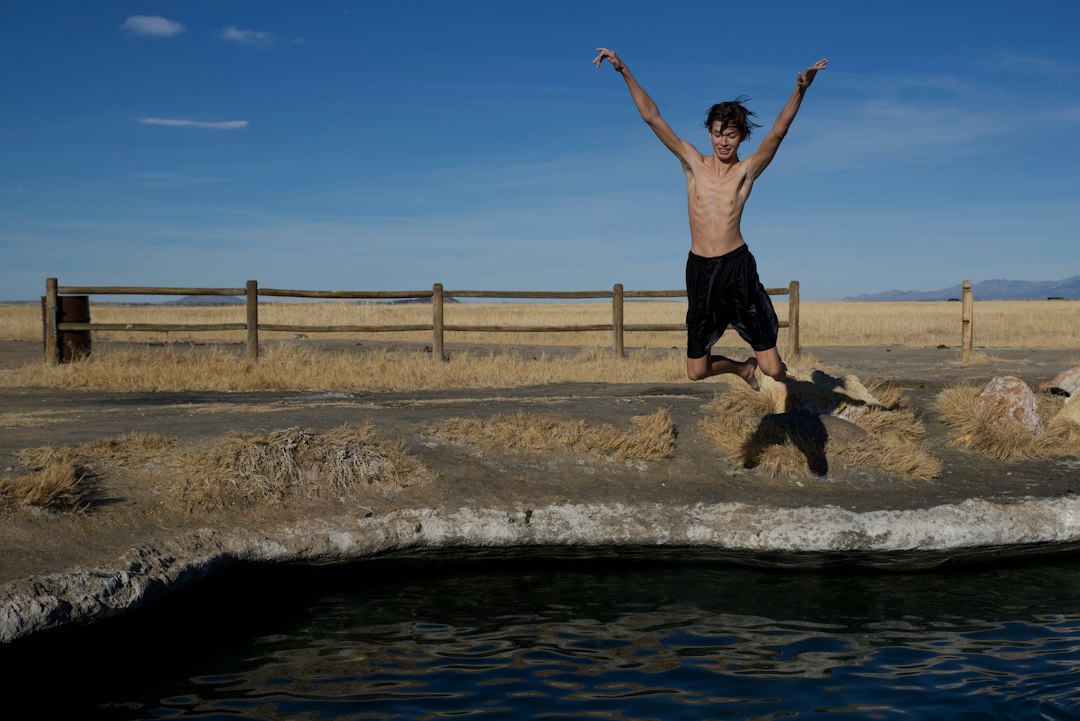
Photo by Tim Wilson on Unsplash
By The Longevity Dose Editorial Team · Evidence-reviewed · Last updated September 2026
The cold plunge after a lifting session feels disciplined, even virtuous. But the evidence as of 2026 tells a different story: repeated cold water immersion muscle recovery protocols, applied immediately after strength training, appear to suppress the very molecular processes that make your muscles grow. I’m not talking about a subtle effect at the margins. A 2026 review published in Experimental Physiology described it plainly as a “recovery-adaptation paradox” — the same cold protocols that ease soreness and calm your nervous system also blunt the cellular machinery of skeletal muscle hypertrophy when used repeatedly. If you’re over 40 and fighting sarcopenia, that’s not a trade-off you can afford to ignore.
Key Takeaways
- A 2026 review in Experimental Physiology (PMID 42667675) found that repeated cold water immersion after strength training suppresses the molecular and cellular machinery of skeletal muscle hypertrophy.
- A 2026 study comparing cold water immersion to active recovery (PMID 42487262) found cold immersion altered oxidative stress markers and blunted mitochondrial adaptation signals after strength sessions.
- Cold water immersion is most defensible for athletes needing rapid recovery between competitions — not for people training to build muscle and slow aging over the long term.
- Timing matters: separating cold exposure from strength training by several hours, or reserving it for non-training days, is a more rational protocol if you still want both benefits.
Why Cold Plunge Became Everyone’s Post-Workout Ritual
I understand the appeal. The cold plunge culture exploded over the past few years — podcasts, athletes, CEOs, all swearing by the ritual. And to be fair, cold water immersion does real things. It reduces perceived muscle soreness. It accelerates parasympathetic nervous system reactivation after intense exercise. It genuinely feels like recovery.
The problem is that “feeling recovered” and “actually adapting” are two different biological events. The soreness that cold suppresses? Some of that soreness is the signal. It’s the inflammatory cascade that kicks off protein synthesis, satellite cell activation, and ultimately the hypertrophic response that makes your muscles bigger and stronger over time. When you ice that response down, you don’t just mute the pain — you mute part of the process.
This matters enormously for anyone using strength training as a longevity strategy, which, if you’re reading this, is probably you.
What the 2026 Research Actually Says About Cold Water Immersion Muscle Recovery
Let me be specific, because this is where most coverage gets sloppy. The 2026 Experimental Physiology review (PMID 42667675) is probably the clearest statement we have on this paradox in the current literature. Its core finding: cold water immersion accelerates parasympathetic reactivation and reduces perceived soreness, but the same protocols suppress the molecular and cellular machinery of skeletal muscle hypertrophy when applied repeatedly. The word “repeatedly” matters. A single post-workout cold plunge may not be catastrophic. It’s the habit — the protocol — that creates the problem.
A separate 2026 study published in Experimental Physiology (PMID 42487262) compared cold water immersion directly to active recovery after strength training sessions. Researchers found time effects on blood oxidative stress markers and observed that cold immersion altered redox-related gene expression and mitochondrial adaptation signals compared to active recovery. Mitochondrial adaptations are not a side benefit of strength training. They’re central to metabolic health, energy production, and longevity. If cold immersion is blunting those adaptations, that’s a serious concern for anyone training with long-term health in mind.
A 2026 systematic review and network meta-analysis in Healthcare (Basel) (PMID 42194413) examined how different recovery strategies — including cold water immersion, massage, and active recovery — affect explosive performance and markers of muscle damage across different time windows. The findings reinforce that cold immersion’s benefits are most relevant in acute, short-term recovery windows rather than in chronic training contexts aimed at building capacity.
The Hormesis Angle Most People Miss
Here’s the framing I think is most useful. Strength training works through hormesis: you apply a stressor, the body overshoots in its repair response, and you end up stronger than before. Cold water immersion is also a hormetic stressor. You’re stacking two hormetic stressors, but in a sequence where the second one partially cancels the adaptation signal from the first. It’s not that cold is bad. It’s that cold immediately after lifting is badly timed.
If you want to understand hormesis more deeply, we’ve covered it at length in our guide on hormesis and beneficial stress — the timing and sequencing of stressors is as important as the stressors themselves.
The Counterargument: But Athletes Use Cold All the Time
I hear this constantly, and it’s worth taking seriously. Elite sport has used cold water immersion for decades. Many high-level athletes swear by it. A 2026 systematic review in Frontiers in Sports and Active Living (PMID 42491492) did confirm that cold water immersion supports performance recovery and physiological markers in athletes — particularly in sports contexts.
But here’s the distinction that gets glossed over: elite athletes are often using cold immersion to recover between competition days, not between hypertrophy sessions. A rugby player who plays Saturday and needs to play again Wednesday has a fundamentally different goal than a 50-year-old trying to build muscle mass and preserve it for the next four decades. The rugby player’s goal is performance restoration for a near-term event. Your goal is structural tissue adaptation over years.
When the goal shifts from “recover fast for the next game” to “build the most muscle and mitochondrial capacity possible,” cold water immersion’s cost-benefit calculus changes completely. The research actually supports this distinction. A 2026 meta-analysis in PeerJ (PMID 42473449) examined the temporal dynamics of muscle strength recovery following acute cold water immersion and found that the timing and context of application are central to whether the outcome is net positive or net negative.
Age Makes This More Consequential, Not Less
The stakes here are higher if you’re in your 40s, 50s, or 60s. Muscle protein synthesis rates decline with age. The anabolic response to a given training session is already blunted compared to a 25-year-old. You’re already working with a smaller margin. Layering a cold plunge on top of every strength session, and suppressing the inflammatory response that drives adaptation, may mean you’re working hard in the gym for less return than you’d otherwise get.
We cover this in detail in our guide to preventing sarcopenia after 40 — muscle maintenance requires not just the training stimulus but the full downstream biological cascade that follows it. Don’t short-circuit that cascade right after you’ve worked so hard to trigger it.
What I Actually Recommend: The Rational Cold Plunge Protocol
My position is not “never cold plunge.” My position is “don’t cold plunge immediately after strength training if building or preserving muscle is your goal.” There’s a meaningful difference.
Here’s how I’d think about structuring it:
- Strength training days: Skip the cold plunge, or separate it by at least several hours if you genuinely need it. Let the post-exercise inflammatory response do its job for a few hours before you suppress it.
- Cardio-only days or rest days: Cold water immersion is far more defensible here. You’re not interfering with a hypertrophy signal because you haven’t generated one.
- If you train twice daily: Cold immersion between sessions, to speed recovery before the second session, may be worth the trade-off. That’s the closest parallel to the elite athlete use case where the evidence is stronger.
- Morning cold exposure (not post-workout): A morning cold shower or plunge before training, rather than after, avoids the timing conflict entirely and still provides the parasympathetic and alertness benefits many people value.
And on the nutrition side of recovery: don’t neglect protein. Adequate protein intake is non-negotiable for post-workout adaptation. If you’re over 60, read our breakdown of how much protein you actually need — most people in this age group are still under-eating it. On the supplementation side, if you’re serious about preserving muscle, creatine after 50 has the strongest evidence base of any supplement in this space, and it’s one I think most people should be on.
Affiliate Disclosure: The Longevity Dose may earn a small commission if you purchase through the links below, at no additional cost to you. We only recommend products we genuinely believe in. Learn more.
What We Recommend
- Thorne Creatine Monohydrate. If you’re avoiding the cold plunge after strength training to preserve your hypertrophic signal, creatine is the one supplement that genuinely supports that signal from the inside. NSF Certified for Sport, third-party tested, and the most research-backed supplement for muscle and strength in people over 40.
The Honest Bottom Line on Cold Plunge Timing
Cold water immersion is not a scam. Its recovery benefits are real, and the parasympathetic and soreness-reduction effects are well-documented. But the longevity-focused question is never just “does this work?” It’s “does this work in the context of my actual goals, in this sequence, at this life stage?”
For people over 40 who are training to build and preserve muscle — which is one of the most reliable things you can do to extend healthspan — the evidence now clearly identifies a conflict. Routine cold water immersion immediately after strength training suppresses the adaptation signal you just paid for with hard work. That’s a bad trade.
Use cold strategically. Keep it away from your lifting sessions. And let the inflammatory cascade that follows your training do the job it evolved to do. The discomfort of delayed-onset soreness, as annoying as it is, is part of the process. Don’t mute the signal.
Frequently Asked Questions
Does cold water immersion prevent muscle growth?
Repeated cold water immersion applied immediately after strength training appears to suppress the molecular signals that drive skeletal muscle hypertrophy, according to a 2026 review in Experimental Physiology (PMID 42667675). This doesn’t mean a single cold plunge will erase your gains, but making it a routine post-lifting habit may blunt your adaptation over time. The effect is most concerning for people who are already dealing with age-related reductions in anabolic response.
Is cold plunge okay after cardio?
Yes, cold water immersion after cardio-only sessions is much more defensible than after strength training. You’re not interfering with a hypertrophic signaling cascade because you haven’t triggered one. The recovery and parasympathetic benefits of cold immersion are well-supported by research, and in a cardio context those benefits don’t carry the same trade-off cost.
How long should I wait after lifting before a cold plunge?
The research doesn’t yet give us a precise window, and I won’t invent one. What the 2026 evidence suggests is that the immediate post-exercise period — when the acute inflammatory response is active — is the window to protect. Waiting several hours before cold exposure is a more conservative and rational approach than plunging right after your last set. On strength training days, many coaches now recommend saving cold exposure for the evening if you lift in the morning.
What’s the best recovery method after strength training?
Active recovery — light movement, walking, easy cycling — comes out well in the 2026 network meta-analysis in Healthcare (Basel) (PMID 42194413) when the goal is preserving adaptation while managing soreness. Adequate protein intake, sleep, and hydration remain the foundation. Cold water immersion is better positioned as a recovery tool between competition days than as a routine post-strength-training protocol.
Does cold water immersion affect mitochondria?
A 2026 study in Experimental Physiology (PMID 42487262) found that cold water immersion after strength sessions altered redox-related gene expression and blunted mitochondrial adaptation signals compared to active recovery. Mitochondrial health is central to metabolic function and longevity, so this is not a trivial finding. More research is needed to quantify the long-term impact, but the direction of the effect is concerning for those training with health and longevity as the primary goal.
Should I cold plunge in the morning before training instead?
Morning cold exposure before training avoids the timing conflict entirely. You get the alertness, sympathetic activation, and mood benefits of cold immersion without interfering with the post-training adaptation window. This is a reasonable protocol for people who want both cold exposure and optimal training adaptation. The evidence doesn’t suggest any meaningful downside to pre-training cold exposure for strength outcomes.
Liked This? Keep Reading.
Get the next post in your inbox. Real science on longevity, supplements, and fitness — no hype.
Drop your email below. Weekly. No spam. Unsubscribe anytime. ↓