Sulforaphane vs NMN: Which Is Better for Longevity?
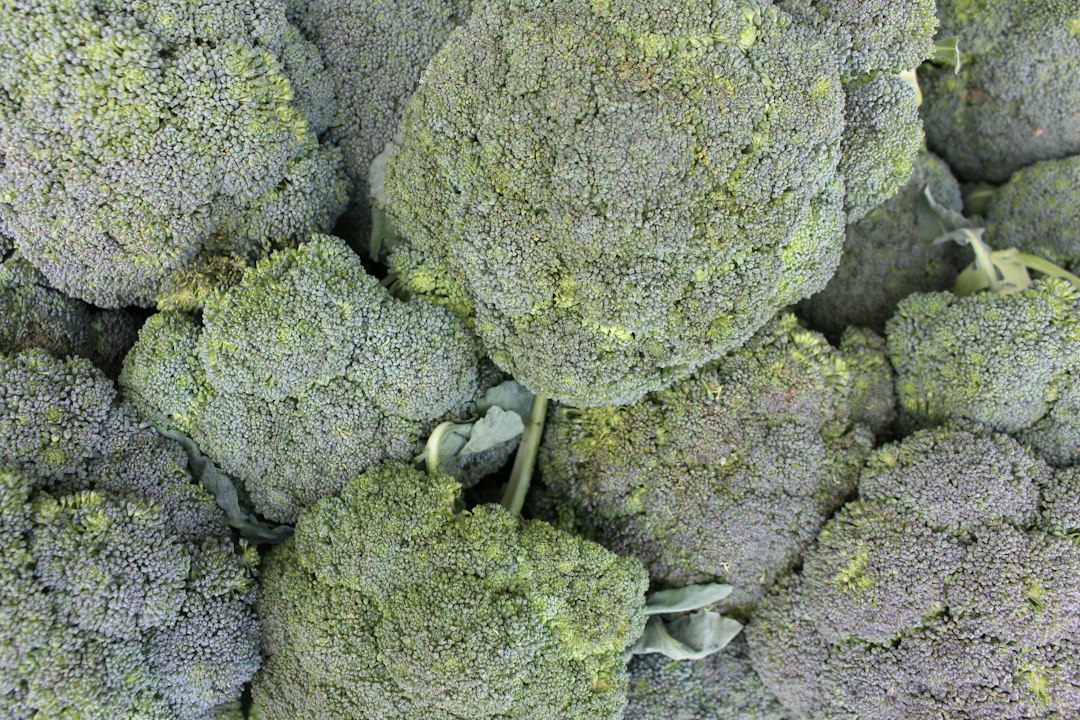
Photo by Daniel Dan on Unsplash
By The Longevity Dose Editorial Team · Evidence-reviewed · Last updated September 2026
Neither sulforaphane nor NMN has human evidence showing it extends lifespan, so neither is clearly “better” as of 2026. But you’re probably asking because you want to spend money on one thing, not five. That’s fair. And there’s a third option worth putting on the table: spermidine for longevity, which picked up new human trial data this year. NMN got famous through Dr. David Sinclair at Harvard. Sulforaphane is backed by decades of work on broccoli compounds. Spermidine’s biggest champion is Dr. Frank Madeo’s group at the University of Graz. Here’s how all three actually stack up.
Key Takeaways
- No human trial has shown that sulforaphane, NMN, or spermidine extends lifespan in people as of 2026.
- A 2026 pilot randomized trial in Aging Cell (PMID 42169618) reported that spermidine reduced markers of immune cell senescence and improved vaccine responses in healthy older adults.
- The most practical approach is food first: broccoli sprouts for sulforaphane, and wheat germ, aged cheese, soy, and mushrooms for spermidine.
- NMN reliably raises NAD+ in human blood, but a higher NAD+ reading has not yet translated into proven healthier aging.
What Do Sulforaphane, NMN, and Spermidine Actually Do?
Sulforaphane, NMN, and spermidine target different parts of the aging process — much like Rhodiola and Ashwagandha, two adaptogens with their own distinct longevity cases. That matters, because “which is better” only makes sense if they compete for the same job. Mostly, they don’t.
Sulforaphane: the stress-response activator
Sulforaphane is a compound formed when you chew or chop broccoli, especially young broccoli sprouts. It switches on a cellular defense pathway called Nrf2. In plain terms, Nrf2 tells your cells to ramp up their own antioxidant and detoxification machinery.
That makes sulforaphane a classic hormetic compound. It works by giving your cells a mild challenge, not by acting as an antioxidant itself. We break down the human data in our guide to sulforaphane and broccoli sprouts.
NMN: the NAD+ precursor
NMN (nicotinamide mononucleotide) is a building block your body converts into NAD+. NAD+ is a molecule your cells need for energy production and DNA repair. Levels fall as you age, and that decline is the whole premise behind NMN.
However, raising a number in your blood isn’t the same as slowing aging. Our full review of whether NMN actually works walks through the human trials and their limits.
Spermidine: the autophagy inducer
Spermidine is a polyamine found in every cell and in many foods. Researchers have mainly credited its benefits to autophagy, your cells’ self-cleaning process. In addition, newer lab work points to a second mechanism involving iron and cell death, which we cover below.
Importantly, spermidine levels decline with age in humans. That point comes directly from the background of the 2026 Aging Cell pilot trial. It’s one reason researchers see spermidine as a plausible “replacement” strategy.
Spermidine for Longevity: What the Research Shows in 2026
This year produced more new spermidine papers than new sulforaphane or NMN headlines. Some are human, most are not. Here’s each one, graded honestly.
The human pilot trial (strongest, but small)
A 2026 randomized controlled trial published in Aging Cell (PMID 42169618) tested spermidine in healthy older adults. The researchers focused on the immune system. Their reasoning: vaccines work less well in older people because of weakened B and T cell memory, poor autophagy, and chronic low-grade inflammation.
The study’s title reports that spermidine mitigated immune cell senescence and boosted vaccine responses. That’s a genuinely useful human outcome. Still, the authors call it a pilot study, which means a small group and a need for confirmation. In other words, it’s an encouraging signal, not a settled answer.
The mechanism paper (lab evidence)
A 2026 paper in Cell Stress (PMID 42444672) adds a new angle. It describes spermine, spermidine’s close chemical relative, as a natural iron chelator. By binding iron, spermine suppresses ferroptosis, an iron-driven form of cell death.
Because spermine and spermidine convert into each other, this may help explain why polyamines appear protective. But this is mechanism work. It tells you how something might work, not whether it works in you.
The animal studies (preliminary)
Two 2026 animal studies are worth knowing about, with a clear caveat. Neither result transfers directly to people.
- Heart function in rats: A study in Scientific Reports (PMID 42002642) reported that spermidine preserved heart pumping function in estrogen-deprived rats with accelerated aging. The authors linked this to metabolic and mitochondrial changes. It’s relevant to postmenopausal heart health, but it’s rodent data.
- Brain aging in fruit flies: Researchers writing in Archives of Insect Biochemistry and Physiology (PMID 42541426) examined how different spermidine concentrations affect lifespan, neurons, and behavior in a fly model of neurodegeneration. The concentration-dependent design is the interesting part. More isn’t automatically better.
Finally, a 2026 mini review in Frontiers in Aging (PMID 42222188) examined spermidine alongside PQQ. It frames both as nutritional tools that hit several hallmarks of aging at once. Reviews like this summarize existing evidence. They don’t generate new proof.
For doses and trial details beyond this year, see our dedicated guide to spermidine doses, foods, and trials.
Sulforaphane vs NMN vs Spermidine: Side-by-Side
This table compares all three on the factors that actually matter to you. Notice how often “unknown” shows up in the outcomes row.
| Factor | Sulforaphane | NMN | Spermidine |
|---|---|---|---|
| Main mechanism | Activates Nrf2 stress defenses | Raises NAD+ | Induces autophagy; polyamines may limit ferroptosis |
| Good food source? | Yes (broccoli sprouts) | Only trace amounts in food | Yes (wheat germ, aged cheese, soy, mushrooms) |
| Proven in humans | Biomarker changes in small trials | Raises blood NAD+ | Pilot RCT signal on immune aging (2026) |
| Proven lifespan extension in humans | No | No | No |
| Relative cost | Low if you grow sprouts | High | Low via food, moderate via supplement |
So Which One Should You Choose?
Honestly, the answer depends on what you’re trying to fix. Each compound has a different best use case.
- Choose sulforaphane if you want a cheap, food-based way to support your cells’ own defense systems. Broccoli sprouts cost little and carry minimal risk.
- Choose NMN only if you’ve already nailed the basics and have money to experiment. You’ll raise NAD+, but you’re paying for an unproven downstream benefit.
- Consider spermidine if immune aging worries you, or if your diet is low in whole grains, legumes, and fermented foods. The 2026 immune data makes it the most interesting of the three this year.
If you’re set on the NAD+ route, NR is a reasonable alternative to NMN. Tru Niagen, a branded NR, has been used in multiple human clinical trials on NAD+ and aging. Same caveat applies, though: higher NAD+ is a means, not a proven outcome.
Here’s the uncomfortable truth. Exercise, sleep, and strength training outperform all three supplements on every outcome that has actually been measured in people. None of these compounds is a substitute for that foundation.
Practical Protocol: How to Use These Without Wasting Money
This protocol leans on food first, because that’s where the risk-to-benefit ratio is best. Talk to your doctor before adding any supplement, especially if you take medications.
- Add broccoli sprouts a few times a week. Chew them well or chop them before eating. Sulforaphane forms when a plant enzyme called myrosinase meets its precursor, and heat destroys that enzyme.
- Build spermidine into meals. Rotate wheat germ, aged cheese, soybeans or natto, mushrooms, and legumes. This is the lowest-risk way to use spermidine for longevity.
- Support NAD+ with movement first. Exercise and good sleep support your body’s own NAD+ production. Do this before you spend on NMN.
- If you supplement, pick one at a time. Stacking three new compounds at once makes it impossible to tell what’s helping or causing side effects.
- Follow the label and involve your doctor. Doses in trials vary, and supplement products vary even more. Don’t exceed label directions on the theory that more is better.
- Reassess after a few months. Ask yourself whether anything measurable changed, like energy, recovery, or bloodwork your doctor tracks.
Safety notes worth knowing
- Spermidine supplements are often made from wheat germ. If you have celiac disease or gluten sensitivity, check the source.
- Sulforaphane supplements can cause stomach upset in some people. Food sources are gentler.
- NMN has limited long-term safety data in humans. Anyone with a history of cancer should discuss it with an oncologist, since NAD+ also fuels dividing cells.
What We Don’t Know Yet
The gaps here are large, and you deserve to hear them plainly. Evidence shows mechanism and short-term biomarker effects. It does not yet show longer, healthier human lives.
- Long-term outcomes: No trial has followed people taking any of these compounds long enough to measure disease or death rates.
- Replication: The 2026 spermidine immune trial is a pilot. Larger trials need to confirm it.
- Optimal intake: The fruit fly work suggests spermidine’s effects depend on concentration. The ideal human intake remains unclear.
- Head-to-head data: Nobody has directly compared sulforaphane, NMN, and spermidine in the same trial. Every comparison, including ours, is inference.
Research indicates promising biology for all three compounds. Promising biology is where most longevity supplements start, and many never get further.
Affiliate Disclosure: The Longevity Dose may earn a small commission if you purchase through the links below, at no additional cost to you. We only recommend products that hold up under our editorial review of the available evidence. Learn more.
What We Recommend
- Tru Niagen (NAD+ Precursor, NR). If you want to try the NAD+ route this post discusses, this NR product has been used in multiple human clinical trials. It’s the better-documented cousin of NMN, though benefits beyond raising NAD+ remain unproven.
- Outlive: The Science and Art of Longevity (Dr. Peter Attia). Dr. Attia’s framework puts supplements like these in their proper place: behind exercise, sleep, and nutrition. It’s the best antidote to supplement-first thinking.
- Lifespan: Why We Age (David Sinclair). This is the book that made NMN and NAD+ mainstream. Read it to understand the theory, then weigh it against the more cautious human evidence covered here.
Frequently Asked Questions
Is sulforaphane or NMN better for longevity?
Neither sulforaphane nor NMN has been shown to extend human lifespan as of 2026. Sulforaphane is cheaper and available from broccoli sprouts, which makes it the lower-risk starting point. NMN raises NAD+ in human blood, but that hasn’t yet been linked to proven healthier aging.
Does spermidine for longevity have any human trial evidence?
Yes, though it’s early. A 2026 pilot randomized trial in Aging Cell (PMID 42169618) reported that spermidine reduced immune cell senescence and improved vaccine responses in healthy older adults. Because it was a pilot study, larger trials still need to confirm the result.
Can I get enough spermidine from food?
Food is a practical source of spermidine. Wheat germ, aged cheese, soybeans, natto, mushrooms, and legumes all contain meaningful amounts. Whether food alone matches the intakes used in trials depends on your diet, so check our dedicated spermidine foods guide.
Can I take sulforaphane, NMN, and spermidine together?
No evidence shows harm from combining them, but no trial has tested them together either. Starting one at a time lets you notice side effects and judge any benefit. Always review supplement plans with your doctor, especially if you take medications.
Who should avoid spermidine supplements?
People with celiac disease or gluten sensitivity should check the source, since many spermidine supplements come from wheat germ. Anyone with a medical condition, pregnancy, or regular medications should talk with a doctor first. Food sources are the lower-risk option for most people.
Liked This? Keep Reading.
Get the next post in your inbox. Real science on longevity, supplements, and fitness — no hype.
Drop your email below. Weekly. No spam. Unsubscribe anytime. ↓