Muscle After 40: The Complete Guide to Preventing Sarcopenia
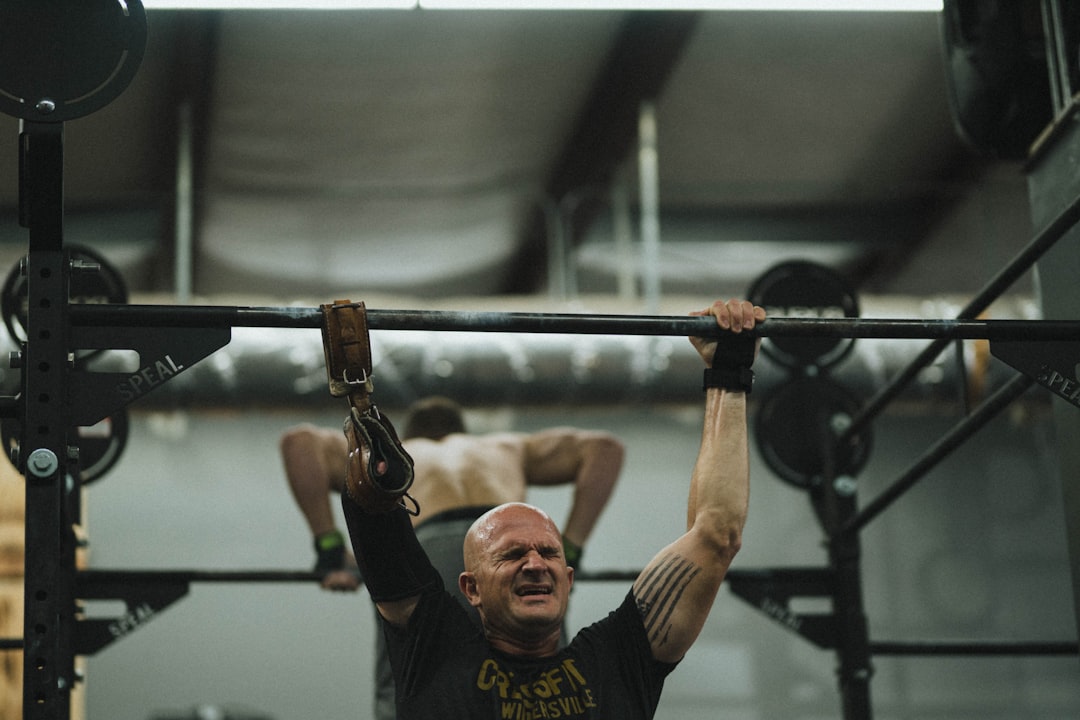
Photo by Corey Young on Unsplash
By The Longevity Dose Editorial Team · Evidence-reviewed · Last updated September 2026
Losing muscle after 40 is real, it’s measurable, and it’s one of the strongest predictors of how well you’ll function in your 60s, 70s, and beyond. The condition has a clinical name: sarcopenia, from the Greek for “poverty of flesh.” What most people don’t realize is that sarcopenia doesn’t announce itself. It starts quietly in your 30s and accelerates after 40, well before you feel weak or fragile. The good news: muscle after 40, and the sarcopenia it fights against, responds powerfully to the right interventions. This guide covers everything you need to know, from the biology driving the loss to the specific protocols that reverse it.
Key Takeaways
- Sarcopenia begins as early as your mid-30s and can accelerate significantly after 40, making early intervention the highest-leverage move available to you.
- Progressive resistance training performed at least two days per week is the single most evidence-backed intervention for preserving and rebuilding muscle at any age.
- Protein intake plays a critical role: older adults need more per kilogram of body weight than younger adults, and spreading that intake across meals improves muscle protein synthesis more than front-loading it.
- Creatine monohydrate has strong human RCT evidence supporting its use in adults over 40, and it’s one of the safest, most affordable muscle-supporting supplements available.
- Sarcopenic obesity (carrying excess fat while losing muscle) is a particularly high-risk combination, and a 2026 study in Medicine (Baltimore) highlights the need for early screening before symptoms appear.
In This Guide
- What Is Sarcopenia, and When Does It Start?
- Why Muscle Mass Is a Longevity Biomarker
- What Drives Muscle Loss After 40
- Strength Training: The Non-Negotiable Foundation
- Protein and Nutrition for Muscle Preservation
- Supplements for Muscle After 40: What the Evidence Supports
- Sarcopenia Warning Signs and Self-Tests
- Your Complete Anti-Sarcopenia Protocol
What Is Sarcopenia, and When Does It Start?
Sarcopenia refers to the progressive loss of skeletal muscle mass, strength, and function that comes with aging. It’s not just about looking smaller. Reduced muscle mass raises your risk of falls, metabolic dysfunction, insulin resistance, frailty, and early death. The National Institute on Aging recognizes sarcopenia as a major contributor to disability in older adults.
The process starts earlier than most people expect. Muscle mass typically peaks in your late 20s to early 30s, then begins a slow decline. After 40, the rate of loss tends to pick up. After 60, it can accelerate further, particularly if you’re sedentary, under-eating protein, or dealing with illness.
Sarcopenia doesn’t just affect weight or aesthetics. It erodes functional independence. When your leg muscles weaken, you slow down. When you slow down, your cardiovascular fitness drops. When your cardiovascular fitness drops, your disease risk climbs. It’s a cascade, and it starts earlier than most people think to act.
Sarcopenic Obesity: A Hidden Danger
One pattern that’s getting more clinical attention is sarcopenic obesity: losing muscle while simultaneously gaining fat. This combination is particularly dangerous because standard body weight measurements miss it entirely. You can have a “normal” BMI while carrying far too little muscle and far too much visceral fat.
A 2026 machine learning study published in Medicine (Baltimore) analyzed data from the U.S. National Health and Nutrition Survey (2011-2018) and built a clinical prediction model to identify people with sarcopenic obesity before they show obvious symptoms. The study’s core message: early screening matters, because by the time the condition is obvious, significant damage has already been done.
This is exactly why muscle after 40 deserves proactive attention, not a reactive one.
Why Muscle Mass Is a Longevity Biomarker
Muscle is not just a cosmetic feature or an athletic asset. It’s a metabolically active organ that regulates glucose disposal, produces myokines (signaling proteins that protect the brain and heart), and serves as a protein reserve your body draws on during illness or stress.
Stronger muscles correlate consistently with lower all-cause mortality across large observational studies. Our post on 13 Muscle Mass and Longevity Statistics That Will Shock You pulls together the most striking data points on this relationship. The short version: muscle is one of the most powerful predictors of how long you live and how well you function while doing it.
Grip Strength as a Proxy Measurement
You don’t need a DEXA scan to get an early signal about your muscle health. Grip strength, which is easy to measure with an inexpensive dynamometer, is a validated proxy for whole-body muscle mass and quality. It predicts cardiovascular disease, cognitive decline, and mortality in large epidemiological studies.
Knowing where your grip strength sits relative to age-matched norms gives you something concrete to track over time. Our guide on Grip Strength and Longevity: What Are Your Targets by Age? covers the specific targets and how to improve your numbers.
Muscle and Metabolic Health
Skeletal muscle is the body’s largest glucose-disposal site. When you lose muscle, insulin resistance tends to worsen. A 2026 study in Cell Biochemistry and Biophysics used machine learning to analyze gene expression in people with type 2 diabetes and found that sarcopenia-associated molecular patterns are detectable in diabetic skeletal muscle. This is preliminary, lab-level science, not a clinical protocol. But it reinforces what metabolic medicine has suspected for years: sarcopenia and metabolic disease are mechanistically intertwined, not just coincidentally linked.
What Drives Muscle Loss After 40
Understanding the causes helps you target the right interventions. Sarcopenia isn’t one problem. It’s several converging problems that compound each other over time.
Anabolic Resistance
As you age, your muscles become less responsive to the anabolic signals that drive protein synthesis. This is called anabolic resistance. Eating the same amount of protein at 50 as you did at 25 produces less muscle protein synthesis. Your muscles hear the signal, they just respond more quietly. This is one of the primary reasons protein needs increase with age, not decrease.
Hormonal Changes
Testosterone, estrogen, growth hormone, and IGF-1 all decline with age and all play roles in muscle maintenance. The drop is gradual in men and more abrupt in women around menopause. Our post on Muscle Loss After Menopause: The Complete 2026 Guide goes deep on this specific transition for women. For a broader look at IGF-1’s role in muscle and aging, see our explainer on What Is IGF-1? The Longevity Biomarker Nobody Tests.
Neuromuscular Decline
Muscle contraction depends on motor neurons. As you age, you lose fast-twitch motor units, the ones responsible for power, speed, and explosive strength. Slow-twitch fibers are more resilient, but power output declines noticeably from your 40s onward without targeted training. This is one reason explosive movements like jumping or sprinting should not disappear from training as you age.
Inflammation and Mitochondrial Dysfunction
Chronic low-grade inflammation, sometimes called “inflammaging,” damages muscle tissue and interferes with repair. Mitochondrial dysfunction in muscle cells compounds this: less energy production means less capacity for both exercise and recovery. A 2026 study in the Journal of Ethnopharmacology investigated a traditional Chinese compound (Jintiange) and found it reduced age-related sarcopenia in animal models by suppressing the cGAS-STING inflammatory signaling pathway and improving mitochondrial homeostasis. This is animal data, so it doesn’t translate directly to a human recommendation. But it points toward a mechanism that matters: mitochondrial health and inflammatory signaling are real drivers of muscle aging, not just theoretical ones.
Nutrition Gaps
A 2026 study in the Irish Journal of Medical Science examined the relationship between malnutrition and sarcopenia in older adults using validated screening tools. Malnutrition, frailty, and sarcopenia were all closely linked, and they co-occurred more often than any single condition appeared alone. Under-eating protein is the most common driver. But deficits in vitamin D, magnesium, and omega-3 fatty acids also play supporting roles in muscle function and repair.
Strength Training: The Non-Negotiable Foundation
Strength training is the only intervention with strong, replicated human RCT evidence for both preventing and reversing sarcopenia. Nothing else comes close. Not supplements, not diet alone, not cardio. All of those matter. But without progressive resistance training, you’re fighting with one hand tied behind your back.
Evidence strength: Strong (multiple human RCTs, systematic reviews, and meta-analyses across age groups from 40 to 90+).
How Often and How Hard
Across the trials that exist, adults over 40 who trained at least two to three days per week tend to show meaningful benefit, and that pattern is consistent enough to treat as a practical floor. More is often better, up to a point. Recovery capacity decreases with age, so adequate rest between sessions matters more than it did at 25.
Intensity matters. Training to or near muscular failure (within a few repetitions of your limit) drives significantly more muscle protein synthesis than easy, comfortable lifting. You don’t need to train to absolute failure every set. But if you’re leaving every set with plenty left in the tank, you’re not providing enough stimulus for adaptation.
Don’t Neglect Power Training
Slow, controlled lifting builds strength. But power, the ability to move quickly against resistance, requires specific training. Losing power is one of the earliest and most functionally significant changes that comes with aging. Adding explosive movements like medicine ball throws, light jump squats, or fast-tempo lifts preserves fast-twitch fiber function in a way that slow lifting alone does not.
Cardio Complements Strength, Not Replaces It
Zone 2 cardio, the low-intensity aerobic work that builds mitochondrial density, is genuinely valuable for longevity. Our guide on Zone 2 Heart Rate by Age: Calculate Yours Correctly explains how to find your target zone. But cardio doesn’t maintain muscle mass on its own. If you’re time-limited and have to choose, strength training takes priority for sarcopenia prevention. Ideally, you’re doing both.
Protein and Nutrition for Muscle Preservation
Protein is the raw material of muscle. You cannot build or maintain muscle without adequate protein intake, full stop. The challenge after 40 is that your muscles have become less efficient at using the protein you eat, so your needs increase even as your appetite may decrease.
How Much Protein Do You Actually Need?
The recommended dietary allowance for protein was designed to prevent deficiency, not to optimize muscle mass in aging adults. Most longevity-focused clinicians and researchers who study muscle aging recommend substantially more than the basic RDA. Our in-depth post on How Much Protein Do You Actually Need After 60? breaks down the research and offers practical targets by body weight.
The key principle: prioritize real food protein sources. Eggs, fish, poultry, red meat, Greek yogurt, cottage cheese, legumes. These come packaged with leucine, the specific amino acid that acts as the primary trigger for muscle protein synthesis. Leucine content matters, not just total protein grams.
Protein Distribution Across the Day
When you eat your protein matters, not just how much you eat. Many researchers studying older adults argue that spreading protein across several meals, rather than concentrating it in one large evening sitting, produces a better overall muscle protein synthesis response, because each meal can independently trigger the anabolic signal. Our post on Protein Timing After 60: Does When You Eat It Matter? covers the evidence on distribution and timing in more detail.
Other Nutritional Factors
Vitamin D deficiency is strongly associated with muscle weakness and falls. Omega-3 fatty acids appear to enhance muscle protein synthesis and reduce inflammatory signaling in muscle tissue. Magnesium is required for muscle contraction and energy production. Creatine, covered in the next section, deserves its own spotlight.
Caloric restriction is also worth a brief, honest note: very low calorie intake accelerates muscle loss, even when protein is adequate. Fasting protocols that dramatically cut calories for extended periods can be counterproductive for muscle preservation after 40 unless protein is deliberately protected. This is a real trade-off, and it’s worth understanding before diving into aggressive fasting.
Supplements for Muscle After 40: What the Evidence Supports
The supplement market is full of products targeting muscle and aging. Most of them have minimal human evidence. A few genuinely stand out. Here’s an honest look at the ones with the strongest case.
| Supplement | Evidence Strength | What It Does for Muscle |
|---|---|---|
| Creatine Monohydrate | Strong (multiple human RCTs) | Increases strength, power output, and lean mass; supports cognitive function |
| Protein (leucine-rich) | Strong (foundational nutrition science) | Provides substrate for muscle protein synthesis; leucine triggers the anabolic response |
| Vitamin D | Moderate (observational strong; RCT results mixed) | Supports muscle function and fall prevention, particularly in deficient individuals |
| Omega-3 Fatty Acids | Moderate (growing human RCT data) | Reduces muscle inflammation; may enhance muscle protein synthesis response |
| GlyNAC (Glycine + NAC) | Promising (small human RCTs) | Reduces oxidative stress in muscle; early trials show improvements in physical function |
| Urolithin A | Promising (early human trials) | Stimulates mitophagy (clearing damaged mitochondria); early data on muscle endurance |
Creatine Monohydrate: The Strongest Case
Creatine monohydrate is the most research-backed supplement for muscle in older adults. It’s not just for young athletes. Human RCTs have consistently shown that creatine, combined with resistance training, produces greater increases in lean mass and strength than resistance training alone, in adults across the 40-80 age range.
Creatine also has an increasingly strong case for cognitive support, which matters for aging. Our post on Creatine for Brain Aging: What the Evidence Says covers that angle in depth. For women specifically, see our guide on Creatine for Women Over 50: Dosing, Safety and Real Benefits.
Most trials in older adults have used daily doses in the range of a few grams; your linked creatine guides cover the specifics in more detail. No loading phase is necessary for most people, though some trials used a loading protocol. Safety is well established over decades of research, including in older adults with healthy kidneys. If you’re looking for a quality option, Thorne Creatine Monohydrate is NSF Certified for Sport and the form used in the majority of clinical research.
GlyNAC: Early but Interesting
GlyNAC (glycine plus N-acetyl cysteine) has shown improvements in muscle strength, walking speed, and oxidative stress markers in small human trials, most notably research led by Dr. Rajagopal Sekhar at Baylor College of Medicine. The evidence is promising but still limited by small sample sizes. It’s worth watching, but it’s not in the same category of certainty as creatine. For a detailed head-to-head, see our post on GlyNAC vs Creatine: Which Is Better for Aging Muscle?
Sarcopenia Warning Signs and Self-Tests
Sarcopenia is diagnosed clinically using measures of muscle mass (typically DEXA scan or bioelectrical impedance), muscle strength, and physical performance. But you don’t need a doctor’s visit to catch early warning signs.
Functional Tests You Can Do Now
Several simple self-tests are validated proxies for muscle and functional health:
- Grip strength test: Use a hand dynamometer. Low values relative to your age and sex are an early signal worth acting on.
- Chair stand test: How many times can you stand from a chair in 30 seconds without using your arms? Slower or fewer repetitions than age-matched norms is a meaningful flag.
- Single-leg balance: Stand on one leg, eyes open. The time you hold it is a validated predictor of fall risk and broader health. Our guide on the Single-Leg Balance Test: What 10 Seconds Says About Your Lifespan explains exactly what your result means.
- Walking speed: Gait speed measured over a short distance is one of the most replicated functional biomarkers in aging science. Our post on Walking Speed as a Longevity Test: What Your Pace Reveals covers the research and what your number means.
Warning Signs to Watch For
Specific patterns that suggest early sarcopenia is underway include difficulty rising from low chairs, noticing that carrying groceries or climbing stairs feels harder than it used to, unintentional weight loss, or a significant decline in exercise capacity. These aren’t just aging. They’re actionable signals. Our post on Sarcopenia Warning Signs at 40: Can You Reverse It? goes deeper on what to look for and how to respond.
Malnutrition is also an underappreciated contributor. The 2026 study in the Irish Journal of Medical Science found that frailty, malnutrition, and sarcopenia cluster together in older adults more than any single condition appears alone. If you’re skipping meals, eating erratically, or chronically under-eating protein, you’re stacking risk factors.
Your Complete Anti-Sarcopenia Protocol
Preserving muscle after 40 is not complicated. It is, however, non-negotiable. The following protocol reflects what the current human evidence supports as of September 2026. It’s not a rigid plan. It’s a framework you adapt to your situation.
Training
- Resistance training at least two days per week, targeting all major muscle groups. Three days is better for most people.
- Train with sufficient intensity: you should feel genuine effort by the final few reps of each set.
- Include at least some power or explosive movement (fast-tempo lifts, medicine ball throws, or light plyometrics appropriate to your fitness level).
- Add two to three Zone 2 cardio sessions per week if possible. These complement, not replace, strength work.
- Consider training timing: some evidence suggests afternoon sessions may produce slightly better strength adaptations, though consistency matters far more than timing. Our post on Exercise Timing and Longevity: Does Time of Day Matter? covers this nuance.
Nutrition
- Prioritize protein at every meal. Target leucine-rich sources: meat, fish, eggs, dairy, legumes.
- Spread protein across at least three meals rather than concentrating it in one sitting.
- Don’t chronically under-eat calories. Muscle requires an anabolic environment, and severe restriction is catabolic even when protein is adequate.
- Ensure adequate vitamin D status, particularly if you live at northern latitudes or spend little time outdoors.
- Consider omega-3 supplementation if your dietary fish intake is low, as fish oil may enhance the muscle protein synthesis response to training.
Supplements (Ranked by Evidence)
- Creatine monohydrate: Strong human evidence. Take it consistently; timing relative to workouts is less important than daily consistency. Take it consistently, timing relative to workouts is less important than daily consistency.
- Vitamin D (if deficient): Moderate evidence. Get your level tested before supplementing. Correcting deficiency is meaningfully different from supplementing in someone already replete.
- Omega-3s: Moderate evidence for muscle, strong evidence for cardiovascular health. A reasonable approach is to eat fatty fish two to three times per week and supplement if that’s not realistic.
- GlyNAC or Urolithin A: Promising early human data. These are reasonable additions for people who have the basics covered and want to go further. Don’t start here.
Sleep and Recovery
Muscle repair happens during sleep. Growth hormone is released primarily during slow-wave sleep. Chronic sleep deprivation accelerates muscle loss and impairs recovery. This isn’t optional. Our post on Sleep Optimization for Longevity: The Complete 2026 Guide is worth a read if your sleep quality is poor.
What to Track Over Time
- Grip strength (monthly or quarterly, with a dynamometer)
- Single-leg balance time
- Chair stand test performance
- Walking pace on a standard route
- Body composition (DEXA scan annually if accessible, or bioelectrical impedance scale as a directional tool)
Muscle after 40 doesn’t maintain itself. But it responds to effort more than most people realize. Adults well into their 70s and 80s have demonstrated meaningful strength and mass gains from resistance training in RCTs. It’s never too late to start, and starting before you see obvious decline means you’re building from a position of strength rather than scrambling to recover lost ground.
Affiliate Disclosure: The Longevity Dose may earn a small commission if you purchase through the links below, at no additional cost to you. We only recommend products we genuinely believe in. Learn more.
What We Recommend
- Thorne Creatine Monohydrate. NSF Certified for Sport and the form used in the vast majority of clinical research. For adults over 40 focused on preserving muscle mass and strength, this is the supplement with the strongest human evidence behind it, at one of the lowest price-per-dose of any longevity supplement available.
Frequently Asked Questions
At what age does sarcopenia actually start?
Muscle mass typically peaks in the late 20s to early 30s and begins declining after that. The rate of loss tends to accelerate meaningfully after 40, and again after 60, particularly without resistance training. This is why prevention efforts in your 40s and 50s are far more effective than trying to rebuild in your 70s.
Can you reverse sarcopenia once it starts?
Yes, to a significant degree. Human RCTs have demonstrated meaningful gains in muscle mass and strength from resistance training in adults in their 60s, 70s, and even 80s and 90s. The key is progressive overload combined with adequate protein intake. Recovery takes longer at older ages, but the muscle-building machinery remains functional well into advanced age.
Is creatine safe for older adults?
Creatine monohydrate has one of the strongest safety records of any supplement, including in older adults. The most common side effect is mild water retention in the early weeks of use. People with pre-existing kidney disease should consult their doctor before use, but in healthy adults creatine is not harmful to kidney function. The evidence supporting its use in adults over 40 for both muscle and cognitive function is substantial.
How much protein do I need to prevent muscle loss after 40?
Protein needs increase with age due to anabolic resistance, meaning older muscles extract less muscle-building signal from the same amount of protein. Most researchers studying muscle aging recommend amounts above the standard minimum RDA, particularly for active individuals. Spreading intake across three to four meals, rather than eating most protein in one sitting, also meaningfully improves outcomes. See our detailed post on How Much Protein Do You Actually Need After 60? for specific guidance.
Is cardio bad for muscle mass after 40?
Cardio is not bad for muscle, but it doesn’t maintain muscle on its own. Excessive endurance training without resistance training can be catabolic if caloric intake isn’t sufficient to support both. The optimal approach for most adults over 40 is a combination: resistance training as the primary muscle-preservation tool, with Zone 2 cardio added for cardiovascular and mitochondrial health.
What is the single most important change I can make right now?
If you’re not already doing resistance training at least twice a week, starting there will produce the largest return on investment of anything on this list. No supplement or dietary tweak comes close to the impact of consistent, progressive strength training. Everything else builds on top of that foundation.
Liked This? Keep Reading.
Get the next post in your inbox. Real science on longevity, supplements, and fitness — no hype.
Drop your email below. Weekly. No spam. Unsubscribe anytime. ↓