
Is Cold Plunge Good for You? What the Science Says
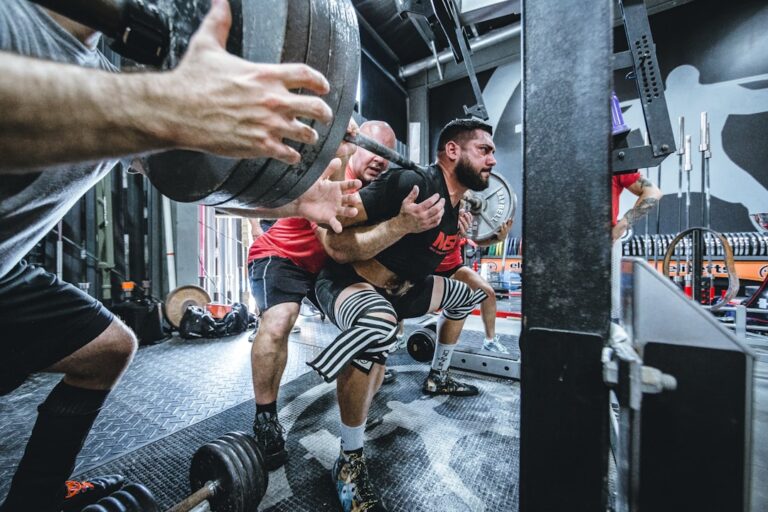
Photo by Gursimrat Ganda on Unsplash
By The Longevity Dose Editorial Team · Evidence-reviewed · Last updated June 2026
Cold plunge has genuine, measurable benefits for mood, recovery, and metabolic health — but the longevity claims circulating on social media go well beyond what current evidence supports. If you’ve been dunking yourself in 50-degree water every morning hoping to reverse aging, the honest answer is: you’re probably getting real benefits, just not the ones you’ve been sold. And if you’ve been wondering how cold exposure stacks up against something like zone 2 cardio for longevity, this post is going to give you a straight answer.
Key Takeaways
- Cold water immersion reliably reduces perceived muscle soreness and lowers core temperature after intense exercise, but these effects are short-term and well-understood.
- Cold exposure activates brown adipose tissue and drives a substantial norepinephrine response, both of which have real metabolic implications — though the size of these effects varies across individuals and the studies measuring them.
- Cold plunge may blunt training adaptations when done immediately after strength work — timing it at least 6 hours after lifting is the current evidence-based recommendation.
- No long-term human randomized controlled trial has shown that cold plunge extends lifespan or significantly slows biological aging. The longevity case is plausible, not proven.
Why Everyone Suddenly Has a Cold Plunge Tub
Cold exposure for health is not new. Finnish culture has paired sauna with cold water for centuries. What’s new is the marketing apparatus behind it, and the willingness of wellness influencers to make claims the science simply can’t back up yet.
As of 2026, cold plunge (also called cold water immersion, or CWI) has become a multi-billion dollar product category. Portable ice bath tubs, cold plunge chillers, and spa-style tanks are everywhere. And the testimonials are compelling. People report better focus, improved mood, faster recovery, and more energy. The question worth asking: which of those things are real, and which are the placebo effect dressed up in cold water?
The honest answer is that some of it is very real. But “real” and “a longevity intervention” are two different claims.
What the Research Shows: The Proven Benefits
Norepinephrine and Mood
Cold exposure is one of the most reliable non-drug ways to spike norepinephrine, a neurotransmitter tied to focus, alertness, and mood. Cold water immersion is one of the most reliable non-drug triggers of norepinephrine release — the physiological response is fast, large, and well-replicated across studies, which is why people who cold plunge regularly describe a mood lift that lasts for hours afterward.
This isn’t just self-report. The physiological mechanism is well-established. Cold activates the locus coeruleus, the brain’s main norepinephrine-producing region. The response is fast, measurable, and reproducible.
Brown Fat Activation and Metabolic Health
Brown adipose tissue (BAT) is metabolically active fat that generates heat by burning energy. Most adults have some of it, but sedentary people have less. Evidence shows that repeated cold exposure can increase brown fat activity and volume over time.
Cold-stimulated brown fat activation is a genuine metabolic mechanism: BAT burns energy to generate heat, and repeated cold exposure appears to increase its activity and volume, with downstream effects on how the body handles glucose — though how large that effect is in practice over the long term remains an open question. For anyone over 40 concerned about metabolic health and aging, this is worth paying attention to. Metabolic dysfunction is one of the core drivers of accelerated biological aging, and anything that improves insulin sensitivity deserves serious consideration.
Inflammation and Recovery
Cold water immersion reduces acute inflammation after hard exercise. Multiple meta-analyses confirm it lowers creatine kinase (a marker of muscle damage) and reduces perceived soreness in the 24-72 hour window after training.
But here’s the nuance most cold plunge advocates skip: that anti-inflammatory effect can actually work against you if you’re trying to build muscle or improve cardiovascular fitness. Inflammation after exercise isn’t only bad. It’s part of the adaptation signal. Blunting it too soon, too consistently, may reduce training gains. This is why timing matters enormously.
The Timing Problem: When Cold Plunge Hurts Your Results
A well-cited 2019 study in The Journal of Physiology found that cold water immersion performed immediately after resistance training reduced muscle protein synthesis and blunted hypertrophy adaptations over a 12-week period compared to active recovery. The cold group got leaner. They did not get stronger at the same rate.
This doesn’t mean you should never cold plunge if you lift weights. It means you should be strategic about timing. If building muscle is a priority, separating your cold plunge from your strength session by several hours — rather than doing it immediately after — is the approach most consistent with what the interference research shows, though the precise gap that fully preserves adaptation has not been established by a single definitive trial. If your primary goal is cardiovascular fitness and longevity (which it probably should be, given what the research says about VO2 max as a longevity predictor), this timing issue matters less.
Cold plunge after a zone 2 cardio session is generally considered safe. The aerobic adaptations you want from zone 2 training appear less vulnerable to cold-induced blunting than hypertrophy adaptations.
Cold Plunge vs. Zone 2 Cardio for Longevity: A Direct Comparison
This is the comparison more people should be making. Zone 2 cardio for longevity has a substantial and growing body of human evidence behind it. Cold plunge has a compelling mechanistic story and solid short-term data. But the two are not equivalent longevity tools.
| Factor | Cold Plunge | Zone 2 Cardio |
|---|---|---|
| Human longevity data | Limited, short-term only | Strong, long-term epidemiological data |
| VO2 max improvement | Minimal to none | Directly and significantly improves VO2 max |
| Mood and mental health | Strong acute effect via norepinephrine | Strong chronic effect via BDNF and endorphins |
| Metabolic health | Moderate (brown fat, insulin sensitivity) | Strong (mitochondrial biogenesis, glucose metabolism) |
| Risk | Low to moderate (cardiac shock risk if done incorrectly) | Very low when progressed gradually |
| Time commitment | 5-15 minutes per session | 45-90 minutes per session |
The bottom line: zone 2 cardio for longevity is the better primary intervention. Cold plunge is a useful complement, not a replacement.
What We Don’t Know Yet
Intellectual honesty requires acknowledging the gaps. Here’s what the current evidence can’t tell us:
- Whether regular cold plunge over 10-20 years meaningfully changes biological age markers like epigenetic clocks
- What the optimal water temperature and immersion duration actually are for metabolic vs. recovery vs. mood benefits (protocols vary wildly across studies)
- Whether the brown fat activation seen in short studies translates into clinically meaningful metabolic improvements over years
- How cold plunge interacts with common longevity interventions like fasting protocols or rapamycin
- Whether cold plunge benefits differ significantly by age, sex, or baseline fitness level
These aren’t reasons to avoid cold plunge. They’re reasons to hold the more dramatic longevity claims at arm’s length until better data arrives.
Real Risks Worth Knowing
Cold water immersion is not risk-free, and the wellness industry tends to gloss over this. People with cardiovascular disease, hypertension, or Raynaud’s disease should consult a doctor before starting. Cold shock response — the gasp reflex triggered by sudden cold water immersion — can cause involuntary inhalation and, in rare cases, cardiac arrhythmia.
Hypothermia is also a genuine risk at very low temperatures with prolonged exposure. Research protocols vary considerably in temperature and duration, but the range most commonly studied sits in the moderately cold zone rather than at extremes. Going significantly colder for significantly longer doesn’t appear to compound benefits and does compound risk.
If you’re healthy and under 60 with no cardiac history, the risk is low. But “low risk” and “zero risk” aren’t the same thing.
Practical Protocol: How to Cold Plunge Intelligently
Based on the current evidence, here’s a protocol that makes sense for most healthy adults in 2026:
- Temperature: Target 50-59°F (10-15°C). This range appears in most of the meaningful research. Colder is not better.
- Duration: Start with 1-2 minutes. Work toward 3-5 minutes per session over 2-4 weeks. Work toward 3-5 minutes per session over 2-4 weeks; how many minutes per week you need to meaningfully activate brown fat is still an open question in the literature, and the right number for you depends on your baseline cold tolerance and goals.
- Timing: Do it in the morning if your goal is mood and alertness. Avoid cold plunge in the 6 hours immediately after strength training. After zone 2 cardio sessions is fine.
- Entry: Enter slowly and breathe through the cold shock response. Do not jump in if you have any cardiac concerns.
- Frequency: How often to cold plunge is something the current evidence cannot pin to a single number — several sessions a week is a reasonable place to start, and daily use is not clearly superior to that. Daily use is not clearly superior.
- Warm up afterward: Let your body rewarm naturally when possible. Shivering actually burns energy and may enhance brown fat adaptation.
And remember: cold plunge supports your longevity protocol. It doesn’t anchor it. If you’re choosing between a 60-minute zone 2 bike ride and a cold plunge, the bike ride wins for longevity outcomes every single time. You can see the evidence behind sauna’s longevity data for another comparison worth making.
Should You Add Cold Plunge to Your Longevity Stack?
If you already have your exercise, sleep, and nutrition in order, yes. Cold plunge is a low-cost, time-efficient tool with real short-term benefits and plausible long-term ones. The mood effect alone makes it worth considering for many people. The metabolic benefits are real. And the discipline of doing something uncomfortable daily has psychological value that’s hard to quantify but easy to feel.
But cold plunge is a supporting actor in your longevity protocol. The lead roles belong to consistent aerobic exercise (especially zone 2 and VO2-max-improving intervals), strength training, quality sleep (see our sleep optimization guide for the evidence), dietary quality, and stress management. Cold plunge doesn’t substitute for any of those.
Cold plunge is worth doing. It’s not worth obsessing over. That distinction matters more than most of the content you’ll find on this topic.
Affiliate Disclosure: The Longevity Dose may earn a small commission if you purchase through the links below, at no additional cost to you. We only recommend products we genuinely believe in. Learn more.
What We Recommend
- Thorne Creatine Monohydrate. If you’re doing cold plunge alongside a strength training program, creatine is the most research-backed supplement for preserving and building muscle. Thorne’s version is NSF Certified for Sport, which means it’s been third-party tested for purity — worth it if you’re serious about what you put in your body.
Frequently Asked Questions
How cold does the water need to be for cold plunge benefits?
Most research uses water between 50-59°F (10-15°C). This range is cold enough to trigger the norepinephrine response, brown fat activation, and recovery benefits without unnecessary risk. Going colder doesn’t appear to meaningfully increase benefits and raises the risk of cold shock and hypothermia.
Can cold plunge help with weight loss?
Cold plunge activates brown adipose tissue, which burns energy to generate heat. Evidence shows this can modestly improve insulin sensitivity and glucose metabolism. However, the direct calorie-burning effect is small, and cold plunge should not be positioned as a primary weight loss tool. Diet and aerobic exercise remain far more impactful for body composition.
Does cold plunge interfere with building muscle?
It can, if done immediately after strength training. A 2019 study in The Journal of Physiology found that cold water immersion right after resistance exercise reduced hypertrophy adaptations over 12 weeks compared to active recovery. Waiting at least 6 hours between lifting and cold plunge appears to minimize this interference.
How does cold plunge compare to sauna for longevity?
Sauna has stronger long-term human longevity data, particularly from Finnish population studies showing reduced cardiovascular mortality with regular use. Cold plunge has better acute evidence for mood and recovery. Many people combine both, and alternating between the two may have additive cardiovascular benefits, though this specific combination hasn’t been rigorously studied for longevity outcomes.
Is cold plunge safe for people over 50?
For healthy adults over 50 without cardiovascular disease or hypertension, cold plunge carries low but non-zero risk. The cold shock response can temporarily spike blood pressure and heart rate significantly. Anyone with cardiac history, arrhythmia, or uncontrolled hypertension should consult a doctor before starting. Entering the water slowly rather than jumping in reduces the cold shock risk considerably.
How many times a week should I cold plunge?
How many minutes per week produce meaningful metabolic benefits remains an active area of research, and the right target depends on your individual response. Three to four sessions per week of several minutes each is a reasonable middle ground that fits most healthy adult schedules. Daily cold plunge is not clearly superior to this frequency based on current evidence.
Liked This? Keep Reading.
Get the next post in your inbox. Real science on longevity, supplements, and fitness — no hype.
Drop your email below. Weekly. No spam. Unsubscribe anytime. ↓