
How to Increase NAD+ Naturally: What Actually Works
Photo by Vitaly Gariev on Unsplash
By The Longevity Dose Editorial Team · Evidence-reviewed · Last updated July 2026
Knowing how to increase NAD+ naturally is one of the most practical things you can do for your long-term health, because NAD+ (nicotinamide adenine dinucleotide) declines meaningfully with age — the trajectory is steep enough that by the time most people reach their 60s, cellular repair slows, energy metabolism becomes less efficient, and the hallmark processes of aging accelerate. The good news is that several lifestyle strategies raise NAD+ measurably in humans, and you don’t need an expensive supplement stack to start. But some popular approaches have stronger evidence than others, and it’s worth knowing the difference before you invest time or money.
Key Takeaways
- NAD+ levels decline substantially with age, contributing to reduced energy production and impaired DNA repair.
- Exercise is the single most evidence-backed natural strategy for raising NAD+ in humans, partly by stimulating NAD+ biosynthesis and reducing CD38-driven NAD+ consumption.
- Fasting and time-restricted eating activate NAMPT, the enzyme that regenerates NAD+, and can raise levels within days of consistent practice.
- Supplements like NR (nicotinamide riboside) reliably raise blood NAD+ in clinical trials, but whether higher circulating NAD+ translates to longer human lifespan is still being studied as of 2026.
Why NAD+ Declines With Age (And Why It Matters)
NAD+ isn’t just an energy molecule. It’s the fuel that powers sirtuins, a family of proteins that repair damaged DNA and regulate inflammation. Without enough NAD+, your cells accumulate damage faster, mitochondria become less efficient, and the hallmark processes of aging accelerate. Dr. David Sinclair at Harvard has argued for over a decade that restoring NAD+ is one of the most upstream interventions we have against aging. You can get a full breakdown in our complete guide to NAD+ and NMN for anti-aging.
Two main forces drive the age-related NAD+ drop. First, the enzyme NAMPT (which recycles NAD+ from its breakdown products) becomes less active over time. Second, an enzyme called CD38 becomes more abundant with age and consumes NAD+ at an increasing rate. Research published in the Journal of Ethnopharmacology in 2026 found that compounds targeting CD38 and the senescence-associated secretory phenotype (SASP) can extend lifespan in animal models, reinforcing that controlling CD38 activity is a legitimate target for raising NAD+. That’s animal research, so don’t translate it directly to humans yet, but the mechanism is consistent with what we see in human studies.
The Natural Strategies That Actually Have Human Evidence
1. Exercise — The Most Reliable NAD+ Booster
Exercise raises NAD+ through multiple pathways at once. Physical activity activates AMPK, which stimulates NAMPT expression. It also increases the demand for NAD+ in muscle tissue, which pushes biosynthesis upward. Both resistance training and aerobic work appear to help, though the evidence for aerobic exercise is slightly more consistent in humans.
A compelling 2026 study published in Aging Cell (PMID 42108568) found that exercise-stimulated exosomes carrying eNAMPT (an extracellular form of the NAD+-synthesizing enzyme) activated SIRT1 in aged mice and reversed markers of liver aging. This is animal research, so the direct human translation is still preliminary. But it points to a mechanism by which exercise boosts NAD+-related signaling beyond the muscle itself, potentially protecting organs system-wide. For practical protocols combining aerobic and resistance work for longevity, our complete longevity exercise guide covers the specifics.
2. Fasting and Time-Restricted Eating
Caloric restriction and fasting are among the most studied longevity strategies, and one mechanism behind their benefits is NAD+ elevation. When you fast, glycogen stores deplete and cells shift toward fat oxidation. This metabolic switch increases NAD+/NADH ratio and upregulates NAMPT. The result: measurably higher NAD+ availability.
Time-restricted eating (typically a 16:8 window) appears to produce a similar effect without requiring full-day fasts. Evidence shows this approach is more sustainable for most people and produces consistent metabolic improvements. For a detailed look at fasting protocols specifically studied for longevity, see our guide on fasting protocols for longevity.
3. Sleep — The Underrated NAD+ Variable
Poor sleep doesn’t just make you tired. It disrupts circadian rhythms, and circadian disruption directly impairs NAD+ metabolism. A 2026 study in EBioMedicine (PMID 41797048) found that long-photoperiod exposure (a form of circadian disruption) impaired follicular development via NAD+ metabolic reprogramming in animal models. While this is animal research, the circadian-NAD+ connection has solid mechanistic support in humans too. The CLOCK gene regulates NAMPT expression directly, meaning consistent sleep timing protects your NAD+ recycling machinery.
Practical implication: irregular sleep schedules and chronic late nights aren’t just a fatigue issue. They likely suppress NAD+ biosynthesis. Consistent sleep timing may be one of the simplest and most overlooked ways to maintain higher NAD+ levels over time.
4. Dietary NAD+ Precursors
Your body synthesizes NAD+ from dietary tryptophan (via the kynurenine pathway) and from niacin-family compounds (vitamin B3, nicotinamide). Getting enough of these through food is the foundation before considering supplements.
Foods rich in NAD+ precursors include:
- Turkey, chicken, and tuna (high tryptophan and niacin)
- Edamame and green peas (contain nicotinamide riboside naturally, though in small amounts)
- Whole cow’s milk (one of the few foods with measurable NR content)
- Avocados and mushrooms (contain nicotinamide and some NMN)
- Beef liver (dense source of niacin and B-vitamins that support NAD+ synthesis)
Food sources alone won’t dramatically raise NAD+ in someone over 50, because the enzymatic bottleneck is NAMPT activity rather than precursor availability. But they do set the floor. A nutrient-poor diet actively undermines NAD+ production regardless of what supplements you take.
5. Reducing NAD+ Consumers
Sometimes the better question isn’t “how do I make more NAD+?” but “what’s burning through it?” Chronic inflammation, alcohol, sleep deprivation, and excess sun exposure all accelerate NAD+ consumption. Specifically, PARP enzymes (activated by DNA damage from UV radiation and oxidative stress) are major NAD+ consumers.
Reducing alcohol intake, managing chronic stress (which drives inflammatory NAD+ consumption via CD38), and protecting against excessive UV exposure all help preserve the NAD+ you produce. As covered in our complete guide to stress and aging, chronic cortisol elevation promotes inflammatory signaling that accelerates NAD+ depletion through exactly this pathway.
What the Research Shows: The 2026 Evidence Update
The most clinically interesting NAD+ research published in 2026 goes beyond the usual “NMN raises NAD+” findings. A study in Aging Cell (PMID 41944220) proposed a “double-pronged” NAD+ preservation strategy combining NAD+ precursor supplementation with interventions that reduce cellular senescence. The logic is straightforward: senescent cells drive CD38 upregulation, which depletes NAD+. Targeting both sides of that equation (boost production, reduce consumption) may be more effective than either approach alone.
Separately, a 2026 Phase 1/2 clinical trial published in Nature Medicine (PMID 42056497) found that low-dose oral NMN improved outcomes in patients with immune thrombocytopenia by modulating CD38 activity. This is a disease-focused trial rather than an anti-aging study, but it confirms that oral NMN influences CD38-NAD+ dynamics in humans, which is relevant to anyone interested in NAD+ restoration strategies.
NAD+ research as a field is maturing. We now have human data showing that precursor supplementation raises blood NAD+ reliably. What we still lack are large, long-duration human trials showing this translates to reduced disease burden or extended lifespan.
What We Don’t Know Yet
Honesty requires acknowledging the limits. Raising blood NAD+ is not the same as raising NAD+ inside cells where it matters most, particularly in neurons and muscle tissue. Some researchers question whether orally-administered NAD+ precursors efficiently raise intracellular levels in specific tissues, or whether they primarily affect blood and liver.
We also don’t have human lifespan data. Every longevity result showing NAD+ restoration extends life comes from animal models, mostly mice and worms. The biology is conserved enough to be encouraging, but it’s not proof. The National Institute on Aging continues to fund trials on NAD+ precursors, and results from longer-duration studies are expected in the next few years. For now, the most defensible position is: natural NAD+ strategies (exercise, fasting, sleep) have broad benefits beyond NAD+ alone, making them worth doing regardless. Supplements have a reasonable short-term safety record in humans and likely raise NAD+ in blood, but their longevity benefit in people remains unproven.
Practical Protocol: A Week of Natural NAD+ Optimization
This protocol focuses on free, evidence-backed lifestyle strategies first. Supplements are optional add-ons for those who want to go further.
Exercise (5 days per week):
- 3 sessions of Zone 2 cardio (30-45 minutes at a conversational pace). This activates AMPK and NAMPT most consistently.
- 2 sessions of resistance training. Muscle contraction is a potent independent trigger for NAD+ biosynthesis.
Fasting window:
- Aim for a 14-16 hour overnight fast (finish dinner by 8pm, breakfast at 10am or later). This is achievable for most people without significant disruption.
- Avoid snacking in the two hours before sleep. Late-night eating blunts the overnight NAMPT upregulation that fasting normally triggers.
Sleep consistency:
- Set a fixed wake time 7 days a week. Circadian consistency protects NAMPT expression via the CLOCK gene pathway.
- Get enough sleep that you wake without an alarm feeling restored — chronic short sleep suppresses NAMPT activity and impairs the cellular repair processes that depend on NAD+, so the gap between the sleep you are getting and the sleep your body needs is worth closing.
Diet:
- Include at least one niacin-rich protein source daily (turkey, tuna, chicken, or beef liver once weekly).
- Reducing alcohol as much as reasonably possible helps, because each drink accelerates NAD+ consumption through alcohol metabolism — how low to go is a question your clinician can help you answer in the context of your overall health. Each drink accelerates NAD+ consumption through alcohol metabolism.
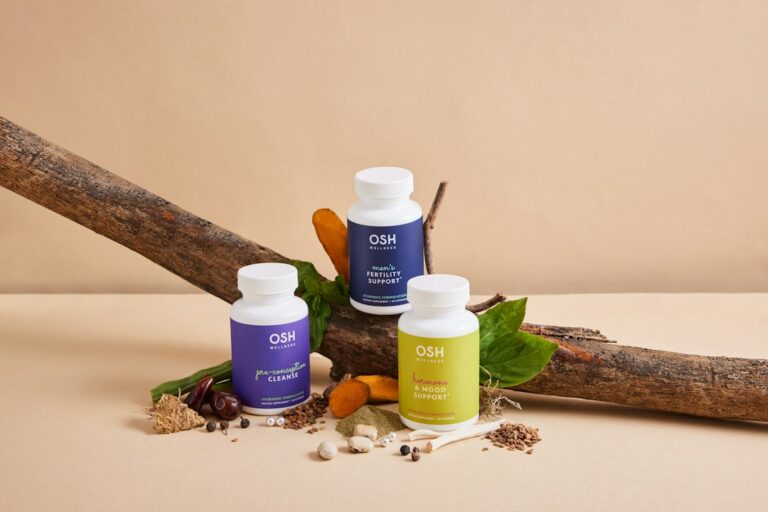
Optional supplement layer: If you’re over 45 and want to add a precursor on top of the above, nicotinamide riboside (NR) has the most accumulated human clinical trial data of any oral NAD+ supplement. Tru Niagen is the NR product used in multiple published human trials and has a consistent safety record across those studies. How much to take, and whether it is appropriate for you, depends on your age, health status, and what your clinician can see in your labs — not a dose a blog can hand you. But to be clear: supplements without the lifestyle foundation are unlikely to move the needle much. The lifestyle strategies above are not optional preparation for supplements. For most people, they are the intervention. For a direct comparison of NMN versus NR, our post on NMN vs NR as NAD+ boosters breaks down the evidence for each.
NAD+ Boosting Strategies at a Glance
| Strategy | Evidence Level | Practical Difficulty | Cost |
|---|---|---|---|
| Aerobic exercise (Zone 2) | Strong (human data) | Moderate | Free |
| Resistance training | Strong (human data) | Moderate | Free-low |
| Time-restricted eating (16:8) | Moderate (human data) | Low-moderate | Free |
| Consistent sleep timing | Moderate (mechanistic) | Low | Free |
| Dietary precursors (niacin, tryptophan) | Moderate (human data) | Low | Free-low |
| NR supplementation (300-500mg/day) | Strong for blood NAD+ rise; longevity unproven | Very low | $40-60/month |
| Reducing alcohol and inflammation | Strong (human data) | Moderate | Free (saves money) |
Affiliate Disclosure: The Longevity Dose may earn a small commission if you purchase through the links below, at no additional cost to you. We only link products and books with a genuine research track record. Learn more.
What We Recommend
- Tru Niagen (NAD+ Precursor — NR). The most clinically studied NR supplement on the market, used in multiple peer-reviewed human trials on NAD+ restoration. If you’re over 45 and already consistent with exercise and fasting, this is the most defensible supplement add-on for NAD+ support.
- Lifespan: Why We Age — David Sinclair. Dr. Sinclair’s book explains the information theory of aging and the central role of NAD+ and sirtuins in detail accessible to non-scientists. Essential context if you want to understand why these strategies work, not just what to do.
- Outlive: The Science and Art of Longevity — Dr. Peter Attia. Dr. Attia’s framework for longevity medicine places exercise and metabolic health (both direct NAD+ drivers) at the center of the protocol. The most practical longevity book available as of 2026.
Frequently Asked Questions
What is the fastest way to increase NAD+ naturally?
Exercise produces one of the fastest measurable increases in NAD+ availability, with acute effects detectable after a single session of moderate-to-vigorous aerobic activity. Combining regular Zone 2 cardio with a consistent overnight fasting window (14-16 hours) appears to be the most effective free strategy for raising NAD+ over days to weeks. These two approaches target different parts of the NAD+ production pathway and work synergistically.
Do NAD+ supplements actually work?
Oral NAD+ precursors, specifically NR (nicotinamide riboside) and NMN (nicotinamide mononucleotide), reliably raise NAD+ levels in blood in human clinical trials. Oral NR reliably raises whole-blood NAD+ in human clinical trials, though the magnitude varies across individuals and study designs — which is why the only honest answer to “how much will it raise mine?” is: get a baseline test, try it consistently for 8 weeks, and retest. However, whether this blood-level increase translates to meaningful health or longevity outcomes in humans remains unproven as of 2026. The National Institute on Aging is funding ongoing trials to answer this question.
What foods naturally boost NAD+?
Foods that supply NAD+ precursors include turkey, chicken, tuna, beef liver (niacin and tryptophan), whole milk and edamame (small amounts of nicotinamide riboside), mushrooms, and avocados. No single food dramatically raises NAD+ on its own, but consistently eating enough niacin-rich protein ensures your body has the raw materials for NAD+ biosynthesis. This dietary foundation matters more once you’re also doing the exercise and fasting strategies above.
Does fasting increase NAD+?
Yes. Fasting raises the NAD+/NADH ratio and upregulates NAMPT, the enzyme that recycles NAD+ through the salvage pathway. Both caloric restriction and time-restricted eating (such as a 16:8 fasting window) produce this effect in humans. The mechanism involves AMPK activation triggered by falling glucose and glycogen levels, which directly stimulates NAMPT expression.
Can poor sleep lower your NAD+ levels?
Evidence indicates that circadian rhythm disruption impairs NAD+ metabolism because the CLOCK gene directly regulates NAMPT expression. A 2026 study in EBioMedicine confirmed that light-induced circadian disruption caused NAD+ metabolic reprogramming in animal models. In humans, irregular sleep schedules and chronic sleep deprivation are associated with reduced NAMPT activity. Maintaining a fixed sleep-wake schedule is one of the simplest, lowest-cost strategies for protecting your NAD+ biosynthesis capacity.
Is NMN or NR better for raising NAD+?
Both NMN and NR raise blood NAD+ in human trials. NR has more accumulated human clinical data because it has been studied longer. NMN has shown faster absorption in some pharmacokinetic studies and may reach tissues slightly more directly. As of 2026, no head-to-head trial has definitively shown one to be superior for longevity-related outcomes in people. Our detailed breakdown is in the NMN vs NR comparison post.
Liked This? Keep Reading.
Get the next post in your inbox. Real science on longevity, supplements, and fitness — no hype.
Drop your email below. Weekly. No spam. Unsubscribe anytime. ↓