13 Longevity Statistics That Will Change How You Age
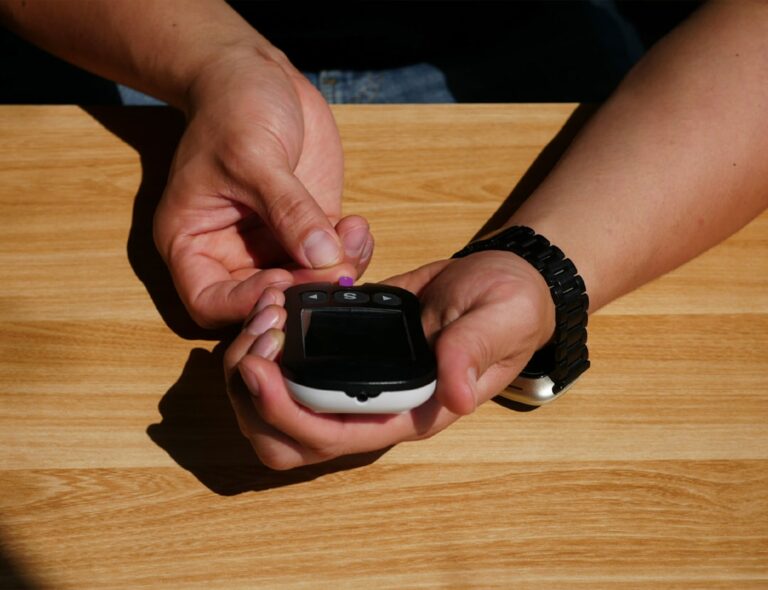
Photo by Abdul Hakim on Unsplash
Longevity statistics 2026 are reshaping how scientists — and smart, health-conscious adults — think about aging. Most people plan their finances decades in advance. Yet very few apply the same rigor to their healthspan. These 13 data points will change that. Each number tells you something actionable about how you age, what accelerates it, and what you can realistically do to slow it down.
The science of longevity has matured significantly. We’re no longer just talking about lifespan — how long you live. We’re talking about healthspan — how many of those years you spend functional, sharp, and independent. These two numbers are diverging in ways that should get your attention.
Furthermore, the gap between what the research shows and what most people actually do remains enormous. That gap is your opportunity.
Longevity Statistics 2026: The Big Picture on How Long (and How Well) You’ll Live
Before diving into specific interventions, you need to understand the baseline. These numbers establish just how much room most people have to improve — and why acting now matters more than you think.
Stat 1: The Healthspan Gap Is Nearly a Decade
The average American can expect to spend roughly 9–10 years of their life in poor health before death. (Source: NIH National Institute on Aging, 2023 data)
That means even if you live to 78, you may spend your last decade managing chronic disease, disability, or cognitive decline. This is the healthspan gap — the difference between how long you live and how long you live well.
In other words, the goal isn’t just more years. It’s compressing that period of decline into as small a window as possible. Dr. Peter Attia calls this the “marginal decade” — the quality of your last 10 years is largely determined by decisions you make in your 40s and 50s.
Your action: Stop measuring success as lifespan alone. Start tracking health markers — VO2 max, muscle mass, fasting glucose — that predict your functional capacity decades from now.
Stat 2: Only 6.8% of American Adults Are in Optimal Metabolic Health
A 2022 study published in the Journal of the American College of Cardiology found that just 6.8% of U.S. adults meet all five criteria for optimal metabolic health. (Source: Araújo et al., JACC, 2022)
The five criteria include healthy blood sugar, triglycerides, HDL cholesterol, blood pressure, and waist circumference — without medication. This means more than 93% of the population carries at least one metabolic risk factor for accelerated aging.
Because metabolic dysfunction drives inflammation, insulin resistance, and cellular damage, it is one of the strongest predictors of both early death and chronic disease. This isn’t a minor statistic — it’s a near-universal problem.
Your action: Get a full metabolic panel at your next physical. Don’t just ask if your numbers are “normal” — ask if they’re optimal.
Stat 3: Biological Age Can Differ From Chronological Age by 10+ Years
Research using epigenetic clocks — particularly the GrimAge clock developed at UCLA — shows that biological age can differ from chronological age by 10 years or more in the same age cohort. (Source: Lu et al., Nature Communications, 2019)
Two 50-year-olds can have dramatically different biological ages depending on lifestyle, diet, sleep, and stress. The GrimAge clock is particularly notable because it predicts time-to-death more accurately than your birth certificate does.
Importantly, this cuts both ways. Your biological age can run ahead of your chronological age — or, with the right interventions, behind it. You are not locked into your birth year.
Your action: Consider getting a biological age test — options like TruAge or similar DNA methylation tests are increasingly accessible in 2026. Use it as a baseline, not a verdict.
Exercise and Fitness: The Most Powerful Longevity Statistics You’ll Ever See
No supplement, drug, or device comes close to the mortality benefit of physical fitness. These numbers make that case more powerfully than any marketing campaign ever could.
Stat 4: Low Cardiorespiratory Fitness Is a Stronger Predictor of Death Than Smoking
A landmark study of 122,007 patients published in JAMA Network Open (2018) found that low cardiorespiratory fitness — as measured by VO2 max — was a stronger predictor of all-cause mortality than smoking, hypertension, or diabetes. (Source: Mandsager et al., JAMA Network Open, 2018)
The researchers found that moving from “low” to “below average” fitness cut mortality risk significantly — and the benefits kept compounding all the way up to elite fitness levels. There was no ceiling effect. The fitter you are, the longer you’re likely to live.
Furthermore, the survival benefit of high VO2 max was particularly dramatic in adults over 70, suggesting it’s never too late to improve. Dr. Peter Attia has called VO2 max the single most important biomarker for longevity — and this data supports that claim.
Your action: Get your VO2 max measured (most modern fitness watches estimate it; a lab test is more accurate). Then build Zone 2 cardio and high-intensity intervals into your weekly routine to raise it systematically.
Stat 5: Strength Training Cuts All-Cause Mortality Risk by Up to 23%
A 2022 meta-analysis published in the British Journal of Sports Medicine — pooling data from over 1.5 million participants — found that muscle-strengthening exercise reduced all-cause mortality risk by up to 23%. (Source: Momma et al., BJSM, 2022)
The mortality benefit appeared with relatively modest weekly volume, and the data showed diminishing returns beyond a moderate threshold — meaning consistency matters far more than sheer hours in the gym. That means you don’t need to live in a gym — you need to be consistent.
Muscle mass also protects against what Dr. Gabrielle Lyon calls “the silent killer of aging” — sarcopenia, or age-related muscle loss. Without resistance training, the muscle you carry into your 40s quietly erodes — and by the time the loss becomes visible, it has been years in the making.
Your action: If you’re not lifting weights at least twice per week, start now. Two to three sessions per week of compound movements is enough to capture most of the mortality benefit.
Stat 6: Sitting for 10+ Hours Daily Increases Mortality Risk Even in Active People
A 2023 study in JAMA Network Open tracking over 10,000 adults found that sitting for 10 or more hours per day was associated with significantly elevated cardiovascular mortality risk — even among people who exercised regularly. (Source: Patterson et al., JAMA Network Open, 2023)
This is the “active couch potato” paradox. You can run three miles in the morning and still accelerate aging by sitting at a desk for the remainder of your day. Movement throughout the day — not just during workouts — independently protects your cardiovascular system.
Your action: Set a timer to stand, walk, or do light movement every 45–60 minutes during your workday. Even a two-minute walk breaks up prolonged sitting and resets your metabolic state.
Sleep, Stress, and Cellular Aging: The Invisible Statistics
These numbers address the hidden drivers of biological aging — the ones you feel but rarely measure. They also tend to be the most underestimated levers in a longevity protocol.
Stat 7: Sleeping Under 6 Hours Raises All-Cause Mortality Risk by 13%
A large meta-analysis published in Sleep Medicine Reviews (2017) — covering data from over 1 million participants — found that sleeping fewer than 6 hours per night was associated with a 13% increase in all-cause mortality risk. (Source: Liu et al., Sleep Medicine Reviews, 2017)
Short sleep accelerates nearly every hallmark of aging: it elevates cortisol, disrupts glucose metabolism, impairs cellular repair, and degrades cognitive function — as sleep and longevity statistics make strikingly clear. Chronically short sleepers show accelerated biological aging on epigenetic clocks compared to those sleeping 7–8 hours.
As a result, sleep is arguably the highest-ROI longevity intervention available — and it’s free. Yet it remains one of the most neglected habits among high-achieving adults.
Your action: Protect 7–9 hours of sleep opportunity. If you struggle with sleep quality, address circadian rhythm basics first: consistent wake time, morning light exposure, and limiting screens in the 90 minutes before bed — and for a comprehensive breakdown of how to optimize every stage of this process, our complete sleep optimization guide for longevity covers the full evidence-based protocol.
Stat 8: Chronic Stress Accelerates Cellular Aging by Years
Research from Dr. Elissa Epel at UCSF found that chronic psychological stress is associated with significantly shorter telomeres — a key biomarker of cellular aging — in some cases the equivalent of 9–17 additional years of cellular aging. (Source: Epel et al., PNAS, 2004 — foundational; replicated extensively since)
Telomeres are the protective caps on your chromosomes. When they shorten too rapidly, cells become dysfunctional — contributing to cancer, cardiovascular disease, and accelerated aging. Chronic stress, via elevated cortisol and oxidative damage, is one of the fastest ways to shorten them.
In addition, the effect appears dose-dependent: the more chronic and perceived the stress, the more accelerated the cellular damage.
Your action: Don’t treat stress management as optional self-care. It is a cellular intervention. Evidence-backed approaches include mindfulness-based stress reduction (MBSR), consistent aerobic exercise, and social connection — all shown to protect telomere length.
Stat 9: Social Isolation Raises Premature Mortality Risk by 29%
A 2015 meta-analysis in Perspectives on Psychological Science — analyzing data from 148 studies and over 300,000 participants — found that social isolation and loneliness increase all-cause mortality risk by 26–29%. (Source: Holt-Lunstad et al., Perspectives on Psychological Science, 2015)
This figure rivals the mortality impact of smoking and significantly exceeds the risk of obesity. Yet loneliness remains one of the least discussed longevity risk factors — as these loneliness and longevity statistics make startlingly clear. The U.S. Surgeon General declared it a public health epidemic in 2023.
Strong social connection, in contrast, is consistently one of the most robust findings in Blue Zones research — communities where people regularly live past 100.
Your action: Audit your social life with the same seriousness you audit your diet. Meaningful relationships require deliberate investment. Prioritize face-to-face time with people who matter to you.
Nutrition, Supplements, and Interventions: What the Numbers Actually Show
This section addresses what most readers come here for — the specific numbers behind popular longevity interventions. The evidence is more nuanced than most supplement companies want you to know.
Stat 10: A Mediterranean Diet Reduces Cardiovascular Mortality Risk by 30%
The PREDIMED trial — a landmark randomized controlled trial published in the New England Journal of Medicine (2013, corrected 2018) — found that a Mediterranean diet supplemented with olive oil or nuts reduced major cardiovascular events by approximately 30% compared to a low-fat diet. (Source: Estruch et al., NEJM, 2013/2018)
This remains one of the strongest dietary interventions ever tested in a randomized trial. The Mediterranean diet emphasizes whole grains, vegetables, legumes, fish, olive oil, and nuts — with limited red meat and processed food.
Importantly, no longevity supplement stack comes close to matching the mortality reduction of consistently eating a whole-food, minimally processed diet. Food is the foundation. Everything else is marginal optimization.
Your action: Before optimizing your supplement stack, audit your actual diet. Olive oil, fish, legumes, and vegetables are not exciting — but the data behind them is more robust than almost anything else in this field.
Stat 11: Regular Sauna Use Is Associated With Up to 40% Lower Cardiovascular Mortality
A prospective study of 2,315 Finnish men published in JAMA Internal Medicine (2015) found that using a sauna 4–7 times per week was associated with a 40% reduction in cardiovascular mortality compared to once-weekly sauna use. (Source: Laukkanen et al., JAMA Internal Medicine, 2015)
The dose-response relationship is striking — the more frequent the sauna use, the greater the benefit. Researchers believe the mechanism involves improvements in vascular function, blood pressure, and reduced systemic inflammation. If you want to go deeper on the evidence, we’ve covered exactly what the sauna research shows here.
Your action: If you have access to a sauna, the Laukkanen et al. study that produced this finding used sessions of roughly 15–20 minutes in a Finnish sauna (typically 80–100°C) — so frequent, moderately long sessions appear to be what the data reflects, though the right frequency and duration for you is worth discussing with a clinician who knows your cardiovascular history. This is one of the most passive, accessible longevity interventions supported by real human data.
Stat 12: NAD+ Levels Drop by Roughly 50% Between Age 40 and 60
Research published in Cell Metabolism (Yoshino et al., 2021) and related work by Dr. David Sinclair at Harvard has documented that NAD+ levels decline by approximately 50% between middle age and older adulthood — with the steepest decline occurring between ages 40 and 60. (Source: Yoshino et al., Cell Metabolism, 2021)
NAD+ is essential for mitochondrial function, DNA repair, and the activation of sirtuins — proteins that regulate cellular aging. This decline is associated with reduced energy, impaired cellular repair, and accelerated biological aging. However, it’s critical to note that while NMN and NR supplementation raise NAD+ levels in humans, the direct evidence that this extends human healthspan remains limited as of 2026. Animal data is compelling; human clinical trials are ongoing.
Your action: You can raise NAD+ naturally through exercise, fasting, and cold plunge exposure — all of which stimulate NAD+ production without supplementation. If you’re considering NMN or NR, understand you’re working with promising but not yet definitive human evidence.
Stat 13: The Wealthiest Americans Live Up to 15 Years Longer Than the Poorest
A 2016 study in JAMA analyzing data from 1.4 billion tax records found that the richest 1% of Americans lived 14.6 years longer (men) and 10.1 years longer (women) than the poorest 1%. (Source: Chetty et al., JAMA, 2016)
This gap is partly explained by healthcare access — but far more by health behaviors. High-income Americans exercise more, smoke less, sleep better, and eat higher-quality food. The longevity behaviors that matter most are not, in most cases, expensive.
In other words, the behaviors that drive longevity are largely available to anyone willing to prioritize them. VO2 max, sleep quality, stress management, and diet quality don’t require a concierge doctor or a $500-a-month supplement stack.
Your action: Focus on the fundamentals before optimizing the margins. Sleep, movement, diet, stress, and social connection are the five pillars — and they explain more of the longevity gap than any drug or supplement currently available.
What These Longevity Statistics Mean for You in 2026
Taken together, these 13 data points tell a clear story. The largest drivers of biological aging — metabolic dysfunction, physical inactivity, poor sleep, chronic stress, social isolation, and poor diet — are all modifiable. None of them require cutting-edge technology to address.
Furthermore, the compounding effect matters enormously. Each of these risk factors interacts with the others. Fixing sleep improves metabolic health. Improving metabolic health reduces cardiovascular risk. Building aerobic fitness reduces stress and improves sleep. These aren’t isolated interventions — they’re a reinforcing system.
The most important thing these numbers tell you: the science of longevity in 2026 is not primarily about finding the right supplement. It’s about closing the gap between what you already know and what you consistently do.
Short sleep accelerates nearly every hallmark of aging — including impairing the process of autophagy, your body’s cellular self-cleaning mechanism, which depends heavily on overnight repair cycles to remove damaged proteins and dysfunctional components. The same applies to pharmaceutical interventions like metformin for longevity, where the evidence is promising but requires the same critical lens you’d apply to any single-variable intervention. That same scrutiny applies to devices like red light therapy — and if you’re wondering whether it genuinely slows aging at a cellular level, the evidence is more nuanced than most manufacturers suggest.
Start with the statistic that hit hardest. Take one action. Build from there.
Liked This? Keep Reading.
Get the next post in your inbox. Real science on longevity, supplements, and fitness — no hype.
Drop your email below. Weekly. No spam. Unsubscribe anytime. ↓