Does Resveratrol Actually Work for Longevity?
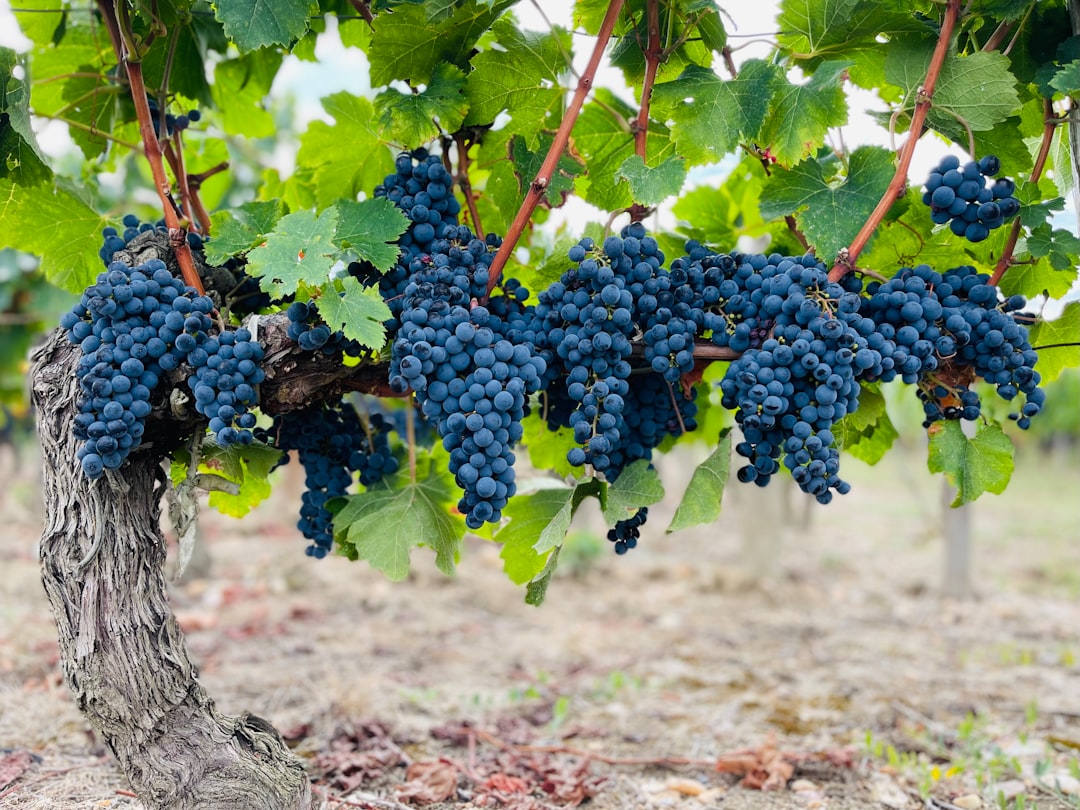
Photo by John Cameron on Unsplash
By The Longevity Dose Editorial Team · Evidence-reviewed · Last updated June 2026
Resveratrol and longevity research have been tangled together for over two decades, and the debate is far from settled. The compound, found in red wine and grape skins, exploded into mainstream consciousness around 2003 when Dr. David Sinclair at Harvard published research suggesting it could activate sirtuins — proteins linked to aging and cellular repair. Since then, supplement companies have sold billions of dollars’ worth of resveratrol capsules to people hoping to slow the clock. But the actual science tells a much messier, more complicated story than the marketing ever will.
Key Takeaways
- Resveratrol extends lifespan in yeast, worms, and mice — but human evidence for longevity effects remains weak as of 2026.
- A landmark 2013 study in JAMA Internal Medicine found no cardiovascular, cancer, or longevity benefit in 783 older adults with higher urinary resveratrol levels over nine years.
- Bioavailability is a serious problem: resveratrol is rapidly metabolized, meaning most of what you swallow never reaches target tissues at meaningful concentrations.
- The most honest answer is that resveratrol is interesting science but not a proven anti-aging intervention in humans — and the hype has consistently outrun the evidence.
Where Did the Resveratrol-Longevity Connection Come From?
The story starts with sirtuins. In 2003, Dr. Sinclair’s lab published a paper in Nature showing that resveratrol activated SIRT1 in yeast and extended yeast lifespan by up to 70%. That’s a remarkable number. But yeast are not people, and the path from a petri dish to a human lifespan has claimed many promising compounds before.
The excitement grew when subsequent research showed resveratrol extended lifespan in nematode worms and fruit flies. Then, in 2006, a study in Nature found that high-dose resveratrol improved metabolic health and survival in obese mice on a high-fat diet. That paper made headlines worldwide. The “red wine pill” narrative had arrived, and supplement companies moved fast.
It’s worth understanding what sirtuins actually are. They’re a family of proteins (SIRT1 through SIRT7) involved in DNA repair, inflammation control, and cellular stress responses. Activating them sounds obviously good. But whether resveratrol reliably activates them in intact human cells, at doses you can actually absorb, is a different question entirely.
Bottom line: The original resveratrol science was genuinely exciting, rooted in real biology. The jump from yeast and mouse studies to human anti-aging claims, though, was made by marketers, not the science itself.
What Does Human Research on Resveratrol Actually Show?
This is where things get sobering. The most important piece of human evidence came from Dr. Richard Semba and colleagues at Johns Hopkins, published in JAMA Internal Medicine in 2014. They measured resveratrol metabolites in the urine of 783 older adults in the Chianti region of Italy, following them for nine years. Higher resveratrol exposure was not associated with lower rates of cardiovascular disease, cancer, or all-cause mortality. The researchers concluded there was “no evidence that higher resveratrol levels were associated with better health outcomes.”
That’s a real-world population study with nearly a decade of follow-up. It can’t be dismissed easily. And it aligns with the frustrating pattern in human clinical trials, where resveratrol’s effects have been far more modest than animal studies suggested.
Some shorter-term human trials have found benefits in specific contexts. For example, research suggests resveratrol may modestly improve insulin sensitivity and reduce some inflammatory markers in people with metabolic syndrome. A 2010 study in Cell Metabolism by Dr. Johan Auwerx’s group found that 150 mg/day of resveratrol for 30 days improved mitochondrial function in obese men. These are real signals. But improved metabolic markers in obese subjects over 30 days is a long way from “extends human lifespan.”
The Bioavailability Problem
Here’s the fundamental challenge with resveratrol. Your body treats it like a foreign compound and eliminates it fast. Oral bioavailability of the parent compound is extremely low, because the liver rapidly converts it to metabolites — meaning most of what you swallow never reaches target tissues at meaningful concentrations. Peak plasma levels after supplementation are low and short-lived.
This matters because the impressive cell-culture experiments often use concentrations of resveratrol that would be impossible to achieve in human tissues through oral supplementation. Researchers have tried micronized forms, liposomal delivery, and pterostilbene (a related compound with better bioavailability), but the translation problem hasn’t been fully solved.
Bottom line: Human trials don’t replicate the dramatic longevity effects seen in animals. Some metabolic benefits appear in short-term studies, but the landmark nine-year population data found no mortality benefit. Bioavailability is a genuine barrier that oral supplements haven’t overcome.
Does Red Wine Give You Meaningful Resveratrol?
No. The resveratrol content of red wine varies considerably by grape variety, region, and winemaking process, and the amount in a standard glass is far too small to replicate what research studies have tested. Human studies that found any effects used supplemental doses orders of magnitude higher than anything achievable through diet — typically in the range of hundreds of milligrams per day, as documented in the clinical trial record summarised at Examine.com. Even drinking wine every day, you would fall so far short of the doses used in research that dietary resveratrol from wine is not a meaningful route to the concentrations those studies tested. The cardiovascular benefits sometimes associated with moderate wine consumption are almost certainly driven by other factors, including social behavior, lifestyle patterns, and possibly the alcohol itself (though alcohol carries its own aging-related risks).
This doesn’t mean red wine is worthless. But if you’re drinking it hoping for a resveratrol effect, that’s not the mechanism at work.
Bottom line: Resveratrol from dietary sources, including red wine, is too low to replicate what research studies have tested. The “drink wine for longevity” narrative doesn’t hold up scientifically.
What About Dr. Sinclair’s Personal Use of Resveratrol?
Dr. Sinclair has been publicly open about taking 1,000 mg of resveratrol daily, mixed with yogurt or another fat source (to improve absorption). He pairs it with NMN, which you can read more about in our Complete Guide to NAD+ and NMN. He’s also discussed taking metformin — see our breakdown of metformin for anti-aging evidence.
It’s important to separate what Sinclair does personally from what the evidence proves. He’s a scientist making an informed personal bet, not prescribing a protocol. He’s acknowledged that his self-experimentation isn’t a clinical trial. And his sirtuin-resveratrol theory has faced serious criticism from other researchers, including a high-profile 2009 dispute with Dr. Pfizer scientist David Beebe, who argued that Sinclair’s original SIRT1 activation findings were artifacts of the fluorescent molecule used in the assay. That debate hasn’t been fully resolved.
Sinclair’s book Lifespan: Why We Age is still worth reading for the broader theory of aging it lays out, even if you take the resveratrol claims with appropriate skepticism. If you want a more conservative, data-driven framework, Dr. Peter Attia’s approach in Outlive: The Science and Art of Longevity puts resveratrol lower on the priority list compared to exercise, sleep, and metabolic health.
Bottom line: Dr. Sinclair’s personal use of resveratrol is a calculated personal bet rooted in a coherent theory. But his own research has been contested, and personal supplementation protocols don’t constitute clinical proof.
Is Resveratrol Safe to Take?
Generally, resveratrol appears to be well tolerated in the short-term human studies conducted to date, though the upper boundary of safe use has not been established by a regulatory body, and individual tolerance varies. Common side effects at higher doses include nausea, diarrhea, and abdominal discomfort. One significant concern: evidence shows that high-dose resveratrol may actually blunt the adaptive benefits of exercise. A 2013 study in Journal of Physiology by Dr. Mathew Sylow and colleagues found that 250 mg/day of resveratrol supplementation in older men reduced the cardiovascular benefits of exercise training.
This is a real problem if you’re serious about longevity. Exercise is the single most evidence-backed longevity intervention we have. Taking a supplement that might interfere with it is not a trivial tradeoff. The mechanism appears to involve resveratrol’s antioxidant effects counteracting the beneficial oxidative stress signals (hormesis) that drive training adaptations.
Resveratrol also has mild estrogenic activity and may interact with blood thinners and certain medications. If you take any prescription medications, talk to your doctor before adding it.
Bottom line: Resveratrol is probably safe at standard doses, but the evidence that it may reduce exercise adaptations is a meaningful concern for anyone using exercise as a primary longevity strategy — which should be everyone.
How Does Resveratrol Compare to Other Longevity Interventions?
| Intervention | Human Evidence Strength | Primary Mechanism | Practical Verdict |
|---|---|---|---|
| Resveratrol | Weak (mostly animal data) | Sirtuin activation, AMPK | Not proven; may reduce exercise benefits |
| Zone 2 Exercise | Very strong | VO2 max, mitochondrial health | Most evidence-backed intervention |
| Metformin | Moderate (TAME trial ongoing) | AMPK activation, mTOR | Promising; prescription only |
| NMN/NR | Moderate (raises NAD+) | NAD+ restoration, sirtuins | Promising; longevity proof still pending |
| Rapamycin | Strong in animals, early human data | mTOR inhibition | Most compelling drug candidate; significant risks |
For broader context on where resveratrol sits in a complete supplement strategy, see our Longevity Supplement Stack 2026 comparison. And if you want to prioritize your longevity efforts, Zone 2 training has a far stronger evidence base than any supplement currently available.
The Verdict: Should You Take Resveratrol in 2026?
Resveratrol is one of the most studied longevity compounds in history, and the honest answer is still: we don’t know if it works in humans. The animal data is real and biologically interesting. The human data is underwhelming. The bioavailability problem is unsolved. And the potential interference with exercise benefits is a legitimate concern you can’t ignore.
If you’re already doing the fundamentals well — consistent exercise including zone 2 cardio, adequate sleep, a clean diet, and stress management — then resveratrol with a fat source is a low-risk addition with some theoretical upside, though what dose makes sense for you is a question for a clinician who knows your full picture. Take it on rest days if you’re worried about blunting exercise adaptations. That’s a reasonable, cautious approach.
But if you’re spending money on resveratrol while skipping workouts or sleeping six hours a night, you’re investing in the wrong place. No supplement, including resveratrol, comes close to the longevity return you get from exercise, sleep, and metabolic health. The NIH National Institute on Aging continues to fund resveratrol research precisely because the underlying biology is compelling — but compelling biology is not the same as proven human benefit.
The resveratrol story isn’t over. Better delivery systems, combination approaches with NAD+ precursors, and more rigorous human trials may change the picture. But as of June 2026, the evidence doesn’t support taking it as a cornerstone longevity strategy. It belongs in the “worth watching, proceed with calibrated skepticism” category. You can read the full Examine.com research summary on resveratrol for the complete clinical trial breakdown.
Affiliate Disclosure: The Longevity Dose may earn a small commission if you purchase through the links below, at no additional cost to you. We only link products and books with a genuine research track record. Learn more.
What We Recommend
- Lifespan: Why We Age — David Sinclair. Dr. Sinclair’s detailed case for the information theory of aging, including his full explanation of why he believes in resveratrol and sirtuins. Essential reading for understanding the science — even where you might disagree with his conclusions.
- Outlive: The Science and Art of Longevity — Dr. Peter Attia. Dr. Attia’s framework puts supplements like resveratrol in proper context against exercise, sleep, and metabolic health. The most actionable longevity book available right now, and the best counterbalance to supplement-centric thinking.
Frequently Asked Questions
Does resveratrol actually extend human lifespan?
There is no clinical evidence as of 2026 that resveratrol extends human lifespan. It extends lifespan in yeast, worms, and mice, but a nine-year population study published in JAMA Internal Medicine in 2014 found no association between resveratrol exposure and reduced mortality in humans. Short-term human trials have shown some metabolic benefits, but longevity effects remain unproven.
What dose of resveratrol do researchers use?
Human clinical trials have used doses ranging from 150 mg to 1,000 mg per day. Dr. David Sinclair has publicly stated he takes 1,000 mg daily with a fat-containing food to improve absorption. Over-the-counter supplements vary widely in the dose they contain per capsule, so checking the label of any specific product is essential. There is no established optimal dose for longevity in humans because the longevity benefit itself hasn’t been proven.
Can resveratrol interfere with exercise benefits?
Evidence suggests it can. A 2013 study published in the Journal of Physiology found that 250 mg/day of resveratrol supplementation reduced cardiovascular adaptations to exercise training in older men. The proposed mechanism is that resveratrol’s antioxidant properties blunt the beneficial oxidative stress signals that drive training adaptations. If you supplement with resveratrol, consider taking it on rest days rather than before or after workouts.
Is resveratrol in red wine meaningful for longevity?
No. The resveratrol content of red wine varies considerably by grape variety, region, and winemaking process, and the amount in a standard glass is far too small to replicate what research studies have tested. Studies that found any biological effects used doses of 150 mg or more per day. You could not consume enough wine to reach those doses without severe alcohol-related harm. Any cardiovascular benefits associated with moderate wine consumption are not explained by resveratrol content.
How does resveratrol compare to other longevity supplements like NMN?
Both resveratrol and NMN target sirtuin-related pathways, and Dr. Sinclair takes both together. However, NMN has stronger recent human evidence for actually raising NAD+ levels in the body. Resveratrol’s bioavailability is a bigger limiting factor. Neither has proven longevity effects in humans, but NMN’s mechanism (restoring NAD+) is more directly supported by current clinical data. You can explore the comparison further in our Does NMN Actually Work? breakdown.
Should I take resveratrol if I’m healthy and focused on longevity?
If your fundamentals are solid — consistent exercise, quality sleep, metabolic health, and a good diet — resveratrol with a fat source is a low-risk addition with plausible biological upside, though the right dose for any individual depends on factors a clinician is better placed to assess than a blog. It should not replace exercise or sleep. Given the potential interference with exercise adaptations, taking it on rest days is a reasonable precaution. Most longevity-focused clinicians, including Dr. Peter Attia, consider it a lower priority than the lifestyle fundamentals.
Liked This? Keep Reading.
Get the next post in your inbox. Real science on longevity, supplements, and fitness — no hype.
Drop your email below. Weekly. No spam. Unsubscribe anytime. ↓