
Zone 2 Cardio vs Strength Training: Which Is Better for Longevity?
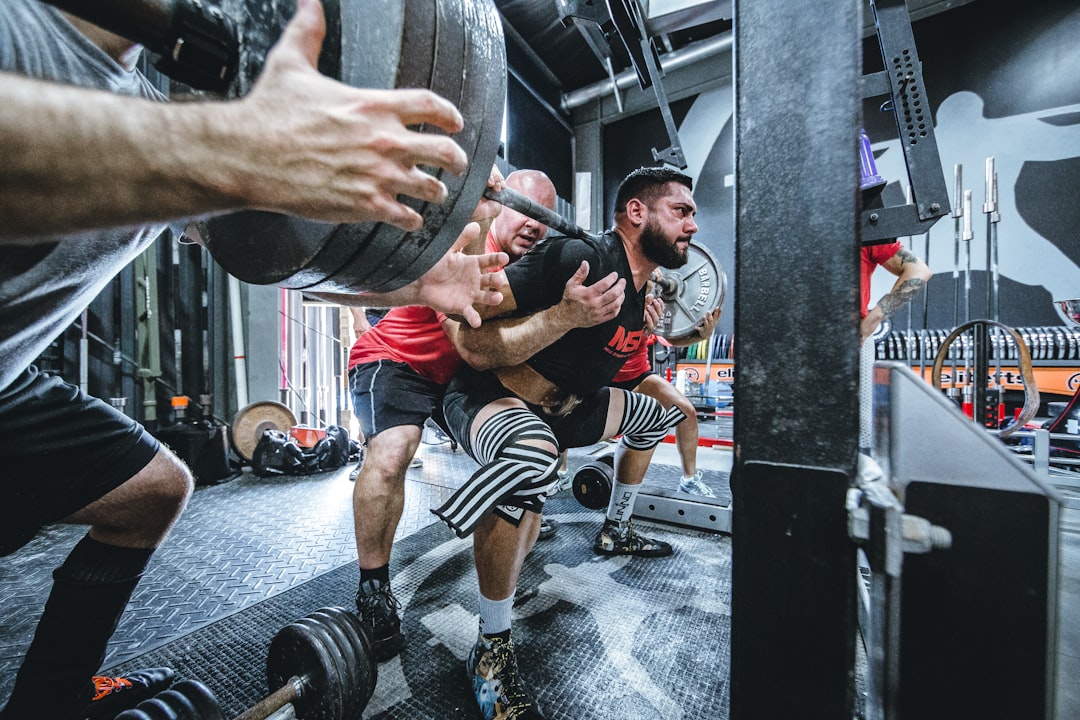
Photo by Alora Griffiths on Unsplash
By The Longevity Dose Editorial Team · Evidence-reviewed · Last updated June 2026
If you only have time for one type of exercise, zone 2 cardio and strength training are the two most evidence-backed choices for a longer life — and the debate between them matters more than most longevity conversations you’ll have. Dr. Peter Attia frames it precisely in Outlive: cardiorespiratory fitness and muscle mass are the two strongest physical predictors of all-cause mortality we have. But when you compare zone 2 cardio vs strength training for longevity directly, the research tells a nuanced story that goes well beyond “do both.” Knowing which one to prioritize — based on your age, your current fitness, and what the data actually shows — can make a measurable difference in how long you live and how well you live those years.
Key Takeaways
- VO2 max, which is primarily built through zone 2 and high-intensity cardio, is the single strongest exercise-based predictor of all-cause mortality — a low VO2 max carries a higher mortality risk than smoking in some studies.
- A 2022 systematic review and meta-analysis in the British Journal of Sports Medicine found resistance training was associated with a meaningful reduction in all-cause mortality risk, and it dramatically lowers the risk of falls, fractures, and metabolic disease in adults over 50.
- For most healthy adults aged 35-60, the evidence points toward combining meaningful weekly zone 2 cardio with at least two resistance training sessions — not one or the other.
- If you must choose one, the evidence slightly favors zone 2 cardio for cardiovascular mortality reduction before age 60, but strength training becomes increasingly critical after 60 due to sarcopenia risk.
Zone 2 Cardio: The Mitochondrial Engine for Long Life
What Zone 2 Actually Does to Your Body
Zone 2 cardio means working at a moderate, sustained effort — the intensity where you can still hold a conversation, but only just, and your body runs primarily on fat for fuel. At this effort level, your body runs almost entirely on fat for fuel, and it relies heavily on your mitochondria to do it. That distinction matters enormously for aging.
As you push your mitochondria to sustain this kind of steady-state output repeatedly, several things happen at the cellular level. Mitochondrial density increases. Existing mitochondria become more efficient. And your body gets better at clearing damaged mitochondria through a process called mitophagy — essentially, cellular quality control. Dr. Iñigo San Millán at the University of Colorado, one of the leading researchers on zone 2 physiology, describes this as building the aerobic base that underpins every other system in your body.
What the Evidence Shows
The mortality data for cardiorespiratory fitness is striking. As we covered in depth in our post on VO2 max as a longevity predictor, a landmark analysis published in JAMA Network Open found that individuals in the lowest VO2 max quintile had a 5-fold higher all-cause mortality risk compared to those in the highest quintile. That risk gap is larger than the gap between smoking and not smoking in some cohorts.
Zone 2 training is the primary driver of VO2 max improvements in most non-elite adults. It also directly reduces cardiovascular disease risk — the leading cause of death globally — through lower resting blood pressure, improved endothelial function, and reduced arterial stiffness. Furthermore, consistent zone 2 training improves insulin sensitivity, which matters deeply for metabolic health and long-term brain function.
Practical Protocol
Dr. San Millán and Dr. Attia both publicly discuss several hours of true zone 2 per week as a longevity target — their podcasts and published work are worth reading directly for the reasoning behind it. That translates to three 60-75 minute sessions or four 45-minute sessions of brisk walking, easy cycling, rowing, or jogging. Your effort level should land at a heart rate that varies meaningfully by age and fitness — the zone 2 heart rate guide by age can help you find yours — and you should be able to speak in full sentences, if not comfortably.
The practical barrier is time. Four hours of low-intensity cardio per week is a real commitment. And zone 2 done wrong — at too high an intensity — loses most of its mitochondrial benefit. Many people accidentally train in “zone 3,” which is too hard for mitochondrial adaptations and too easy for VO2 max improvements.
Honest Downsides
Zone 2 does very little for muscle mass or bone density. It won’t prevent sarcopenia — the age-related loss of muscle that accelerates after 60. Done in extreme volumes without resistance training, it can actually contribute to muscle loss. And while the cardiovascular evidence is exceptional, zone 2 alone leaves a significant longevity gap unaddressed.
Strength Training: The Muscle-Mass Insurance Policy
Why Muscle Mass Becomes a Longevity Variable After 50
Muscle mass is not just about looking fit. After 40, adults who do not train against it lose muscle steadily through a process called sarcopenia — and the muscle mass and longevity statistics behind this decline are more alarming than most people realize. By 70, someone who never trained may have lost a substantial fraction of the muscle they had at 30 — enough to materially raise fall risk, fracture risk, and all-cause mortality. That loss directly increases fall risk, fracture risk, metabolic dysfunction, and all-cause mortality.
Strength training is the most effective intervention we have for reversing or slowing sarcopenia, and the evidence for strength training’s role in longevity is overwhelming. Evidence shows that resistance training can rebuild meaningful muscle mass even in adults in their 80s. That’s a powerful finding. The mechanism involves mTOR activation, which drives muscle protein synthesis, alongside improvements in neuromuscular coordination and bone mineral density.
The Mortality Data on Resistance Training
A 2022 systematic review and meta-analysis in the British Journal of Sports Medicine, covering over 1.7 million adults, found that resistance training alone was associated with a 10-17% reduction in all-cause mortality, cardiovascular disease mortality, and cancer mortality. Importantly, the mortality benefit appeared to plateau at a relatively modest weekly volume — more resistance training was not necessarily better for mortality outcomes specifically.
Grip strength, which is a proxy for overall muscle function, is one of the most consistent predictors of mortality in large epidemiological studies. The data here is robust. Weak grip strength in midlife reliably predicts early death, independent of other risk factors.
Practical Protocol
For longevity purposes, 2-3 strength sessions per week covering major movement patterns is the practical target. That means compound lifts: squats, deadlifts, pressing, rowing, and hip hinge patterns. You don’t need to maximize hypertrophy. You need to maintain and build functional strength across multiple joints.
Creatine monohydrate is worth mentioning here. It’s the most researched supplement for muscle function, and it has a growing body of evidence for cognitive benefits as well. Thorne Creatine Monohydrate (NSF Certified for Sport) is one we reference because the product quality matches what the research used — 3-5 grams daily, consistently.
If you want a comprehensive framework for structuring both strength and cardio around longevity goals, Dr. Attia’s Outlive remains the most practical guide available. His “Centenarian Decathlon” concept — training backward from what physical capacity you want at 85 — reframes how to think about exercise selection entirely.
Honest Downsides
Strength training carries higher injury risk than zone 2 cardio, especially when technique is poor or load progression is aggressive. It also does not substantially improve VO2 max or mitochondrial density. And the cardiovascular protection it offers, while real, appears smaller than what consistent aerobic training provides for cardiovascular mortality specifically.
Head-to-Head Comparison: Zone 2 Cardio vs Strength Training for Longevity
| Factor | Zone 2 Cardio | Strength Training |
|---|---|---|
| All-cause mortality reduction | Very strong (up to 5x risk gap by VO2 max quintile) | Strong (10-17% reduction in meta-analysis) |
| Cardiovascular disease protection | Excellent | Moderate |
| Muscle mass preservation | Minimal | Excellent |
| Bone density improvement | Minimal (impact sports help more) | Good |
| Mitochondrial health | Excellent | Moderate |
| Insulin sensitivity | Very good | Very good |
| Fall and fracture prevention | Poor | Excellent |
| Cognitive health | Strong (BDNF, cerebral blood flow) | Good |
| Injury risk | Low | Moderate (technique-dependent) |
| Time commitment for benefit | 3-4 hours/week | 60-120 min/week |
The Verdict: What the Evidence Actually Recommends
Here’s the honest answer: the research does not support choosing one over the other. But if you’re looking for a priority order, it shifts by decade.
Before age 60, VO2 max is the more powerful mortality predictor, and zone 2 cardio is your highest-leverage investment. A low VO2 max carries a larger mortality risk than almost any other modifiable factor, as highlighted by some of the most striking cardiovascular fitness statistics in recent research. Building and protecting your aerobic fitness in your 40s and 50s is the single most evidence-backed exercise decision you can make. Our full deep-dive on zone 2 training for longevity covers the physiological mechanisms in detail.
After age 60, sarcopenia risk becomes dominant. Muscle loss accelerates, falls become a leading cause of injury-related death, and metabolic function depends increasingly on lean mass. At this stage, strength training becomes the higher-leverage intervention — not because cardio stops mattering, but because muscle loss becomes the more acute threat. Many people in this cohort also find that pairing their exercise routine with regular sauna use supports longevity through complementary cardiovascular and recovery benefits.
The practical protocol for most adults aged 35-60 in 2026: 3 hours of zone 2 per week plus 2 dedicated strength sessions, and our complete science-backed guide to longevity exercise walks through exactly how to structure both. That’s roughly 4-5 total exercise days. Adults who combine both exercise types consistently show lower all-cause mortality in cohort studies than those who do only one — the direction of the finding is consistent even where the exact mechanism is still debated. Of course, exercise is only one piece of the longevity puzzle — caloric restriction and intermittent fasting represent two of the most studied dietary strategies for extending lifespan and work synergistically with a structured exercise protocol.
What the evidence does NOT support: skipping cardio entirely because you lift, or skipping weights because you run. Both gaps are measurable in the mortality data. Tracking where you stand on both dimensions is worth doing — our guide to biological age testing covers how to measure fitness-related markers alongside epigenetic and metabolic data.
One thing worth acknowledging honestly: most of the strongest evidence comes from epidemiological studies, not randomized controlled trials. We know that people who do more zone 2 and more resistance training live longer. Whether those exercise behaviors are causing the longevity or partly reflecting it (healthy people exercise more) is still debated. But the effect sizes are large enough, and consistent enough across populations, that the behavioral recommendation holds up well.
Affiliate Disclosure: The Longevity Dose may earn a small commission if you purchase through the links below, at no additional cost to you. We only link products and books with a genuine research track record. Learn more.
What We Recommend
- Thorne Creatine Monohydrate. NSF Certified for Sport, creatine is the most research-supported supplement for preserving muscle mass and strength as you age — take 3-5g daily with your strength training protocol.
- Outlive: The Science and Art of Longevity — Dr. Peter Attia. The clearest framework for integrating zone 2 cardio and strength training into a longevity exercise plan — Dr. Attia’s “Centenarian Decathlon” concept is the best mental model for training in your 40s and 50s.
Frequently Asked Questions
Is zone 2 cardio or strength training better for heart health?
Zone 2 cardio provides stronger direct cardiovascular protection. Evidence from large cohort studies consistently shows that higher VO2 max, which is primarily built through aerobic training, is associated with dramatically lower cardiovascular mortality risk. Strength training also reduces cardiovascular risk, but the effect size for cardiac outcomes specifically is smaller than what consistent zone 2 training produces.
How many days a week should I do zone 2 cardio for longevity?
Research and practitioner consensus, including Dr. Iñigo San Millán’s work, points to 3-4 sessions per week totaling roughly 3-4 hours of true zone 2 training. Each session should last 45-75 minutes at an effort where you can speak in full sentences. More is not always better — zone 2 done at too high an intensity loses its core mitochondrial adaptation benefit.
Can strength training alone extend lifespan without cardio?
Strength training alone does reduce all-cause mortality risk meaningfully — the 2022 British Journal of Sports Medicine meta-analysis found a 10-17% reduction in mortality with resistance training alone. However, adults who combine both cardio and strength training consistently show lower mortality risk than those who do either alone. Strength training without cardio leaves VO2 max and cardiovascular fitness largely unaddressed, which are powerful independent mortality predictors.
What is the minimum effective dose of strength training for longevity?
The mortality benefit data from large studies suggests that even a modest weekly volume of resistance training produces significant all-cause mortality reductions — you don’t need to train like a bodybuilder for the longevity signal to appear. That’s roughly two 20-30 minute sessions covering major compound movements. Additional volume helps with muscle mass and functional fitness, but the longevity signal specifically doesn’t require training like a bodybuilder.
Does zone 2 cardio prevent muscle loss as you age?
Zone 2 cardio does not meaningfully prevent sarcopenia — the progressive muscle loss that accelerates after age 50. Only resistance training reliably stimulates muscle protein synthesis and preserves lean mass with aging. If you only do zone 2 without any resistance training, you may have excellent cardiovascular fitness while losing significant muscle mass, which increases fall risk and metabolic dysfunction over time.
Should I do zone 2 and strength training on the same day?
You can train both on the same day, but heavy endurance work done immediately before strength work in the same session can blunt the strength adaptation signal — a pattern that has been studied in concurrent training research. If combining on one day, most evidence supports doing strength training first, then zone 2 cardio — or separating them by several hours. Separate days generally produce cleaner adaptations for both systems, which is the preferred approach when schedule allows.
Liked This? Keep Reading.
Get the next post in your inbox. Real science on longevity, supplements, and fitness — no hype.
Drop your email below. Weekly. No spam. Unsubscribe anytime. ↓