
GlyNAC vs Creatine: Which Is Better for Aging Muscle?
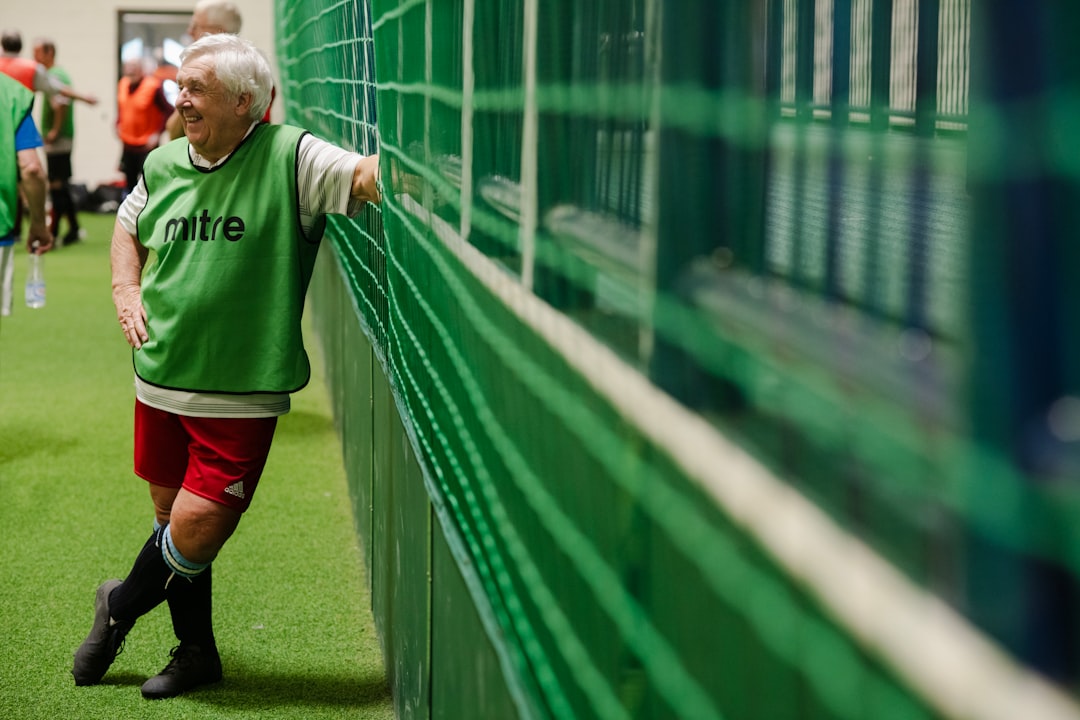
Photo by Age Cymru on Unsplash
By The Longevity Dose Editorial Team · Evidence-reviewed · Last updated August 2026
Both GlyNAC and creatine have real human trial data behind them for aging muscle, but they work through completely different mechanisms and are not interchangeable. If you’re over 50 and trying to decide where to put your supplement budget, the GlyNAC vs creatine for aging muscle question comes up constantly — and for good reason. Muscle loss after 60 is one of the strongest predictors of early death, and both of these compounds target it from very different angles. This post breaks down exactly what each one does, what the evidence actually supports, and which one deserves your money first.
Key Takeaways
- Creatine monohydrate has decades of human trial data supporting strength, muscle mass, and cognitive benefits in older adults, making it the more established option.
- A 2021 randomized controlled trial by Dr. Rajagopal Sekhar at Baylor College of Medicine found GlyNAC supplementation improved muscle strength, gait speed, and mitochondrial function in older adults over 24 weeks.
- For most people over 50, starting with creatine after 50 (3-5g daily) is the lower-risk, better-proven first step; adding GlyNAC later makes sense if oxidative stress or mitochondrial decline is a concern.
- Neither supplement replaces progressive resistance training. The evidence for both compounds is strongest when combined with exercise, not used instead of it.
Why This Comparison Matters After 50
Muscle doesn’t just disappear because you’re getting older. It disappears because of specific, addressable biological failures: oxidative stress, mitochondrial dysfunction, inadequate protein synthesis, and reduced phosphocreatine availability. As we’ve covered in our guide to muscle loss after menopause, the rate of sarcopenia accelerates sharply after 60, and the consequences aren’t just cosmetic. Weak muscle predicts falls, metabolic dysfunction, and shortened lifespan.
Creatine addresses one part of that problem. GlyNAC addresses another. They’re not rivals so much as tools designed for different jobs. But if you can only start with one, you need to know which job is more urgent.
GlyNAC: The Glutathione Rebuilder
What It Is and How It Works
GlyNAC is a combination of glycine and N-acetylcysteine (NAC). These two amino acids are the precursors your body needs to produce glutathione, the master antioxidant that declines significantly with age. By around age 70, glutathione levels in muscle tissue are measurably lower than in young adults — the depletion is significant enough that Dr. Sekhar’s Baylor research treats correcting it as a primary intervention target, not a side effect.
Low glutathione means runaway oxidative stress, and oxidative stress directly degrades muscle fibers and mitochondrial function. GlyNAC replenishes the raw materials your cells need to rebuild their antioxidant defenses. It’s a supply-chain fix, not a drug.
What the Human Evidence Actually Shows
The most important study here is the 2021 randomized controlled trial published in Clinical and Translational Medicine, led by Dr. Sekhar. Twenty-four weeks of GlyNAC supplementation in older adults improved mitochondrial function, reduced oxidative stress, corrected glutathione deficiency, and produced measurable gains in muscle strength and gait speed compared to placebo. These were real people, not mice.
A follow-up 2023 pilot trial in healthy older adults (published in PubMed via the NIH database) showed similar results, with improvements in grip strength and walking speed persisting after the supplementation period ended. The sample sizes are still small — we’re talking 12-24 participants per arm — so this evidence is promising but not yet definitive. It’s a step above animal studies, but a step below large Phase 3 trial territory.
Practical Use
The dosing used in Dr. Sekhar’s trials was weight-adjusted for each participant; the exact protocol is detailed in the published papers, and the figures vary enough by body weight that replicating them correctly requires checking the original methodology rather than relying on a rounded number. In practice, the right dose depends on your body weight and tolerance — which is why our dedicated post on GlyNAC dosage protocols works through the calculation, and why this is a question worth raising with a clinician who can see your full picture. Our dedicated post on GlyNAC dosage protocols breaks down the exact math by body weight.
GlyNAC is generally well tolerated. NAC at high doses can cause nausea in some people, which is why splitting doses with food helps. Glycine, separately, has also shown sleep quality benefits in some research, so taking your glycine portion at night is a reasonable approach.
Downsides and Limitations
The trial data is genuinely exciting, but it’s limited. Small sample sizes and short durations mean we don’t know the long-term effects, optimal dosing for every age group, or whether the gains compound over years. GlyNAC is also more expensive than creatine, typically $60-100/month for a full dose. And because glycine is naturally found in collagen-rich foods, people who already eat a high-collagen diet (bone broth, fish, organ meats) may not see as dramatic a response. You can read more about the glycine angle in our post on collagen vs glycine for longevity.
Creatine: The Most Proven Supplement for Aging Muscle
What It Is and How It Works
Creatine monohydrate works by increasing phosphocreatine stores in muscle tissue. Phosphocreatine is the rapid-fire energy currency your muscles use during the first 10 seconds of intense effort. More of it means more reps, more force, and faster recovery between sets. Over time, that translates to greater muscle protein synthesis and preserved lean mass.
Creatine also has a secondary mechanism that matters specifically for aging: it appears to reduce myostatin, a protein that actively suppresses muscle growth and rises with age. And evidence shows it may support mitochondrial membrane integrity, giving it a small but real overlap with GlyNAC’s territory.
What the Human Evidence Actually Shows
Creatine’s evidence base is, frankly, enormous. A 2017 meta-analysis in the Journal of Strength and Conditioning Research reviewed 22 randomized controlled trials in older adults and found that creatine supplementation combined with resistance training produced significantly greater gains in lean muscle mass and upper and lower body strength than resistance training alone.
A 2021 review in Nutrients confirmed that older adults (60+) respond to creatine supplementation at least as well as younger adults, and sometimes better, partly because baseline phosphocreatine stores in aging muscle are lower to start with. The evidence for cognitive benefits in older adults is also building: a 2022 meta-analysis found creatine improved working memory and processing speed, which matters given the brain-muscle connection in fall risk — and we cover what the evidence says about creatine for brain aging in detail separately. You can see why our creatine for women over 50 guide rates it so highly.
Practical Use
How much creatine is right for you depends on your body weight, kidney health, and training load — your clinician is the right person to confirm a starting point, though the doses studied in older-adult trials are well within a range most people tolerate easily. No loading phase is required; muscle phosphocreatine stores rise gradually with consistent daily dosing, though the timeline to full saturation varies between individuals and hasn’t been pinned to a single figure across all the relevant trials. Take it with or without food — absorption is similar either way, though some people find it easier to tolerate with a meal.
For product quality, look for third-party tested options. Thorne Creatine Monohydrate is NSF Certified for Sport, meaning it’s been independently verified for purity and dose accuracy — important when you’re taking something daily for years.
Downsides and Limitations
Creatine is not for everyone. People with pre-existing kidney disease should discuss it with their doctor before starting, as it increases creatinine levels in bloodwork (a kidney marker), which can confuse results even when kidney function is fine. Some people retain a small amount of water initially, which registers as scale weight gain. This is intracellular water in muscle, not fat, but it can be alarming if you don’t expect it. At 3-5g daily, serious side effects are rare and well-documented as absent in healthy older adults across dozens of trials.
GlyNAC vs Creatine for Aging Muscle: Head-to-Head Comparison
| Factor | GlyNAC | Creatine |
|---|---|---|
| Primary mechanism | Restores glutathione; reduces oxidative stress | Replenishes phosphocreatine; boosts ATP output |
| Human trial quality | Small RCTs (12-24 participants) — promising | Large meta-analyses of 20+ RCTs — well-established |
| Muscle strength gains | Yes — shown in 24-week RCT | Yes — consistently across many trials |
| Mitochondrial support | Strong — core mechanism | Secondary — membrane support only |
| Cognitive benefits | Early signals — limited data | Yes — memory and processing speed in meta-analyses |
| Monthly cost (approx.) | $60-100 | $10-20 |
| Safety profile | Good — NAC may cause nausea at high doses | Excellent — decades of safety data |
| Works without exercise | Partially — metabolic benefits independent of training | Minimally — requires resistance training stimulus |
| Best candidate | Older adults with high oxidative stress, poor diet, or low activity | Anyone over 50 doing resistance training |
The Verdict: Which One Should You Take First?
Start with creatine. This is not a hedge — it’s the honest, evidence-based answer. Creatine monohydrate has more human trial data, a longer safety record, a lower price, and proven benefits for both muscle and brain. If you’re already doing resistance training (and you should be — see our strength training for longevity guide), creatine amplifies your results in ways that are well-documented in people your age.
GlyNAC is genuinely exciting, and it’s not hype. But “exciting small trial results” and “proven intervention” are different categories. The Baylor research is some of the most interesting aging muscle data published in the past five years, and Dr. Sekhar’s team deserves credit for doing actual human RCTs. However, the sample sizes are small enough that you shouldn’t make it your primary strategy before the basics are covered.
When GlyNAC Makes Sense as an Addition
GlyNAC moves up the priority list if you fit a specific profile. Consider adding it if you’re over 65, if your diet is low in animal protein (which provides glycine and cysteine naturally), if you have visible signs of high oxidative stress like poor wound healing or chronic fatigue, or if you’ve already optimized creatine, protein intake, and resistance training and want to address the mitochondrial layer. In that context, the two supplements are genuinely complementary, not competitive.
Creatine handles the energy side of muscle performance. GlyNAC handles the oxidative stress and mitochondrial maintenance side. The biology doesn’t overlap much, which means taking both together is rational if budget allows.
What Neither Can Do
Neither supplement will save muscle that isn’t being challenged. The evidence for both is strongest in people who are also doing resistance training. If you’re sedentary, your first investment is a set of dumbbells and a program, not a supplement stack. And if you’re not eating enough protein, supplements won’t compensate. Our post on how much protein you need after 60 explains the baseline you need to hit before supplementation becomes the limiting factor.
Affiliate Disclosure: The Longevity Dose may earn a small commission if you purchase through the links below, at no additional cost to you. We only link products and books with a genuine research track record. Learn more.
What We Recommend
- Thorne Creatine Monohydrate. NSF Certified for Sport and used in aging research contexts, this is the cleanest, best-verified creatine on the market. At 3-5g daily, it’s the single most cost-effective muscle longevity supplement for adults over 50.
- Lifespan: Why We Age by Dr. David Sinclair. If you want to understand the deeper biology behind why interventions like GlyNAC and creatine matter, Sinclair’s explanation of the information theory of aging is the clearest framework available for a non-specialist reader.
Frequently Asked Questions
Can you take GlyNAC and creatine together?
Yes, GlyNAC and creatine work through entirely different mechanisms and have no known interactions. Creatine addresses phosphocreatine and ATP availability, while GlyNAC addresses glutathione and mitochondrial oxidative stress. Taking both together is a rational strategy for adults over 60 who want to address multiple drivers of muscle aging simultaneously.
How long does GlyNAC take to work for muscle?
The main human trial by Dr. Sekhar at Baylor College of Medicine ran for 24 weeks, and improvements in muscle strength and gait speed were measured at that endpoint. Based on the available evidence, the main human trial ran for 24 weeks before physical changes were measured, so giving GlyNAC a full several months before drawing conclusions is more honest than expecting a rapid signal. Shorter trials simply haven’t been conducted yet.
What is the correct creatine dose for someone over 60?
The doses studied in older-adult creatine trials sit within a modest daily range — small enough that cost and tolerability are rarely the barrier, and consistent enough across the literature that the general direction of the evidence is clear even where exact figures differ by study. A loading phase is not necessary and may cause digestive discomfort — the trials in older adults that showed meaningful strength and mass gains used steady, moderate daily doses rather than a high-dose front-loading period. Full muscle saturation is reached gradually at the maintenance dose; consistent daily use over several weeks is more important than the exact week it completes. Take it consistently and combine it with resistance training for the best results.
Does GlyNAC work without exercise?
GlyNAC appears to produce some metabolic and mitochondrial benefits independent of exercise, including improvements in oxidative stress markers and insulin sensitivity, based on the Baylor trial data. However, its muscle strength improvements were measured in participants who maintained some baseline activity. It is not a substitute for resistance training, but it may offer more standalone benefit than creatine in sedentary or frail older adults.
Is creatine safe for older adults with kidney concerns?
Creatine supplementation raises serum creatinine levels in bloodwork, which can look alarming but does not indicate kidney damage in people with healthy kidney function. The accumulated trial data in healthy older adults has not found evidence of kidney damage at the modest daily doses studied, though anyone with diagnosed kidney disease should speak with their physician before starting, as those populations were largely excluded from the research. However, anyone with diagnosed kidney disease or reduced kidney function should consult their physician before starting creatine, as the evidence specifically excludes people with pre-existing kidney conditions.
Which supplement is better for brain health — GlyNAC or creatine?
Creatine currently has stronger human evidence for cognitive benefits, including a 2022 meta-analysis showing improvements in working memory and processing speed in older adults. GlyNAC has theoretical relevance for brain health through glutathione and oxidative stress reduction, but direct cognitive outcome data in humans is limited as of 2026. If brain health is your primary concern alongside muscle, creatine is the better-evidenced choice right now.
Liked This? Keep Reading.
Get the next post in your inbox. Real science on longevity, supplements, and fitness — no hype.
Drop your email below. Weekly. No spam. Unsubscribe anytime. ↓