
GlyNAC Supplement: Does the Dosage Actually Work?
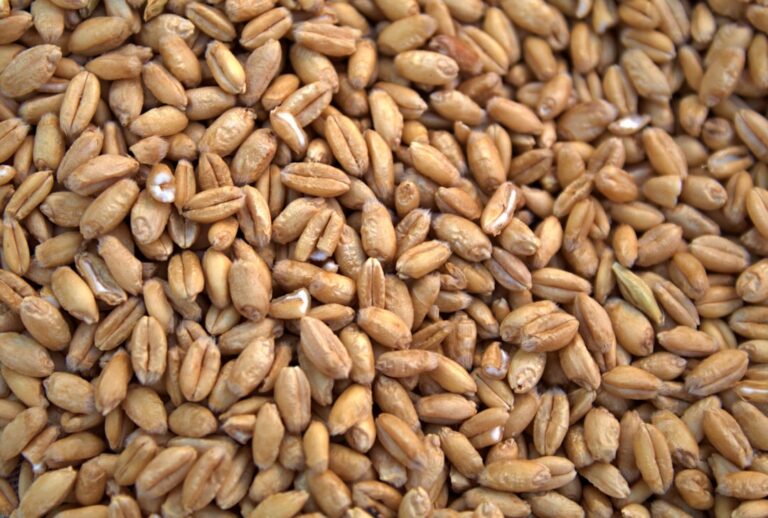
Photo by Centre for Ageing Better on Unsplash
By The Longevity Dose Editorial Team · Evidence-reviewed · Last updated July 2026
GlyNAC, the combination of glycine and N-acetylcysteine, has produced some of the most surprising results in recent longevity supplement research. Unlike most supplements that look promising in mice and fizzle out in humans, GlyNAC has actual human trial data showing real improvements in muscle strength, walking speed, cognitive function, and markers of biological aging. But the right GlyNAC supplement dosage, the safety profile, and who genuinely benefits are questions that get muddied fast once supplement companies get involved. Here’s what the science actually says.
Key Takeaways
- The most cited human trials used 1.33 mmol/kg/day of both glycine and NAC, which works out to roughly 7-10g of glycine and 4-8g of NAC daily for most adults, taken for 16-24 weeks.
- A 2021 randomized controlled trial led by Dr. Rajagopal Sekhar at Baylor College of Medicine found GlyNAC supplementation in older adults improved glutathione levels, muscle strength, gait speed, cognition, and multiple aging biomarkers over 24 weeks.
- GlyNAC works by replenishing glutathione, your body’s primary internal antioxidant, which declines significantly with age and cannot be effectively replaced by taking glutathione directly.
- Evidence in humans is promising but still early. Only a handful of small trials have been completed; larger, longer-term replication studies are needed before GlyNAC can be called a proven longevity intervention.
What Exactly Is GlyNAC and Why Does Dosage Matter?
GlyNAC isn’t a single molecule. It’s a two-part combination: glycine (an amino acid your body makes but produces less of as you age) and N-acetylcysteine (a precursor to cysteine, another amino acid). Together, they supply the two rate-limiting building blocks for glutathione synthesis in the body.
Glutathione is your cells’ master antioxidant. It doesn’t just neutralize free radicals. It also supports mitochondrial function, detoxification, and immune signaling. The problem is that glutathione declines substantially with age — Dr. Sekhar’s 2021 randomized controlled trial, published in The Journal of Nutrition, documented severely depleted glutathione levels in older adults compared to younger controls, which is what the GlyNAC supplementation was designed to address. You can’t simply supplement glutathione directly because it breaks down in the gut before it reaches your cells.
That’s why dosage matters so much with GlyNAC. You’re not taking a substance that acts directly. You’re supplying raw materials for your body to build something. Too little, and you don’t move the needle on glutathione levels. Too much, and you’re wasting money at minimum, and potentially creating GI stress. The right dose has to be calibrated to actually shift your intracellular glutathione.
Bottom line: GlyNAC works indirectly by restoring glutathione production. The dose used in trials is much higher than most commercial products contain, and that gap matters enormously.
What Did the Human Trials Actually Use for GlyNAC Supplement Dosage?
The most important study to know is Dr. Rajagopal Sekhar’s 2021 randomized controlled trial, published in The Journal of Nutrition. This trial enrolled 24 older adults (aged 61-80) and 12 younger adults and supplemented the older group with GlyNAC for 24 weeks.
The dose used was 1.33 mmol/kg/day of both glycine and NAC. For a 75kg (165 lb) adult, that translates to approximately 7.5-9g of glycine and 5-7g of NAC per day. This is a high dose. Most over-the-counter GlyNAC products contain a fraction of what the trials actually used per serving — meaning if you’re comparing a standard capsule to the 1.33 mmol/kg/day dose from the Sekhar RCT, the gap for a typical adult is substantial.
After 24 weeks at this dose, the researchers observed:
- Glutathione levels in red blood cells rose to near-youthful levels in the supplemented older adults.
- Mitochondrial function, measured by fatty acid oxidation, improved significantly.
- Muscle strength, gait speed, and exercise capacity all improved.
- Cognitive function scores improved on multiple tests.
- Markers of inflammation, oxidative stress, and insulin resistance all declined.
A follow-up pilot study in 2022, also by Dr. Sekhar’s group, found similar results and added data on genomic damage, showing GlyNAC appeared to reduce DNA strand breaks in older participants. Both were small trials (under 30 participants each) but were randomized and placebo-controlled, which makes them the best quality evidence we have for this specific intervention as of 2026.
Separately, a 2025 study published in the Journal of Gerontology: Biological Sciences (PMID 39492659) examined sex differences in aging hearts of mice supplemented with glutathione precursors including glycine and NAC. Female mice showed greater improvements in cardiac metabolism and reduced fibrosis markers than males. This is preliminary animal data, not directly transferable to humans, but it raises an interesting question about whether GlyNAC dosing may eventually need to be stratified by sex.
Also worth noting: a 2026 study in Poultry Science (PMID 41980553) showed GlyNAC supplementation improved antioxidant capacity and glutathione levels in heat-stressed chickens. That’s an animal study and tells us nothing directly about human longevity, but it does reinforce the basic mechanism that glycine plus NAC reliably raises glutathione in living tissue under stress conditions.
Bottom line: The human trial dose is 1.33 mmol/kg/day of each component, roughly 7-9g glycine and 5-7g NAC for a typical adult. Most commercial supplements fall significantly short of this.
Is the Trial Dosage Safe?
Glycine is one of the safest amino acids known. It’s found abundantly in collagen-rich foods, and the Sekhar trials found no serious adverse events from glycine supplementation at the doses used — a reassuring signal, though individual tolerance should still guide how you build up. The Sekhar trials found no serious adverse events from glycine supplementation at the doses used.
NAC is trickier. As the dose rises, NAC can cause nausea, GI discomfort, and in some people, headaches — how much is too much varies by individual, which is one reason building up gradually and spreading doses across meals matters, and why anyone pushing toward trial-equivalent doses should do so with a doctor’s input. The FDA has also created regulatory ambiguity around NAC as a dietary supplement, which has made some manufacturers cautious. Spreading the dose across meals significantly reduces GI side effects in most people.
Importantly, NAC has been used at high doses therapeutically for decades, including intravenous use in hospitals for acetaminophen overdose. So the safety profile at moderate oral doses is reasonably well characterized. That said, people on blood thinners or with kidney disease should speak to a doctor before taking high-dose NAC.
For context, if you’re already taking NAD+ precursors for mitochondrial support, you can read our complete guide to NAD+ and NMN for anti-aging to understand how these pathways differ and whether stacking them makes sense for your situation.
Bottom line: At trial doses, glycine appears safe for most adults. High-dose NAC can cause GI side effects; spreading it across meals helps. Medical supervision is advisable for doses above 3g NAC per day.
Does the Commercial GlyNAC Dose Actually Do Anything?
This is the honest question most articles avoid. If the trials used 7-9g of glycine and 5-7g of NAC, but the capsule you bought contains 1g of each, are you getting any benefit?
Probably some, but not the same effect. Glutathione synthesis is dose-dependent. Lower precursor availability means a smaller increase in glutathione production. Whether the smaller increase from a lower dose produces clinically meaningful changes in muscle function or cognition simply hasn’t been studied.
It’s similar to the Zone 2 training data, where below a certain threshold of weekly minutes, the cardiovascular benefit largely disappears. You can read more about that threshold in our guide to Zone 2 training for longevity. The principle is the same: dose-response relationships matter, and below a threshold, you may not be in the effective range.
Some people do choose to build toward trial-equivalent doses over time, starting at lower doses to assess GI tolerance and increasing gradually. This is a reasonable approach, particularly given that high-dose NAC can be rough on the stomach initially.
Bottom line: Commercial GlyNAC products at standard doses haven’t been tested in trials. The beneficial results documented in the Sekhar trials came from doses that, for a typical adult, work out to roughly 7-9g of glycine and 5-7g of NAC daily — considerably more than most commercial products provide per serving. Managing expectations here is important.
How Does GlyNAC Compare to Other Longevity Supplements?
| Supplement | Human Trial Evidence | Key Outcome Measured | Limitation |
|---|---|---|---|
| GlyNAC | Small RCTs (n=24-30) | Glutathione, muscle, cognition | Very small trials, no long-term data |
| NMN/NR | Multiple small RCTs | NAD+ levels, some metabolic markers | No lifespan data in humans |
| Urolithin A | Phase 2 RCT data | Mitophagy, muscle endurance | Early stage, few trials |
| Creatine | Extensive RCT database | Muscle mass, strength, cognition | No direct longevity endpoint studied |
| Metformin | Epidemiological + TAME trial ongoing | Aging biomarkers, cancer, CV risk | Rx-only, possible muscle interference |
Compared to supplements like NMN, GlyNAC stands out because the human trial outcomes include functional measures, not just biomarker changes. If you’re interested in how GlyNAC stacks up against other mitochondria-focused interventions, our GlyNAC vs Urolithin A comparison and our breakdown of Urolithin A vs Fisetin for longevity both cover the same evidence-quality questions for those compounds.
Who Should Consider GlyNAC?
The trial participants were adults aged 61-80 with measurably depleted glutathione levels. That’s the population where the evidence is strongest. If you’re under 50, in good health, and eating adequate protein, your glycine and cysteine availability is probably sufficient and GlyNAC may not move the needle much for you.
People who may benefit most, based on current evidence, include adults over 60, those with HIV (Sekhar’s earlier work showed profound glutathione depletion in this population), people with type 2 diabetes, and anyone with chronically poor protein intake. Cognitive decline is also a plausible target: the trial data showed improvements on multiple cognitive tests, which connects to the broader picture of mitochondrial health and brain aging. For more on that link, see our complete guide to brain aging after 40.
Bottom line: GlyNAC is most likely to be useful for adults over 60, those with known glutathione depletion, and possibly those with metabolic dysfunction. Younger, healthy adults have less evidence supporting its use.
The Verdict
GlyNAC has the most compelling human trial data of almost any longevity supplement discussed in 2026. The results from Dr. Sekhar’s trials are genuinely interesting: muscle function, gait speed, cognition, mitochondrial health, and oxidative stress all improved in older adults after 24 weeks. That’s a broad effect profile you rarely see from a single intervention.
But three things deserve honest emphasis. First, the trials are small. A 24-person RCT is not a definitive answer. Replication in larger, independent trials is needed. Second, the doses used are higher than most commercial products provide. If you’re taking 1g of glycine and 1g of NAC from a capsule, you’re not replicating what the trial did. Third, the 2025 mouse study suggesting sex differences in response to glutathione precursors (PMID 39492659) raises questions about personalization that we simply can’t answer yet with human data.
GlyNAC earns a cautious “worth considering” for adults over 60 who are serious about this space, especially if combined with the lifestyle fundamentals that dominate the longevity evidence base: strength training, adequate protein, sleep, and cardiorespiratory fitness. It doesn’t replace those. Nothing does.
If you want to try GlyNAC at closer to trial-equivalent doses, building up slowly (starting at 2-3g glycine and 1-2g NAC with meals) over several weeks is a sensible approach. Individual tolerance to high-dose NAC varies considerably. And as always, loop in your doctor, especially if you take any medications.
Affiliate Disclosure: The Longevity Dose may earn a small commission if you purchase through the links below, at no additional cost to you. We only recommend products we genuinely believe in. Learn more.
What We Recommend
- Tru Niagen (NAD+ Precursor, NR). If you’re exploring the mitochondrial support angle alongside GlyNAC, Tru Niagen is the most studied NR supplement with actual human clinical trial data, making it a credible companion to a glutathione-focused protocol.
- Thorne Basic Nutrients 2/Day. A clean, NSF-certified multivitamin that covers the cofactors (B vitamins, zinc, selenium) your body needs to run glutathione recycling efficiently, a useful foundation if you’re optimizing at this level.
Frequently Asked Questions
What is the correct GlyNAC dosage for adults?
The human trials conducted by Dr. Rajagopal Sekhar at Baylor College of Medicine used 1.33 mmol/kg/day of both glycine and NAC. For a typical 75kg adult, that’s approximately 7-9g of glycine and 5-7g of NAC per day, taken in divided doses with meals for 16-24 weeks. Most commercial products contain significantly less than this, and no trials have confirmed whether lower doses produce the same benefits.
How long does it take for GlyNAC to work?
In Dr. Sekhar’s 24-week trial, measurable improvements in glutathione levels appeared within the first few weeks, but functional improvements in muscle strength, gait speed, and cognition were assessed at the end of the full 24-week protocol. It’s reasonable to plan for at least a 12-16 week commitment before expecting to notice changes.
Can I take NAC alone instead of GlyNAC?
NAC alone raises cysteine, which helps with glutathione synthesis, but glycine is also a rate-limiting precursor. Evidence from Sekhar’s lab specifically found that older adults were deficient in both glycine and cysteine availability, not just one. Taking NAC alone may produce some benefit, but the combination appears more effective at fully restoring glutathione levels in aging tissue.
Are there side effects from GlyNAC supplementation?
Glycine is well-tolerated at high doses in most people. At higher doses, NAC can cause nausea, GI cramping, or headaches in some individuals, with tolerance varying considerably from person to person. Taking it in divided doses with food significantly reduces these effects. People on anticoagulants or with kidney disease should consult a physician before using high-dose NAC.
Does GlyNAC work for younger adults?
The human trial data focused on adults aged 61-80, where glutathione depletion is well-documented. Younger, healthy adults typically have adequate glycine and cysteine availability, so the benefit of supplementation is less clear. There is currently no published human trial evidence supporting GlyNAC use specifically for longevity in people under 50.
Is GlyNAC better than NMN or other longevity supplements?
GlyNAC and NMN work through completely different pathways: GlyNAC targets glutathione and mitochondrial function via antioxidant replenishment, while NMN targets NAD+ availability. GlyNAC currently has broader functional outcome data in humans (muscle, gait, cognition) compared to NMN, which has mostly shown biomarker changes. Neither has long-term lifespan data in humans, and they are not direct competitors since they address different aspects of cellular aging.
Liked This? Keep Reading.
Get the next post in your inbox. Real science on longevity, supplements, and fitness — no hype.
Drop your email below. Weekly. No spam. Unsubscribe anytime. ↓