Sarcopenia Warning Signs at 40: Can You Reverse It?
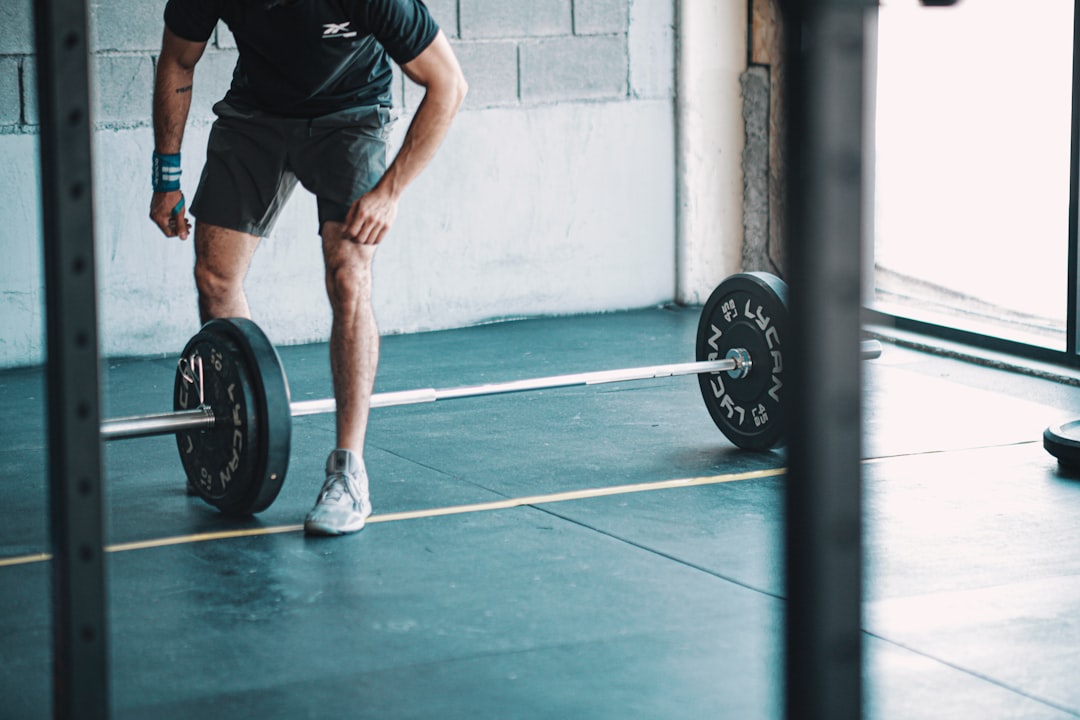
Photo by Eduardo Cano Photo Co. on Unsplash
By The Longevity Dose Editorial Team · Evidence-reviewed · Last updated August 2026
Sarcopenia, the age-related loss of muscle mass and strength, doesn’t wait until your 70s to start — and as our complete guide to preventing sarcopenia after 40 explains, the window for intervention is earlier than most people realize. Muscle decline begins as early as your mid-30s, and by 40 the trajectory is already established. Most people miss the early sarcopenia warning signs at 40 because they don’t look dramatic yet. But catching this process early, before you’ve lost significant muscle, is when intervention is most effective. The good news: evidence shows that sarcopenia is not inevitable, and meaningful reversal is possible at almost any age if you act decisively.
Key Takeaways
- Muscle loss begins in your 30s and accelerates after 40, with adults losing roughly 3-8% of muscle mass per decade without intervention.
- A 2025 study in BMC Public Health found sarcopenia is independently associated with increased risk of functional disability in daily activities, making early detection critical.
- The five earliest warning signs include declining grip strength, slower walking speed, difficulty rising from a chair, unexplained fatigue, and visible loss of thigh or arm muscle.
- Resistance training combined with adequate protein (at least 1.6 g per kg of body weight daily) remains the highest-evidence intervention for both preventing and partially reversing sarcopenia.
What Exactly Is Sarcopenia, and Why Does It Start at 40?
Sarcopenia is the progressive loss of skeletal muscle mass, strength, and physical function that accelerates with age. The word comes from the Greek for “poverty of flesh,” which is a pretty accurate description. It’s officially defined by a combination of low muscle mass and either low muscle strength or poor physical performance.
Adults typically lose 3-8% of their muscle mass per decade starting in their 30s — a trajectory shaped by the same hormonal shifts covered in our guide to longevity for women, menopause, and aging. After 60, that rate can double. But the biology that drives this process, declining anabolic hormones, reduced protein synthesis efficiency, increased inflammation, and deteriorating motor neurons, is already shifting in your 40s. Waiting until you feel weak to address it means you’ve already lost ground you’ll struggle to recover.
A 2024 analysis using National Health and Nutrition Examination Survey (NHANES) data, published in Scientific Reports, found that anthropometric measurements like waist-to-height ratio and body fat distribution predict sarcopenia risk in adults, including middle-aged populations. In other words, body composition warning signs show up in measurable, practical ways long before you feel frail.
Bottom line: Sarcopenia isn’t a disease that appears suddenly in old age. It’s a decades-long process you can interrupt at 40 if you know what to look for.
What Are the Sarcopenia Warning Signs at 40?
This is the question that matters most for people in their 40s. Most warning signs are subtle enough to dismiss as “just getting older.” But each one is a measurable signal worth taking seriously.
1. Grip Strength Is Declining
Grip strength is one of the most validated early markers of sarcopenia and overall health trajectory. Research consistently shows it predicts mortality, disability, and cardiovascular risk better than many standard clinical tests — and grip strength targets by age give you a concrete benchmark to measure yourself against. If you can’t hold a dynamometer, try this: if jars feel harder to open than they used to, or you’re struggling with things that were easy two years ago, pay attention.
You can check where you stand with our grip strength test by age targets guide. For men in their 40s, a grip strength reading that sits meaningfully below what population norms show for your age group is a clinical yellow flag worth discussing with your doctor — our grip strength test by age guide has the reference ranges. For women, the same logic applies: a reading that falls below the population norm for your age is worth flagging, and our guide has the relevant reference ranges. These aren’t arbitrary numbers. They come from population data tied to real health outcomes.
2. Walking Speed Has Slowed
Walking speed is shockingly predictive. Walking speed is a validated predictor of disability and mortality risk — slower habitual pace tracks closely with worse outcomes in large population studies, which is why clinicians use it as a screening tool. You don’t need a lab to test this. Walk a short, measured distance at your normal pace and time it — if the result feels noticeably slower than it used to, or slower than people your age around you, that is worth raising with your doctor rather than dismissing.
We’ve covered this in detail in our walking speed longevity test guide. The key point: slow walking at 40 isn’t just unfitness. It’s a sign that muscle quality and neuromuscular coordination may already be declining.
3. Chair-Rise Difficulty
Standing up from a chair without using your arms is a direct test of lower-body power. Lower-body muscle is the first to go in sarcopenia, and the quadriceps and glutes are usually ground zero. If you’re using your hands or feel noticeably weaker than a few years ago when doing this, that’s a meaningful early signal.
4. Unexplained Fatigue and Reduced Recovery
Sarcopenic muscle is metabolically less efficient. It produces more fatigue-related byproducts during normal activity and recovers more slowly from exertion. If you’re noticing that a workout that used to feel normal now wipes you out for two days, reduced muscle quality is one plausible explanation worth ruling in.
5. Visible Muscle Loss, Especially in the Thighs and Arms
This one sounds obvious, but many people attribute it to “just aging.” Thigh circumference is actually a validated sarcopenia screening proxy in multiple studies. Lean thigh mass specifically tracks muscle quality more reliably than overall weight.
Bottom line: Grip strength, walking speed, chair-rise performance, recovery time, and visible thigh muscle are the five warning signs you can monitor yourself. None require a hospital visit.
Can You Actually Reverse Sarcopenia Once It Starts?
Yes, but the honest answer is: it depends on how much has been lost and what you’re willing to do. Partial reversal is well-supported by evidence at almost any age. Full reversal to peak-youth muscle mass is not realistic. But the functional goal, regaining enough muscle and strength to protect your independence, mobility, and metabolic health, is absolutely achievable at 40.
A 2026 study in Scientific Reports examining multi-component exercise interventions for sarcopenia found that combining resistance training with aerobic exercise produced better functional outcomes than either modality alone. Importantly, the study highlighted that personalized protocols outperformed standardized ones, meaning your program needs to be calibrated to your actual muscle function, not copied from a generic template.
A 2025 review in Innere Medizin (Heidelberg) reinforced the nutrition angle: undernutrition, and specifically inadequate protein intake, is a key driver of the frailty-sarcopenia overlap. The review concluded that nutritional interventions need to run alongside exercise for meaningful reversal, not after.
Bottom line: Sarcopenia reversal is real and evidence-supported, but it requires combining resistance training with adequate protein. Either strategy alone produces modest results. Together, they compound.
What Does the Intervention Protocol Actually Look Like?
Here’s where most articles get vague. Let’s be specific about what evidence actually supports.
Resistance Training: The Non-Negotiable Core
Resistance training is the only intervention with consistent, high-quality human evidence for both preventing and partially reversing sarcopenia. Two to three sessions per week targeting major muscle groups (legs, back, chest, shoulders) at a challenging intensity — enough that the final reps of each set are genuinely hard — is the structure the evidence consistently points toward. Progressive overload, gradually increasing weight or difficulty over time, is mandatory. Without progressive overload, adaptation stalls.
Our complete strength training for longevity guide covers the mechanistic detail. The summary: you need to challenge muscle to stimulate protein synthesis. Light resistance bands won’t cut it if you’re already losing ground.
Protein: More Than You Think
The old RDA of 0.8 g protein per kg of body weight was designed to prevent deficiency, not to preserve muscle in aging adults. How much protein you need to build or preserve muscle as an adult depends on your body weight, training load, and how well your kidneys are functioning — which is a conversation with a clinician who can see your labs, not a single figure a blog can hand you. For a 75 kg (165 lb) person, that’s 120-165 g of protein per day.
Leucine, a specific amino acid found in dairy, meat, eggs, and soy, is the key anabolic trigger. Leucine is the amino acid that acts as the primary trigger for muscle protein synthesis, so how much you need per meal depends on the protein sources you eat, your body size, and your training status — a question worth working through with a dietitian who can see your full intake. Spreading protein across 3-4 meals rather than loading it at dinner is also supported by evidence. See our deep dive on protein needs after 60 for the full breakdown, but the principles apply just as much at 40.
Creatine: The Most Evidence-Backed Supplement
Creatine monohydrate has decades of human trial data supporting its role in increasing muscle strength and lean mass, particularly when combined with resistance training. A loading phase isn’t required. A modest daily dose — without a loading phase — is enough to gradually saturate muscle creatine stores over time, and the long-term human trial record on this is solid; the exact amount that works for you depends on your body mass and baseline diet. Evidence in older adults specifically shows benefits for both muscle and cognitive function.
If you’re looking at creatine, Thorne Creatine Monohydrate is NSF Certified for Sport, which means third-party tested for purity. That matters when you’re buying a supplement you plan to take daily. Our comparison of GlyNAC vs creatine for aging muscle explains why creatine often wins as the starting point.
Zone 2 Cardio: The Supporting Cast
Low-to-moderate intensity aerobic exercise (Zone 2 cardio, the pace where you can hold a conversation but not sing) improves mitochondrial function in muscle tissue, which supports muscle quality even when it doesn’t directly build mass. Aim for enough weekly Zone 2 time to make it a genuine habit — several sessions spread across the week is the structure the evidence points toward. Our Zone 2 heart rate by age calculator helps you find the right intensity for your age.
Bottom line: The intervention protocol that evidence supports is resistance training 2-3x per week, 1.6-2.2 g protein per kg daily, 3-5 g creatine monohydrate, and 150+ minutes of Zone 2 cardio. This is not a supplement stack you can buy your way through. The training comes first.
How Does Sarcopenia Connect to Bigger Health Risks?
Sarcopenia isn’t just about looking or feeling weaker. A 2025 study in BMC Public Health following Chinese older adults found that sarcopenia, and even its individual components like low muscle strength alone, significantly predicted loss of ability to perform both basic daily activities and more complex instrumental tasks like managing medications or finances. The risk was measurable and independent of other health conditions.
Muscle mass is also your primary glucose disposal organ. Less muscle means worse insulin sensitivity, which means higher blood sugar, more fat accumulation, and higher cardiovascular risk. Sarcopenia and metabolic syndrome are deeply entangled. Addressing one addresses the other.
Additionally, a 2025 machine learning study in European Journal of Medical Research found that people with chronic diseases face compounding sarcopenia risk. Conditions like type 2 diabetes, heart disease, and kidney disease accelerate the process. If you have any of these, early screening isn’t optional. It’s urgent.
Low muscle mass also connects to fall risk, which in turn connects to fractures, hospitalization, and the kind of functional decline that ends independence. Our mobility and falls longevity guide covers this in more detail, but the link between sarcopenia and catastrophic health events is well-established.
Bottom line: Sarcopenia isn’t a cosmetic problem. It’s a metabolic, functional, and disability risk that compounds with time. Treating it at 40 is qualitatively different from treating it at 70.
The Verdict
Sarcopenia warning signs at 40 are real, measurable, and often ignored. The biology is clear: muscle decline starts early, accelerates with each decade, and carries serious functional consequences that compound over time — a process explored in depth in our guide on rucking for longevity over 50, where load-bearing activity is shown to meaningfully slow that trajectory. But sarcopenia is also one of the most modifiable aging processes we know of. The interventions work. Resistance training and adequate protein, specifically, have more consistent human evidence behind them than almost any longevity drug or supplement currently discussed.
If you’re 40 and reading this, you’re not too late. You’re actually at the optimal window. The cost of waiting another decade is high. The cost of starting now is a gym membership, a protein target, and consistency.
Affiliate Disclosure: The Longevity Dose may earn a small commission if you purchase through the links below, at no additional cost to you. We only link products and books with a genuine research track record. Learn more.
What We Recommend
- Thorne Creatine Monohydrate. Creatine is the single most evidence-backed supplement for fighting sarcopenia: decades of human trial data support its role in preserving and building muscle when combined with resistance training. Thorne’s version is NSF Certified for Sport, meaning it’s third-party tested for purity and accuracy, which matters when you’re taking something daily.
Frequently Asked Questions
What are the first signs of sarcopenia at 40?
The earliest signs are subtle and often dismissed as normal aging. Declining grip strength, slower walking pace, difficulty rising from a chair without using your arms, prolonged recovery after exercise, and visible thinning of the thighs and upper arms are the five most reliable early markers. Grip strength and walking speed are the two most validated clinically, because both have direct ties to disability risk and mortality in large population studies.
Can sarcopenia be reversed at 40?
Partial reversal is well-supported by evidence at 40 and beyond. Resistance training two to three times per week, combined with adequate protein intake (1.6-2.2 g per kg of body weight daily), produces measurable increases in muscle mass and strength in middle-aged adults. Full restoration to peak-youth muscle mass is unlikely, but regaining meaningful functional strength is absolutely achievable, especially when intervention starts early.
How much protein do I need to prevent sarcopenia?
Current evidence supports at least 1.6 g of protein per kg of body weight per day for adults trying to preserve or rebuild muscle. For a 75 kg adult, that’s approximately 120 g daily. Leucine, a specific amino acid that triggers muscle protein synthesis and found in dairy, eggs, meat, and soy, is the key variable — how much you need per meal depends on your protein sources, body size, and training load, which a dietitian can help you work out. Spreading protein intake across 3-4 meals throughout the day is more effective than concentrating it in one large meal.
Does creatine help with sarcopenia?
Yes, creatine monohydrate has strong human trial evidence for improving muscle strength and lean mass, particularly when combined with resistance training. A daily dose of 3-5 g is the well-established protocol. Evidence in aging adults specifically shows benefits for both muscle preservation and cognitive function. Creatine is one of the few supplements where the human evidence for muscle protection is genuinely robust, not extrapolated from animal studies.
Is sarcopenia the same as just feeling weak or out of shape?
Not exactly. Being out of shape is reversible quickly with training. Sarcopenia involves actual loss of muscle fiber number and quality, particularly fast-twitch Type II fibers, as well as neuromuscular deterioration. It’s a biological process driven by hormonal changes, chronic low-grade inflammation, and reduced anabolic signaling, not just inactivity. That said, inactivity dramatically accelerates it, which is why resistance training is the primary intervention.
When should I see a doctor about sarcopenia?
You should discuss sarcopenia screening with your doctor if you notice two or more of the warning signs described above, if you have a chronic disease that increases risk (diabetes, heart disease, kidney disease, or COPD), or if you’ve noticed unintentional weight or muscle loss over a period of months that you cannot explain. A doctor can order a DEXA scan to measure muscle mass directly, or use validated questionnaires like the SARC-F screening tool to assess risk formally.
Liked This? Keep Reading.
Get the next post in your inbox. Real science on longevity, supplements, and fitness — no hype.
Drop your email below. Weekly. No spam. Unsubscribe anytime. ↓