Alcohol and Biological Aging: What the Newest Data Says
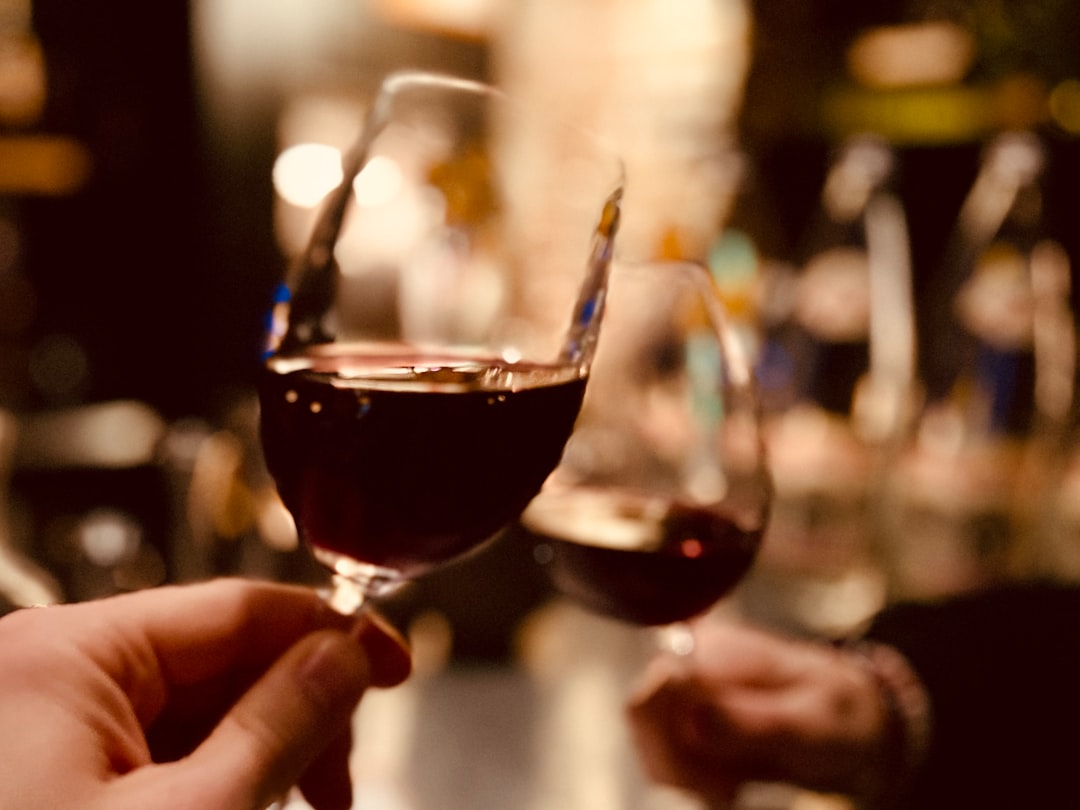
Photo by Roppo Baker on Unsplash
By The Longevity Dose Editorial Team · Evidence-reviewed · Last updated August 2026
Alcohol and biological aging don’t mix well, and the 2026 research makes that harder to ignore than ever. The old “a glass of red wine is good for you” narrative has been steadily dismantled over the past five years. New cohort data, epigenetic clock studies, and exposome-wide analyses now show that even moderate drinking accelerates measurable biological age, increases dementia risk, and promotes cancer progression through mechanisms we understand at a molecular level. If you’re someone who tracks your health closely and wants an honest read on what the evidence actually says, this is that read.
Key Takeaways
- A 2026 Lancet Healthy Longevity cohort study found alcohol is a significant risk factor for both early-onset dementia (before age 65) and late-onset dementia, independent of other lifestyle factors.
- Epigenetic clock research consistently shows that regular alcohol consumption accelerates biological age beyond what chronological age alone would predict, with heavier use showing dose-dependent acceleration.
- A 2026 review in Translational Oncology confirmed that alcohol metabolism generates acetaldehyde, a genotoxic compound that directly damages DNA and impairs repair across at least five cancer types.
- The “J-curve” benefit of light drinking seen in older studies has largely not survived adjustment for confounders like the sick-quitter effect, and most current researchers no longer recommend any level of alcohol for longevity purposes.
Why the Old “Moderate Drinking Is Fine” Research Broke Down
For decades, epidemiological studies appeared to show that light drinkers outlived abstainers. The problem was methodological. Many abstainers in those studies were former drinkers who quit due to illness, skewing the “no alcohol” group to look sicker. This is called the sick-quitter effect, and once researchers controlled for it properly, the apparent benefit of light drinking largely disappeared.
Mendelian randomization studies, which use genetic variants as proxies for lifelong alcohol exposure, have been especially revealing. Because genetic variants are assigned at birth, they sidestep the confounding that plagues observational research. Results from these studies consistently show no cardiovascular benefit from alcohol, and meaningful increases in cancer and stroke risk even at low intake. Dr. Peter Attia covers this distinction in depth, and his position as of 2026 is clear: no level of drinking improves long-term health outcomes when the evidence is assessed rigorously.
What the Research Shows: Alcohol’s Effect on Biological Age
Biological age, the age your body functions at regardless of your birth year, is now measurable using epigenetic clocks and composite biomarker scores like PhenoAge. These tools give researchers a way to quantify aging beyond simple chronological time.
A 2026 Chinese cohort study published in Archives of Gerontology and Geriatrics (PMID 41443161) developed and validated a modified PhenoAge algorithm across thousands of participants. Among the lifestyle factors analyzed, alcohol consumption was associated with accelerated biological aging as measured by this composite biomarker score. This wasn’t a fringe finding: it replicated what Western cohort studies have shown repeatedly.
Alcohol and Brain Age Specifically
Brain aging deserves its own category. A 2026 study published in Nature Communications (PMID 41963296) used an exposome-wide approach to map how the full range of environmental exposures, including alcohol, shapes the Brain Age Gap (BAG), which is the difference between your brain’s predicted age and your chronological age. A larger gap means your brain is aging faster than expected.
Alcohol was among the modifiable exposures associated with a worse BAG score. This matters because the brain aging process after 40 is already on a trajectory that most people don’t appreciate until symptoms appear. Anything that measurably pushes that trajectory in the wrong direction deserves serious attention.
The dementia data is equally direct. A 2026 prospective cohort study in Lancet Healthy Longevity (PMID 41936382) examined risk factors for both early-onset and late-onset dementia in a large UK sample. Alcohol use emerged as a significant risk factor for early-onset dementia specifically, the kind that strikes before age 65. This is particularly important because early-onset cases are often not on people’s radar as alcohol-related.
Alcohol and Cancer: A Molecular Explanation
A 2026 review in Translational Oncology (PMID 42061045) laid out the cancer-aging connection in molecular terms. When you drink, your body metabolizes ethanol into acetaldehyde, a compound classified as a Group 1 carcinogen by the International Agency for Research on Cancer. Acetaldehyde directly damages DNA, interferes with DNA repair pathways, and drives oxidative stress. The review confirmed dose-dependent cancer risk acceleration across breast, liver, colorectal, esophageal, and melanoma cancers.
Importantly, this isn’t a theoretical risk. The mechanisms are established. And because DNA damage is one of the core hallmarks of aging, any compound that reliably increases DNA damage is, by definition, a biological aging accelerant. There’s no way to frame acetaldehyde production as neutral for longevity.
What Heavy Drinking Does vs. Light Drinking: A Comparison
| Factor | Light Drinking (1-7 drinks/week) | Heavy Drinking (14+ drinks/week) |
|---|---|---|
| Epigenetic age acceleration | Modest but measurable in cohort data | Significant acceleration documented across multiple clocks |
| Dementia risk | Elevated for early-onset; modest for late-onset | Substantially elevated for both types |
| Cancer risk | Dose-dependent increase begins at first drink | High risk across 6+ cancer types |
| Sleep quality | Disrupts REM even at low doses | Severely fragments sleep architecture |
| Cardiovascular effect | Neutral to mildly negative after confounder adjustment | Raises blood pressure, atrial fibrillation risk |
| Liver impact | Mild; VLDL and triglyceride elevation possible | Progressive liver damage, VLDL dysregulation |
Sleep Is Where Alcohol Hurts Most Quietly
Many people drink to wind down. The irony is that alcohol actively destroys the sleep quality it temporarily appears to improve. Alcohol suppresses REM sleep in the first half of the night, then causes rebound activation in the second half, leading to fragmented, shallow rest. Since deep and REM sleep are the periods where the brain clears metabolic waste, consolidates memory, and regulates stress hormones, even occasional drinking measurably degrades the quality of sleep that protects your brain long-term.
If you’re already working on sleep optimization for longevity, alcohol is probably the single biggest reversible disruptor in that equation. The good news: sleep quality typically improves noticeably within one to two weeks of eliminating alcohol entirely.
What We Don’t Know Yet
Honesty requires acknowledging the gaps. Most cohort studies still can’t perfectly isolate alcohol from correlated behaviors like poor diet, stress, and inactivity. Mendelian randomization helps, but it has its own limitations, especially when genetic variants affect behavior broadly.
We also don’t have long-term randomized controlled trials on alcohol and biological age, because you can’t ethically randomize people to drink for decades. That means all the biological aging data is observational or mechanistic. The direction of the evidence is consistent and concerning, but the exact magnitude of harm from very light drinking (say, two to three drinks per week) remains genuinely uncertain at the individual level.
Additionally, genetics matter. People who carry variants in the ALDH2 gene, common in East Asian populations, metabolize acetaldehyde poorly and face sharply elevated cancer risk from even small amounts of alcohol. For those individuals, the risk calculus is even clearer.
Practical Protocol: How to Reduce Alcohol’s Impact on Your Biological Age
This isn’t about judgment. It’s about giving you a clear, actionable framework based on what the evidence supports in 2026.
If you currently drink regularly:
- Track your actual intake for two weeks. Portion sizes are consistently larger than people realise, and memory for how many you had tends to flatter you. A standard drink is 14 grams of pure ethanol: one 5-oz glass of wine, one 12-oz regular beer, or 1.5 oz of spirits.
- Set a weekly ceiling — the lower the better, and your clinician can help you land on a number that fits your own health picture. The dementia and cancer data show meaningfully higher risk above this threshold. Below 7, risk still exists, but it’s lower.
- Eliminate drinking in the hours before bedtime — the closer to sleep you drink, the more REM suppression the evidence documents. This single change protects sleep architecture substantially, even if total consumption stays the same.
- Build in alcohol-free days: the more the better, because your liver needs uninterrupted time to clear acetaldehyde and recover oxidative capacity. Your liver needs time to clear acetaldehyde and recover oxidative capacity.
- If your goal is longevity optimization, the evidence supports zero. That’s not a moral position. It’s just what the data says in 2026.
If you’ve recently quit or are cutting back:
- Support your liver with adequate protein. Protein needs are higher than most people think, and amino acid availability helps hepatic recovery.
- Focus on sleep consistency. Get 7-9 hours. Your brain’s glymphatic clearance will improve noticeably in the first weeks without alcohol.
- Consider your NAD+ levels. Alcohol chronically depletes NAD+, a coenzyme central to cellular energy and DNA repair. Supporting NAD+ through diet, exercise, or supplementation becomes especially relevant here. Evidence-based strategies for raising NAD+ naturally are available, and some people explore precursor supplements as well.
- Track your HRV. Heart rate variability tends to rise meaningfully after quitting alcohol. Checking your HRV baseline gives you a concrete biomarker to watch improve over time.
The Bottom Line on Alcohol and Biological Aging
Alcohol is a dose-dependent biological aging accelerant. The research showing this is not fringe. It comes from large cohort studies, mechanistic cancer biology, epigenetic clock analyses, and Mendelian randomization, and it converged further in 2026. The question isn’t whether alcohol affects biological age. Evidence shows it does, at measurable levels, across multiple organ systems.
The question is what you do with that information. No one needs to be perfect. But if you’re tracking biomarkers, investing in supplements, optimizing sleep, and working hard to slow your aging trajectory, alcohol is the variable most likely to quietly undermine all of it.
That’s the honest read. What you do with it is yours to decide.
Affiliate Disclosure: The Longevity Dose may earn a small commission if you purchase through the links below, at no additional cost to you. We only link products and books with a genuine research track record. Learn more.
What We Recommend
- Tru Niagen (NAD+ Precursor — NR). Alcohol depletes NAD+ chronically, which impairs DNA repair and cellular energy. Tru Niagen is the most clinically studied NR supplement and a reasonable option for people actively reducing or eliminating alcohol while working to restore NAD+ levels.
- Outlive: The Science and Art of Longevity — Dr. Peter Attia. Dr. Attia’s framework for long-term health covers alcohol honestly and in detail, alongside the broader Medicine 3.0 approach to risk assessment. Essential reading if you’re rethinking lifestyle factors that affect your biological age.
Frequently Asked Questions
Does alcohol really accelerate biological aging?
Yes, evidence shows that regular alcohol consumption accelerates biological age as measured by epigenetic clocks and composite biomarker scores like PhenoAge. A 2026 Chinese cohort study in Archives of Gerontology and Geriatrics found alcohol use was associated with accelerated biological aging across thousands of participants. The effect is dose-dependent: more alcohol corresponds to faster measurable aging.
Is light drinking really that harmful for longevity?
The evidence is less clear-cut at very low intake levels, but the “J-curve benefit” of light drinking has largely not survived rigorous confounder adjustment in modern research. Mendelian randomization studies find no cardiovascular benefit at any dose. Cancer risk begins to increase from the first drink due to acetaldehyde production. Most current longevity researchers, including Dr. Peter Attia, no longer recommend any level of drinking for health optimization.
How does alcohol affect the brain specifically?
Alcohol increases the Brain Age Gap, meaning your brain functions older than your chronological age suggests. A 2026 Nature Communications exposome-wide study (PMID 41963296) identified alcohol as one of the modifiable factors associated with worse brain age scores. Additionally, a 2026 Lancet Healthy Longevity cohort study (PMID 41936382) found alcohol to be a significant risk factor for early-onset dementia, which strikes before age 65.
How quickly does the body recover after quitting alcohol?
Sleep quality begins improving once alcohol is out of the picture — the improvement reflects the brain reasserting normal REM architecture rather than any slow biological repair. Liver function markers tend to improve meaningfully after stopping alcohol in people without established liver disease, though the pace varies with how much and how long you were drinking. HRV, a key longevity biomarker, tends to rise after quitting alcohol as the autonomic nervous system recovers from the disruption that even moderate drinking produces. NAD+ depletion caused by chronic alcohol use takes longer to correct and may benefit from dietary and supplementation support.
Does alcohol affect NAD+ levels?
Yes. Alcohol metabolism heavily consumes NAD+ in the liver, shifting the cellular NAD+/NADH ratio in ways that impair energy production and DNA repair. This is one reason why chronic drinkers often show accelerated aging across multiple organ systems. Supporting NAD+ through diet, exercise, and potentially NR or NMN supplementation is a reasonable strategy for people who are reducing or eliminating alcohol.
What is the safest amount of alcohol for someone focused on longevity?
The most honest answer, based on 2026 evidence, is zero. That said, the absolute risk difference between drinking nothing and drinking two to three units per week is genuinely small at the individual level and remains somewhat uncertain. If you choose to drink, the current data supports staying well below seven drinks per week, avoiding alcohol within three hours of sleep, and maintaining at least four alcohol-free days per week to allow hepatic recovery.
Liked This? Keep Reading.
Get the next post in your inbox. Real science on longevity, supplements, and fitness — no hype.
Drop your email below. Weekly. No spam. Unsubscribe anytime. ↓