NMN vs NR: Which NAD+ Booster Actually Works?
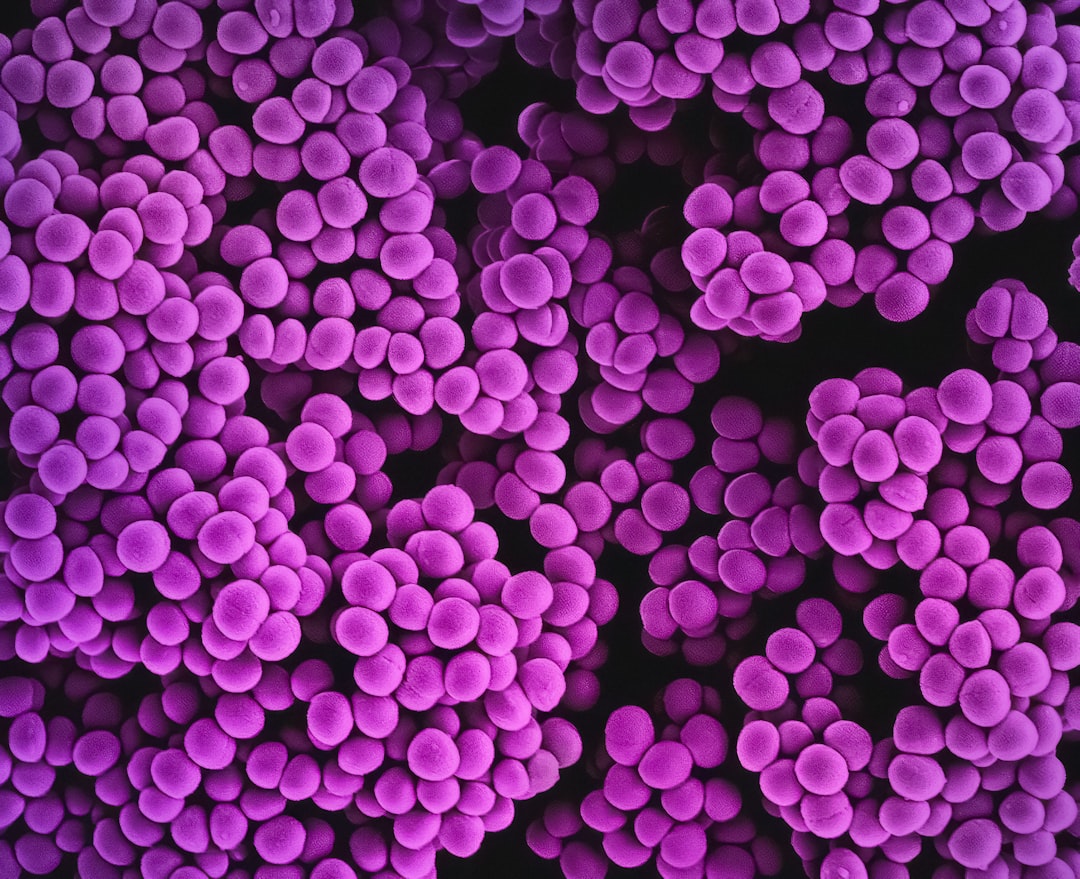
Photo by National Institute of Allergy and Infectious Diseases on Unsplash
By The Longevity Dose Editorial Team · Evidence-reviewed · Last updated June 2026
Both NMN and NR raise NAD+ levels in humans, but the evidence for longevity benefits in people is still early, and neither supplement has yet proven it extends human lifespan. If you’re comparing NMN vs NR for longevity, the honest answer in 2026 is that they both work mechanistically, the differences between them are smaller than the marketing suggests, and the more important question is whether boosting NAD+ actually translates into meaningful aging benefits for you. Here’s what the real science says.
Key Takeaways
- Both NMN and NR raise blood NAD+ levels in human clinical trials, but neither has proven longevity benefits in human studies as of 2026.
- NR has shown consistent whole blood NAD+ elevation in randomized controlled trials, with the magnitude depending on dose and the population studied.
- NMN converts to NR in the bloodstream before entering most cells, which means they may be more similar in effect than supplement companies want you to think.
- For most people, the honest recommendation is to prioritize sleep, exercise, and diet before spending money on either supplement — NAD+ is raised effectively by all three.
Why NAD+ Matters for Aging
NAD+ (nicotinamide adenine dinucleotide) is a coenzyme your cells need for energy production, DNA repair, and activating proteins called sirtuins. Dr. David Sinclair at Harvard has argued that declining NAD+ is a core driver of aging. And he’s not wrong that levels drop significantly with age: NAD+ concentrations fall significantly with age — the decline is well-documented across the research literature, even if the exact trajectory differs by tissue and individual.
The problem isn’t the biology. The problem is the leap from “NAD+ declines with age” to “taking NMN or NR will reverse aging.” Those are two very different claims, and the evidence supports the first much more strongly than the second.
That said, boosting NAD+ is one of the most biologically plausible longevity strategies we have. It’s why researchers at Harvard, the National Institutes of Health, and the Mayo Clinic are actively running human trials. This isn’t fringe science. It’s just not proven yet at the level of human lifespan.
What NMN and NR Actually Are
Both are NAD+ precursors, meaning your body converts them into NAD+. They take slightly different routes to get there.
NR (nicotinamide riboside) enters cells and converts to NMN, then to NAD+. NMN (nicotinamide mononucleotide) was believed to convert directly to NAD+, which was a key part of its marketing. But a landmark 2021 paper by Dr. Charles Brenner’s team showed that circulating NMN is largely converted to NR in the bloodstream before it enters most tissues. That finding significantly narrowed the theoretical gap between the two molecules.
In practical terms: they’re probably doing more similar things inside your body than either camp of supplement companies would like to admit.
What the Research Shows
Human evidence for NR
NR has the longer human trial record. Multiple studies indexed on PubMed confirm it raises blood NAD+ reliably. The most cited is a 2018 randomized crossover trial by Dr. Charles Brenner and colleagues, published in Nature Communications, which found 1,000 mg/day of NR increased whole blood NAD+ by an average of 60% in healthy middle-aged adults. Tru Niagen, the NR product used in several of these clinical trials, is one of the few supplements in this category with that level of trial exposure.
However, raising NAD+ in the blood doesn’t automatically mean the same increase is happening in the tissues where it counts most, like muscle and brain. That’s a genuine limitation of current biomarker data.
Human evidence for NMN
NMN human trials have accelerated since 2020. A well-designed 2022 randomized controlled trial by Dr. Hiroshi Irie and colleagues at Keio University found that 250 mg/day of NMN improved muscle insulin sensitivity in older women. Some NMN trial data from 2023 points to NAD+ elevation in skeletal muscle specifically, which matters because muscle NAD+ is harder to measure and arguably more functionally relevant than blood levels — though this finding needs replication in larger, longer studies.
These are promising findings. But they’re also small trials with short durations, and neither NMN nor NR has data from a multi-year, large-scale human trial showing reduced disease risk or extended healthspan. Neither NMN nor NR has data from a multi-year, large-scale human trial showing reduced disease risk or extended healthspan.
Animal data: impressive but not directly translatable
In mice, NAD+ precursors show remarkable effects: improved muscle function, better metabolism, protection against neurodegeneration, and in some studies, extended lifespan. Dr. Sinclair’s lab and others have published compelling mouse data. But mice are not humans, and many interventions that work in mice fail in human trials. It’s worth keeping that gap in mind every time you see dramatic longevity claims based on animal work.
NMN vs NR: Head-to-Head Comparison
| Factor | NMN | NR |
|---|---|---|
| Human trials (NAD+ elevation) | Yes, confirmed | Yes, confirmed |
| Years of human trial data | ~5 years | ~8 years |
| Typical effective dose | 250-500 mg/day | 300-1,000 mg/day |
| Cost per month (typical) | $40-$80 | $40-$70 |
| Muscle-specific NAD+ data | Emerging (2023 trial) | Limited |
| Proven human lifespan extension | No | No |
| Safety profile in humans | Good, no major signals | Good, well-established |
What We Don’t Know Yet
This is the section most supplement companies skip. Here’s what the science genuinely hasn’t answered:
- Whether raising blood or even muscle NAD+ translates into reduced disease risk or longer life in humans
- The optimal dose for different age groups and health conditions
- Whether one precursor outperforms the other in specific tissues (brain, liver, heart)
- Long-term safety beyond two to three years of supplementation
- Whether combining NMN or NR with other protocols (like the full NMN evidence picture) produces additive effects
The TAME trial (Targeting Aging with Metformin) and upcoming large-scale NAD+ trials may answer some of these questions. But right now, anyone claiming definitive longevity benefits from NMN or NR is running ahead of the evidence. You can read our full breakdown of metformin’s longevity evidence to see how a drug with far more human data still faces similar uncertainty.
Natural Ways to Raise NAD+ (Before You Buy Anything)
Before spending $60 a month on a supplement, it’s worth knowing that several free or low-cost habits raise NAD+ meaningfully. Evidence shows that the following all increase NAD+ production or reduce its breakdown:
- Exercise: Zone 2 cardio and strength training both upregulate NAD+ biosynthesis. This is one of the most consistent findings in the literature. Our guide on Zone 2 training for longevity covers this in detail.
- Fasting and time-restricted eating: Caloric restriction activates NAMPT, the key enzyme in NAD+ production.
- Quality sleep: NAD+ metabolism follows circadian rhythms. Poor sleep disrupts it. If you’re not sleeping well, a supplement won’t compensate.
- Reducing alcohol: Alcohol metabolism consumes NAD+ directly.
- Niacin-rich foods: Chicken, tuna, and nutritional yeast provide niacin, which feeds into the NAD+ pathway.
None of these require a credit card. And the evidence supporting them for overall longevity is substantially stronger than the current evidence for NMN or NR alone. Tracking your biological age with tools like epigenetic clocks can help you see whether any of these interventions are actually moving the needle for you.
Practical Protocol: If You Decide to Supplement
If you’ve already got the basics dialed in and want to try an NAD+ precursor, here’s a reasonable, evidence-informed starting point:
- Choose your precursor. If budget matters, NR has a longer safety record and more total trial data. NMN may have a slight edge for muscle-specific effects based on 2023 data, but this isn’t confirmed at scale.
- Start with a lower dose. What dose makes sense for you depends on factors a blog cannot assess — your clinician is the right person to advise a starting point. Published trials have used a range of doses for both precursors; the dose that raised NAD+ in one study may not be the right dose for your age, bodyweight, or health status — which is a conversation worth having with a clinician who can see your labs.
- Take it in the morning. NAD+ metabolism has a circadian component. Morning dosing aligns with this biology and avoids any potential sleep disruption from cellular energy upregulation.
- Give it 8 weeks minimum. NAD+ changes take time to manifest in measurable ways. Don’t judge efficacy after two weeks.
- Don’t combine with high-dose niacin without medical guidance. Both NMN and NR convert through similar pathways as niacin. Stacking them can cause flushing and metabolic imbalances.
- Track something. Whether that’s an NAD+ blood test, an epigenetic age test, or a functional metric like VO2 max (a strong longevity predictor), don’t supplement blind. Measure before and after.
NMN and NR are not a replacement for the fundamentals. They’re a potential add-on for people who’ve already done the hard work on sleep, movement, and diet — and who want to see how NAD+ precursors fit into a broader longevity supplement stack.
Affiliate Disclosure: The Longevity Dose may earn a small commission if you purchase through the links below, at no additional cost to you. We only recommend products we genuinely believe in. Learn more.
What We Recommend
- Tru Niagen (NR — 300mg). This is the NR supplement used in multiple published human clinical trials on NAD+ and aging, which makes it a genuinely meaningful distinction in a crowded market. If you’re starting with NR, this is the brand with the most trial exposure and the clearest manufacturing standards.
- Lifespan: Why We Age — David Sinclair. If you want to understand the actual science behind NAD+, sirtuins, and what aging research looks like at the frontier, Sinclair’s book is the most accessible and substantive entry point available. Read it before you spend a dollar on any longevity supplement.
Frequently Asked Questions
Is NMN or NR better for raising NAD+ levels?
Both raise blood NAD+ levels in humans. NR has more cumulative trial data and an 8-year human safety record, while NMN has shown some muscle-specific NAD+ elevation in a 2023 trial. The difference between them is smaller than most marketing suggests, since NMN converts largely to NR in the bloodstream before entering most cells.
How long does it take for NMN or NR to work?
Blood NAD+ levels begin rising within days of supplementation. However, any functional benefits, such as improved energy or metabolic markers, take time to assess — most clinical trials run for 8 weeks or longer precisely because shorter windows don’t capture meaningful change. Most clinical trials run for 8 weeks or longer to capture meaningful changes.
Can I raise NAD+ naturally without supplements?
Yes. Exercise (especially Zone 2 cardio and strength training), fasting, quality sleep, and reducing alcohol all raise NAD+ production through the body’s own biosynthesis pathways. If the mechanism behind NAD+ supplementation is restoring what lifestyle erosion takes away, then sleep, movement, and fasting are doing the same work through the same biology — and the evidence base supporting them for overall healthspan is substantially deeper than the current evidence for either precursor alone.
Are NMN and NR supplements safe?
Both appear safe based on current human trial data. Both appear safe based on current human trial data, with no serious adverse events reported across the published trials to date; your doctor can review the specific trial record if you want to assess doses relative to your own health picture. Long-term safety data beyond two to three years in humans is limited, so caution is appropriate for very high doses.
Should I take NMN or NR with other supplements?
Some researchers, including Dr. David Sinclair, take NMN alongside resveratrol and other compounds. But combining NAD+ precursors with high-dose niacin is not recommended without medical supervision, as they share metabolic pathways. Talk to your doctor before stacking multiple NAD+-related compounds.
Does NMN or NR actually slow aging in humans?
Not proven. As of 2026, no large-scale human trial has demonstrated that either NMN or NR slows aging, reduces age-related disease incidence, or extends lifespan. The animal data is promising, and the mechanistic rationale is solid, but the human longevity evidence remains preliminary. For a broader look at where these supplements fit within the full scope of NAD+ research, see The Complete Guide to NAD+ and NMN for Anti-Aging.
Liked This? Keep Reading.
Get the next post in your inbox. Real science on longevity, supplements, and fitness — no hype.
Drop your email below. Weekly. No spam. Unsubscribe anytime. ↓