Urolithin A: Mitochondrial Claims vs. Real Trial Results
Photo by engin akyurt on Unsplash
By The Longevity Dose Editorial Team · Evidence-reviewed · Last updated September 2026
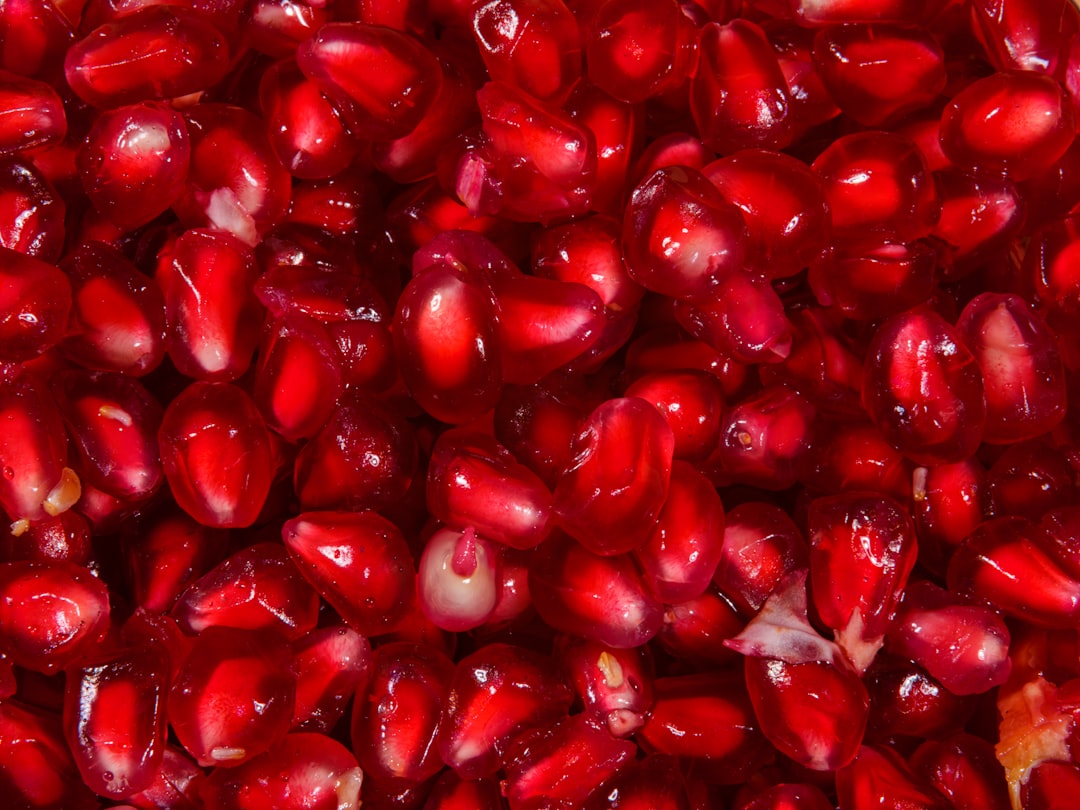
Deciding whether a urolithin A supplement is worth it requires separating a genuinely interesting mechanism from the marketing layer that’s been piled on top of it. Urolithin A is a compound your gut bacteria produce when you eat ellagitannins, the polyphenols found in pomegranates, walnuts, and berries. That’s the core argument for supplementing. But the human trial data, as of 2026, is more limited than many supplement companies want you to believe. This post covers what real clinical trials have shown, what’s still animal-only evidence, and what a sensible protocol looks like if you decide to try it.
Key Takeaways
- Human trials confirm that oral urolithin A supplementation activates mitophagy, the cellular process of clearing damaged mitochondria, which declines with age.
- A published human trial found improvements in muscle endurance and mitochondrial biomarkers in older adults taking urolithin A, though sample sizes in early trials were small.
- Urolithin A’s benefits for heart health and Alzheimer’s disease are supported by compelling lab and animal data as of 2026, but large human RCTs have not yet confirmed these effects in people.
- The compound appears safe in human trials at tested doses, but “safe” and “proven to slow aging” are not the same claim — the honest answer is that the evidence is promising but still early.
What Is Urolithin A and Why Does It Matter for Aging?
Urolithin A matters because of mitophagy. As you age, your cells accumulate dysfunctional mitochondria that no longer produce energy efficiently. Your body has a built-in cleanup process to remove them. The trouble is, that process slows down significantly with age.
Urolithin A restores mitophagy. It does this by acting on the AMPK-mTOR signaling axis, a pathway that functions as a cellular energy sensor. When AMPK is activated and mTOR is dialed back, your cells get the signal to clean house. A 2026 study published in Experimental and Molecular Medicine specifically confirmed that urolithin A activates mitophagy through this mechanism, with downstream effects on cardiac remodeling in a heart failure model. That’s important mechanistic evidence, but it comes from a disease model, not healthy aging adults.
The other piece of the puzzle is bioavailability. You can eat pomegranate seeds every day and still produce very little urolithin A if your gut microbiome lacks the right bacterial strains. Supplementing bypasses that bottleneck entirely, which is the strongest rational argument for taking it in pill or powder form.
What the Research Actually Shows in Humans
Here’s where you need to pay close attention, because this is where urolithin A diverges sharply from most longevity supplements: it actually has human trial data. Not just animal studies.
The Mitopure Human Trials
That paper represented an early human signal that oral urolithin A can activate mitophagy at the cellular level, though sample sizes were modest and the findings warrant replication.
That finding is genuinely meaningful. Most longevity compounds never get to this stage of human testing. But the sample sizes in early trials were modest, the duration was short, and “improved muscle endurance” is not the same as “lives longer.” Keep that distinction firmly in mind.
The 2026 Evidence Picture
A 2026 review in Ageing Research Reviews examined urolithin A’s potential in Alzheimer’s disease, specifically its ability to enhance autophagic clearance of amyloid and reduce neuroinflammation. The review is thorough and the mechanisms are plausible. But the honest summary is that nearly all the Alzheimer’s work remains preclinical. The biological case is interesting; the human case is not yet made.
Similarly, a 2026 paper in Experimental and Molecular Medicine showed that urolithin A modulates the gut-ceramide axis and reduces cardiac remodeling in a heart failure model. This is promising for understanding the mechanism. It is not evidence that urolithin A prevents heart disease in people.
And a 2026 cell study in Cell Physiology and Biochemistry looked at urolithin A’s effects on mitochondrial homeostasis in muscle cells exposed to an inflammatory agent. Urolithin A improved mitochondrial structure and reduced TLR4 inflammatory signaling. This is lab-dish biology, not human physiology. It helps explain how the compound might work. It doesn’t confirm that it does work the same way in your muscles.
The PROMETHEUS Trial Context
Urolithin A is one of the nutraceuticals included in the PROMETHEUS trial, an 8-week multimodal intervention that is part of the XPRIZE Healthspan competition. The 2026 protocol paper was published in Geroscience. Results are pending, but the fact that a competitive precision geromedicine trial selected urolithin A as an ingredient suggests real scientific credibility, not just supplement hype.
Where the Evidence Is Still Thin
Urolithin A’s strongest evidence is for muscle mitochondrial function in older adults. That’s a real, meaningful finding. Everything else requires more honesty about what we don’t yet know.
- Lifespan extension in humans: Not tested. Animal lifespan data in worms (C. elegans) exists and is interesting. Worms are not people.
- Alzheimer’s prevention: Mechanistically plausible, preclinical only as of 2026.
- Heart disease prevention: Supported by animal and disease-model data. No human RCT on cardiovascular outcomes published yet.
- Optimal dose: Whether a lower dose works, or whether higher doses add benefit, isn’t established.
- Long-term safety: Short-term human trials show a clean safety profile. Multi-year data doesn’t exist yet.
If you’re interested in how urolithin A compares with other compounds targeting similar pathways, our comparison of GlyNAC vs. Urolithin A walks through that question directly, and our Spermidine vs. Urolithin A breakdown covers how these two autophagy-adjacent compounds differ in evidence quality.
Who Is Most Likely to Benefit?
Urolithin A’s human trial data centers on older adults with declining muscle function. If you’re over 50 and concerned about muscle quality, mitochondrial decline, or exercise recovery, that’s where the evidence is strongest. It fits naturally alongside a resistance training program, and our complete guide to preventing sarcopenia after 40 covers why mitochondrial health is central to that fight.
People whose gut microbiomes genuinely can’t produce urolithin A from food are also a rational target group, though testing your microbiome specifically for this capability is not yet standard practice.
Urolithin A is less clearly useful if you’re in your 30s with no muscle concerns and already eating a diet rich in pomegranates, berries, and walnuts. In that case, the marginal benefit of supplementing is genuinely unknown.
Practical Protocol: How to Take Urolithin A If You Decide to Try It
Based on the published human trial data available as of 2026, here’s a sensible starting framework. Note that no regulatory body has approved a specific dose, and you should discuss this with your physician before starting.
- Dose:
- Timing: Morning or with food. No trial has established a time-of-day advantage. Consistency matters more than timing.
- Duration before reassessment: The published trials have generally run for several weeks to a few months. Given that published trials have run for several weeks to a few months, waiting a similar period before evaluating any subjective change in exercise recovery or endurance is a reasonable approach, though any specific week count is editorial judgment, not a trial-established cutoff.
- Stack context: Urolithin A does not have known interactions with common supplements, but the combination with NAD+ precursors is currently being studied. If you’re already taking an NR-based supplement like Tru Niagen, the two address partially overlapping mitochondrial pathways through different mechanisms, so stacking is scientifically plausible, though unconfirmed in humans.
- Form: Look for a product that specifies the form and dose clearly on the label. The branded Mitopure form has the most clinical backing.
What We Don’t Know Yet
Honest longevity science requires acknowledging the gaps, not just the highlights. Here’s what remains genuinely open as of September 2026.
Nobody knows whether urolithin A supplementation translates into meaningful lifespan extension in humans. The mechanistic story is coherent. But “activates mitophagy” and “you live longer” are not the same sentence. We don’t have the long-term human data to connect them yet.
The dose-response relationship is also poorly defined. Whether benefits scale linearly across the range of doses tested in trials, whether they plateau, or whether there’s a threshold below which nothing meaningfulhappens, hasn’t been sorted out in controlled trials.
Furthermore, we don’t know whether urolithin A’s muscle benefits persist, grow, or fade with long-term use. The trial durations published to date are too short to answer that question.
And most of the exciting neurological and cardiac data comes from animal and cell models. Those findings justify running human trials. They don’t justify claiming that urolithin A prevents Alzheimer’s or heart disease.
Affiliate Disclosure: The Longevity Dose may earn a small commission if you purchase through the links below, at no additional cost to you. Learn more.
What We Recommend
- Tru Niagen (NAD+ Precursor, NR). If you’re building a mitochondrial health stack alongside urolithin A, Tru Niagen is the NR supplement with the most human clinical trial data behind it. NAD+ and mitophagy are related but distinct pathways, and combining them is a defensible, if unconfirmed, approach.
- Thorne Basic Nutrients 2/Day. A clean, NSF-certified multivitamin that covers foundational micronutrient gaps before you layer in more targeted compounds like urolithin A. Sorting out your nutritional baseline first is the sensible order of operations.
Frequently Asked Questions
Is a urolithin A supplement actually worth it in 2026?
Urolithin A has more human clinical evidence behind it than most longevity supplements, specifically for mitochondrial function and muscle endurance in older adults. Whether that evidence justifies the cost depends on your age, muscle health concerns, and how you weigh promising-but-incomplete data. For people over 50 focused on muscle quality, the case is more compelling than for younger adults without specific concerns.
What does urolithin A actually do in the body?
Urolithin A activates mitophagy, the cellular process of identifying and clearing damaged mitochondria. It does this through the AMPK-mTOR signaling axis. As mitochondria degrade with age and accumulate without being cleared, cellular energy production declines. Urolithin A helps restore the cleanup mechanism that slows with aging.
Can you get enough urolithin A from food?
Technically, your body can produce urolithin A from ellagitannins in pomegranates, walnuts, and berries. Practically, whether you produce meaningful amounts depends entirely on which bacterial strains populate your gut. That’s the core rationale for supplementation.
What dose of urolithin A was used in human trials?
A specific optimal dose has not been established, and the dose-response relationship across a broader range has not been sorted out in controlled trials.hed, and the dose-response relationship across a broader range has not been sorted out in controlled trials.
Does urolithin A help with Alzheimer’s disease?
A 2026 review in Ageing Research Reviews outlined compelling mechanisms by which urolithin A could enhance autophagic clearance of amyloid and reduce neuroinflammation. However, this evidence is preclinical as of 2026, meaning it comes from lab and animal studies. Human trials on urolithin A for Alzheimer’s outcomes have not yet been completed or published.
Is urolithin A safe to take long-term?
The human trials conducted to date, which have generally been short-term in duration, have found urolithin A to be well-tolerated with no significant adverse effects reported. Long-term safety data spanning multiple years does not yet exist. As always, speaking with your doctor before starting is appropriate, especially if you take other medications or have underlying conditions.
Liked This? Keep Reading.
Get the next post in your inbox. Real science on longevity, supplements, and fitness — no hype.
Drop your email below. Weekly. No spam. Unsubscribe anytime. ↓