Sulforaphane & Broccoli Sprouts: Hype vs. Human Evidence
By The Longevity Dose Editorial Team · Evidence-reviewed · Last updated September 2026
Sulforaphane from broccoli sprouts is one of the most talked-about food compounds in longevity circles, and the underlying science is genuinely interesting. But the gap between what cell studies show and what actually happens in a living human is large, and most of what you’ll read online glosses right over it. Researchers including Dr. Jed Fahey at Johns Hopkins have spent decades studying sulforaphane, and the compound has real, documented effects on human biology. The question worth asking is: which of those effects are proven in people at doses you can actually achieve through food or supplements, and which are still stuck in the petri dish?
Key Takeaways
- Sulforaphane activates the Nrf2 pathway in humans, which coordinates the body’s own antioxidant and detoxification defenses. This effect is well-documented in human trials.
- Broccoli sprouts contain substantially more sulforaphane precursor than mature broccoli — research from Dr. Jed Fahey’s group at Johns Hopkins has estimated the difference can be large enough to make sprouts the most practical food source by a significant margin, though the exact multiple varies by variety, growing conditions, and measurement method.
- Human evidence for sulforaphane is strongest for Nrf2 activation, air-pollution detoxification, and UV skin protection. Cancer prevention and brain benefits remain promising but preliminary in people.
- Most animal and cell-study findings do not automatically transfer to humans. Several impressive mouse results have not yet been replicated in human trials.
What Sulforaphane Actually Is (and How It Gets Into Your Body)
Sulforaphane isn’t stored ready-made in broccoli. It forms only when a precursor compound called glucoraphanin meets an enzyme called myrosinase. That reaction happens when you chew or chop the plant, or when gut bacteria process glucoraphanin after it reaches your intestine. Cooking is the main reason people fail to get much sulforaphane from broccoli: heat destroys myrosinase before the conversion can happen.
Broccoli sprouts sidestep this problem partly because they’re usually eaten raw, and partly because the glucoraphanin content at the sprout stage is far higher than in the mature vegetable. Lightly steaming rather than boiling preserves more myrosinase activity. If you buy a supplement in capsule form, check whether the label specifies “active sulforaphane” or just “glucoraphanin.” The distinction matters, because glucoraphanin alone requires gut conversion that varies widely between people.
Once absorbed, sulforaphane binds to and releases a protein called Keap1, which normally keeps Nrf2 inactive. Free Nrf2 then moves into cell nuclei and switches on genes involved in producing glutathione, reducing inflammation, and clearing damaged proteins. This mechanism is real and documented in human tissue, not just in mice.
What the Research Shows: Human Evidence Only
Nrf2 Activation and Detoxification
The strongest human evidence for sulforaphane relates to Nrf2 activation and detoxification of airborne pollutants. A trial conducted by researchers at Johns Hopkins and published in Cancer Prevention Research tested broccoli sprout beverage in a polluted region of China. Participants consuming the beverage showed significantly increased urinary excretion of benzene and acrolein, both toxic air-pollution byproducts, compared to controls. That’s a measurable, real-world detoxification outcome in living humans.
Furthermore, this Nrf2 mechanism is why a 2026 scoping review published in the Journal of Personalized Medicine concluded that sulforaphane has meaningful potential as a photoprotective agent against UV-induced skin damage. The review evaluated sulforaphane’s role in activating Nrf2-driven antioxidant defenses in skin cells exposed to UV radiation, reducing oxidative stress and DNA damage markers. However, the authors were clear: most of the evidence comes from cell and animal models, with limited randomized human data. Promising, but not proven at the clinical level yet.
Cancer Prevention: Interesting, Not Established
Sulforaphane’s reputation for cancer prevention is where hype most often outruns reality. Epidemiological data does associate higher cruciferous vegetable consumption with lower risk of certain cancers in population studies. But population studies can’t prove that sulforaphane specifically causes this, and several clinical trials have produced mixed results. Some small human trials show sulforaphane can alter cancer biomarkers in prostate tissue or bladder cells. Those are encouraging mechanistic signals, not proof of prevention.
A 2026 review in Medicines (Basel) documented genuine synergies between sulforaphane and established cancer drugs, as well as several pharmaceuticals in development. This is an area the authors consider genuinely promising, particularly for potentiating chemotherapy efficacy. But “synergistic in lab studies” and “proven to reduce cancer incidence in healthy people eating broccoli sprouts” are very different claims. Be honest with yourself about which one you’re acting on.
Brain and Cognitive Effects
Animal studies on sulforaphane and brain aging are striking. In rodent models, it reduces neuroinflammation, improves memory performance, and clears protein aggregates linked to neurodegenerative disease. Small human studies in autism spectrum disorder have shown some behavioral improvements, and researchers at Johns Hopkins have been investigating these effects for years.
As of 2026, the human evidence for cognitive and neuroprotective effects remains preliminary. There are no large-scale randomized controlled trials in neurotypical adults demonstrating that sulforaphane slows cognitive aging. This is an active and legitimate research area. It’s just not proven in people yet.
Blood Sugar and Cardiovascular Markers
A few small human trials have shown sulforaphane can modestly improve fasting blood glucose and insulin sensitivity in people with type 2 diabetes. A published study in Science Translational Medicine found that a concentrated broccoli sprout extract reduced fasting blood glucose in obese patients with dysregulated type 2 diabetes. That’s a real human finding, even if the trial was small and short-term. For cardiovascular markers, the evidence in humans is thinner still: mostly small studies with inconsistent results.
Food Sources vs. Supplements: What You Actually Need to Know
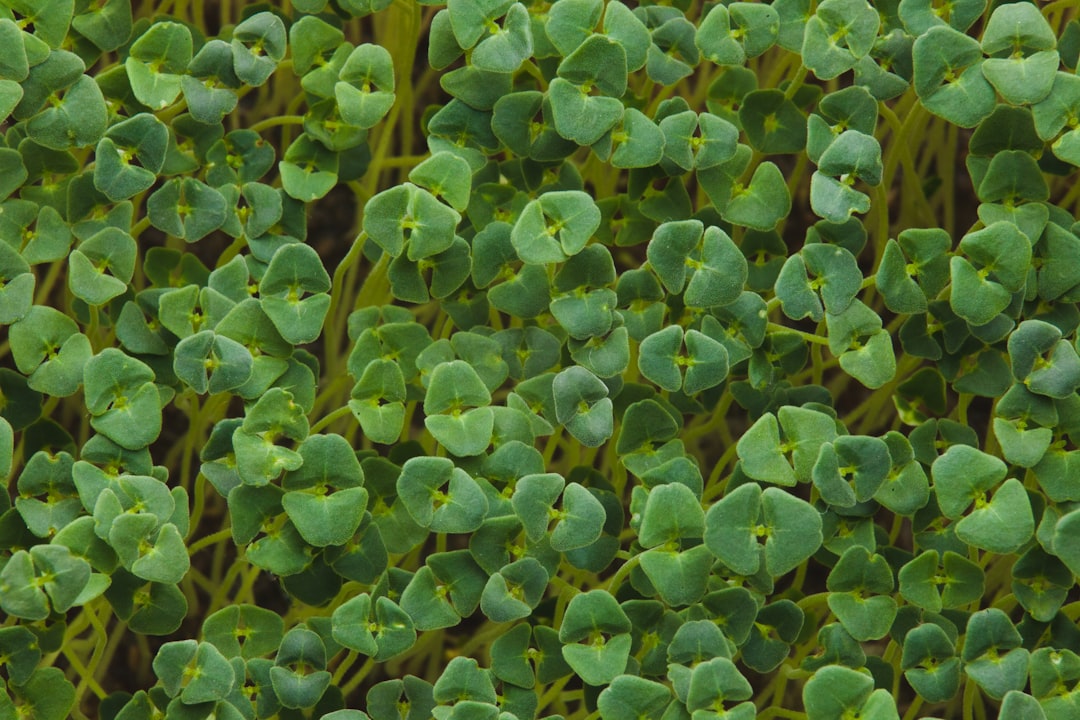
Growing your own broccoli sprouts at home is genuinely practical and inexpensive. You need seeds, a jar, water, and four to five days. The sprouts you grow are a whole food with active myrosinase, meaning the sulforaphane conversion happens the moment you chew them. This is the most reliable delivery method the evidence supports.
Supplements vary enormously in quality and bioavailability. Some products use freeze-dried broccoli sprout powder with intact glucoraphanin but no active myrosinase, relying on gut bacteria for conversion. Others contain pre-formed sulforaphane, which is more bioavailable but less stable. A third category provides myrosinase alongside glucoraphanin to enable reliable conversion. Check labels carefully and be skeptical of any product making dramatic longevity claims that outpace the human data.
If you’re comparing sulforaphane to other plant compounds in the longevity space, our breakdown of sulforaphane vs. spermidine for longevity covers the mechanistic differences and where each one has stronger human support.
What We Don’t Know Yet
Several important questions remain genuinely open in 2026:
- Optimal dose for human benefit. Cell studies use concentrations that are difficult to achieve through food alone. Whether typical dietary intakes produce the same effects as pharmacological doses used in trials is unknown.
- Long-term safety at high supplemental doses. Short-term human studies suggest good tolerability. But there are no multi-year safety trials in humans taking concentrated sulforaphane supplements continuously.
- Who benefits most. Sulforaphane metabolism depends partly on a gene called GSTM1. People with a deletion in this gene (estimates in the published literature vary, but deletion carriers are thought to be common across many populations) may process sulforaphane differently, though whether they get more or less benefit is still debated.
- Pregnancy safety. A 2025 study published in Placenta began investigating whether sulforaphane crosses the placenta and enters breast milk, motivated by interest in its potential for conditions like preeclampsia. The researchers noted sulforaphane’s ability to reduce endothelial dysfunction in lab models. This is early-stage investigation. Pregnant and breastfeeding women should not supplement sulforaphane without direct medical guidance.
Sulforaphane is also being studied for interactions with pharmaceuticals, which the 2026 Medicines (Basel) review covered in detail. If you take medications, particularly cancer drugs or drugs metabolized by the liver’s cytochrome P450 system, discuss sulforaphane supplementation with your doctor before starting.
Practical Protocol: How to Use Broccoli Sprouts
Here’s what the current evidence actually supports, without overpromising:
- Grow your own sprouts. Buy organic broccoli sprouting seeds. Rinse twice daily in a jar with a mesh lid. Harvest on day four or five, when the sprouts are two to three inches tall and have developed their first leaves. Refrigerate and use within a week.
- Eat them raw or lightly dressed. Heat destroys myrosinase. Add raw sprouts to salads, sandwiches, or smoothies. A squeeze of lemon or mustard may enhance conversion, as mustard seeds contain active myrosinase.
- Aim for a consistent daily habit, not a megadose. The strongest human evidence comes from regular, sustained intake, not one-off large servings. A small handful of sprouts daily is a reasonable starting point.
- If you use a supplement, verify the form. Look for products specifying active sulforaphane or a glucoraphanin-plus-myrosinase combination. Read the certificate of analysis if available.
- Pair it with diet quality, not instead of it. Sulforaphane is one tool among many. The longevity evidence for overall dietary pattern is stronger than for any single compound. Our complete longevity diet guide puts sulforaphane in that broader context.
For readers who want to understand how compounds like sulforaphane fit alongside other supplements being studied for healthspan, our comparison of urolithin A’s mitochondrial claims vs. actual trial results is a useful counterpart. The honest picture for both compounds is similar: real mechanisms, real human signals, more proof needed.
The Honest Bottom Line on Sulforaphane
Sulforaphane is not a scam. The Nrf2 pathway it activates is one of the body’s most important stress-defense systems, and the detoxification evidence in humans is solid. Eating broccoli sprouts regularly is a genuinely sensible dietary habit backed by plausible biology and some real human data.
But sulforaphane is also not the cancer-curing, brain-preserving, age-reversing compound that enthusiast blogs and supplement brands sometimes imply. Most of its most dramatic effects have only been shown in cells or animals. Human trials are smaller and more modest than the surrounding narrative suggests. Sulforaphane as a food habit, including real broccoli sprouts consumed regularly, is supported by the current evidence. Sulforaphane supplements taken at high doses as a longevity protocol are ahead of the proof.
Affiliate Disclosure: The Longevity Dose may earn a small commission if you purchase through the links below, at no additional cost to you. We only recommend products we genuinely believe in. Learn more.
What We Recommend
- Nordic Naturals Ultimate Omega. Sulforaphane and omega-3s work through complementary anti-inflammatory pathways. Nordic Naturals Ultimate Omega is IFOS 5-star certified and delivered in triglyceride form for meaningfully better absorption than standard fish oil capsules.
Frequently Asked Questions
Are broccoli sprouts actually better than broccoli for sulforaphane?
Yes, substantially. Broccoli sprouts contain far higher concentrations of glucoraphanin, the sulforaphane precursor, than mature broccoli heads. Because sprouts are typically eaten raw, their myrosinase enzyme remains active, making the conversion to sulforaphane more reliable than in cooked mature broccoli.
Does cooking broccoli destroy sulforaphane?
Boiling or microwaving broccoli for more than a few minutes is widely understood to reduce myrosinase activity substantially, which in turn reduces sulforaphane yield — though the precise degree of loss varies with cooking method, temperature, and duration. Light steaming (two to three minutes) preserves more of the enzyme. Adding raw mustard seeds or powder to cooked broccoli can partially compensate, because mustard seeds contain their own active myrosinase.
Is sulforaphane proven to prevent cancer in humans?
Not definitively. Population studies associate higher cruciferous vegetable intake with lower cancer incidence, and small human trials show sulforaphane can alter cancer-related biomarkers in certain tissues. However, there are no large randomized controlled trials proving that sulforaphane supplementation prevents cancer in healthy people. The evidence is mechanistically interesting but not yet clinically established.
Is it safe to take sulforaphane supplements every day?
Short-term human studies suggest good tolerability in most adults at typical doses. Long-term safety data from multi-year trials does not yet exist. People taking medications metabolized by the liver, or those who are pregnant or breastfeeding, should consult a doctor before supplementing, as sulforaphane can interact with drug metabolism pathways.
How does the GSTM1 gene affect sulforaphane metabolism?
GSTM1 is an enzyme that helps clear sulforaphane from the body. People with a deletion variant of this gene retain sulforaphane longer, which may affect how they respond to it. Whether this leads to greater benefit or greater risk is not yet clearly established in human trials, and genetic testing for GSTM1 status is not standard clinical practice.
What’s the most practical way to get sulforaphane from food?
Growing broccoli sprouts at home is the most reliable and cost-effective method. Seeds, a glass jar, and a mesh lid are all you need. Sprouts are ready in four to five days and can be added raw to salads or sandwiches. This approach preserves active myrosinase and provides the highest glucoraphanin content per gram of any common food source.
Liked This? Keep Reading.
Get the next post in your inbox. Real science on longevity, supplements, and fitness — no hype.
Drop your email below. Weekly. No spam. Unsubscribe anytime. ↓