
Stress and Aging: The Complete Science-Backed Guide (2026)
Photo by Aarón Blanco Tejedor on Unsplash
By The Longevity Dose Editorial Team · Evidence-reviewed · Last updated June 2026
Chronic stress accelerates biological aging. That’s not a motivational poster slogan. It’s a measurable, cellular reality backed by decades of research. The relationship between stress and aging runs through some of the most fundamental mechanisms in human biology: cortisol dysregulation, telomere shortening, mitochondrial dysfunction, cellular senescence, and chronic inflammation — the same processes covered in depth in our guide to skin aging science and what actually works. A landmark 2004 study by Dr. Elissa Epel and Nobel laureate Dr. Elizabeth Blackburn published in PNAS found that women under chronic psychological stress had telomeres equivalent to those of women up to 10 years older. You don’t age faster because life is hard. You age faster because of specific, identifiable biological responses to that stress, and almost all of them can be modified.
Key Takeaways
- Chronic psychological stress measurably accelerates biological aging through telomere shortening, elevated cortisol, and systemic inflammation — this is documented in human studies, not just animal models.
- A 2004 PNAS study found chronically stressed women had telomeres 10 years “older” than low-stress peers; more recent research confirms this link extends to epigenetic clocks and biological age scores.
- Not all stress is damaging. Short, controlled stress exposures (hormesis) can actually improve cellular resilience and longevity — the dose and duration are everything.
- Evidence-based interventions including mindfulness-based stress reduction (MBSR), regular aerobic exercise, and sleep optimization have demonstrated measurable reductions in biological aging markers in human trials.
In This Guide
- How Stress Actually Ages You at the Cellular Level
- Cortisol and Aging: The Hormone That Speeds the Clock
- Telomeres, Epigenetic Clocks, and Psychological Stress
- Good Stress vs. Bad Stress: Why the Difference Matters for Longevity
- Stress, Inflammation, and Cellular Senescence
- Current Evidence Rating: What We Actually Know
- The Science-Backed Stress Protocol for Longevity
- Tools, Tracking, and Honest Caveats
How Stress Actually Ages You at the Cellular Level
Stress ages you through biology, not metaphor. When your body perceives a threat — whether a predator or a hostile email chain — it activates the hypothalamic-pituitary-adrenal (HPA) axis and the sympathetic nervous system. Both systems are brilliant for short-term survival. Over months and years, they become destructive.
A 2026 review published in International Journal of Molecular Sciences (PMID 41596604) reinforced what researchers now consider central to aging biology: aging results from systematically interconnected cellular and molecular processes that govern damage management and resilience to acute and chronic stress. In other words, your cells have stress-response systems, and chronic overactivation of those systems is one of the most direct routes to accelerated aging.
The Four Key Cellular Mechanisms
Four specific mechanisms link chronic stress to biological aging:
- Oxidative stress: Chronic psychological stress elevates reactive oxygen species (ROS) production. A 2026 review in Free Radical Biology and Medicine (PMID 41173314) confirmed that redox signaling pathways are central mediators of aging, particularly in skeletal muscle. Too much ROS, sustained over time, damages DNA, proteins, and cell membranes.
- Mitochondrial dysfunction: Cortisol impairs mitochondrial efficiency. Mitochondria under chronic stress produce more ROS and less ATP, a combination that accelerates the hallmarks of aging across virtually every tissue type.
- Cellular senescence: Stressed cells that can’t repair themselves stop dividing but don’t die. They become “zombie cells” that secrete inflammatory molecules. (More on this in section 5.)
- Autophagy suppression: Chronic cortisol exposure suppresses autophagy, the cellular self-cleaning process that removes damaged proteins and organelles. Reduced autophagy is directly associated with accelerated aging and neurodegeneration.
These mechanisms don’t operate in isolation. They feed each other. Oxidative damage drives senescence. Senescence drives inflammation. Inflammation suppresses autophagy. Understanding this interconnection is key to why stress is so biologically costly, and why reducing it has such broad anti-aging benefits. For a deeper look at how these processes fit into the larger picture, our guide to the 12 hallmarks of aging walks through each mechanism in detail.
Cortisol and Aging: The Hormone That Speeds the Clock
Cortisol is not inherently a villain. Your body needs it. Morning cortisol peaks help you wake up and mobilize energy. Acute cortisol spikes help you respond to danger. The problem starts when cortisol stays elevated — when the “all clear” signal never comes.
What Chronic Cortisol Elevation Does to the Body
Sustained high cortisol disrupts nearly every system involved in healthy aging:
- Muscle breakdown: Cortisol is catabolic. Chronic elevation degrades muscle protein, accelerating the sarcopenia (age-related muscle loss) that predicts disability and early death. This is one reason strength training for longevity is so important — it directly counteracts cortisol-driven muscle loss while also improving stress resilience.
- Immune suppression: Chronic cortisol blunts immune function, increasing susceptibility to infection and potentially reducing the immune surveillance that catches early cancer cells.
- Insulin resistance: Cortisol raises blood glucose and impairs insulin signaling. Over time, this contributes to metabolic syndrome, one of the most powerful drivers of accelerated aging.
- Brain structure changes: Chronic stress shrinks the hippocampus (memory center) and enlarges the amygdala (threat-detection center) — changes explored in depth in our guide to brain aging after 40. This feedback loop makes the brain hypersensitive to stress, perpetuating elevated cortisol even after stressors resolve.
- Sleep disruption: Cortisol and melatonin are inversely related. High evening cortisol delays sleep onset and reduces deep sleep, the most restorative and longevity-relevant sleep stage.
The cortisol-sleep connection is particularly damaging from a longevity standpoint. Poor sleep drives inflammation, reduces growth hormone output, and impairs cellular repair. If you’re dealing with chronic stress, your sleep is almost certainly suffering too. Our sleep optimization guide covers the specific evidence-based interventions that restore sleep quality even under ongoing stress.
Measuring Cortisol Dysregulation
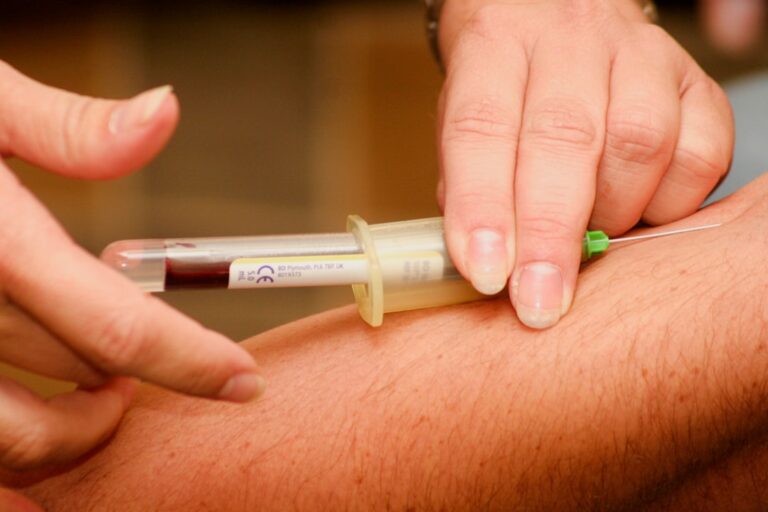
A standard morning blood cortisol test gives you a single data point. More informative is a four-point salivary cortisol test (morning, noon, afternoon, night), which maps your daily cortisol curve. Healthy aging is associated with a steep morning peak and low evening levels. Chronic stress typically flattens or inverts this curve, with elevated nighttime cortisol becoming a specific marker of accelerated biological aging.
Telomeres, Epigenetic Clocks, and Psychological Stress
Telomere length became a household term in longevity circles because it offers something rare: a direct, measurable link between lived experience and cellular aging. Telomeres are the protective caps on chromosomes. Every time a cell divides, they shorten slightly. When they get too short, the cell either dies or becomes senescent. Chronic stress accelerates this shortening.
The 2004 Epel-Blackburn study in PNAS remains the landmark reference: mothers caring for chronically ill children had telomeres statistically equivalent to women 9-17 years older than their chronological age. The relationship between stress and telomere shortening has since been replicated in numerous populations — caregivers, trauma survivors, people with untreated depression, and individuals in high-demand jobs with low control.
Epigenetic Clocks Tell a Similar Story
More recent biological age tools go beyond telomeres. Epigenetic clocks, such as the Horvath clock and its successors like GrimAge and DunedinPACE, measure DNA methylation patterns to estimate biological age with high accuracy. These clocks consistently show that people under chronic psychological stress have accelerated epigenetic aging — the gap between their biological and chronological age is measurably wider than in low-stress peers, though the size of that gap varies considerably across studies and populations.
DunedinPACE, developed at Duke University, measures the pace of aging rather than a static age estimate. High chronic stress scores on validated stress scales consistently correlate with faster DunedinPACE readings. This means stress doesn’t just damage you once — it speeds up the ongoing rate of aging itself. If you want to understand what these tests measure and which ones are actually worth taking, our biological age testing guide covers all of them in depth.
Does Reducing Stress Reverse Epigenetic Aging?
Evidence here is genuinely promising, though not yet conclusive in large trials. A 2021 study in Aging found that an 8-week mindfulness-based intervention produced measurable reductions in epigenetic age acceleration in middle-aged adults. A 2023 analysis found that participants in intensive lifestyle interventions (combining diet, exercise, sleep optimization, and stress management) showed reversal of biological age on multiple epigenetic clocks. These are small studies, but the biological direction is consistent. Stress reduction slows and may partially reverse measurable biological aging.
Good Stress vs. Bad Stress: Why the Difference Matters for Longevity
Not all stress accelerates aging. Some stress is genuinely protective, and getting this distinction wrong leads people to either avoid all challenge (counterproductive) or dismiss all stress as harmless (dangerous).
The concept is called hormesis: short, controlled doses of stress that activate repair and resilience pathways, making cells stronger rather than weaker. Exercise is the most obvious example. A hard workout floods your body with ROS, temporarily damages muscle fibers, and spikes cortisol. But the body’s response to that challenge — rebuilding stronger, improving mitochondrial density, upregulating antioxidant enzymes — results in net benefit. Our dedicated guide to hormesis and beneficial stress covers this framework in full.
The Hormetic Stress Characteristics
Hormetic stress shares specific features that separate it from damaging chronic stress:
- Brief duration: Minutes to hours, not days to months
- Controllable and predictable: You choose the exposure; there’s a defined end point
- Followed by recovery: Adequate rest allows adaptation to occur
- Proportionate to current capacity: The dose matches your resilience level
Cold exposure, sauna, fasting, and high-intensity exercise all share these properties. A 2026 study in BMB Reports (PMID 41521074) examined stress granules — protein-RNA assemblies that form in response to acute cellular stress. In neurons, stress granules mediate adaptive, pro-survival responses to acute stress. But when stress becomes chronic, those same granules become associated with accelerated aging and neurodegeneration. The biology here perfectly mirrors the psychological picture: acute stress activates repair; chronic stress overwhelms it.
Psychological Controllability Changes the Biology
This is one of the most important and underappreciated findings in stress biology. Two people can experience objectively identical stressors, and the one who perceives control over the situation will show substantially lower cortisol, better immune function, and less telomere shortening. This is not pop psychology. Research from Dr. Bruce McEwen at Rockefeller University established that perceived control is itself a biological variable that modulates HPA axis activation. The same event, appraised differently, produces different aging outcomes at the cellular level.
Stress, Inflammation, and Cellular Senescence
Chronic stress is one of the most potent drivers of two processes that longevity researchers now consider central to aging: chronic low-grade inflammation (sometimes called “inflammaging”) and cellular senescence.
The Inflammaging Connection
Cortisol initially suppresses inflammation. But chronic stress eventually dysregulates the immune system in a way that produces more baseline inflammation, not less. The mechanism involves glucocorticoid receptor resistance: cells stop responding properly to cortisol’s anti-inflammatory signals, leading to uncontrolled cytokine production. IL-6, TNF-alpha, and CRP all rise with chronic stress, and all are independent predictors of accelerated aging, cardiovascular disease, cognitive decline, and cancer.
Elevated inflammatory markers aren’t just correlated with worse outcomes — they actively cause them. IL-6 in particular drives muscle wasting, insulin resistance, and neurodegeneration. Reducing chronic stress measurably reduces IL-6. This is one of the clearest human-evidence pathways from psychological intervention to biological outcome.
Stress Accelerates Cellular Senescence
Senescent cells, often called “zombie cells,” stop dividing but refuse to die. They secrete a toxic mix of inflammatory molecules called the senescence-associated secretory phenotype (SASP), which damages neighboring healthy cells and creates a self-amplifying cycle of tissue dysfunction. Research indicates that chronic psychological stress, through oxidative DNA damage and telomere dysfunction, accelerates the accumulation of senescent cells well before what would be expected from chronological age alone.
A 2026 review in Immunity (PMID 41985439) examined how sub-lethal cellular stress creates a form of “cellular memory” — cells that have survived stress but carry altered signaling states. The proteins involved in regulated cell death possess powerful and potentially damaging activities, and how those pathways are modulated by ongoing stress has real consequences for tissue integrity and aging rate. If you want to understand current research on clearing senescent cells, our guide to senolytics and zombie cells covers that frontier in detail.
Current Evidence Rating: What We Actually Know
Honest assessment of the evidence is the whole point of this site. Here’s where the science actually stands on stress and aging in 2026.
| Claim | Evidence Strength | Best Evidence Type |
|---|---|---|
| Chronic stress shortens telomeres | Strong | Multiple human cohort studies + RCTs |
| Chronic stress accelerates epigenetic aging | Strong | Human cohort studies, cross-sectional data |
| Stress drives inflammaging via cortisol dysregulation | Strong | Multiple human mechanistic and cohort studies |
| Mindfulness interventions reduce biological age markers | Promising but limited | Small RCTs, inconsistent follow-up duration |
| Exercise reduces stress-driven aging | Strong | Large human RCTs and meta-analyses |
| Memantine improves stress resilience and longevity | Very preliminary | Animal study only (C. elegans, 2026) |
| Stress-driven senescence accelerates aging | Strong mechanistically | Human cell biology + cohort data |
One note on the memantine finding: a 2026 study in Aging Cell (PMID 41315771) found that this NMDA receptor antagonist improved aging and stress resilience in C. elegans (a worm model). This is genuinely interesting basic science. But worm biology does not translate directly to human outcomes. Don’t rush to add memantine to your protocol based on this. It’s a signal worth watching, not a recommendation.
The honest bottom line on stress and aging evidence: the harm is well-established in humans. The reversal through specific interventions is promising but needs larger, longer human trials to nail down effect sizes with confidence.
The Science-Backed Stress Protocol for Longevity
What actually works? Here’s a practical protocol built on the highest-quality human evidence available in 2026. This isn’t a wellness wish list. Each item has specific mechanistic and clinical support for reducing the biological aging effects of stress.
1. Aerobic Exercise: The Non-Negotiable Foundation
Exercise is the single most well-supported intervention for blunting the aging effects of stress. It reduces cortisol, increases BDNF (brain-derived neurotrophic factor), lengthens telomeres, improves mitochondrial density, and reduces inflammatory markers. A 2026 review in Free Radical Biology and Medicine confirmed that regular physical activity enhances systemic health and resilience partly through the generation of ROS that serve as key modulators of redox-sensitive signaling pathways — a hormetic mechanism that actually improves your cellular stress-response systems.
How much exercise is right for you depends on your current fitness, recovery capacity, and any clinical considerations — our guide to Zone 2 training for longevity covers the evidence on volume and intensity in detail, and a clinician who knows your health history is best placed to help you set a personal target. This combination addresses both the cortisol-driven muscle loss and the inflammatory pathways simultaneously. Our guide to Zone 2 training for longevity covers the specific heart rate targets and progression protocols.
2. Mindfulness-Based Stress Reduction (MBSR)
MBSR is the most studied psychological intervention in longevity contexts. The original 8-week program developed by Dr. Jon Kabat-Zinn at UMass Medical School involves daily 45-minute meditation sessions plus a weekly group session. In RCTs, MBSR has demonstrated measurable reductions in cortisol, IL-6, and CRP, as well as improved telomerase activity (the enzyme that maintains telomere length). An NIH-funded trial found MBSR participants showed significant reductions in perceived stress and inflammatory biomarkers compared to controls at 8 weeks and 4-month follow-up.
The key finding: formal practice matters more than informal mindfulness. Apps and ambient awareness are better than nothing, but they don’t produce the same biological outcomes as structured, daily seated practice.
3. Sleep Prioritization
Sleep is not where stress recovery happens by accident — and sleep and longevity statistics make clear just how much is at stake. It’s where it happens by design. Deep slow-wave sleep is when cortisol drops to its lowest, growth hormone peaks, and cellular repair processes run at full capacity. Large population studies consistently find that both short and long sleep durations are associated with worse health outcomes, with the lowest risk concentrated in a middle range — though exactly where that range sits varies by study, and individual sleep need is not a fixed number a blog can assign you. Even short stretches of restricted sleep measurably elevate inflammatory markers and cortisol in healthy adults — the direction of this effect is well-established in human experimental studies, even if the precise threshold varies by individual.
4. Social Connection and Perceived Control
Strong social ties are among the most robust predictors of longevity across cultures and socioeconomic groups. The mechanism runs directly through stress biology: social support buffers HPA axis activation, reduces cortisol responses to acute stressors, and is associated with longer telomeres. Perceived social isolation, in contrast, produces inflammatory and cortisol profiles similar to chronic psychological stress. This isn’t soft science. It’s a specific biological pathway.
5. Nutritional Support for Stress Resilience
Certain nutrients are specifically depleted by chronic stress and deserve attention. Magnesium is the most important: cortisol drives magnesium excretion, and magnesium deficiency in turn amplifies HPA axis reactivity, creating a self-reinforcing loop. Most adults in Western populations are already marginal in magnesium intake. Supplementing with a highly bioavailable form — magnesium glycinate or bisglycinate — addresses this loop directly and often improves sleep quality simultaneously; the right dose for you depends on your diet, bodyweight, and kidney function, which is a question for a clinician who can see your labs rather than a figure a blog can hand you.
Vitamin D deficiency also impairs stress resilience and is associated with elevated inflammatory markers. Our detailed guide to vitamin D and aging covers the current evidence on optimal levels and dosing.
6. Strategic Use of Hormetic Stressors
Paradoxically, some of the best antidotes to harmful chronic stress are brief, controlled stress exposures. Regular sauna use, at the frequencies and temperatures studied in Finnish cohort research — most prominently the Kuopio Ischaemic Heart Disease Risk Factor Study — is associated with significant reductions in cardiovascular mortality and inflammatory markers; for the specific protocols used in those trials, the published papers are the right place to check rather than any summary figure here. Cold exposure, practiced regularly, reduces cortisol reactivity and improves autonomic nervous system tone. Both work partly by training your stress-response systems to activate and recover more efficiently.
Tools, Tracking, and Honest Caveats
Tracking stress biology has become more accessible, but the tools have real limitations you should understand before spending money on them.
Wearables and HRV
Heart rate variability (HRV) is the most practical real-time stress biomarker available. Higher HRV correlates with parasympathetic dominance (recovery mode), better resilience, and lower inflammatory burden. Devices like Oura Ring and Garmin wearables track overnight HRV, which reflects your cumulative stress and recovery state. The trend over weeks matters far more than any single night’s reading. Consistently low HRV with slow recovery after stressors is a meaningful signal that your biological stress response needs intervention.
Biological Age Testing Under Stress
Epigenetic clock tests (TruMe Labs, Elysium Index, Tally Health) can reveal whether chronic stress is showing up in your cellular aging rate. These tests provide a biological age estimate based on DNA methylation; pricing changes frequently, so check each provider’s current offering directly rather than relying on any figure cited here. Used annually, they can tell you whether your lifestyle interventions are actually working at the cellular level. Our full biological age testing guide covers which tests are most accurate and what to do with the results.
What We Don’t Know Yet
Honesty matters here. We know chronic stress accelerates biological aging. We know certain interventions reduce stress biomarkers in human trials. What we don’t yet know, with precision, is the dose-response relationship between stress reduction and longevity extension. We don’t have 30-year RCTs on MBSR or social connection and lifespan. We have mechanistic evidence, cohort data, and intermediate endpoint trials. That’s strong enough to act on, but not strong enough to assign a specific “years added” figure to any intervention. Anyone claiming otherwise is overselling the evidence.
Affiliate Disclosure: The Longevity Dose may earn a small commission if you purchase through the links below, at no additional cost to you. We only link products and books with a genuine research track record. Learn more.
What We Recommend
- Thorne Magnesium Bisglycinate. Chronic stress depletes magnesium and amplifies cortisol reactivity. Thorne’s bisglycinate form is highly bioavailable without GI side effects, making it the most practical nutritional support for the cortisol-magnesium loop described in this guide.
- Lifespan: Why We Age — David Sinclair. Dr. Sinclair’s framework for understanding why aging happens at the cellular level is the essential context for understanding everything in this guide, including why stress-driven epigenetic disruption is so central to biological aging.
- Tru Niagen (NAD+ Precursor — NR). Chronic stress accelerates NAD+ decline, which in turn impairs
Liked This? Keep Reading.
Get the next post in your inbox. Real science on longevity, supplements, and fitness — no hype.
Drop your email below. Weekly. No spam. Unsubscribe anytime. ↓
Similar Posts
Spermidine: Food Sources vs. Supplements for Longevity
Spermidine foods vs. supplements for longevity: what human trials actually show, how much you need, and whether a pill beats your plate.
Is an Lp(a) Blood Test Worth Getting?
The Lp(a) blood test reveals a major cardiovascular risk factor most doctors skip. Learn what your number means, targets, and what to do if it’s high.
Taurine vs Berberine: Which Is Better for Longevity?
Taurine vs berberine for longevity: we break down the human evidence, mechanisms, dosing, and who should take which — or both.
What Is ApoB? Why It Beats LDL for Heart Risk
ApoB vs LDL cholesterol: learn what ApoB measures, why cardiologists prefer it, what your number should be, and how to lower it.
15 Blood Sugar and Aging Statistics That Will Shock You
15 shocking blood sugar and aging statistics from NIH, CDC, and Lancet — what glucose levels actually do to your lifespan, brain, and muscle.
The Longevity Intervention Nobody Talks About Enough
Cardiorespiratory fitness predicts longevity better than almost any supplement. Here’s the evidence, and why I think it’s the most underrated intervention.