Rapamycin for Longevity: What the Evidence Says in 2026
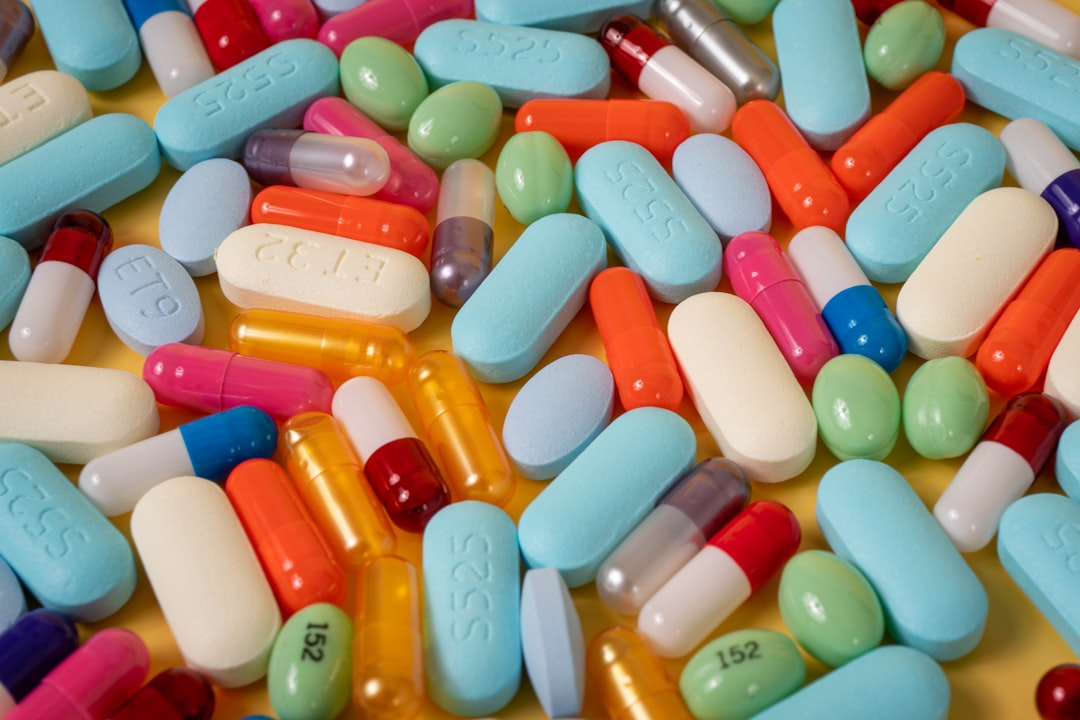
Photo by Etactics Inc on Unsplash
By The Longevity Dose Editorial Team · Evidence-reviewed · Last updated June 2026
Rapamycin extends lifespan in more animal species than any other drug ever tested — but the human evidence is thin, the risks are real, and most doctors won’t prescribe it. If you’ve heard the buzz and want the actual science, not the hype, you’re in the right place. This post covers what rapamycin does, what zone 2 cardio longevity research has to do with it (more than you’d expect), what we genuinely know in 2026, and what remains dangerously uncertain.
Key Takeaways
- Rapamycin extended median lifespan by 9-14% in mice even when started late in life, according to the NIH Interventions Testing Program — one of the most replicated findings in longevity research.
- Rapamycin inhibits mTORC1, a nutrient-sensing pathway that, when chronically activated, drives cellular aging — the same pathway targeted by zone 2 cardio and caloric restriction.
- No large-scale human randomized controlled trial has yet confirmed that rapamycin extends lifespan or healthspan in healthy adults as of 2026; evidence remains preliminary.
- Weekly low-dose rapamycin is the dosing pattern most longevity physicians are currently studying, but this is off-label use with real immunosuppressive risks — get medical supervision before considering it, and ask your physician what dose is appropriate for your specific situation.
What Is Rapamycin and Why Do Longevity Researchers Care?
Rapamycin is an FDA-approved drug, discovered in soil bacteria from Easter Island in 1972. It’s been used for decades to prevent organ transplant rejection and treat certain cancers. But in longevity circles, it’s earned a different reputation: the drug that actually works in mammals.
The reason researchers are so excited comes down to one protein complex: mTOR, which stands for mechanistic target of rapamycin. mTOR is essentially your body’s growth accelerator. It senses nutrients, amino acids, and energy availability — then tells your cells to grow, divide, and build proteins. This is useful when you’re young and building muscle. But chronic mTOR activation as you age contributes to cellular dysfunction, reduced autophagy, and accelerated aging.
Rapamycin inhibits mTORC1, one component of the mTOR complex. And that inhibition, evidence shows, triggers many of the same cellular cleanup processes that fasting and exercise produce. If you’ve read our piece on what autophagy actually is, you’ll recognize the pathway immediately.
What the Research Shows: The Animal Evidence Is Striking
Let’s start with what we actually know. The NIH’s Interventions Testing Program (ITP) — one of the most rigorous, independently replicated longevity research programs in existence — tested rapamycin in mice starting at 20 months of age (roughly equivalent to a 60-year-old human). The result, as reported by the NIH Interventions Testing Program: median lifespan was extended in both males and females — a meaningful effect for a drug started late in life, and one of the most replicated findings in longevity research. That’s not a marginal effect. For a drug started late in life, it’s extraordinary.
Since those landmark 2009 results, rapamycin has extended lifespan in yeast, worms, flies, and multiple mouse strains. Dr. Matt Kaeberlein at the University of Washington has spent years studying rapamycin in dogs through the Dog Aging Project, looking at whether healthspan benefits translate to companion animals with similar physiology to humans. Early results have been promising but not yet definitive.
The honest truth: no drug has more consistent lifespan extension data across species. But mice aren’t people, and this is where the story gets complicated.
The Autophagy Connection
Rapamycin’s main longevity mechanism runs through autophagy — your cells’ built-in recycling system. Inhibiting mTORC1 essentially gives your cells permission to clean house, breaking down damaged proteins and dysfunctional organelles. This is the same process triggered by extended fasting and, interestingly, by sustained zone 2 exercise. The overlap matters: zone 2 cardio longevity benefits and rapamycin’s benefits appear to converge on similar pathways, which is why some researchers believe combining them may be synergistic — though this remains unproven in humans.
The Human Evidence: Promising but Preliminary
Human data on rapamycin for longevity is sparse and often indirect. Here’s what exists as of 2026.
A 2014 study by Dr. Joan Mannick and colleagues at Novartis tested a rapamycin analog (everolimus) in adults over 65. They found improved immune response to influenza vaccination and reduced rates of respiratory infections — a meaningful healthspan signal, though the study was small and industry-funded, which limits how much weight to give the specific figures. That’s a meaningful immune benefit — not a lifespan finding, but a healthspan signal. The study was small and industry-funded, which limits how much weight to give it.
The PEARL trial, launched in recent years, is the first randomized controlled trial specifically testing low-dose rapamycin in healthy aging adults. As of 2026, results are still being collected. No trial has yet shown that rapamycin extends lifespan or meaningfully slows biological aging in healthy humans over a sustained period.
Dr. Peter Attia, whose longevity framework we’ve covered before, has been publicly candid about this gap. He’s noted that the case for rapamycin in humans is currently a first-principles argument extrapolated from animal data, not a proven human protocol. That’s an important distinction. You can read more about his broader approach in Outlive: The Science and Art of Longevity, where he lays out how he weighs evidence like this for his own patients.
Zone 2 Cardio, Longevity, and the mTOR Connection
Here’s the part most people miss. Zone 2 cardio longevity research and rapamycin research aren’t separate conversations — they target overlapping biology. Zone 2 training (sustained aerobic work at a conversational pace your own heart-rate monitor can confirm) improves mitochondrial function, enhances fat oxidation, and — critically — activates AMPK, which in turn suppresses mTOR signaling. In other words, consistent zone 2 exercise mimics some of what rapamycin does, through a different mechanism.
Dr. Iñigo San-Millán at the University of Colorado has described zone 2 as the most powerful tool we have for improving mitochondrial health, which declines steeply with age. Evidence shows that VO2 max — the best single predictor of longevity we have — rises meaningfully with consistent zone 2 training. We broke down exactly how that works in our deep-dive on VO2 max as a longevity predictor.
The key question researchers are now asking: does combining rapamycin with lifestyle interventions like zone 2 training produce additive or synergistic longevity effects? Preliminary animal data suggests yes. But humans are still waiting on the trials.
The Risks You Need to Know About
Rapamycin is not a supplement. It’s an immunosuppressive drug with real side effects, and anyone presenting it as a safe biohack is being reckless.
Known risks at therapeutic doses include:
- Impaired wound healing
- Elevated triglycerides and cholesterol
- Mouth sores (stomatitis)
- Potential impairment of muscle protein synthesis — which matters a lot if you’re also trying to build or maintain muscle
- Increased susceptibility to infection with chronic use
- Possible insulin resistance with long-term dosing
The muscle question deserves extra attention. Rapamycin inhibits mTORC1 — the same complex that drives muscle protein synthesis after strength training. There’s genuine concern that chronic rapamycin use could blunt your anabolic response to resistance training. This is why weekly dosing (rather than daily) is the protocol being studied: it may preserve the mTOR activation needed for muscle building while still delivering longevity benefits during the “off” days. But this remains theoretical.
What We Don’t Know Yet
The honest gaps in 2026 rapamycin research are significant. We don’t know:
- Whether any dose of rapamycin extends human lifespan or reduces mortality risk
- What the ideal dose and dosing frequency are for healthy adults
- Whether benefits persist over decades of use, or whether tolerance develops
- How rapamycin interacts with different lifestyle interventions (zone 2 training, fasting, caloric restriction)
- Whether the immune effects seen in older adults represent net benefit or net harm over time
- How sex, genetics, and metabolic health modify rapamycin’s effects in humans
Rapamycin is the most scientifically credible longevity drug in existence today — and yet we still can’t confidently tell a healthy 50-year-old they should take it. That gap between animal data and human certainty is where we actually live in 2026. Compare that to metformin’s evidence base, which at least includes large-scale human trial data from diabetic populations, even if the healthy-aging question remains open.
Practical Protocol: What Longevity Physicians Are Actually Doing
This is not a prescription or a recommendation. But for informational purposes, here’s what the longevity medicine community is exploring in 2026, based on published protocols and physician interviews.
Typical off-label longevity protocol being studied:
- Dose: orally, once per week — the specific amount is a clinical decision your prescribing physician should determine based on your health profile
- Timing: Same day each week, taken with food to reduce GI side effects
- Monitoring: Regular blood work including fasting glucose, lipids, CBC, and kidney function — your supervising physician should determine how frequently based on your individual response and risk profile
- Cycling: Some physicians use a 3-months-on, 1-month-off cycle to reduce cumulative immunosuppressive burden
- Supervision: Only under the care of a physician who understands rapamycin’s pharmacology
Who should not take rapamycin without serious caution:
- Anyone with active infection or immune compromise
- People taking other medications that use the CYP3A4 liver enzyme (grapefruit juice, certain antifungals, statins)
- Anyone with poorly controlled diabetes or significant insulin resistance
- People planning surgery — rapamycin impairs wound healing and should be stopped before any procedure — ask your surgeon and prescribing physician together how far in advance, as the window depends on your dose and the nature of the procedure
The Bottom Line: Should You Take Rapamycin?
Rapamycin has the strongest animal longevity evidence of any drug we know about. That’s not hype — it’s a genuine scientific signal. But the human evidence doesn’t yet exist to confidently recommend it for healthy aging adults, and the risks are real enough that casual self-experimentation is a bad idea.
What you can do right now, without prescription-level risk: build habits that target the same mTOR and autophagy pathways rapamycin hits. Consistent zone 2 cardio longevity benefits are well-documented in humans. Strategic fasting activates autophagy. Resistance training maintains the muscle mass that rapamycin may compromise. These aren’t consolation prizes — they’re the interventions with actual human evidence behind them. It’s also worth understanding how rapamycin interacts with other cellular aging mechanisms — for instance, senolytics target senescent zombie cells through a complementary but distinct pathway that rapamycin alone doesn’t fully address.
If you’re seriously considering rapamycin, find a longevity medicine physician who will monitor you properly. Don’t source it from online pharmacies without oversight. And watch the PEARL trial results closely — they may change the calculus significantly.
| Factor | Rapamycin | Zone 2 Cardio |
|---|---|---|
| mTOR Inhibition | Direct, potent | Indirect (via AMPK) |
| Autophagy Activation | Yes | Yes |
| Human Lifespan Evidence | None (yet) | Strong (VO2 max data) |
| Immune Risk | Real — immunosuppressive | None |
| Muscle Mass Impact | May blunt gains | Neutral to beneficial |
| Requires Prescription | Yes | No |
| Cost | $100-400/month (off-label) | Free (or gym membership) |
Frequently Asked Questions
Does rapamycin actually extend lifespan in humans?
No large-scale human trial has confirmed that rapamycin extends lifespan in healthy adults as of 2026. The evidence comes primarily from animal studies, where it has consistently extended lifespan across multiple species. The PEARL trial is currently the most anticipated human study, but results are not yet complete.
What dose of rapamycin do longevity doctors use?
Longevity physicians studying rapamycin off-label are using intermittent weekly doses rather than the continuous daily doses used in transplant medicine — the goal is to reduce cumulative immunosuppressive burden while still inhibiting mTORC1, though the right dose for any individual is a conversation with a physician who can see your full picture. This intermittent dosing strategy is designed to reduce immunosuppressive burden while still inhibiting mTORC1. This protocol is not FDA-approved for aging — it’s an area of active research requiring physician supervision.
Can zone 2 cardio replace rapamycin for longevity?
Zone 2 cardio longevity benefits target overlapping biology with rapamycin — both suppress mTOR activity and activate autophagy through related pathways. Zone 2 has strong human evidence for improving VO2 max and reducing all-cause mortality risk. Rapamycin has stronger mTOR inhibition but no confirmed human lifespan data. Zone 2 carries no meaningful risk; rapamycin carries real immunosuppressive risks. For most people, consistent zone 2 training is the more evidence-supported choice.
What are the main risks of taking rapamycin for anti-aging?
Rapamycin is an immunosuppressive drug. Risks at any dose include impaired wound healing, elevated lipids, mouth sores, potential blunting of muscle protein synthesis, and increased infection susceptibility. Drug interactions through the CYP3A4 enzyme are also significant. Long-term effects of low-dose rapamycin in healthy adults are not well characterized, which is itself a meaningful risk.
How does rapamycin relate to autophagy and fasting?
Rapamycin, fasting, and zone 2 exercise all inhibit mTORC1 signaling, which in turn activates autophagy — your cells’ process for breaking down and recycling damaged components. Rapamycin does this pharmacologically and continuously; fasting does it through nutrient deprivation; zone 2 exercise does it by activating AMPK. The three pathways are complementary, and some researchers believe combining them may amplify benefits, though this isn’t confirmed in humans.
Is rapamycin safe to take without a doctor?
No. Rapamycin is a prescription drug in most countries for good reason. Self-prescribing without blood work monitoring, physician oversight, and awareness of drug interactions is genuinely dangerous. Anyone considering rapamycin for longevity purposes should work with a physician who is familiar with its pharmacology and can monitor for adverse effects every few months. It’s also worth comparing rapamycin to other longevity compounds being studied alongside it — for instance, resveratrol has been investigated for similar longevity pathways, though the evidence base differs considerably.
Liked This? Keep Reading.
Get the next post in your inbox. Real science on longevity, supplements, and fitness — no hype.
Drop your email below. Weekly. No spam. Unsubscribe anytime. ↓