Sulforaphane vs Spermidine: Which Is Better for Longevity?
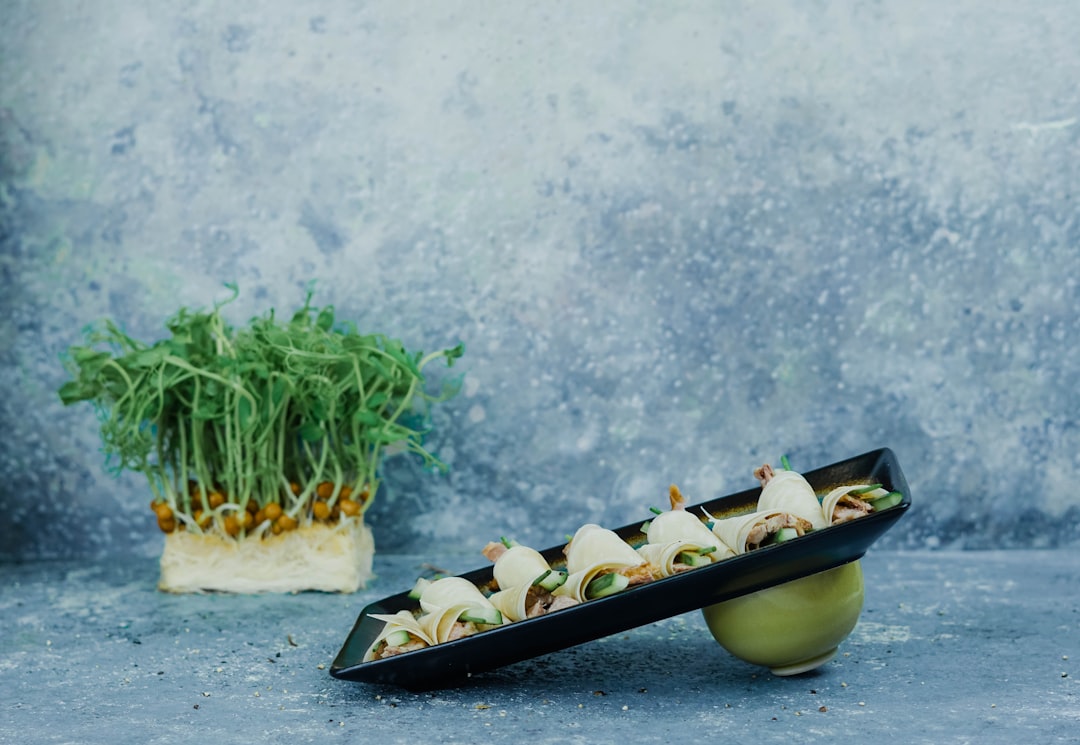
Photo by Toa Heftiba on Unsplash
By The Longevity Dose Editorial Team · Evidence-reviewed · Last updated July 2026
Both sulforaphane and spermidine show genuine longevity-relevant effects in human research, but they work through different mechanisms and have very different evidence bases in 2026. Sulforaphane activates your body’s internal antioxidant defense system, while spermidine triggers autophagy, the cellular cleanup process that slows with age. If you’re weighing sulforaphane vs spermidine for longevity and don’t want to take every supplement on the market, this comparison will tell you exactly where each one stands, what the science actually supports, and which deserves priority for most people.
Key Takeaways
- Sulforaphane activates the Nrf2 pathway, reducing oxidative stress and inflammation, with several small human trials supporting these effects in real people.
- Spermidine’s most compelling human evidence comes from a 2021 randomized controlled trial in which 3 months of supplementation improved memory performance in older adults with subjective cognitive decline.
- Both compounds are available from food: broccoli sprouts deliver sulforaphane, while wheat germ, aged cheese, and mushrooms are the best dietary spermidine sources.
- Neither compound has a completed long-term human lifespan trial as of 2026, so claims about “extending human life” remain theoretical extrapolations from animal and observational data.
Sulforaphane: The Broccoli Sprout Compound With Real Human Data
How Sulforaphane Works
Sulforaphane is an isothiocyanate compound produced when you chew or chop cruciferous vegetables, especially broccoli sprouts. Crushing plant cells combines the precursor glucoraphanin with the enzyme myrosinase, converting it into active sulforaphane. The mechanism that excites longevity researchers is Nrf2 activation.
Nrf2 is a transcription factor that acts like a master switch for your body’s cellular defense genes. When sulforaphane activates it, your cells ramp up production of glutathione, superoxide dismutase, and other internal antioxidants. This isn’t the same as swallowing an antioxidant supplement. Instead, sulforaphane teaches your body to make its own defenses, a key distinction. You can read more about this type of hormetic stress mechanism in our explainer on hormesis and aging.
What the Evidence Actually Shows
The human evidence for sulforaphane is real, but it’s narrower than the supplement industry implies. Several published trials have confirmed Nrf2 activation and measurable reductions in inflammatory markers in humans. A 2024 critical review published in Critical Reviews in Food Science and Nutrition (PMID 36597655) confirmed sulforaphane as one of the better-studied dietary phytochemicals with anti-aging effects across multiple biological models, including human study data.
Specific human trials have shown sulforaphane reduces circulating levels of C-reactive protein and improves markers of oxidative stress. Research in people with type 2 diabetes found meaningful reductions in fasting glucose and HbA1c. Studies in men with prostate cancer detected sulforaphane metabolites in prostate tissue, suggesting genuine bioavailability. These are real findings. However, no randomized controlled trial has tracked all-cause mortality or objective lifespan extension in humans.
Practical Use and Dosing
Getting meaningful sulforaphane from food is genuinely achievable. Around 100 grams of broccoli sprouts (roughly a cup) delivers meaningfully more sulforaphane than the same weight of mature broccoli — the exact yield varies with the variety, how fresh the sprouts are, and how thoroughly you chew them. Chew thoroughly or let chopped sprouts sit for a few minutes before cooking. Heat destroys myrosinase, so raw or lightly cooked is best.
Supplement forms vary wildly in quality. Standardized glucoraphanin supplements require active myrosinase to convert to sulforaphane in your gut, which doesn’t always happen reliably. Stabilized sulforaphane supplements bypass this conversion, but absorption can still vary. If you prefer a supplement, look for one that specifies active sulforaphane content, not just glucoraphanin precursor.
Downsides and Honest Caveats
Sulforaphane can interact with thyroid function at very high doses, since cruciferous vegetables contain goitrogens. For most people eating reasonable amounts, this isn’t a concern. But if you have thyroid disease, talk to your doctor before adding high-dose sulforaphane supplements. Evidence for cancer prevention, while promising in lab and animal studies, has not been confirmed in large human trials.
Spermidine: The Autophagy Trigger With a Standout Human Trial
How Spermidine Works
Spermidine is a polyamine compound found naturally in human cells and in certain foods. Its concentration declines with age, which is one reason researchers became interested in it. The primary mechanism relevant to longevity is autophagy induction. Autophagy is your cells’ housekeeping system: it breaks down and recycles damaged proteins and organelles. When autophagy declines, cellular junk accumulates. You can read the full explanation in our deep dive on autophagy and cellular self-cleaning.
Spermidine promotes autophagy by inhibiting acetyltransferases, ultimately activating key autophagy genes. In animal studies, spermidine supplementation extended lifespan in yeast, flies, worms, and mice. These findings generated significant excitement, but the translation to human lifespan remains unproven.
What the Evidence Actually Shows
Spermidine has one particularly strong human study behind it. A double-blind, randomized controlled trial published in 2021 found that 12 weeks of spermidine supplementation (at 1.2mg per day) improved memory performance in older adults experiencing subjective cognitive decline compared to placebo. That’s a legitimate RCT in humans with a clinically meaningful outcome. It’s not “spermidine extends life in a worm” territory.
Observational data also supports interest. Research following older adults found that higher dietary spermidine intake correlated with lower cardiovascular mortality. These are association studies, not proof of causation, but the biological plausibility from mechanistic research strengthens the case. For more on dietary spermidine sources and supplement quality, our full post on spermidine food sources vs supplements covers this in detail.
The 2024 phytochemical review in Critical Reviews in Food Science and Nutrition also identified spermidine as a compound of significant interest across aging models, consistent with its growing evidence base.
Practical Use and Dosing
Getting spermidine from food is realistic. Wheat germ is consistently identified as among the richest common food sources of spermidine, with concentrations that vary depending on processing and freshness — check the specific product or a published food composition table for the variety you use. Aged hard cheeses, mushrooms, soy products, and legumes also deliver meaningful amounts. The caveat: you need consistent daily intake over time. Autophagy induction isn’t a one-dose effect.
The RCT used a wheat germ extract supplement; the trial paper itself is the place to verify the exact dose used — look up the 2021 Kiechl-group study in older adults with subjective cognitive decline for the full protocol. That’s a low absolute dose, but it’s the dose backed by human trial data. Higher doses are sold commercially, but evidence for benefit beyond 1.2mg in humans is sparse. Stick to doses with actual trial support.
Downsides and Honest Caveats
Spermidine’s safety profile appears good in the available data, with no serious adverse effects reported at studied doses. The bigger caveat is that the human evidence, while real, is still thin. One RCT and several observational studies do not make a proven longevity intervention. The animal lifespan extension data is genuinely impressive across multiple species, but animal data has repeatedly failed to fully translate to humans in nutrition research.
Sulforaphane vs Spermidine for Longevity: Head-to-Head Comparison
| Factor | Sulforaphane | Spermidine |
|---|---|---|
| Primary mechanism | Nrf2 activation (antioxidant defense) | Autophagy induction (cellular cleanup) |
| Human RCT evidence | Multiple small trials (inflammation, glucose) | One RCT (memory in older adults) |
| Animal lifespan data | Positive in some models | Strong across yeast, worms, flies, mice |
| Best food source | Broccoli sprouts (~100g for real dose) | Wheat germ, aged cheese, mushrooms |
| Supplement reliability | Variable (conversion issues with some forms) | Moderate (wheat germ extract used in RCT) |
| Supported dose (humans) | 20-40mg sulforaphane equivalent | 1.2mg spermidine/day (RCT dose) |
| Key honest caveat | No human lifespan trial; cancer prevention unproven | Very limited human data overall; thin evidence base |
| Cardiovascular evidence | CRP and oxidative stress reduction in humans | Observational: lower CV mortality with higher intake |
| Brain health data | Indirect (inflammation reduction); limited direct trials | Direct RCT showing memory improvement |
| Can you get it from food? | Yes, realistically | Yes, with dietary effort |
The Verdict: Which One Should You Actually Take?
Sulforaphane wins for most people as the higher-priority compound in 2026. It has a broader base of human evidence across multiple health outcomes: inflammation, glucose regulation, oxidative stress, and bioavailability in target tissues. The mechanisms are well-characterized. And crucially, you can get a meaningful daily dose from food (a cup of raw broccoli sprouts) without paying for a supplement at all.
Spermidine deserves serious attention if your primary concern is cognitive aging, and our Spermidine vs Urolithin A longevity comparison is a natural next read if you’re deciding how it stacks up against other autophagy-promoting compounds. The 2021 RCT showing memory improvement is the most specific and clinically meaningful human trial either compound has produced. If brain health is your priority over your 50s and 60s, spermidine at 1.2mg per day via a wheat germ extract supplement is a reasonable add-on with genuine trial support behind it.
But here’s the honest framing: neither compound has a human lifespan trial. Neither has been proven to extend human life. The animal data for spermidine is more dramatic, but dramatic animal results have disappointed in human trials more times than they’ve delivered. Sulforaphane’s human data is more modest in scope but more consistently replicated.
For the longevity-focused person who doesn’t want a 10-supplement stack, the practical answer is this. Eat broccoli sprouts regularly. Prioritize sulforaphane through food first. If brain health is a specific concern and you’re willing to add a supplement, a quality wheat germ extract providing 1.2mg spermidine daily is among the better-supported additions in the current evidence landscape, comparable to other compounds reviewed in our Urolithin A vs Fisetin comparison or our creatine vs taurine longevity breakdown. These also address cellular cleanup pathways and are worth comparing.
Taking both is not unreasonable if your budget allows. They work on entirely different pathways: Nrf2 defense and autophagy don’t compete. But if you’re forcing a choice, start with sulforaphane. The evidence foundation is wider. And eating broccoli sprouts costs less than almost any longevity supplement on the market.
Affiliate Disclosure: The Longevity Dose may earn a small commission if you purchase through the links below, at no additional cost to you. We only link products and books with a genuine research track record. Learn more.
What We Recommend
- Outlive: The Science and Art of Longevity by Dr. Peter Attia. Dr. Attia’s framework for longevity includes exactly the kind of food-first, evidence-first approach that underpins both sulforaphane and spermidine. If you want the full strategic context for every compound discussed in this post, this book belongs on your shelf.
- Nordic Naturals Ultimate Omega. Omega-3s address the same systemic inflammation that sulforaphane targets via Nrf2. IFOS 5-star certified and in triglyceride form for superior absorption, this is a foundational anti-inflammatory supplement that pairs sensibly with any phytochemical protocol.
Frequently Asked Questions
Can you take sulforaphane and spermidine together?
Yes. Sulforaphane and spermidine work through completely separate pathways: Nrf2 antioxidant activation and autophagy induction, respectively. No known interactions exist between them, and combining both is a reasonable approach if your budget allows. The real question is whether either should come before more fundamental interventions like exercise, sleep, and diet quality.
Is broccoli a good enough source of sulforaphane, or do you need sprouts?
Mature broccoli delivers far less sulforaphane than broccoli sprouts. Broccoli sprouts concentrate glucoraphanin at substantially higher levels per gram than mature broccoli heads — the gap is large enough that sprouts are the practical food route to a meaningful dose, while mature florets contribute far less. A realistic serving of mature broccoli typically delivers only a few milligrams of sulforaphane equivalent, while 100 grams of raw sprouts can deliver a substantially higher amount than mature broccoli, with the actual yield depending on variety, freshness, and preparation. Sprouts are the practical food source for meaningful doses.
What is the best spermidine supplement dose based on human trials?
The only completed double-blind RCT in humans used a wheat germ extract capsule over 12 weeks — the trial paper (the 2021 Kiechl-group SmNMC study) is the authoritative source for the dose and duration; read it before choosing a supplement dose. That trial found significant improvements in memory performance in older adults. Higher doses are sold commercially, but evidence for benefits beyond 1.2mg in humans does not yet exist. Follow the trial-supported dose until better data emerges.
Does sulforaphane actually reduce cancer risk in humans?
The honest answer is: not proven in humans. Lab and animal studies show strong anti-cancer effects through multiple pathways. Human trials have confirmed that sulforaphane metabolites reach target tissues like the prostate, and some observational data links cruciferous vegetable intake to lower cancer risk. But no randomized controlled trial has demonstrated that sulforaphane supplementation reduces cancer incidence in humans. The evidence is mechanistically plausible but not clinically confirmed.
Which compound is better for heart health?
Both show cardiovascular-relevant effects in humans, but through different evidence types. Sulforaphane has direct human trial data showing reductions in C-reactive protein and oxidative stress markers, both linked to cardiovascular disease. Spermidine has observational data associating higher dietary intake with lower cardiovascular mortality. Neither has an RCT with a hard cardiovascular endpoint. For a broader view of heart health biomarkers worth tracking, see our guide to heart health after 40.
Is spermidine the same as spermine, and are they interchangeable?
Spermidine and spermine are both polyamines found in human cells, and they share some overlapping functions. But they’re distinct compounds with different chemical structures. Spermidine is the form with the most longevity research behind it, particularly for autophagy induction and the 2021 cognitive RCT. Spermine has less dedicated longevity research. When evaluating supplements, look specifically for spermidine content and the source (wheat germ extract is the studied delivery form).
Liked This? Keep Reading.
Get the next post in your inbox. Real science on longevity, supplements, and fitness — no hype.
Drop your email below. Weekly. No spam. Unsubscribe anytime. ↓