Spermidine for Longevity: Doses, Foods & What Trials Show
Photo by Muhammad Faisal Ghaffar on Unsplash
By The Longevity Dose Editorial Team · Evidence-reviewed · Last updated September 2026
Spermidine for longevity is a legitimate research area, not a supplement company talking point. Your body naturally produces this polyamine compound, your gut bacteria make it, and you consume small amounts in ordinary foods like wheat germ, aged cheese, and mushrooms. The catch: spermidine levels decline measurably as you age, and that decline coincides with reduced autophagy, the cellular “self-cleaning” process that most longevity researchers consider central to healthy aging. Whether you can meaningfully restore those levels through food or a supplement capsule, and whether doing so actually moves the needle on how you age, is exactly what the current evidence is trying to answer.
Key Takeaways
- Spermidine is a naturally occurring polyamine whose blood levels decline with age, and this decline is associated with reduced autophagy and accelerated immunosenescence.
- A 2026 pilot RCT published in Aging Cell found that spermidine supplementation reduced markers of immune cell senescence and improved vaccine response in older adults, a meaningful human finding, though the trial was small.
- The richest dietary sources are wheat germ, natto, aged hard cheeses, dried mushrooms, and soybean products — getting meaningful amounts from food is genuinely achievable with a targeted diet.
- Supplement doses used in human trials vary, the long-term safety profile in people is not yet established, and no large RCT has confirmed lifespan extension in humans — the honest current status is “promising but preliminary.”
What Is Spermidine and Why Does It Matter for Aging?
Spermidine belongs to a family of small molecules called polyamines. Every cell in your body contains them. They regulate gene expression, stabilize cell membranes, and, most relevantly to longevity, they act as potent inducers of autophagy. Autophagy is the process by which your cells break down and recycle damaged components. Think of it as cellular housekeeping. When autophagy slows down, damaged proteins and dysfunctional organelles accumulate, and that accumulation is one of the recognized hallmarks of aging. You can read more about that framework in our guide to the 12 hallmarks of aging.
Beyond autophagy, a 2026 review published in Frontiers in Aging highlighted that spermidine targets multiple aging mechanisms simultaneously, including inflammation regulation, mitochondrial function, and cellular stress responses. That multi-pathway profile is why researchers are interested. A molecule that nudges several aging pathways at once is more interesting than one that only does a single thing.
And here’s something that doesn’t get enough attention: spermidine also appears to inhibit ferroptosis, a specific form of iron-dependent cell death that increases with age. A 2026 paper in Cell Stress identified that polyamines including spermidine contribute to geroprotection partly through this ferroptosis-suppressing mechanism, complementing the autophagy story rather than replacing it. That’s a newer angle, and it’s still being worked out in model organisms rather than humans.
What the Research Actually Shows in Humans
The most important thing to understand about spermidine research is that most of the compelling longevity data comes from animal models and observational human studies. That’s not nothing, but it’s not proof either. Here’s where the human evidence actually stands in 2026.
The 2026 Aging Cell Pilot RCT
The strongest piece of recent evidence is a randomized controlled trial published in Aging Cell (2026). This pilot study tested spermidine supplementation in healthy older adults and found it reduced markers of immune cell senescence while improving vaccine responses in this population. That’s genuinely significant. Older adults typically mount weaker immune responses to vaccines because of immunosenescence, the gradual degradation of immune function with age, and impaired autophagy appears to be part of why. Spermidine restored some of that function in this trial.
The caveat: this was a pilot study, meaning it was small. Pilot studies establish whether something is worth testing at larger scale. They don’t confirm a drug or supplement works. The signal here is promising enough to take seriously, not strong enough to call definitive.
The REPROGRAM Trial Protocol (2026)
A separate 2026 protocol paper published in PLoS One describes the REPROGRAM trial, a multi-arm study testing geroprotective compounds, including spermidine, for their ability to improve resilience to physiological stressors like surgery and infection in older adults. The trial is ongoing. This matters because it signals that legitimate academic medicine is taking spermidine seriously enough to put it through rigorous testing, but it also means we’re still waiting for results.
Animal and Lab Evidence: Real But Not Transferable
In fruit flies and mice, spermidine supplementation has extended lifespan, improved memory, reduced inflammation, and protected neurons. A 2026 study in Archives of Insect Biochemistry and Physiology found neuroprotective effects in a Drosophila neurodegeneration model. Interesting, but Drosophila is very far from a human brain. Animal evidence tells us the mechanisms are plausible. It does not tell us what dose works in people, whether benefits persist long-term, or whether the effect size is meaningful.
This is the same challenge facing compounds like fisetin and urolithin A. Exciting in the lab, early in humans. Always worth knowing which category a finding falls into.
Best Food Sources of Spermidine
Getting spermidine from food is genuinely viable, and it has the advantage of coming packaged with other beneficial compounds. Here are the richest sources, roughly ranked by concentration:
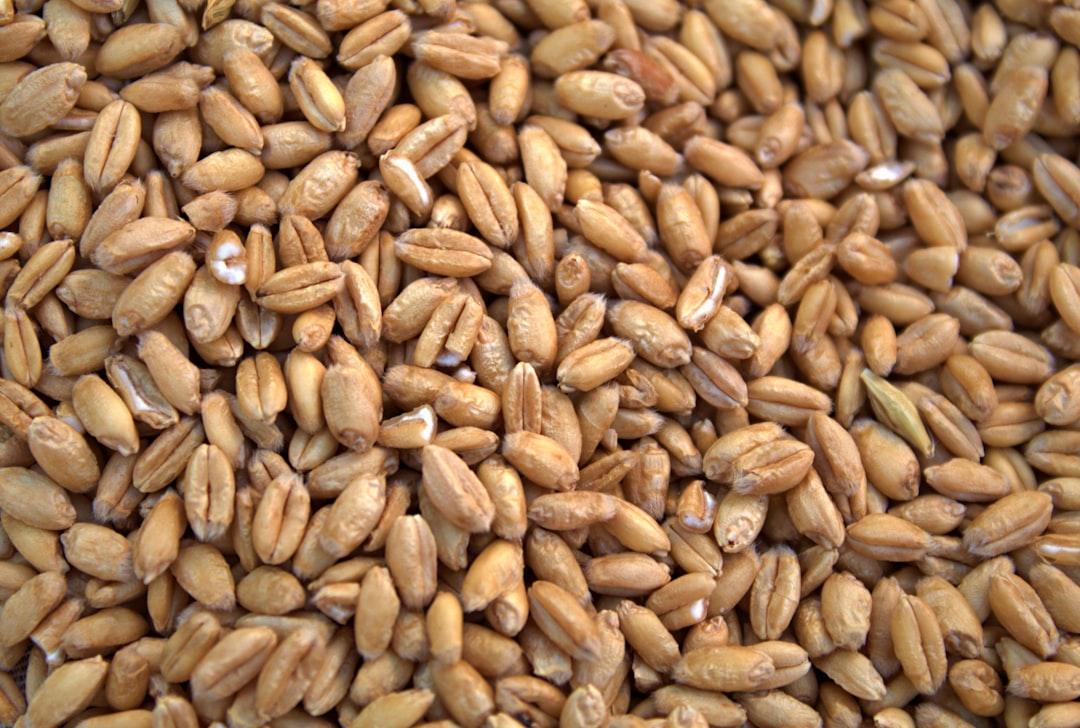
- Wheat germ: Consistently the highest dietary source across multiple food analyses. Even a small daily serving delivers meaningful polyamine content.
- Natto (fermented soybeans): A traditional Japanese fermented food with exceptionally high spermidine content. Fermentation increases polyamine levels substantially.
- Aged hard cheeses: The aging process concentrates spermidine. Longer-aged varieties like parmesan and aged cheddar contain more than fresh cheeses.
- Dried mushrooms: Shiitake and similar varieties are solid sources. Drying concentrates the content.
- Soybeans and soy products: Tempeh, edamame, and tofu all contribute meaningfully.
- Green peas and broccoli: Lower concentrations but accessible daily options for plant-forward eaters.
- Legumes: Chickpeas and lentils provide moderate amounts alongside their fiber and protein benefits, which matter for protein needs after 60.
A diet built around these foods is also consistent with the broader longevity diet evidence. Wheat germ on yogurt, natto with rice, aged cheese in reasonable amounts. None of this requires unusual eating habits.
Spermidine Supplements: What to Know Before You Buy
Supplement products typically standardize their content to spermidine extracted from wheat germ or produced via fermentation. The doses used in human trials vary considerably, and because the field is still early, there’s no established consensus dose that I can point you to with confidence. What I can tell you is that the doses used in the published human trials above are described in those papers, and any supplement you consider should be benchmarked against the actual trial protocols, not marketing copy.
A few things worth knowing before you spend money on a spermidine supplement:
- Bioavailability from oral supplements is not fully characterized in humans. We don’t yet know how much of an oral dose actually reaches target tissues.
- Spermidine is not a controlled substance and has a long history of safe dietary consumption, but long-term supplementation trials in humans are limited. The safety data at higher supplemental doses is thinner than companies suggest.
- Wheat germ allergy is rare but real. If you have gluten sensitivity or wheat allergy, confirm the source of the extract before purchasing.
- Spermidine interacts with polyamine metabolism broadly. People on certain cancer treatments should speak with their oncologist before supplementing, as polyamine pathways are also relevant to some tumor biology.
If you’re already taking multiple longevity compounds, it’s worth reading our comparison of spermidine vs urolithin A before adding yet another capsule to your stack.
Practical Protocol: How to Maximize Spermidine Through Diet First
Given where the evidence stands, a food-first approach is both the most defensible and the most practical starting point. Here’s a realistic weekly structure:
- Add wheat germ daily. Two tablespoons stirred into yogurt, oatmeal, or a smoothie is an easy habit. This is probably the simplest dietary upgrade for spermidine intake.
- Eat natto 2-3 times per week. It’s an acquired taste. If you can’t get there, tempeh is a milder alternative with decent polyamine content.
- Choose aged cheese over fresh. A portion of parmesan or aged manchego with meals replaces fresh mozzarella without any real sacrifice.
- Add dried mushrooms to soups and stir-fries. Reconstituted shiitake is genuinely easy to cook with and adds meaningful spermidine alongside other compounds.
- Eat legumes 4-5 times per week. Chickpeas, lentils, and edamame contribute both spermidine and the protein that matters increasingly as you age.
If you decide to add a supplement on top of this dietary foundation, look for a product that discloses the actual spermidine content per serving in milligrams, names the source (wheat germ extract is the most studied), and carries third-party testing certification.
What We Don’t Know Yet: The Honest Gaps
Spermidine is one of the more scientifically interesting longevity compounds in 2026. But the evidence gaps are real, and anyone selling you certainty is selling you something else.
Specifically, here’s what remains genuinely unknown:
- Optimal dose in humans. No large, well-powered RCT has yet established a dose-response curve in people across different age groups.
- Long-term safety at supplemental doses. Most human trials to date have been short. We don’t have multi-year safety data for higher supplemental intakes.
- Whether supplements outperform food. It’s entirely possible that the full polyamine matrix in whole foods works better than isolated spermidine in a capsule. The research hasn’t resolved this.
- Whether the autophagy mechanism fully explains the benefits. The ferroptosis angle identified in the 2026 Cell Stress paper suggests the story is more complex than the simple “spermidine induces autophagy” framing.
- Sex and age differences in response. The pilot RCT studied older adults generally. Whether younger adults, women versus men, or people with different baseline polyamine levels respond differently is largely unexplored.
The honest summary: spermidine’s mechanism is credible, the food-based approach carries essentially no downside, and the early human evidence is more encouraging than most longevity supplements can claim. But the science is not settled. Anyone telling you otherwise hasn’t read the papers carefully.
Affiliate Disclosure: The Longevity Dose may earn a small commission if you purchase through the links below, at no additional cost to you. We only recommend products we genuinely believe in. Learn more.
What We Recommend
- Outlive: The Science and Art of Longevity by Dr. Peter Attia. If you’re serious about spermidine and longevity compounds broadly, Attia’s framework for evaluating evidence, including his thinking on autophagy and dietary interventions, is the clearest guide available. It’ll help you cut through the supplement noise.
Frequently Asked Questions
What does spermidine actually do in the body?
Spermidine is a polyamine that your cells use to regulate gene expression, stabilize DNA, and, most relevantly to aging, trigger autophagy, the process of cellular self-cleaning. It also appears to suppress ferroptosis, a form of iron-dependent cell death that increases with age, based on 2026 research. Spermidine levels decline naturally as you get older, which is part of why researchers are interested in restoring them.
What foods are highest in spermidine?
Wheat germ is consistently the richest dietary source. Natto (fermented soybeans) and other fermented soy products are also very high. Aged hard cheeses, dried mushrooms like shiitake, legumes, and broccoli all contribute meaningfully. A Mediterranean-style diet with these foods regularly included will provide substantially more dietary spermidine than a standard Western diet.
Is spermidine supplementation safe?
Short-term human trials have not identified significant safety concerns at the doses studied. However, long-term safety data at supplemental doses is limited, and this is an honest gap in the current evidence. People with wheat allergies should check the extract source carefully. Anyone on cancer treatment should consult their oncologist before supplementing, as polyamine pathways are relevant to some tumor biology.
Has spermidine been tested in human clinical trials?
Yes, though the human evidence is still early. A pilot RCT published in Aging Cell in 2026 found that spermidine supplementation reduced immune cell senescence markers and improved vaccine responses in older adults. Larger trials, including the REPROGRAM study described in a 2026 PLoS One protocol paper, are currently underway. The existing human data is promising but not yet definitive.
Should I take a spermidine supplement or get it from food?
A food-first approach is the most defensible starting point given current evidence. The dietary sources, particularly wheat germ and fermented soy products, are accessible and carry no meaningful downside. Whether isolated supplements outperform whole food sources is genuinely unknown, because the research hasn’t resolved that question. If you do supplement, look for products with disclosed milligram content and third-party testing.
How does spermidine compare to other longevity supplements?
Spermidine has a more coherent mechanistic story than many longevity compounds, with autophagy induction and ferroptosis suppression as identified pathways. Its human evidence base is early but moving faster than compounds like resveratrol, which has largely disappointed in human trials. Compared to urolithin A, which also targets mitochondrial quality control, spermidine’s immune-specific data from the 2026 RCT is a differentiating point. See our detailed comparison of spermidine vs urolithin A for a fuller breakdown.
Liked This? Keep Reading.
Get the next post in your inbox. Real science on longevity, supplements, and fitness — no hype.
Drop your email below. Weekly. No spam. Unsubscribe anytime. ↓