
Blood Pressure Targets by Age: What Longevity Data Says
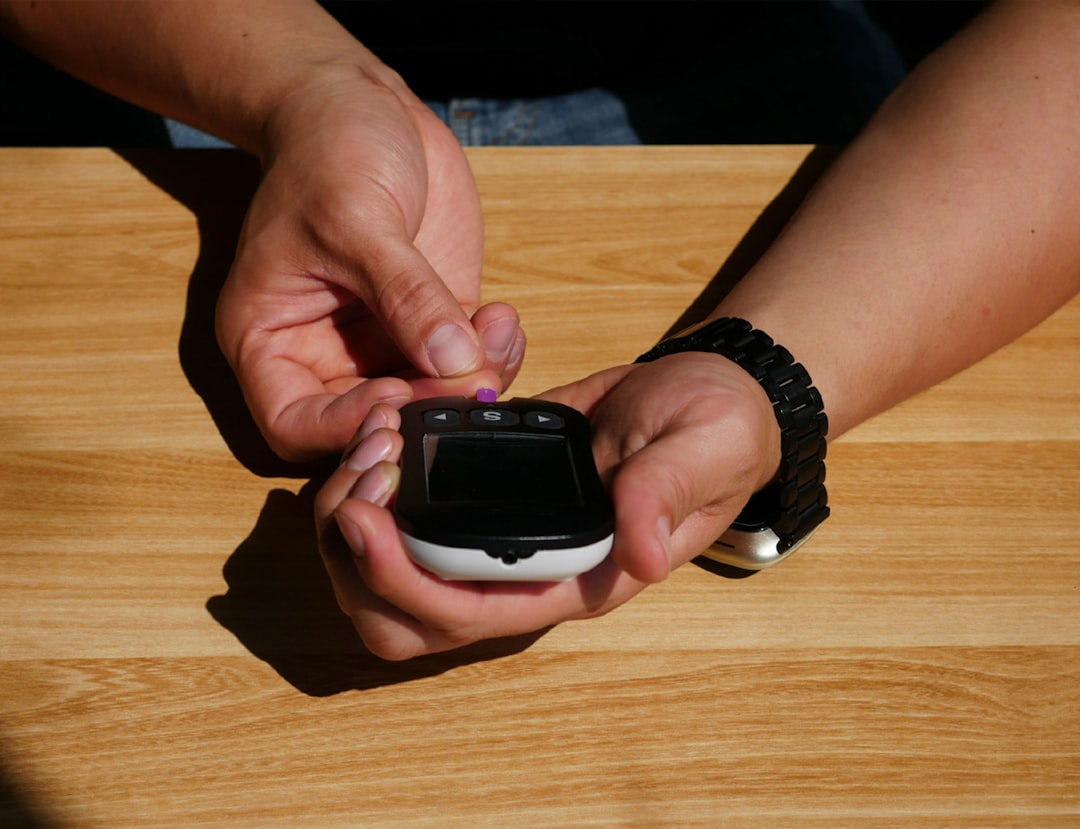
Photo by isens usa on Unsplash
By The Longevity Dose Editorial Team · Evidence-reviewed · Last updated August 2026
Knowing your blood pressure targets by age could be one of the most important things you do for your lifespan. Blood pressure is not a number your doctor checks and forgets. It’s a running signal of how hard your heart, kidneys, and brain are working every single day. And the “right” target isn’t the same at 45 as it is at 75. Evidence shows that treating everyone to the same number does real harm, particularly in older adults with frailty. This guide breaks down what the 2026 research actually says, age group by age group, and what you can do about it today.
Key Takeaways
- For most healthy adults under 70, a systolic blood pressure below 130 mmHg is the longevity-supported target, based on data from the SPRINT trial and 2026 real-world Veterans cohort research.
- A 2026 study in Age and Ageing (PMID 42258778) found that intensive blood pressure lowering in adults over 80 did not consistently reduce mortality and raised fall and kidney risk, meaning aggressive targets are not appropriate for all older adults.
- Blood pressure trajectories from childhood through mid-adulthood independently predict subclinical organ damage decades later, underscoring why early control matters far more than most people realize.
- The honest answer is that optimal targets in adults aged 70-79 remain genuinely debated, and frailty status matters more than age alone in deciding how aggressively to treat.
Why Blood Pressure Targets by Age Actually Matter
High blood pressure is often called a “silent” risk. But the silence is deceptive. Chronically elevated pressure damages the inner lining of arteries, accelerates arterial stiffening, strains the left ventricle, and quietly reduces blood flow to the brain over years. These effects compound. By the time most people feel anything, the structural damage is already done.
The question is not just whether to treat high blood pressure. It’s which target to aim for, at which age. Treating a 45-year-old and an 82-year-old to identical numbers is not evidence-based medicine. The physiology, the risks of treatment, and the benefits of aggressive control are genuinely different across the lifespan. Our Heart Health After 40 guide covers this ecosystem in full, including how blood pressure interacts with ApoB and Lp(a).
What the Research Shows: Age-Specific Evidence
Adults Under 60: Lower Is Likely Better
For healthy adults in their 40s and 50s, the evidence for tighter targets is relatively strong. The landmark SPRINT trial found that targeting a systolic blood pressure below 120 mmHg, compared to below 140 mmHg, produced meaningful reductions in cardiovascular events and all-cause mortality in high-risk adults — the trial’s own published results are the place to check the precise figures, as the exact percentages depend on which endpoint and analysis window you read. That’s a real and meaningful difference.
A 2026 cohort study published in Hypertension (PMID 41944008) reinforced this in a real-world setting. Researchers tracked US Veterans with hypertension and found that even modest elevations in real-world systolic blood pressure, not just clinical readings, predicted higher mortality risk. The key word is “real-world”: your home readings and the pattern over months matter, not just the number your doctor captures once a year.
Furthermore, a separate 2026 study also published in Hypertension (PMID 42059070) followed 2,508 participants from childhood into mid-adulthood, measuring blood pressure repeatedly from 1987 to 2023. Higher age-specific blood pressure trajectories and faster rates of BP rise through the adult years were independently associated with subclinical target organ damage decades later. In other words, your blood pressure trend matters as much as your current reading. Rising slowly across your 40s is a warning sign even if you’re technically “in range” today.
Adults 60-79: The Target Debate Gets Real
This is where the evidence splits and where you need to think more carefully. Most major guidelines currently recommend a systolic target below 130 mmHg for adults in this age group who are otherwise healthy. But the data gets more nuanced when frailty, polypharmacy, or orthostatic hypotension enter the picture.
A 2026 study in Age and Ageing (PMID 42258778) evaluated standard versus intensive BP targets in older adults aged 60-79 and very old adults aged 80 and over in real-world clinical settings. Intensive control in the 60-79 group showed benefit for cardiovascular outcomes, but the margin narrowed compared to younger adults, and side effects such as dizziness and falls became more clinically significant. This tracks with what Dr. Peter Attia consistently argues: the risk-benefit calculation for aggressive pharmacological lowering shifts as you age, and you can’t ignore quality-of-life outcomes.
A 2026 review in Nature Reviews Cardiology (PMID 41478887) tackled this directly, noting that frailty significantly alters the cardiovascular pharmacotherapy calculus in older adults. The review emphasized that a blanket target for everyone over 60 misses the point. Frailty status, fall risk, kidney function, and the burden of concurrent medications all need to be weighed individually.
Adults 80 and Over: Caution Is Evidence-Based
For adults over 80, the same 2026 Age and Ageing study found that very intensive blood pressure lowering did not consistently reduce all-cause mortality, and raised meaningful concerns about adverse events. This is not a reason to ignore blood pressure in your 80s. Severe, uncontrolled hypertension remains dangerous at any age. But it does mean a systolic target of 140-150 mmHg may be more appropriate than 120-130 mmHg for many very old adults, particularly those with frailty or a history of falls.
This honestly contradicts the instinct of “lower is always better.” In the very old, it’s not always true.
Blood Pressure Targets by Age: Reference Table
| Age Group | Systolic Target | Diastolic Target | Evidence Level |
|---|---|---|---|
| 30-59 (healthy) | Below 120-130 mmHg | Below 80 mmHg | Strong (RCT + cohort) |
| 60-79 (healthy) | Below 130 mmHg | Below 80 mmHg | Moderate (frailty-dependent) |
| 60-79 (frail or comorbid) | 130-140 mmHg | Below 85 mmHg | Moderate (individualize) |
| 80 and over | 140-150 mmHg | Below 90 mmHg | Weak-to-moderate (highly individualized) |
These are population-level guidance ranges. Your individual target depends on kidney function, medication burden, fall history, and your doctor’s assessment. Don’t self-titrate medications based on a table.
Blood Pressure and Longevity: The Mechanisms Behind the Numbers
Blood pressure matters for longevity through several compounding pathways. Chronically elevated arterial pressure accelerates atherosclerosis, the same process that drives ApoB-related cardiovascular risk (which we cover in detail in our ApoB optimal range guide). It also drives left ventricular hypertrophy, reduces arterial compliance, and contributes to white matter damage in the brain.
Importantly, the brain is acutely sensitive to blood pressure extremes in older adults. Both too high and too low can impair cerebral perfusion. That’s part of why protecting cognition after 40 requires paying attention to blood pressure, not just the usual brain-health suspects like sleep and stress.
Blood pressure also interacts with other cardiovascular biomarkers. A 2026 cohort study in BMC Medicine (PMID 42218468) tracking over 43,000 adults with diabetes found age-stratified associations between blood pressure, glycemia, and cholesterol with mortality, confirming that these factors don’t operate in isolation — and if you’re monitoring glycemia alongside blood pressure, our fasting glucose optimal ranges by age chart is a useful companion reference. Managing blood pressure as a single lever misses the biological reality.
Practical Protocol: How to Manage Your Blood Pressure for Longevity
Step 1: Measure Correctly at Home
Most people have never taken a proper blood pressure reading. Sit quietly for five minutes before measuring. Keep your feet flat on the floor, back supported, arm at heart level. Take two readings, two minutes apart, and average them. Do this in the morning before medication and again in the evening. A validated home cuff (look for upper arm cuffs with clinical validation marks) gives you far more useful data than a single office reading.
Step 2: Know Your Actual Pattern
One reading means almost nothing. Track your blood pressure for at least two weeks before drawing conclusions. Bring that log to your doctor. White-coat hypertension (elevated only in the office) and masked hypertension (normal in the office, elevated at home) are both real and clinically significant. The 2026 Veterans cohort study specifically highlighted that real-world BP patterns predict mortality independently of clinical readings.
Step 3: Prioritize Lifestyle Before Medications
The lifestyle interventions with the strongest blood pressure-lowering evidence are:
- Sodium reduction: Cutting dietary sodium substantially lowers blood pressure in sodium-sensitive individuals, though how much depends on your baseline intake, your kidneys, and your individual sensitivity — the effect varies enough that your own repeat readings before and after a dietary change tell you more than any average figure.
- Aerobic exercise: Consistent moderate-intensity cardio (Zone 2) lowers systolic BP meaningfully in people with elevated readings — the magnitude depends on your starting point and how consistently you train. Our Zone 2 heart rate guide by age will help you train in the right range.
- Weight reduction: Losing excess body fat lowers blood pressure through reduced cardiac output demand and improved vascular function — the relationship is real, but the per-kilogram effect varies considerably between individuals and is a question for your clinician to track alongside your readings.
- DASH diet: Consistently lowers systolic BP in people with hypertension, with the effect strongest in those with the highest starting readings — how much you personally gain depends on your baseline and adherence.
- Alcohol reduction: Cutting alcohol significantly lowers blood pressure, particularly systolic. This is one of the cleaner lifestyle levers available. Our piece on alcohol and biological aging covers exactly how this works.
- Sleep quality: Poor sleep independently raises blood pressure. Prioritizing 7-9 hours of consolidated sleep matters.
Step 4: Talk to Your Doctor About Medication Thresholds
If your systolic consistently reads above 140 mmHg despite lifestyle changes, a conversation about medication is appropriate. For most adults under 70, the evidence supports titrating toward 120-130 mmHg. For adults over 75 with frailty or polypharmacy, a softer target is likely safer. Ask your doctor to assess your frailty status explicitly, not just your blood pressure number.
What We Don’t Know Yet
Honest answer: the ideal blood pressure target for adults aged 70-79 without significant frailty remains genuinely unsettled. Most trials were not designed to isolate this group at fine-grained resolution. The frailty-stratified real-world data from 2026 is helpful, but it’s observational, not randomized. That means confounding is possible.
We also don’t have strong long-term data on whether home-guided titration (adjusting treatment based on home readings rather than office measurements alone) improves longevity outcomes compared to standard office-based care, though early evidence is encouraging.
Finally, the interaction between blood pressure targets and emerging longevity interventions like GLP-1 drugs (which lower blood pressure as a secondary effect) is still being mapped. Our overview of GLP-1 drugs and longevity covers what we know so far.
Affiliate Disclosure: The Longevity Dose may earn a small commission if you purchase through the links below, at no additional cost to you. We only link products and books with a genuine research track record. Learn more.
What We Recommend
- Outlive: The Science and Art of Longevity by Dr. Peter Attia. Dr. Attia devotes significant coverage to blood pressure as a cardiovascular risk driver, including why the targets matter and how he approaches individualized treatment in his own patients. If you want one book that puts blood pressure targets into a full longevity framework, this is it.
Frequently Asked Questions
What is a healthy blood pressure for a 50-year-old?
For a healthy 50-year-old without significant comorbidities, the evidence supports a systolic blood pressure below 130 mmHg and a diastolic below 80 mmHg. The SPRINT trial data and 2026 real-world cohort findings both support this range for reducing cardiovascular mortality in this age group. Consistently reading above 140/90 warrants a medical conversation.
Should blood pressure targets be higher as you get older?
For healthy adults, the answer is largely no through age 70. However, for adults over 75-80, particularly those with frailty, fall risk, or kidney impairment, a systolic target of 140-150 mmHg is often more appropriate. A 2026 study in Age and Ageing found that intensive lowering in very old adults did not consistently reduce mortality and raised adverse event risk.
What is considered dangerously high blood pressure at any age?
The American College of Cardiology and American Heart Association classify a systolic reading above 180 mmHg or a diastolic above 120 mmHg as hypertensive crisis, which requires immediate medical evaluation. Readings that consistently reach this level indicate severe elevation that warrants prompt medical assessment regardless of age — do not wait for lifestyle changes to take effect before speaking to a doctor. Don’t wait to see if lifestyle changes bring this level down without medical guidance.
Can lifestyle changes really lower blood pressure enough to avoid medication?
For stage 1 hypertension (systolic 130-139 mmHg), combined lifestyle interventions — sodium reduction, aerobic exercise, the DASH diet, alcohol reduction — can produce meaningful reductions in systolic BP in motivated individuals; whether the effect is large enough to avoid medication in your case is a judgment your clinician makes with your repeat readings in hand, not a number a blog can give you. The DASH diet alone can produce a meaningful reduction in systolic BP, with the effect most pronounced in those with higher starting readings. Exercise, sodium reduction, and alcohol reduction compound these effects. For stage 2 hypertension, lifestyle changes alone are rarely sufficient.
Does blood pressure affect brain aging?
Yes, significantly. Chronically elevated blood pressure reduces cerebral perfusion, accelerates white matter damage, and is one of the strongest modifiable risk factors for vascular dementia. Evidence from long-term cohort studies shows that midlife hypertension (in your 40s and 50s) predicts cognitive decline decades later, even when blood pressure normalizes in old age.
How often should I check my blood pressure at home?
For adults with known hypertension, daily home monitoring in the morning and evening for two-week periods every few months gives the most useful data. For adults with normal blood pressure checking their baseline, a two-week log once or twice a year is reasonable. Averaging multiple readings taken under consistent conditions is far more informative than any single measurement.
Liked This? Keep Reading.
Get the next post in your inbox. Real science on longevity, supplements, and fitness — no hype.
Drop your email below. Weekly. No spam. Unsubscribe anytime. ↓