Fisetin vs Quercetin: Which Is Better for Longevity?
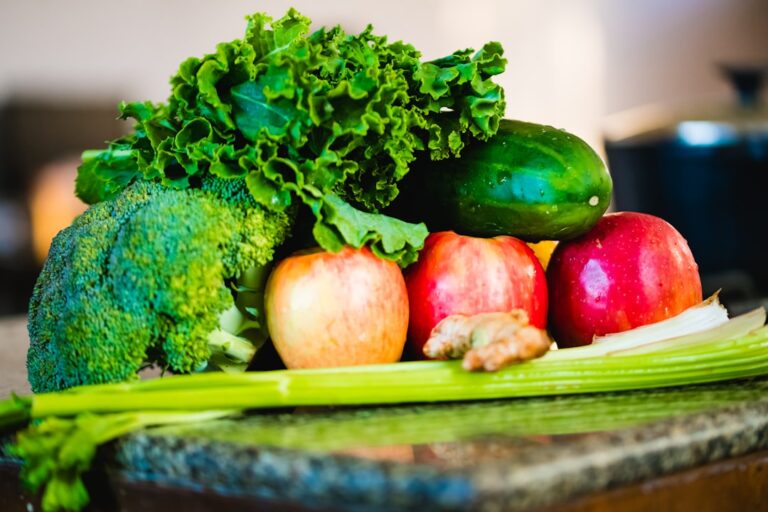
Photo by Ali XD 2000 on Unsplash
By The Longevity Dose Editorial Team · Evidence-reviewed · Last updated September 2026
Fisetin and quercetin are both plant flavonoids with senolytic potential, but they aren’t interchangeable, and the debate over fisetin vs quercetin for longevity comes down to very different levels of evidence and very different mechanisms. Both compounds destroy senescent “zombie” cells in laboratory settings. However, as of 2026, neither has a completed large-scale human trial proving it extends lifespan. Dr. James Kirkland at the Mayo Clinic has led much of the foundational research on senolytics, and his work forms the backbone of what we actually know about both molecules. If you’re deciding which one to take (or whether to bother at all), here’s an honest breakdown of the science behind each.
Key Takeaways
- Fisetin showed the strongest senolytic activity of 10 flavonoids tested in a 2018 preclinical screening at the Mayo Clinic, outperforming quercetin when used alone.
- Quercetin’s human data comes primarily from its pairing with dasatinib (a cancer drug), not from quercetin taken solo as a supplement.
- Neither compound has completed a large randomized controlled trial proving it slows aging or extends lifespan in humans as of September 2026.
- If you’re choosing one standalone flavonoid for potential senolytic benefit, fisetin has stronger preclinical support, but “stronger preclinical support” still doesn’t mean proven in people.
Fisetin: The Senolytic Frontrunner in Preclinical Research
Fisetin is a flavonoid found in strawberries, apples, and persimmons, though in very small amounts. You can’t eat your way to a meaningful senolytic dose. What makes fisetin interesting is a specific finding: in a 2018 study from the Kirkland lab, fisetin was the most potent senolytic compound among 10 flavonoids screened in mouse and human cell models.
In aged mice, fisetin reduced senescent cell markers and extended median lifespan even when treatment started late in life. That’s a genuinely exciting result. But mice aren’t people, and longevity researchers have learned that lesson painfully over decades of compounds that worked beautifully in rodents and did nothing in humans.
Where Fisetin’s Human Evidence Stands
The most important ongoing trial is the AFFIRM-LITE study at Mayo Clinic, which tests fisetin in older adults. Preliminary results have been discussed at conferences, but as of 2026, we don’t have large published results confirming fisetin clears senescent cells in human tissue. Smaller pilot studies suggest it’s well-tolerated. That’s encouraging but a long way from proof of efficacy.
A 2022 review in the International Journal of Molecular Sciences catalogued natural products with senolytic potential, placing fisetin among the most promising candidates based on mitochondrial aging pathways. However, the review itself acknowledged that most evidence remains preclinical.
Practical Use and Downsides
Fisetin’s biggest practical problem is bioavailability. Standard fisetin powder is poorly absorbed. Some manufacturers now use lipid formulations to improve this, but we don’t have comparative human pharmacokinetic data to confirm how much that actually helps. For a deeper look at dosing considerations, see our guide to fisetin dosing protocols.
Side effects appear minimal in the studies completed so far. Most people tolerate it well. Cost is moderate, though higher than quercetin on a per-dose basis.
Quercetin: The Older, More Studied Flavonoid
Quercetin is one of the most abundant flavonoids in the human diet. Onions, capers, berries, and green tea all contain it. It’s been studied for decades for anti-inflammatory and antioxidant properties. The senolytic angle, though, is more recent and more nuanced than supplement companies suggest.
Here’s the critical distinction most people miss. Quercetin’s senolytic reputation comes almost entirely from its use alongside dasatinib, a prescription leukemia drug. The combination (called D+Q) was pioneered by Dr. Kirkland’s group, and it’s dasatinib that does most of the heavy lifting on senolytic activity in that pairing. Quercetin alone is a weaker senolytic than fisetin in preclinical comparisons.
What the Human Evidence Actually Shows
D+Q has been tested in several small human trials. Results include reductions in senescent cell markers in adipose tissue and improvements in physical function in patients with idiopathic pulmonary fibrosis. These are real human data points, which is more than fisetin can claim from published trials so far.
But here’s the catch: you can’t buy dasatinib over the counter. It’s a prescription chemotherapy drug with real side effects. So if you’re buying quercetin supplements and hoping for senolytic benefits, you’re using the weaker half of a combination therapy, on its own, without the component that made the combination effective.
A 2024 review in Critical Reviews in Food Science and Nutrition surveyed anti-aging phytochemicals across model organisms and human studies. Quercetin appeared frequently in the literature, but the reviewers noted that translating results from cell culture and animal models to clinical anti-frailty outcomes remains an unresolved challenge.
Practical Use and Downsides
Quercetin is cheap and widely available. It’s also better absorbed than fisetin, particularly in formulations with vitamin C or bromelain. For general anti-inflammatory and antioxidant effects, quercetin has a longer track record of safe use.
Potential downsides include interactions with certain medications. Quercetin can inhibit CYP3A4, a liver enzyme that metabolizes many drugs. If you take statins, blood thinners, or immunosuppressants, talk to your doctor before adding quercetin. It can also cause headaches and tingling in some people at higher doses.
Head-to-Head Comparison: Fisetin vs Quercetin for Longevity
The table below puts the key differences side by side. Keep in mind that both compounds are still in early stages of human validation for anti-aging purposes.
| Factor | Fisetin | Quercetin |
|---|---|---|
| Senolytic potency (preclinical) | Strongest of 10 flavonoids tested | Weaker alone; effective paired with dasatinib |
| Published human senolytic trials | Pilots ongoing, limited published data | Several small trials (as D+Q combination) |
| Bioavailability | Poor without lipid formulation | Moderate; improved with vitamin C |
| Anti-inflammatory evidence | Preliminary (mostly preclinical) | Decades of human data |
| Drug interactions | Few known | Inhibits CYP3A4; check with your doctor |
| Cost | Higher | Lower |
| Food sources | Strawberries, apples (tiny amounts) | Onions, capers, berries (meaningful amounts) |
For more context on how senolytics work in the broader aging picture, our explainer on senolytics and zombie cells covers the foundational science.
The Verdict: Fisetin Wins on Senolytic Potential, But Barely
If your primary goal is targeting senescent cells, fisetin is the stronger standalone candidate based on preclinical evidence. It outperformed quercetin in the most rigorous head-to-head screening conducted so far. And unlike quercetin, fisetin doesn’t need a prescription drug partner to show meaningful senolytic activity in lab models.
But let’s be clear about what that means in practice. You’re betting on mouse data and pilot trials. Nobody has proven that fisetin clears senescent cells in your body at supplement doses. Nobody has proven it extends human lifespan. The biological rationale is sound, and the preclinical signal is strong. That’s genuinely more than most longevity supplements can claim.
Quercetin, on the other hand, is the better choice if you want a general-purpose anti-inflammatory flavonoid with a long safety record, lower cost, and broader human data (just not for senolytics specifically). Taking quercetin alone for senolytic purposes doesn’t have strong support, because the key human studies paired it with dasatinib.
Our recommendation: if you’re going to spend money on one of these, fisetin makes more sense for the person specifically interested in senolytic benefits. Choose a lipid-based formulation for better absorption. Consider intermittent dosing protocols rather than daily use, since that’s how senolytic interventions are typically studied. And understand you’re an early adopter, not following proven medicine.
If you’re working on longevity more broadly and want to stretch your budget, the interventions with the strongest evidence remain free or cheap: exercise, sleep, social connection, and not smoking. Senolytics are a promising frontier, not a proven strategy.
Frequently Asked Questions
Can I take fisetin and quercetin together?
There’s no published evidence that combining them produces better results than either alone. Some people do stack them, but no clinical trial has tested this combination for senolytic or anti-aging effects. If you try both, keep notes on how you feel and discuss your protocol with a healthcare provider.
Is fisetin safe to take every day?
Short-term safety data from pilot studies looks reassuring. However, most senolytic researchers propose intermittent dosing rather than daily use, because the goal is to periodically clear senescent cells rather than maintain a constant blood level. Daily use hasn’t been studied long-term in humans.
Does quercetin work as a senolytic without dasatinib?
In preclinical models, quercetin alone shows weak senolytic activity compared to fisetin or the dasatinib-quercetin combination. The human trials that generated excitement about quercetin as a senolytic all used it alongside dasatinib. Taking quercetin alone for that specific purpose isn’t well-supported by current evidence.
How much fisetin is in strawberries?
Strawberries contain the highest food-source concentration of fisetin, but it’s still very small. You’d need to eat an impractical quantity to approach supplement-level doses. Food sources contribute trace amounts that may have cumulative dietary benefits, but they won’t replicate what’s being tested in senolytic trials.
What are the side effects of quercetin supplements?
Most people tolerate quercetin well. Reported side effects at higher doses include headaches, tingling, and mild gastrointestinal discomfort. The bigger concern is drug interactions: quercetin inhibits CYP3A4, which can increase blood levels of medications metabolized by that enzyme, including some statins and blood thinners.
When will we have definitive human trial results for fisetin?
The AFFIRM-LITE trial at Mayo Clinic is among the most anticipated. As of September 2026, full results from large randomized trials haven’t been published. The longevity field moves slowly because proving something extends lifespan takes years of follow-up. We may see meaningful data in the next two to three years.
Affiliate Disclosure: The Longevity Dose may earn a small commission if you purchase through the links below, at no additional cost to you. We only recommend products we genuinely believe in. Learn more.
What We Recommend
- Outlive: The Science and Art of Longevity by Dr. Peter Attia. If you’re weighing individual supplements like fisetin and quercetin, this book helps you build the bigger framework first. Dr. Attia’s approach to prioritizing interventions by evidence strength is exactly the mindset this comparison calls for.
- Nordic Naturals Ultimate Omega. Before spending on experimental senolytics, make sure your foundational anti-inflammatory bases are covered. This IFOS 5-star certified omega-3 in triglyceride form provides well-studied support for cardiovascular and brain health.
Liked This? Keep Reading.
Get the next post in your inbox. Real science on longevity, supplements, and fitness — no hype.
Drop your email below. Weekly. No spam. Unsubscribe anytime. ↓