Berberine vs Lithium Orotate: Which Is Better for Longevity?
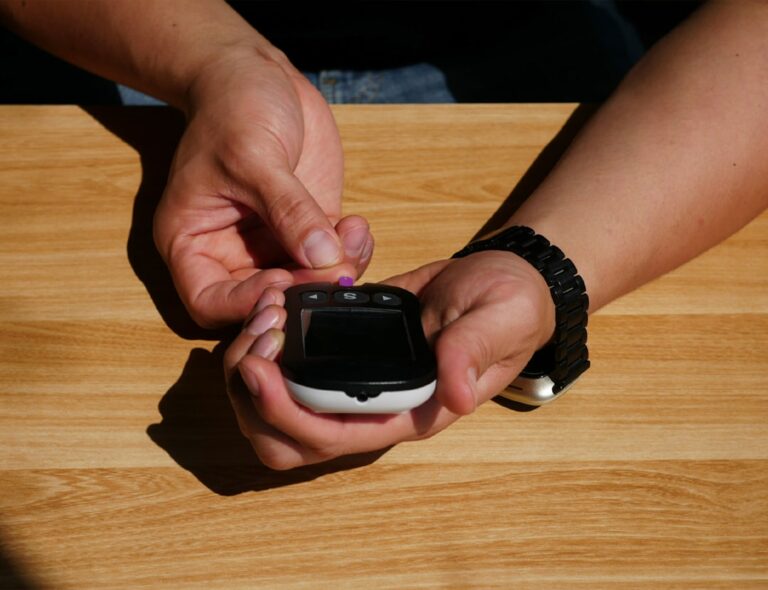
Photo by Supliful – Supplements On Demand on Unsplash
By Michael Fleming, Editor · Evidence-reviewed · Last updated November 2026
Berberine has stronger human evidence than lithium orotate in 2026, though neither is proven to extend life. It has human trials showing better blood sugar and cholesterol, and those are measurable risk factors you can track. Lithium orotate is the more intriguing story, especially after a 2025 mouse study from Dr. Bruce Yankner’s lab at Harvard. However, its human evidence is still mostly population correlations. If you’ve been weighing berberine vs lithium orotate, this guide shows what each one actually does, where the science stops, and which one has the stronger human evidence.
Key Takeaways
- Berberine has randomized human trials showing improvements in blood glucose and LDL cholesterol, but no human study shows it extends lifespan.
- Lithium orotate’s longevity case rests on population studies of lithium in drinking water, such as Dr. Michael Ristow’s Japanese analysis, plus animal research.
- A 2025 Nature study from Dr. Bruce Yankner’s Harvard lab found low-dose lithium orotate reversed memory loss in mice, which is promising but not yet tested in people.
- Berberine is a reasonable option to raise with your doctor if your glucose or ApoB is creeping up; lithium orotate should wait for human trials.
Why People Compare Berberine vs Lithium Orotate
Berberine and lithium orotate rarely belong in the same conversation. One is a plant compound for metabolic health. The other is a trace mineral salt discussed mainly for the brain.
But both have become longevity-forum favorites for the same reason. Each one touches a pathway that aging researchers care about. Berberine activates AMPK, the cell’s energy sensor. Lithium inhibits GSK-3, an enzyme linked to brain aging and cellular stress.
So the real question isn’t “which is stronger?” Instead, it’s “which one has earned your trust with human evidence?” That’s the lens we’ll use throughout.
Berberine: The Metabolic Workhorse
Berberine is a yellow alkaloid found in plants like goldenseal, barberry, and Chinese goldthread (Coptis). Traditional Chinese medicine has used it for centuries, mainly for gut infections. Modern interest centers on blood sugar and lipids.
How Berberine Works
Berberine activates AMPK, an enzyme that switches cells toward burning fuel and away from storing it. Metformin, the diabetes drug, works on overlapping pathways. That’s why berberine gets nicknamed “nature’s metformin,” which oversells it a bit.
In addition, berberine increases LDL receptors on liver cells. That helps the liver pull more cholesterol out of your blood. A good chunk of its action may also happen in the gut, because very little berberine gets absorbed. It appears to shift the gut microbiome in ways that affect metabolism.
What the Human Evidence Shows
Berberine has a real human evidence base, mostly from trials in people with type 2 diabetes, prediabetes, or high cholesterol. Many of these trials come from China. Meta-analyses pooling them report lower fasting glucose, HbA1c, and LDL compared with placebo. You can browse these yourself through PubMed’s berberine meta-analyses.
Still, quality varies. Many trials are small, short, and run in single countries. And none track hard outcomes like heart attacks, dementia, or death. Berberine improves risk markers. Whether that translates into a longer life hasn’t been tested.
Lifespan data comes only from animals: worms, flies and one mouse study. That’s interesting, but it’s a long way from you. For a deeper look at the drug it’s often compared to, see our breakdown of berberine vs metformin for longevity.
Practical Use
Clinical trials typically split berberine into several doses taken with meals. That makes sense, since its glucose effect is tied to eating. Your doctor can tell you what range suits your labs and medications, so ask before you start.
The smarter move is to treat berberine like an experiment. Get baseline labs first: fasting glucose, HbA1c, and ApoB or LDL. Then retest after a few months. If nothing moves, you’ve learned something useful. Our fasting glucose by age chart helps you interpret where you started.
Downsides and Risks
- Gut side effects: Constipation, diarrhea, cramping, and bloating are the common complaints.
- Drug interactions: Berberine inhibits several liver enzymes (CYP3A4, CYP2D6, CYP2C9) that clear many prescription drugs. That can raise drug levels unexpectedly.
- Low blood sugar risk: Combining it with diabetes medications, including metformin or insulin, can push glucose too low.
- Pregnancy and breastfeeding: Avoid it entirely. Berberine can displace bilirubin and poses a risk to newborns.
In other words, berberine isn’t a “harmless herb.” It behaves like a drug, so treat it like one.
Lithium Orotate: The Brain-Aging Wildcard
Lithium orotate is lithium bound to orotic acid, sold over the counter as a dietary supplement. It’s a different salt of the same lithium ion found in prescription lithium carbonate, which psychiatrists use at much higher doses for bipolar disorder. Once swallowed, the body likely handles both as plain lithium, so the same safety concerns apply in principle. Supplement doses sit far below psychiatric doses.
How Lithium Works
Lithium inhibits GSK-3, an enzyme involved in tau tangles, inflammation, and cell survival. Furthermore, lithium appears to support autophagy, the cellular cleanup process covered in our guide to brain aging after 40. It also shows neuroprotective effects in animal models.
Supplement sellers often claim the orotate form reaches the brain better. That idea traces back to older animal research that hasn’t held up cleanly. Treat “better brain uptake” as marketing until human pharmacology data says otherwise.
What the Evidence Shows
Lithium’s longevity evidence comes in three layers, and they differ sharply in strength.
- Population water studies. Dr. Michael Ristow and colleagues found Japanese areas with more lithium in tap water had lower all-cause mortality. Danish researchers led by Dr. Lars Kessing linked the highest water lithium levels to lower dementia rates, although the pattern was not linear and one middle exposure band showed higher rates. These are correlations, not proof.
- Animal lifespan studies. Low-dose lithium extended lifespan in worms and fruit flies. In mice, a 2021 study found lithium did not extend lifespan at tolerable doses.
- The 2025 Yankner study. Dr. Bruce Yankner’s Harvard team published in Nature that lithium levels drop in brains with early Alzheimer’s. Amyloid plaques appear to trap lithium.
That third study is why lithium orotate jumped into the spotlight. Yankner’s team reported that lithium orotate avoided being trapped by amyloid. Low doses reversed memory loss and brain pathology in mice. You can find the paper and related work through this PubMed search.
Importantly, mice aren’t people. Small Brazilian trials led by Dr. Orestes Forlenza tested low-dose lithium carbonate in people with mild cognitive impairment, with encouraging hints. But no published human trial shows lithium orotate slows aging or extends lifespan as of November 2026.
Downsides and Risks
- Kidney and thyroid effects: Prescription lithium can harm kidney and thyroid function over time, is linked to heart defects when taken in early pregnancy, and becomes riskier with kidney disease, dehydration or a low-salt diet. Whether low supplement doses carry meaningful risk isn’t well studied.
- Drug interactions: NSAIDs like ibuprofen, ACE inhibitors, ARBs, and thiazide diuretics can raise lithium levels.
- Overdose: Published case reports describe toxicity after people swallowed large amounts of lithium orotate.
- Quality control: Supplement labels vary in whether they list total compound or elemental lithium. That confusion makes dosing harder than it looks.
Head-to-Head Comparison
This table compares berberine and lithium orotate on the factors that matter for a longevity decision.
| Factor | Berberine | Lithium Orotate |
|---|---|---|
| Main pathway | AMPK activation, LDL receptors, gut microbiome | GSK-3 inhibition, autophagy, neuroprotection |
| Primary target | Blood sugar and cholesterol | Brain aging and mood |
| Human RCT evidence | Yes, many trials on metabolic markers | None for the orotate form specifically |
| Lifespan evidence | Worms, flies and one mouse study | Worms, flies, human population correlations |
| Measurable with labs | Yes: glucose, HbA1c, LDL, ApoB | No clear biomarker of benefit |
| Main risks | GI upset, drug interactions, low glucose | Kidney/thyroid concerns, drug interactions, dosing confusion |
| Evidence grade | Moderate for markers, unproven for lifespan | Promising but preliminary |
The Verdict
Berberine wins this matchup for the typical reader. The reason is simple. You can measure whether it works for you, and human trials show it moves real risk markers.
Here’s how we read the evidence, which is not personal medical advice:
- Consider berberine if your fasting glucose, HbA1c, or ApoB is drifting up despite good diet and exercise. Raise it with your doctor first, because rising numbers may call for proven treatment and berberine interacts with many prescription drugs.
- Skip berberine if your metabolic labs already look good. There’s no evidence it adds anything to healthy markers.
- Hold off on lithium orotate for longevity purposes in 2026. The mouse data is exciting, but human safety and benefit at supplement doses remain untested.
- Talk to a physician about lithium only if you have a strong family history of Alzheimer’s and still want to raise it. Family history is not an established reason to take lithium, and any medical use involves monitoring blood lithium levels along with kidney and thyroid labs.
Lithium orotate is the supplement to watch, not the supplement to take. If Yankner’s findings replicate in human trials, this verdict could flip. Until then, the honest answer is that nobody knows the right dose for people.
And remember the bigger picture. Neither supplement comes close to the effects of training, sleep, and metabolic fitness. Dr. Peter Attia’s book Outlive makes that case well: fix the foundations before chasing molecules.
Affiliate Disclosure: The Longevity Dose may earn a small commission if you purchase through the links below, at no additional cost to you. We only recommend products we genuinely believe in. Learn more.
What We Recommend
- Outlive: The Science and Art of Longevity by Dr. Peter Attia. If you’re weighing berberine for blood sugar or lipids, Attia’s chapters on metabolic health and ApoB show where a supplement fits. It also explains why exercise and nutrition do more of the heavy lifting.
Frequently Asked Questions
Can you take berberine and lithium orotate together?
No study has tested berberine and lithium orotate together, so their combined safety is unknown. Both interact with common prescription drugs, which raises the stakes. If you’re considering both, review your full medication list with a doctor first.
Does berberine extend lifespan in humans?
No human study shows berberine extends lifespan. Evidence shows it lowers blood glucose and LDL cholesterol in people with metabolic problems. Lifespan extension has only been reported in animals such as worms, flies and mice.
Is lithium orotate safe at supplement doses?
Lithium orotate at low supplement doses hasn’t been studied in long-term human safety trials. Prescription lithium can affect kidney and thyroid function, and overdose cases with lithium orotate have been reported. Anyone considering it should talk with a physician first, because lithium has a narrow safety margin and medical use involves monitoring blood lithium levels along with kidney and thyroid labs.
What did the 2025 Harvard lithium study find?
Dr. Bruce Yankner’s Harvard team reported in Nature that lithium levels fall in brains with early Alzheimer’s because amyloid traps lithium. In mice, low-dose lithium orotate reversed memory loss and brain pathology. Human trials are needed before anyone can recommend it for prevention.
Is berberine a natural alternative to metformin?
Berberine works on overlapping pathways with metformin, including AMPK activation, and both lower blood glucose. However, metformin has far more long-term safety and outcome data. Berberine also interacts with more drugs through liver enzyme inhibition, so it isn’t automatically the “safer” natural choice.
Liked This? Keep Reading.
Get the next post in your inbox. Real science on longevity, supplements, and fitness — no hype.
Drop your email below. Weekly. No spam. Unsubscribe anytime. ↓