Berberine vs Metformin: Which Is Better for Longevity?
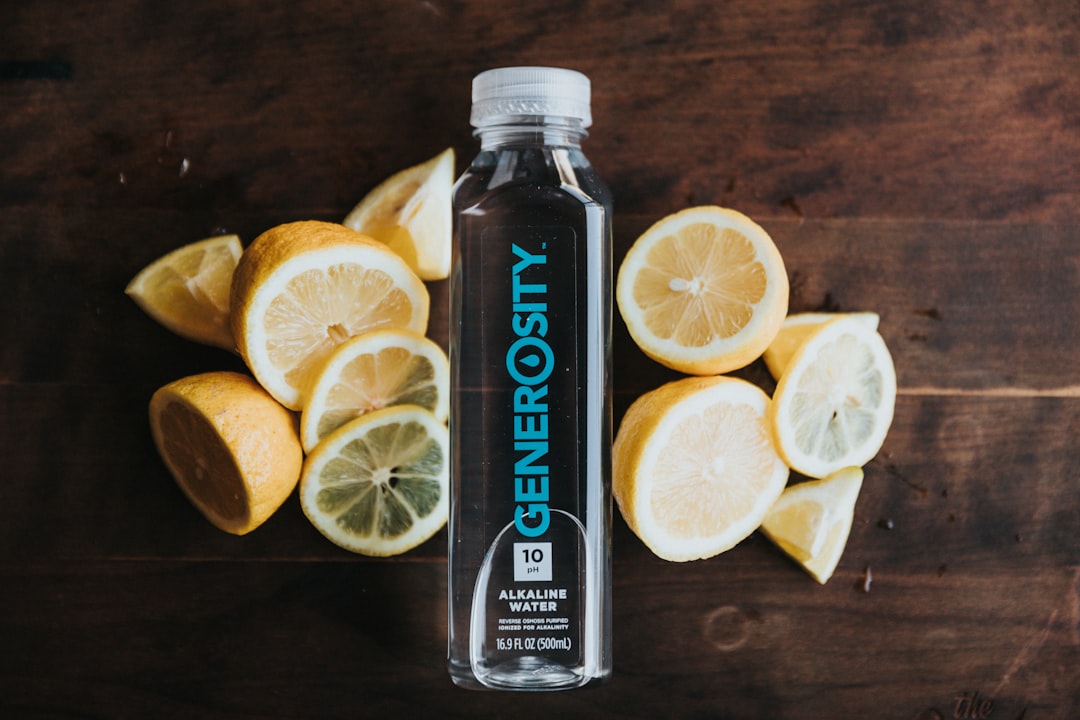
Photo by Nathan Dumlao on Unsplash
By The Longevity Dose Editorial Team · Evidence-reviewed · Last updated June 2026
Both berberine and metformin activate the same key cellular energy sensor, AMPK, and that shared mechanism has made the berberine vs metformin for longevity debate one of the most common questions we get from health-conscious readers in their 40s and 50s. One is a prescription diabetes drug with decades of human safety data. The other is a plant-derived compound you can buy online without a doctor’s visit. The question isn’t which sounds better. It’s which one the evidence actually supports for slowing aging.
Key Takeaways
- Both berberine and metformin activate AMPK and inhibit mTORC1, two pathways central to the biology of aging.
- Metformin has far more human longevity evidence, including the landmark TAME trial (Targeting Aging with Metformin) launched through the American Federation for Aging Research with results expected in 2026-2027.
- A 2012 meta-analysis in the journal Metabolism found berberine reduced fasting blood glucose comparably to metformin in head-to-head trials, but longevity-specific human data for berberine essentially doesn’t exist yet.
- For most people without diabetes, berberine is the accessible starting point, but it’s not a proven longevity drug. Metformin requires a prescription for good reason.
What Is Berberine and Why Do Longevity Researchers Care About It?
Berberine is a plant alkaloid found in goldenseal, barberry, and Oregon grape. It’s been used in traditional Chinese medicine for centuries, mostly for gut infections and metabolic issues. But what put it on the modern longevity radar is its ability to activate AMP-activated protein kinase (AMPK), the enzyme your cells use to sense low energy states and respond with repair-oriented signaling.
AMPK activation mimics some of the effects of caloric restriction, which is one of the most replicated lifespan-extending interventions in animal models. When AMPK goes up, mTOR activity tends to go down. Lower mTOR means more autophagy, the cellular self-cleaning process that clears damaged proteins and organelles. That’s a compelling mechanism on paper.
What the Human Evidence Shows
For blood sugar control, the evidence is genuinely solid. A 2012 meta-analysis published in Metabolism pooled data from 14 randomized trials and found berberine produced meaningful reductions in HbA1c and fasting glucose, comparable to standard doses of metformin — though the exact figures vary by trial and the meta-analysis itself should be read directly for the specifics. Several trials also showed improvements in LDL cholesterol and triglycerides.
However, here’s the honest caveat: almost none of this research was designed to measure longevity outcomes. Improving fasting glucose and lipids is associated with longer healthspan, but it’s not the same as proving the drug extends life. Berberine’s human longevity data is, as of 2026, essentially nonexistent. What we have are biomarker improvements that are theoretically relevant to aging.
Practical Use and Dosing
Most clinical trials used 500 mg taken two or three times daily with meals. Berberine has poor oral bioavailability on its own, which is why dosing frequency matters. Some newer formulations use dihydroberberine, a more bioavailable form that requires lower doses, though the long-term research on this version is thinner.
Downsides You Need to Know
Berberine is not without real risks. It can cause significant GI side effects including cramping, diarrhea, and nausea, particularly when you first start. More importantly, berberine inhibits several cytochrome P450 liver enzymes, which means it can raise blood levels of other drugs you’re taking. If you’re on any medications, talk to your doctor first. It also lowers blood sugar, so combining it with diabetes medications can cause hypoglycemia.
The supplement industry’s marketing of berberine as “nature’s metformin” is a stretch. It shares a mechanism. It doesn’t share the clinical trial record, and if you’re weighing berberine against other compounds for longevity, our berberine vs lithium orotate comparison is worth reading too. For a full picture of how berberine fits into a broader supplement approach, see our Longevity Supplement Stack 2026 comparison, and if you’re weighing other senolytic options, our breakdown of Urolithin A vs Fisetin for longevity is worth a read.
What Is Metformin and What Does the Longevity Evidence Actually Look Like?
Metformin has been prescribed for type 2 diabetes since the 1950s in Europe and 1995 in the United States. It’s one of the most studied drugs in human history. Its primary mechanisms include AMPK activation (same as berberine), inhibition of mitochondrial complex I, and suppression of hepatic glucose production. At the cellular level, it also reduces inflammation, lowers IGF-1 signaling, and activates sirtuins.
Metformin’s longevity case got a significant boost from a 2014 study published in Diabetes Care by researchers at Cardiff University. That study found that diabetic patients taking metformin actually lived longer than non-diabetic controls who weren’t taking it. Same age group, same demographic. The drug users outlived the healthy people. That finding was remarkable enough to launch the TAME trial.
The TAME Trial: The Most Important Longevity Study Running Right Now
TAME (Targeting Aging with Metformin) is a multi-site randomized controlled trial funded through the NIH National Institute on Aging and the American Federation for Aging Research. It’s enrolling 3,000 adults aged 65-79 without diabetes and testing whether 1,500 mg/day of metformin delays the composite onset of cardiovascular disease, cancer, dementia, and death. Results are expected between 2026 and 2027. This is the first clinical trial to formally test a drug against biological aging itself rather than a single disease.
Separately, large observational studies suggest metformin users have lower rates of cancer, cardiovascular disease, and neurodegenerative disease compared to non-users, even after controlling for confounders. These associations are not proof of causation, but the consistency across multiple populations is notable. You can read more background on metformin’s anti-aging mechanisms in our dedicated post: Metformin for Anti-Aging: What the Evidence Says in 2026.
Practical Use and Dosing
Metformin requires a prescription in the United States and most other countries. The TAME trial itself is testing 1,500 mg/day — a dose and design you can read in full at the American Federation for Aging Research’s published trial documentation — but what a physician prescribes off-label for longevity purposes will depend on your individual health profile, kidney function, and their own clinical judgment. The extended-release formulation (metformin ER) significantly reduces GI side effects without changing efficacy.
Downsides You Need to Know
Metformin’s most debated downside in the longevity community is its potential blunting of exercise adaptations. A 2020 study in Nature Aging by Dr. Nir Barzilai’s group and a separate trial by researchers at the University of Copenhagen found that metformin may reduce the mitochondrial benefits of aerobic exercise in older adults. This is a real concern if your longevity strategy includes serious training, which it probably should. For more on why exercise is foundational, see our piece on strength training for longevity.
Other downsides include B12 depletion with long-term use (monitor your levels), the rare but serious risk of lactic acidosis in people with kidney disease, and the fact that it requires ongoing medical supervision.
Head-to-Head Comparison: Berberine vs Metformin for Longevity
| Factor | Berberine | Metformin |
|---|---|---|
| Primary mechanism | AMPK activation, mTOR inhibition | AMPK activation, complex I inhibition |
| Human longevity evidence | Weak (biomarker data only) | Strong observational; TAME RCT pending |
| Blood sugar control | Comparable to metformin in small trials | Gold-standard, decades of RCT data |
| Requires prescription? | No | Yes |
| GI side effects | Common, especially at start | Common; ER form reduces them |
| Drug interactions | Significant (CYP450 inhibition) | Moderate (kidney function dependent) |
| Exercise adaptation blunting | Not well studied | Possible in older adults (2020 data) |
| Gut microbiome effects | May improve diversity | Modifies microbiome, mixed evidence |
| Cost and accessibility | $20-40/month, no Rx needed | $4-10/month generic, Rx required |
| Long-term safety record | Limited human long-term data | 60+ years of human safety data |
The Verdict: Which Should You Actually Take?
Here’s a direct answer, not a hedge: if you’re a healthy adult without diabetes and you want an accessible, low-risk starting point for metabolic longevity support, berberine is reasonable. But don’t confuse “reasonable starting point” with “proven longevity drug.” Berberine improves metabolic biomarkers. That’s meaningful. It’s not the same as extending human lifespan.
Metformin has a substantially stronger longevity case. The Cardiff University observation, the mechanistic depth, the decades of safety data, and the pending TAME trial results all point in the same direction. If the TAME data comes back positive, metformin will become the most evidence-supported longevity drug available to non-diabetic adults. Full stop.
That said, metformin isn’t for everyone right now. If you’re exercising seriously and your metabolic health is already good, the potential blunting of mitochondrial adaptations is a real cost. Dr. Peter Attia, whose book Outlive covers this tradeoff in depth, has noted that he personally stopped metformin partly because of this concern. That’s not a reason to dismiss the drug. It’s a reason to weigh the tradeoff honestly against your own situation.
Berberine also has real interactions worth knowing. Its effects on gut bacteria are actually interesting from a longevity standpoint (see our piece on the gut microbiome and longevity for context), but those effects cut both ways and aren’t fully mapped in humans yet.
The most honest recommendation: if you have a doctor willing to discuss metformin for longevity purposes, that conversation is worth having, especially if you’re over 50, not a competitive athlete, and your fasting glucose is creeping up. If you can’t access that conversation, berberine taken with meals at a dose your doctor or pharmacist recommends based on your health profile is a lower-risk, evidence-adjacent option. But treat it as a metabolic support tool, not a proven longevity intervention.
Affiliate Disclosure: The Longevity Dose may earn a small commission if you purchase through the links below, at no additional cost to you. We only link products and books with a genuine research track record. Learn more.
What We Recommend
- Outlive: The Science and Art of Longevity — Dr. Peter Attia. The most practical longevity book available in 2026. Dr. Attia covers the metformin-vs-exercise tradeoff directly, with a level of nuance you won’t find in supplement marketing.
- Nordic Naturals Ultimate Omega. If you’re managing metabolic health with berberine or metformin, omega-3s are a complementary tool with strong cardiovascular evidence. This IFOS 5-star certified triglyceride-form fish oil is the cleanest option we’ve found.
Frequently Asked Questions
Is berberine really “nature’s metformin”?
Berberine and metformin share a primary mechanism (AMPK activation) and produce similar improvements in fasting blood glucose in head-to-head trials. However, calling berberine “nature’s metformin” overstates the case. Metformin has 60+ years of human safety data and multiple large-scale observational longevity studies behind it. Berberine has good metabolic biomarker data and essentially no human longevity trial evidence as of 2026.
Can I take berberine and metformin together?
Combining berberine and metformin is not recommended without medical supervision. Both lower blood sugar, and together they increase the risk of hypoglycemia. Berberine also inhibits CYP450 liver enzymes, which can raise metformin blood levels unpredictably. If you’re on metformin, talk to your doctor before adding berberine.
What is the TAME trial and when do we get results?
TAME (Targeting Aging with Metformin) is a randomized controlled trial funded by the NIH and the American Federation for Aging Research. It’s enrolling 3,000 non-diabetic adults aged 65-79 to test whether 1,500 mg/day of metformin delays the onset of cardiovascular disease, cancer, dementia, and death. Results are expected in 2026-2027 and will be the most important longevity drug trial in history if they come back positive.
Does metformin blunt the benefits of exercise?
This is a real and actively debated concern. A 2020 study in Nature Aging found that metformin reduced mitochondrial adaptations from aerobic exercise in older adults. A separate trial at the University of Copenhagen found similar results. The effect appears most relevant for serious athletes and older adults doing structured endurance training. If exercise is a cornerstone of your longevity strategy, this tradeoff is worth discussing with your doctor before starting metformin.
What dose of berberine do most studies use?
The most commonly studied protocol is 500 mg taken two to three times daily with meals. This frequency matters because berberine has poor oral bioavailability and is better absorbed in smaller, more frequent doses. Some newer formulations use dihydroberberine at lower doses, but long-term data on this form is limited as of 2026.
Who should consider metformin for longevity purposes?
Metformin for longevity is most relevant for adults over 50 whose fasting blood glucose is in the high-normal range (100-125 mg/dL), who are not doing intensive athletic training, and who have a physician willing to discuss off-label preventive use. It requires a prescription and ongoing monitoring of kidney function and B12 levels. It’s not appropriate for people with kidney disease, liver disease, or those at risk of lactic acidosis.
Liked This? Keep Reading.
Get the next post in your inbox. Real science on longevity, supplements, and fitness — no hype.
Drop your email below. Weekly. No spam. Unsubscribe anytime. ↓