
Spermidine for Brain Health: What the Evidence Says
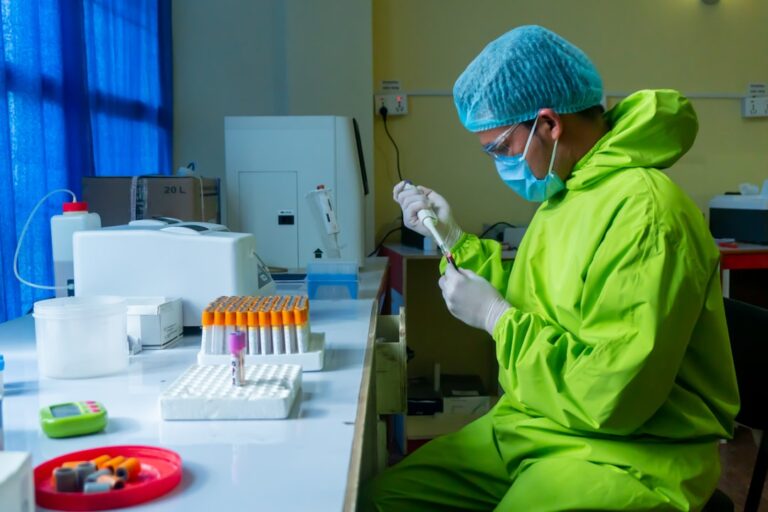
Photo by WanderingShishi on Unsplash
By The Longevity Dose Editorial Team · Evidence-reviewed · Last updated October 2026
Spermidine protects neurons and supports autophagy in animal studies, but human evidence that it improves memory or prevents dementia remains weak as of 2026. You’ve probably seen it marketed as a “brain longevity” compound. And you want to know if spermidine for brain health is worth your money. Much of the foundational work on spermidine and cellular cleanup comes from Dr. Frank Madeo’s group at the University of Graz. That work is fascinating, but the leap from flies and mice to your memory hasn’t been made yet.
Key Takeaways
- Spermidine is a natural polyamine that switches on autophagy, the cell’s recycling system, which tends to decline in the aging brain.
- A 2026 study in the Journal of Inherited Metabolic Disease (PMID 42050889) found short-term oral spermidine modified aspects of neurodegenerative disease in flies and mice, not humans.
- A 12-month randomized trial in older adults with subjective memory complaints did not show a meaningful memory benefit over placebo on its main outcome.
- Eating spermidine-rich foods like wheat germ, soybeans, legumes, mushrooms and aged cheese is a low-risk strategy, while supplements remain an unproven bet for cognition.
What Is Spermidine, and Why Do Brain Researchers Care?
Spermidine is a polyamine, a small molecule found in every living cell. Your body makes some of it, your gut bacteria make more, and you eat the rest. Polyamines help regulate DNA, protein production, ion channels and cell growth.
The brain angle comes from one function in particular: autophagy. Autophagy is how cells break down damaged proteins and worn-out parts. Neurons can’t divide and replace themselves, so they depend heavily on this cleanup system to stay healthy for decades.
Polyamine levels in tissues appear to fall with age. That observation sparked the core hypothesis. If you top spermidine back up, maybe you restore autophagy and slow brain aging. For a deeper look at that mechanism, see our breakdown of spermidine and autophagy.
The autophagy-synapse connection
Autophagy decline matters for synapses, the connections between neurons. A 2026 paper in the journal Autophagy described how falling autophagy with age is linked to synaptic dysfunction and weaker brain circuits. That study used fruit flies and examined a neuropeptide pathway, not spermidine itself.
Still, it reinforces why researchers keep targeting autophagy in the aging brain. In other words, the biological rationale for spermidine is solid. The open question is whether swallowing it changes anything meaningful in a human brain.
What the Research Shows on Spermidine for Brain Health
The evidence on spermidine for brain health sits in three tiers: lab and animal studies, small human pilots, and one longer human trial. Each tier tells a different story. Importantly, the most encouraging results come from the weakest study designs.
Animal studies: consistently promising
Animal research on spermidine and the brain is genuinely encouraging. A 2026 review in Degenerative Neurological and Neuromuscular Disease pulled together the evidence on spermidine in Alzheimer’s disease. The authors examined its role in autophagy, protein translation and growth regulation, alongside the amyloid and tau buildup that defines Alzheimer’s.
The review’s title tells you where the weight lies: “Evidence from Animal Models and Human Studies.” Most of the mechanistic support comes from animals. Human data are thinner and less consistent.
Another 2026 study tested short-term oral spermidine in flies and mice with mucopolysaccharidosis type III (MPS III). MPS III is a rare, fatal inherited disorder that causes progressive cognitive decline in children and young adults. According to the paper’s title, spermidine “modifies aspects of neurodegenerative disease” in these models (J Inherit Metab Dis, 2026).
That’s a meaningful finding for a disease with no approved treatment. But it’s a rare genetic disorder in animals. It tells you very little about normal brain aging in a healthy 55-year-old.
Human trials: mixed and modest
Human trials of spermidine for cognition come mainly from the SmartAge project, run by a German team led by Dr. Agnes Flöel. An early short pilot in older adults with subjective cognitive decline reported a modest memory improvement. That result got a lot of press.
However, the follow-up was larger and lasted 12 months. In that randomized, placebo-controlled trial, spermidine from a wheat-germ extract did not meaningfully improve memory over placebo on the primary outcome. You can find the trial and related papers through this PubMed search for the SmartAge trial.
The researchers did report some secondary signals worth further study. But secondary outcomes in a single trial are hypothesis-generating, not proof. Honest reading: the best human test so far came up short on its main goal.
The polyamine twist: more isn’t automatically better
Polyamine biology is messier than supplement labels suggest. A 2026 review in Molecular Biology Reports described how disrupted polyamine synthesis, breakdown and transport shows up across many neurological disorders. Polyamines regulate redox balance, immune signaling and ion channels, not just autophagy.
That means the brain needs polyamines in balance. Dysregulation in either direction can cause problems. As a result, “take more spermidine” is an oversimplification of a tightly controlled system.
How Strong Is the Evidence? A Side-by-Side Look
Evidence strength varies dramatically depending on which studies you read. Here’s how the main lines of research stack up.
| Evidence Type | What It Shows | Strength for You |
|---|---|---|
| Fly and mouse studies | Spermidine supports autophagy and modifies neurodegeneration in disease models | Preliminary: may not transfer to people |
| Mechanistic reviews | Polyamines influence synapses, inflammation, and protein cleanup | Explains the “why,” not the “does it work” |
| Short human pilot | Modest memory improvement in older adults | Weak: small and short |
| 12-month human RCT | No meaningful memory benefit on the primary outcome | Strongest evidence available, and it’s neutral |
| Dietary observational data | Higher-spermidine diets track with better health outcomes | Suggestive, but confounded by overall diet quality |
Spermidine’s brain story is a classic longevity pattern. The mechanism is elegant, the animal data are strong, and the human trials are underwhelming so far.
What We Don’t Know Yet
Several big questions about spermidine and the brain remain unanswered in 2026. Being clear about them matters more than any marketing claim.
- Brain delivery. Researchers haven’t established how much oral spermidine actually reaches human brain tissue.
- The right dose. Human trials have used low doses from food extracts. No one knows if higher doses would work better or carry more risk.
- Who benefits. People with existing cognitive complaints, healthy adults, and those with genetic risk may respond very differently.
- Long-term safety. Polyamines support cell growth, and cancer cells use them heavily. Long-term data on high-dose supplementation are lacking.
- Hard outcomes. No trial has shown spermidine prevents dementia or slows Alzheimer’s in humans.
In contrast, interventions like exercise, sleep, and blood pressure control already have far stronger human data for cognition. Our complete guide to brain aging after 40 covers those higher-yield priorities in depth.
Practical Protocol: Using Spermidine for Brain Health Sensibly
A smart approach to spermidine for brain health starts with food and treats supplements as optional. Here’s a step-by-step approach that matches the current evidence.
- Build spermidine into your diet first. Wheat germ, soybeans and natto, lentils, chickpeas, mushrooms, green peas, and aged cheeses are among the richer sources. These foods bring fiber and other nutrients too.
- Feed your gut bacteria. Your microbiome produces polyamines. A fiber-rich, plant-forward diet supports that production naturally.
- If you supplement, choose transparency. Look for products that state actual spermidine content per serving, not just “wheat germ extract” weight. Third-party testing is a plus.
- Set a defined trial window. Pick a period, say three to six months, and decide in advance what you’ll track. Sleep, focus and a simple memory test are reasonable markers.
- Talk to your doctor if you have risk factors. This matters most if you have a cancer history, celiac disease (many extracts come from wheat), or take multiple medications.
- Don’t let it replace the basics. Exercise, sleep and cardiovascular health have far stronger evidence for protecting cognition.
For a closer comparison of what diet versus capsules can realistically deliver, read our analysis of spermidine food sources vs supplements.
Where your brain budget goes further
Supplement money is limited for most people. If cognition is your goal, compounds with stronger human data deserve consideration first. Creatine monohydrate, for example, has human evidence for supporting brain energy, especially under sleep deprivation or stress. A well-tested option like Thorne Creatine Monohydrate is a more defensible starting point than spermidine for many readers.
Omega-3 status is another lever worth measuring. Fish intake and omega-3 levels have a longer research track record for brain health than spermidine does.
The Bottom Line on Spermidine and Your Brain
Spermidine is a scientifically interesting molecule with a believable mechanism. Research indicates it supports autophagy, and animal studies consistently show neuroprotective effects. But the best human trial didn’t deliver a clear memory benefit.
So here’s our honest take. Eat the foods. Skip the hype. Consider a supplement only as a low-priority experiment after your sleep, exercise and cardiovascular basics are in order.
Spermidine may yet prove useful for brain aging. Right now, though, it’s a promising hypothesis rather than a proven treatment.
Affiliate Disclosure: The Longevity Dose may earn a small commission if you purchase through the links below, at no additional cost to you. We only recommend products that, based on our reading of the published evidence, appear worth considering. Learn more.
What We Recommend
- Thorne Creatine Monohydrate. If brain aging is your concern, creatine has more human research behind it than spermidine does. This NSF Certified for Sport version gives you confidence in purity.
- Nordic Naturals Ultimate Omega. Omega-3 fats are a structural part of brain cell membranes. This IFOS-certified triglyceride-form fish oil is a sensible option if your diet is low in fatty fish.
Frequently Asked Questions
Does spermidine improve memory?
Spermidine has not clearly improved memory in humans. An early short pilot showed a modest benefit, but a 12-month randomized trial in older adults with memory complaints found no meaningful improvement over placebo on its main outcome. Animal studies are more encouraging than human ones.
Can spermidine prevent Alzheimer’s disease?
No human study has shown that spermidine prevents or slows Alzheimer’s disease. A 2026 review found supportive evidence mainly from animal models, where spermidine affects autophagy and protein buildup. Human prevention trials with dementia as the outcome have not been done.
What foods are highest in spermidine?
Wheat germ, soybeans and natto, lentils, chickpeas, mushrooms, green peas, and aged cheeses are among the richest dietary sources of spermidine. Eating these foods regularly is a low-risk way to raise intake while also getting fiber and other nutrients.
Is spermidine safe to take as a supplement?
Short-term human trials using food-derived spermidine extracts have not raised major safety concerns. However, polyamines support cell growth and cancer cells use them heavily, so people with a cancer history should consult their oncologist first. People with celiac disease should check whether the extract is wheat-derived.
Is spermidine better than creatine for brain health?
Creatine currently has stronger human evidence for supporting brain energy and cognition, especially under stress or sleep loss. Spermidine’s brain evidence comes mostly from animal studies. If you’re choosing one supplement for cognition, creatine is the more evidence-backed option in 2026.
Liked This? Keep Reading.
Get the next post in your inbox. Real science on longevity, supplements, and fitness — no hype.
Drop your email below. Weekly. No spam. Unsubscribe anytime. ↓