Urolithin A vs Creatine for Aging Muscle: Which Wins?
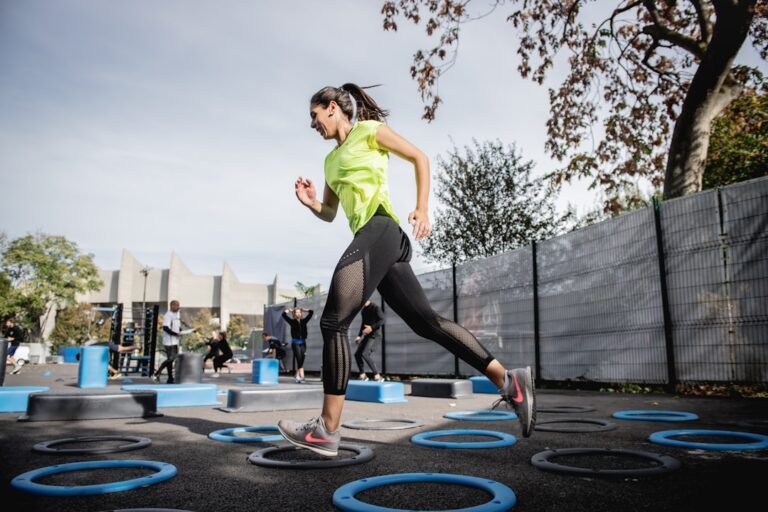
Photo by Phil Robson on Unsplash
By The Longevity Dose Editorial Team · Evidence-reviewed · Last updated October 2026
Creatine wins for most adults over 40 who want to keep their muscle. It has decades of human research behind it, and it costs very little. If you’re weighing urolithin A vs creatine for aging muscle, the honest answer is simple. Urolithin A is a promising mitochondrial compound with a smaller, newer, and largely industry-funded evidence base. It isn’t useless. But it hasn’t earned the top spot, and the International Society of Sports Nutrition has reviewed creatine far more thoroughly than anyone has reviewed urolithin A.
Key Takeaways
- Creatine monohydrate is the better first choice for aging muscle because its benefits for strength and lean mass have been tested in far more human trials than urolithin A.
- The International Society of Sports Nutrition position stand describes a maintenance intake of 3 to 5 grams of creatine per day.
- Pair creatine with resistance training at least a few days a week, since the muscle benefit shows up mainly when you lift.
- Urolithin A targets mitochondrial quality rather than muscle size, and its human data is early, so treat it as an optional add-on, not a foundation.
Why People Compare Urolithin A and Creatine
Muscle loss with age, called sarcopenia, quietly shapes how well you age. Weaker legs mean slower walking, worse balance, and a higher fall risk. That’s why so many readers in their 40s and 50s ask which supplement deserves their money.
These two compounds sit at opposite ends of the evidence spectrum. Creatine is old, cheap, and boringly well studied. Urolithin A is new, expensive, and backed by an exciting mechanism. In other words, you’re comparing a proven tool with a hopeful one.
Importantly, neither supplement replaces training or protein. Our guide to preventing sarcopenia after 40 covers the foundations. Supplements only add to that base. They never stand in for it.
Urolithin A: The Mitochondrial Contender
Urolithin A is a compound your gut bacteria make from ellagitannins. You’ll find ellagitannins in pomegranates, walnuts, and some berries. However, your microbes have to do the conversion, and that ability varies widely from person to person.
How Urolithin A Works
Urolithin A’s main claim is that it triggers mitophagy. Mitophagy is the process cells use to clear out damaged mitochondria, the tiny engines that make your energy. As you age, that cleanup slows down. Worn-out mitochondria then pile up inside muscle cells.
The theory goes like this: better cleanup means healthier mitochondria, and healthier mitochondria mean better muscle endurance. Dr. Johan Auwerx and colleagues at EPFL in Switzerland drove much of the early work. Auwerx also co-founded the company that now sells urolithin A commercially. That doesn’t make the science wrong. But you should know who funded it.
What the Evidence Actually Shows
Urolithin A’s strongest early results came from worms and aged mice. In those animals, it improved muscle function and, in worms, extended lifespan. Animal results like these are preliminary. They don’t transfer directly to people.
Human trials do exist, in both middle-aged and older adults. Their signals mostly appear in mitochondrial markers and some endurance measures. Furthermore, results haven’t been consistent across every outcome the researchers measured. We break down each trial in our full review of urolithin A’s mitochondrial claims vs. real trial results.
Here’s the key gap. Urolithin A hasn’t shown the reliable gains in muscle mass and strength that creatine shows. Those outcomes matter most for staying independent as you age.
Practical Use and Downsides
- Dose: Use a product that matches the form and dose studied in published trials, and follow the label.
- Food route: Pomegranate and walnuts supply the raw material, but your gut decides how much urolithin A you actually make.
- Cost: Urolithin A costs many times more per month than creatine.
- Safety: Short-term human trials haven’t flagged major problems, but long-term data is thin.
- Unknowns: Nobody yet knows whether it slows sarcopenia over years.
Creatine: The Proven Workhorse
Creatine is a compound your body makes and stores mostly in muscle. You also get it from meat and fish. Supplementing tops up those stores, so your muscles can regenerate energy faster during hard efforts.
How Creatine Works
Creatine helps recycle ATP, the energy currency your muscles burn during short, intense work. More stored creatine lets you squeeze out an extra rep or two. Over months, those extra reps add up to more strength and more muscle.
That’s also why creatine works best alongside training. It amplifies the signal from lifting. As a result, creatine taken without resistance exercise does far less for aging muscle.
What the Evidence Actually Shows
Evidence shows creatine ranks among the most researched supplements in sports nutrition. The International Society of Sports Nutrition position stand reviewed its safety and effectiveness, including in older adults. It concluded that creatine is effective and that it’s safe for healthy people at recommended intakes.
Creatine’s benefit for aging muscle comes mostly from trials that pair it with resistance training. In those studies, people typically gained more strength and lean mass than training alone delivered. That’s the outcome that keeps you climbing stairs at 80.
Beyond muscle, research on creatine and the brain is growing, but it’s still early. We cover that in creatine after 50: dosing, safety, and what it does. For now, treat any brain benefit as a possible bonus, not the reason you take it.
Practical Use and Downsides
- Dose: The ISSN position stand describes 3 to 5 grams per day for maintenance.
- Loading: A loading phase is optional. A steady daily dose saturates muscle more slowly but gets you to the same place.
- Timing: Consistency matters more than the clock. Take it whenever you’ll remember.
- Form: Plain creatine monohydrate is the studied form. Fancier versions haven’t proven superior.
- Water weight: You may gain a little scale weight early, mostly water stored in muscle.
- Kidney labs: Creatine can raise serum creatinine, which may look like a kidney problem on routine labs. Tell your doctor you take it.
- Who should avoid it: If you have kidney disease, talk to your doctor before starting.
A third-party tested product reduces contamination worries. Thorne Creatine Monohydrate, for example, carries NSF Certified for Sport status. You can find it online or ask your doctor about it.
Urolithin A vs Creatine for Aging Muscle: Head-to-Head Comparison
Laid side by side, the gap in evidence becomes obvious. This table summarizes what each supplement does, what it costs, and how much you can trust the claims as of 2026.
| Factor | Urolithin A | Creatine |
|---|---|---|
| Main mechanism | Triggers mitophagy (mitochondrial cleanup) | Speeds ATP recycling in muscle |
| Human evidence depth | A handful of recent trials, mostly industry-funded | Decades of trials, reviewed in a formal position stand |
| Muscle mass and strength | Not reliably shown | Consistent benefit when paired with training |
| Endurance and mitochondria | Some early signals in humans | Not its main strength |
| Needs exercise to work? | Proposed to act without it (unproven) | Works best with resistance training |
| Long-term safety data | Limited | Extensive |
| Monthly cost | High | Low |
| Our evidence grade | Promising, not proven | Strong |
Can You Take Both?
Urolithin A and creatine work through different pathways, so they don’t obviously compete. No known interaction links them. However, no trial has tested the pair together for aging muscle. Any stacking benefit remains theoretical.
Researchers are starting to test multi-ingredient approaches. The PROMETHEUS trial protocol, published in Geroscience in 2026, describes an 8-week feasibility study of tailored lifestyle and nutraceutical interventions for healthy ageing. That’s a protocol paper, not a results paper. So it tells you where the field is heading, not what works yet.
The Verdict: Start With Creatine
Creatine wins this matchup clearly. For aging muscle, creatine has the stronger evidence, the better safety record, and the lower price. Urolithin A has a clever mechanism but a thinner track record.
Here’s what we’d actually do if you’re over 40:
- Lift first. Resistance training a few days a week is the non-negotiable foundation.
- Eat enough protein. Creatine can’t build muscle from nothing.
- Add creatine monohydrate daily. Use the 3 to 5 gram maintenance range described by the ISSN.
- Consider urolithin A only after that. It makes sense if your budget is generous and you’re curious about mitochondrial health.
- Track something real. Grip strength, a sit-to-stand test, or your lifts will tell you more than any marketing claim.
One honest caveat applies here. If you can’t exercise because of illness or injury, urolithin A’s exercise-independent pitch sounds appealing. That idea is reasonable, but trials haven’t settled it. Discuss it with your doctor rather than assuming it works.
The bottom line is blunt. A cheap, proven supplement paired with training beats an expensive, promising one taken alone.
Affiliate Disclosure: The Longevity Dose may earn a small commission if you purchase through the links below, at no additional cost to you. We only recommend products we genuinely believe in. Learn more.
What We Recommend
- Thorne Creatine Monohydrate. This is plain creatine monohydrate, the form used in the research on aging muscle. Its NSF Certified for Sport status means a third party checked it for contaminants, which matters when you take something every day for years.
Frequently Asked Questions
Is urolithin A better than creatine for older adults?
Urolithin A is not better than creatine for aging muscle based on current human evidence. Creatine has decades of trials showing added strength and lean mass when combined with resistance training. Urolithin A’s human data is newer and focuses mainly on mitochondrial markers and endurance.
How much creatine should I take after 50?
The International Society of Sports Nutrition position stand describes a maintenance intake of 3 to 5 grams of creatine monohydrate per day. A loading phase is optional. If you have kidney disease, check with your doctor before starting.
Can I get urolithin A from pomegranate juice instead of a supplement?
Pomegranates, walnuts, and some berries contain ellagitannins, which gut bacteria convert into urolithin A. However, how much urolithin A you actually produce depends on your gut microbes, and that varies widely between people. A supplement delivers urolithin A directly, skipping the conversion step.
Does creatine work without lifting weights?
Creatine works best for aging muscle when you pair it with resistance training. The supplement helps you train slightly harder, and the training drives the muscle and strength gains. Taking creatine without exercise does far less for sarcopenia.
Is it safe to take urolithin A and creatine together?
Urolithin A and creatine act through different pathways, and no known interaction links them. Still, no published trial has tested the combination for aging muscle, so any extra benefit is theoretical. Talk to your doctor before stacking supplements, especially if you take medications.
Liked This? Keep Reading.
Get the next post in your inbox. Real science on longevity, supplements, and fitness — no hype.
Drop your email below. Weekly. No spam. Unsubscribe anytime. ↓