Spermidine Food Sources vs Supplements: What the Evidence Shows
Photo by Liang Chuang on Unsplash
By The Longevity Dose Editorial Team · Evidence-reviewed · Last updated September 2026
Food is the better-supported way to get spermidine. The human data linking it to longer life comes from diets, not capsules. You’ve probably seen spermidine sold as an “autophagy pill” and wondered if a plate of beans would do the same job. As of 2026, the most encouraging human signal comes from researchers in Austria, including Dr. Stefan Kiechl and Dr. Frank Madeo, who tracked what people actually ate. So choosing the right spermidine food sources matters more than buying a bottle. Below, you’ll see which foods matter, what supplement trials found, and where the evidence runs out.
Key Takeaways
- Spermidine is a natural polyamine found in foods like wheat germ, soy, aged cheese, mushrooms and legumes, and your body’s own levels decline with age according to a 2026 review in NPJ Aging.
- The strongest human evidence is observational: the Bruneck Study in Austria linked higher dietary spermidine intake with lower mortality, but it cannot prove cause and effect.
- The largest randomized supplement trial in older adults, the German SmartAge trial, found no memory benefit from a wheat germ spermidine supplement versus placebo.
- A food-first approach is the most defensible strategy in 2026, because it delivers spermidine alongside fiber and other nutrients that already have strong evidence behind them.
What Is Spermidine, and Why Does It Matter for Aging?
Spermidine is a polyamine, a small molecule that every living cell makes and uses. It helps with cell growth, protects DNA stability, and plays a role in autophagy — and as research on spermidine and immune aging shows, declining levels may also affect how well the immune system holds up over time. Autophagy is the cellular recycling process that clears out damaged proteins and worn-out parts.
Importantly, spermidine levels in humans fall as we age. A 2026 review in NPJ Aging describes this decline and a possible link between low spermidine and age-related organ degeneration. That review is a summary of existing research, though. It doesn’t prove that topping spermidine back up slows aging in people.
Your spermidine comes from three places. Your cells make some, your gut bacteria produce some, and your diet supplies the rest. That third source is the one you control most directly. If you want the deeper mechanism, our guide to spermidine and autophagy covers how the pathway works.
The Best Spermidine Food Sources
Spermidine shows up across the food supply, but some foods carry far more than others. A 2026 review in Food Chemistry summarizes dietary sources, production methods and how scientists measure spermidine in food. The foods below appear again and again in polyamine composition research.
Top-tier spermidine food sources
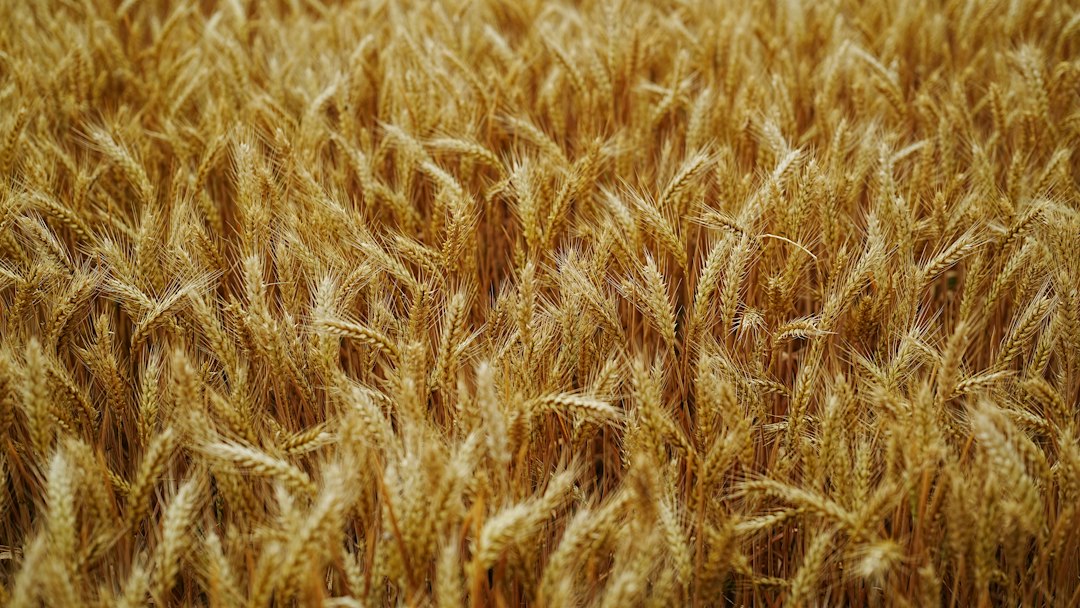
- Wheat germ. This is the standout. A 2026 study in Nutrients described wheat germ as containing high concentrations of spermidine. It’s also the raw material for many supplements.
- Soybeans and fermented soy. Natto, tempeh and edamame are frequently listed as rich sources.
- Aged cheese. Longer-aged cheeses tend to carry more polyamines than fresh ones, since fermentation plays a role.
- Mushrooms. Common button, shiitake and other varieties show up on nearly every polyamine food list.
- Legumes. Green peas, lentils and other beans are reliable, cheap contributors.
Everyday supporting foods
- Whole grains and whole-grain breads
- Broccoli, cauliflower and other vegetables
- Nuts and seeds
- Corn
Food spermidine content varies widely. Growing conditions, storage, ripeness and fermentation all change the amount. So treat any single food value you see online as a rough estimate, not a precise dose.
Interestingly, researchers are still mapping how much spermidine people actually eat. A 2026 study of dietary polyamine intake across age groups in Spain assessed putrescine, spermidine and spermine intake in different life stages. Work like this matters, because you can’t set a sensible target until you know what normal diets provide.
What the Research Shows: Diet vs. Supplement Studies
Here’s where the story gets honest. The human evidence splits into two very different piles. One pile looks at diets and is encouraging. The other tests supplements directly and is underwhelming.
The diet evidence: encouraging but observational
The Bruneck Study followed adults in northern Italy for years and recorded what they ate. In a 2018 analysis led by Dr. Stefan Kiechl, with Dr. Frank Madeo at the University of Graz, higher dietary spermidine was linked with lower mortality. You can find the paper through this PubMed search for the Bruneck spermidine study.
However, observational studies can’t separate spermidine from everything that comes with it. People who eat more legumes, whole grains and vegetables also tend to exercise more and smoke less. In other words, spermidine might be a marker of a healthy diet rather than the cause of better outcomes.
The supplement evidence: a disappointing big trial
In contrast, randomized trials test cause and effect directly. The SmartAge trial in Germany gave older adults with subjective memory complaints a wheat germ spermidine supplement or placebo for a year. Published in JAMA Network Open in 2022, it found no significant memory benefit. See this PubMed search for the SmartAge trial.
That result doesn’t mean spermidine supplements do nothing. The trial measured memory, not lifespan, heart health or autophagy markers. Still, it’s the largest direct test in older humans. And it didn’t deliver the benefit many marketers imply.
The animal evidence: striking, but not transferable
Most of the excitement comes from animal work. Dr. Madeo’s group and colleagues reported that spermidine extended lifespan and protected heart function in mice. That 2016 Nature Medicine paper, led by Dr. Tobias Eisenberg, is summarized through this PubMed search.
Newer 2026 animal studies keep adding pieces. One Nutrients study tested wheat germ-derived spermidine on ovarian function and gut microbiota in animals. Another, in Behavioural Brain Research, found the probiotic Clostridium butyricum and its metabolite spermidine delayed cognitive decline in aging animals. Both are preliminary lab findings. Neither tells you what happens in a 55-year-old human brain, and for a closer look at what the evidence actually shows, our guide to spermidine for brain health walks through the human data specifically.
Spermidine Food Sources vs. Supplements: Side-by-Side
Spermidine food sources and supplements differ in more than convenience. The table below compares them on the factors that actually matter for your decision.
| Factor | Food Sources | Supplements |
|---|---|---|
| Human evidence | Observational link to lower mortality (Bruneck Study) | Largest trial (SmartAge) found no memory benefit |
| Extra nutrients | Fiber, protein, polyphenols, minerals | Usually spermidine plus wheat germ extract only |
| Dose precision | Low: content varies by crop, storage and aging | Higher, if the brand tests its product |
| Cost | Low: legumes and mushrooms are cheap | Moderate to high monthly cost |
| Gluten concerns | Easy to choose gluten-free sources | Many are wheat germ-based; check labels |
| Best fit | Nearly everyone as a default | People curious to experiment, with medical input |
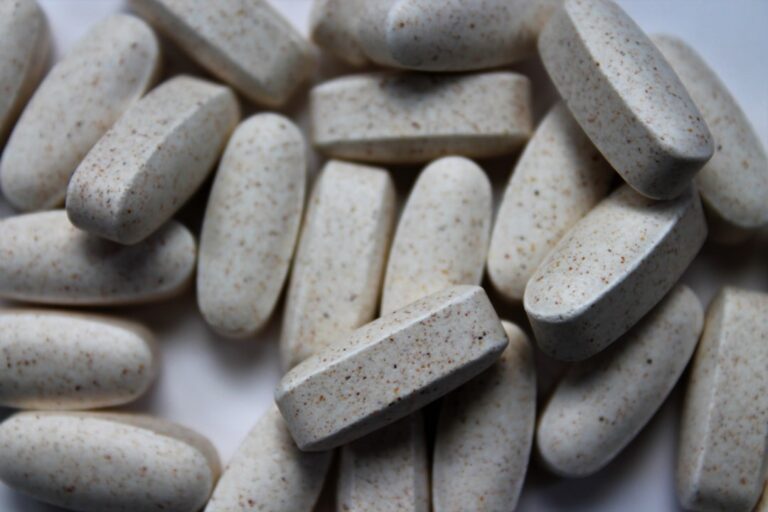
Spermidine supplements carry one quiet irony. Many are simply concentrated wheat germ. That means you can eat the original ingredient for a fraction of the price.
Practical Protocol: A Food-First Spermidine Plan
Because the diet data is the stronger signal, your protocol should start in the kitchen. These steps build spermidine into meals you’d eat anyway. None requires counting milligrams.
- Add wheat germ to breakfast. Stir a spoonful into oatmeal, yogurt or a smoothie. It has a mild, nutty taste and keeps best in the fridge.
- Eat legumes most days. Lentil soup, chickpeas in a salad, or green peas as a side all count. Rotate them for variety.
- Use mushrooms as a default vegetable. Toss them into eggs, stir-fries or pasta sauces.
- Try fermented soy. Natto is the richest option but an acquired taste. Tempeh and edamame are easier starting points.
- Choose aged cheese in modest amounts. A little aged cheddar or Parmesan adds flavor and polyamines. Keep portions reasonable because of saturated fat and sodium.
- Feed your gut bacteria. Fiber from whole grains, beans and vegetables supports the microbes that produce spermidine. Our piece on the gut microbiome and longevity explains why that matters.
Notice what this plan resembles: a Mediterranean-style pattern heavy in plants, legumes and whole grains. That pattern already has solid evidence behind it for heart and metabolic health. Spermidine becomes a bonus, not the whole reason. If you’re also building out the rest of a longevity diet, some people add a quality fish oil such as Nordic Naturals Ultimate Omega when they rarely eat oily fish.
Should you take a supplement anyway?
Spermidine supplements appear reasonably well tolerated in human trials so far. Still, “safe in short trials” isn’t the same as “proven beneficial.” If you decide to try one, keep these points in mind:
- Talk with your doctor first, especially if you have a history of cancer. Polyamines support cell growth, and that’s an open question for people with active or past cancer.
- Check whether it’s wheat-based if you have celiac disease or gluten sensitivity.
- Follow the label dose rather than stacking products. No trial supports mega-dosing.
- Keep eating the foods above. A pill should never replace a plant-rich diet.
For a deeper look at the dosing used in trials, see our full breakdown of spermidine doses, foods and trial results.
What We Don’t Know Yet
Honesty is the point here, so let’s be clear about the gaps. As of September 2026, several big questions remain unanswered.
- Does spermidine cause longer life in humans? No randomized trial has tested lifespan in people, and none likely will soon.
- What intake is optimal? Researchers are still measuring what normal diets provide, as the 2026 Spanish intake study shows.
- How well does oral spermidine reach tissues? Absorption and how much reaches the brain or heart remain under study.
- Does gut-produced spermidine matter more than dietary spermidine? The 2026 probiotic work is intriguing but animal-only.
- Is it safe for people with a cancer history? This deserves caution until more data exists.
Spermidine is promising, not proven. That’s the most accurate one-sentence summary available in 2026. Anyone selling it as a guaranteed anti-aging fix is ahead of the science.
The Bottom Line
Spermidine food sources give you the best-supported path. Wheat germ, legumes, mushrooms, soy and aged cheese deliver spermidine with fiber and nutrients that help on their own. Meanwhile, the biggest supplement trial in older adults came up empty on memory. That doesn’t close the door, but it should cool the hype.
Start with food. Revisit supplements if better trials arrive. That’s a strategy you won’t regret whichever way the research lands.
Affiliate Disclosure: The Longevity Dose may earn a small commission if you purchase through the links below, at no additional cost to you. We only recommend products we genuinely believe in. Learn more.
What We Recommend
- Nordic Naturals Ultimate Omega. This isn’t a spermidine product. It’s a fit if your food-first longevity plan is light on oily fish, since it’s IFOS 5-star certified and in triglyceride form.
Frequently Asked Questions
What food has the most spermidine?
Wheat germ is one of the richest spermidine food sources, and a 2026 Nutrients study described it as containing high concentrations. Soybeans, natto, aged cheese, mushrooms and legumes are also strong options. Exact amounts vary with growing, storage and fermentation.
Are spermidine supplements better than food?
No evidence shows supplements beat food as of 2026. The encouraging human data, from the Bruneck Study, came from diet. The largest supplement trial in older adults, SmartAge, found no memory benefit over placebo.
Can you get enough spermidine from diet alone?
A plant-rich diet with legumes, whole grains, mushrooms and some wheat germ provides meaningful spermidine. No official intake target exists yet, because researchers are still mapping what normal diets provide. Eating these foods regularly is a sensible default.
Is spermidine safe to take?
Spermidine supplements appear reasonably well tolerated in human trials so far. People with a history of cancer should talk to a doctor first, because polyamines support cell growth. Anyone with celiac disease should check whether a product is wheat-based.
Does spermidine really trigger autophagy in humans?
Spermidine induces autophagy clearly in cells and animals. Direct proof that dietary or supplemental spermidine boosts autophagy in human tissues is still limited in 2026. Treat human autophagy claims on supplement labels as unproven.
Liked This? Keep Reading.
Get the next post in your inbox. Real science on longevity, supplements, and fitness — no hype.
Drop your email below. Weekly. No spam. Unsubscribe anytime. ↓