
Spermidine for Immune Aging: What the Evidence Shows
Photo by Felipe Souza on Unsplash
By The Longevity Dose Editorial Team · Evidence-reviewed · Last updated October 2026
Spermidine shows early promise against immune aging in humans, but the evidence in 2026 is still thin. You’ve probably noticed that colds hang around longer than they used to, or wondered why your doctor pushes the “high-dose” flu shot after 65. That’s immune aging, and it’s real. The case for spermidine for immune aging now includes a 2026 pilot trial in Aging Cell, plus a 2024 blend study. Both are encouraging. Neither is definitive, and this guide shows you exactly where the line sits.
Key Takeaways
- Spermidine is a natural polyamine that supports autophagy, and its levels decline with age in humans, according to a 2026 pilot trial published in Aging Cell.
- That 2026 Aging Cell pilot randomized trial reported that spermidine reduced immune cell senescence and boosted vaccine responses in healthy older adults, but it was a small, early-stage study.
- A 2024 randomized trial in Antioxidants tested a three-ingredient blend containing AM3, spermidine, and hesperidin for 2 months, so its immune benefits cannot be credited to spermidine alone.
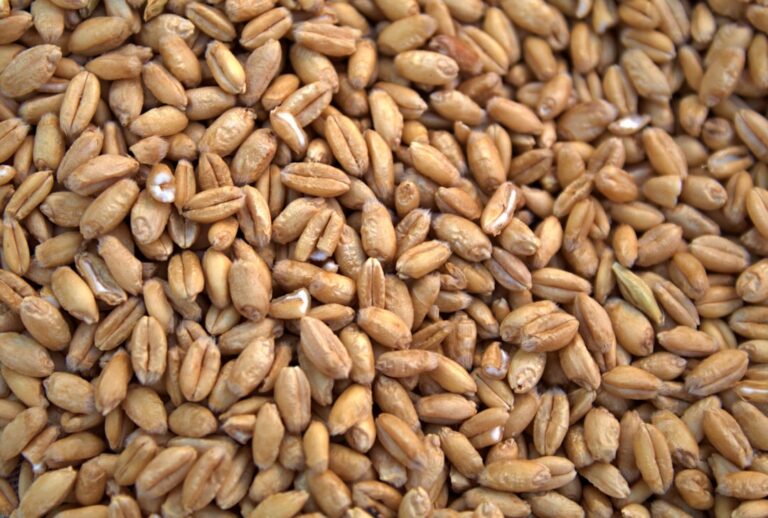
- A food-first approach (wheat germ, legumes, mushrooms, aged cheese) is the lowest-risk way to raise spermidine intake while larger human trials remain unfinished.
What Is Immune Aging, and Why Does It Matter?
Immune aging, or immunosenescence, is the gradual decline of your immune system’s ability to respond to new threats. Your body still makes immune cells, but they work less efficiently. In addition, a slow, background inflammation tends to build up. Researchers call that “inflammaging.”
The 2026 Aging Cell pilot study frames the problem clearly. Older adults are highly vulnerable to infections, and vaccines often work less well in them. The authors point to weaker B and T cell memory responses as the cause. They link that decline to three drivers:
- Impaired autophagy: immune cells lose some ability to clean out damaged internal parts.
- Immunosenescence: more immune cells enter a worn-out, dysfunctional state.
- Chronic low-grade inflammation: a constant inflammatory hum that blunts precise immune responses.
That matters for longevity in a practical way. A weaker immune response means infections hit harder and vaccines protect less. Furthermore, the same aging processes appear in other organs, so the immune system works as an early warning signal.
How Spermidine Might Affect the Aging Immune System
Spermidine is a polyamine, a small molecule found in every living cell and in many foods. Your gut bacteria also produce it. Importantly, spermidine is one of the best-studied natural inducers of autophagy, the cellular recycling process covered in our deep dive on spermidine and autophagy, and its effects extend beyond cellular cleanup — researchers are also examining spermidine for brain health as another promising frontier.
The logic for immune aging follows a simple chain. Aging immune cells lose autophagy. Spermidine induces autophagy. As a result, spermidine might help restore some immune cell function. That chain is reasonable, but each link needs human proof.
Dr. Katja Simon’s group at the University of Oxford has spent years studying how autophagy fails in aging immune cells. Spermidine is one of the compounds her lab has explored in that context. Meanwhile, Dr. Frank Madeo’s team at the University of Graz did much of the early animal work that put spermidine on the longevity map.
The gut connection
Your gut produces and absorbs polyamines, and that matters for immunity. A 2026 review in Nutrients describes a “diet-microbiota-polyamine axis” in intestinal aging. The authors note that polyamines support gut cell growth, autophagy, immune modulation, and mucosal repair. Because much of your immune tissue sits along the gut, this axis is worth watching. Still, it’s a review of mechanisms, not a trial showing results in people.
What the Research Shows: Spermidine for Immune Aging in Humans
Here’s where honesty matters most. The human evidence for spermidine for immune aging comes down to two randomized trials. One tested spermidine itself. The other tested a three-ingredient blend.
The 2026 Aging Cell pilot trial
The most direct human evidence is a 2026 pilot randomized controlled trial in Aging Cell. Researchers gave spermidine to healthy older adults and tracked immune markers and vaccine responses. According to the study’s title and abstract, spermidine mitigated immune cell senescence and boosted vaccine responses.
That’s a genuinely exciting result. Vaccine response is a meaningful real-world outcome, not just a lab number. However, the word “pilot” is doing heavy lifting here. Pilot trials are designed to test feasibility and generate signals, and they’re usually small. In other words, this study tells researchers what to test next, not what you should conclude.
The 2024 AM3, spermidine, and hesperidin trial
A 2024 randomized controlled trial in Antioxidants tested a three-ingredient blend over 2 months. The trial is linked above and readers should verify the exact doses from the published abstract directly, as ingredient amounts in combination products are detail-level data best confirmed at the source. The researchers reported improved immune function, a better oxidative-inflammatory state, and lower biological age as they measured it.
But there’s a catch you need to understand. Because the product combined three ingredients, nobody can say how much spermidine contributed. AM3 and hesperidin both have their own anti-inflammatory profiles. That means this trial supports the blend, not spermidine as a standalone fix.
Reviews and animal research
Two 2026 reviews add context but no new human trial data. A review in the International Journal of Rheumatic Diseases explores spermidine’s therapeutic potential in rheumatoid arthritis. It discusses mechanisms and future directions, which is another way of saying “not yet tested properly in patients.”
Similarly, a 2025 review in the Journal for ImmunoTherapy of Cancer examines how CD8+ T cells age. The authors highlight raised activation thresholds, mitochondrial dysfunction, and disrupted protein maintenance. Much of that insight comes from aged mice. Mouse findings are preliminary, and they don’t transfer directly to people.
| Study | Type | What It Tested | Evidence Strength |
|---|---|---|---|
| Aging Cell, 2026 | Pilot RCT, humans | Spermidine, immune senescence, vaccine response | Promising but early |
| Antioxidants, 2024 | RCT, humans | Blend with spermidine (exact dose: verify in published abstract) for 2 months | Moderate for the blend, weak for spermidine alone |
| Nutrients, 2026 | Review | Gut polyamines and intestinal aging | Mechanistic context only |
| J Immunother Cancer, 2025 | Review | T cell aging, largely from mouse studies | Preliminary |
What We Don’t Know Yet
Spermidine for immune aging has a credible mechanism and an early human signal. That’s a real step forward. Still, several big questions remain open as of 2026.
- The right dose: no large trial has established an optimal spermidine dose for immune outcomes.
- Durability: nobody knows whether benefits last, fade, or grow with longer use.
- Hard outcomes: no trial has shown fewer infections, hospitalizations, or deaths.
- Who benefits: it’s unclear whether people eating spermidine-rich diets gain anything from supplements.
- Replication: the 2026 pilot needs a larger, independent trial to confirm it.
A positive pilot trial is a reason to keep watching, not a reason to stop questioning. Many supplements looked great in small studies and then fizzled in larger ones. For a broader look at spermidine’s trial record, including outcomes beyond immunity, see our review of spermidine doses, foods, and what trials show.
Practical Protocol: How to Use Spermidine Sensibly
Given the early evidence, a cautious, food-first approach makes the most sense. Here’s how we’d approach it if immune aging is on your mind.
- Start with food. Wheat germ, soybeans and other legumes, mushrooms, and aged cheese are commonly cited spermidine sources. Our guide to spermidine food sources vs supplements compares them in detail.
- Feed your gut bacteria. Fiber-rich plants support the microbes that make polyamines. This fits the diet-microbiota-polyamine axis described in the 2026 Nutrients review.
- Keep your vaccines current. Spermidine is not a substitute for vaccination. The whole point of the Aging Cell trial was improving vaccine response, not replacing vaccines.
- If you try a supplement, choose wheat germ-based products carefully. Many contain gluten, so check labels if you have celiac disease. Since no proven dose exists for immune aging, follow the label and discuss it with your doctor.
- Cover the immune basics first. Sleep, exercise, and adequate vitamin D all support immune function. If a blood test shows low vitamin D, a combined product such as Pure Encapsulations Vitamin D3 + K2 is one option to discuss with your doctor.
Who should be cautious
Polyamines support cell growth, and that’s a double-edged sword. If you have cancer, a history of cancer, or take immunosuppressive drugs, talk to your oncologist or specialist first. Likewise, people with autoimmune conditions like rheumatoid arthritis shouldn’t self-treat based on a review article. Spermidine for RA remains a research question, not a therapy.
Affiliate Disclosure: The Longevity Dose may earn a small commission if you purchase through the links below, at no additional cost to you. We only recommend products we genuinely believe in. Learn more.
What We Recommend
- Pure Encapsulations Vitamin D3 + K2. Vitamin D plays a well-established role in immune function, so correcting a confirmed deficiency is a more proven first step than adding spermidine. Test first, then decide with your doctor.
- Lifespan: Why We Age by David Sinclair. Dr. Sinclair’s book explains the biology behind aging pathways like autophagy and cellular repair. It’s useful background for understanding why compounds like spermidine attract research interest.
The Bottom Line on Spermidine and Immune Aging
Spermidine is one of the more interesting compounds in immune aging research right now. The 2026 Aging Cell pilot trial gave it a real human signal on vaccine response and immune cell senescence. However, a single pilot study can’t carry a recommendation on its own.
So here’s our honest take. Eat spermidine-rich foods because they’re healthy anyway. Stay current on vaccines. Treat supplements as an optional experiment, not a proven immune fix. And when a larger trial reports, we’ll update this guide.
Frequently Asked Questions
Does spermidine improve vaccine response in older adults?
A 2026 pilot randomized trial in Aging Cell reported that spermidine boosted vaccine responses in healthy older adults. That’s an encouraging early finding. However, pilot trials are small, so a larger confirmatory study is still needed.
How much spermidine should I take for immune health?
No large trial has established an optimal spermidine dose for immune aging as of 2026. The 2024 Antioxidants trial used a specific dose of spermidine combined with AM3 and hesperidin — readers should confirm the exact amount from the published abstract directly. If you supplement, follow the product label and discuss it with your doctor.
Can I get enough spermidine from food?
Spermidine is found in foods like wheat germ, soybeans, legumes, mushrooms, and aged cheese. Your gut bacteria also produce polyamines from your diet. A food-first approach is the lowest-risk way to raise intake while supplement research matures.
Is spermidine safe for everyone?
Spermidine from food is generally part of a normal diet. Because polyamines support cell growth, people with cancer or a cancer history should consult their oncologist before supplementing. Many supplements are wheat germ-based and may contain gluten.
Does spermidine reduce inflammaging?
A 2024 randomized trial found that a blend containing spermidine improved oxidative-inflammatory markers over 2 months. Because the blend also included AM3 and hesperidin, the effect can’t be attributed to spermidine alone. Direct evidence that spermidine by itself lowers inflammaging in humans remains limited.
Liked This? Keep Reading.
Get the next post in your inbox. Real science on longevity, supplements, and fitness — no hype.
Drop your email below. Weekly. No spam. Unsubscribe anytime. ↓