The Longevity Intervention Nobody Talks About Enough
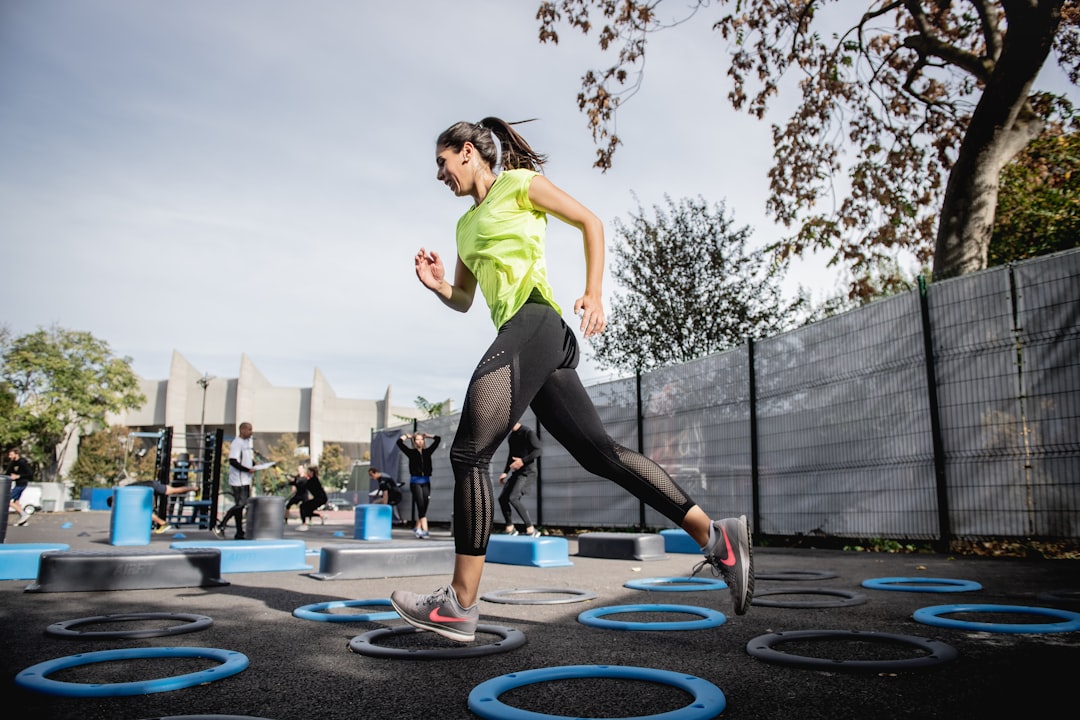
Photo by Gabin Vallet on Unsplash
By The Longevity Dose Editorial Team · Evidence-reviewed · Last updated July 2026
Cardiovascular fitness and longevity are linked more powerfully than almost any other factor we can measure, and I think most people in the longevity space are making a serious mistake by not treating this as their number-one priority. While everyone argues about which NAD+ precursor to take or whether cold plunges are worth the discomfort, the single most predictive biomarker of how long you’ll live is sitting right there, measurable on a treadmill, largely ignored — and emerging tools like red light therapy for anti-aging are only useful once you’ve addressed this foundation first. I’m talking about VO2 max. And the evidence, as of 2026, is not subtle.
Key Takeaways
- Cardiorespiratory fitness (measured by VO2 max) is one of the strongest independent predictors of all-cause mortality in humans, stronger than blood pressure, BMI, or cholesterol alone.
- A 2026 pilot study published in Geroscience (PMID 41547677) found that a 6-month cycling-based endurance training program produced measurable improvements in epigenetic age via the GrimAge clock, directly linking fitness gains to biological age deceleration.
- A 2026 narrative review in the Journal of Clinical Medicine (PMID 42355766) found that optimal longevity benefits from exercise require more than the standard 150 minutes per week — dose, modality, and intensity all matter.
- Most longevity enthusiasts spend more time and money on supplements than on building the aerobic capacity that evidence shows will most meaningfully extend their healthspan.
The Supplement Industry Has a Loud Microphone. Cardio Doesn’t.
Let me be direct about something. The longevity supplement market is enormous, noisy, and financially motivated to keep your attention focused on capsules. I’m not anti-supplement. We cover that research seriously here at The Longevity Dose. But I’ve noticed a pattern in the questions we receive, and in the broader online conversation: people want to know about NMN, rapamycin, berberine. They rarely ask how to improve their VO2 max by 15%.
That’s a problem, because the evidence hierarchy doesn’t reflect their attention. Supplements like resveratrol and NMN have promising mechanistic data and some early human trials. VO2 max has decades of large-scale human cohort data, prospective studies, and now, in 2026, epigenetic clock validation. The strength of evidence isn’t even close.
Dr. Peter Attia has been making this argument for years. In his framework, he calls low cardiorespiratory fitness one of the most dangerous conditions a middle-aged adult can have, and he’s backed it up with data. His book, Outlive: The Science and Art of Longevity, dedicates significant space to VO2 max precisely because the research is so much stronger than the supplement literature that surrounds it. I’ve read most of the longevity books out there. That one stays on my desk.
What the 2026 Research Actually Shows About Cardiovascular Fitness and Longevity
The most striking recent finding comes from a pilot study published this year in Geroscience (PMID 41547677). Researchers enrolled 42 adults in a 6-month cycling-based endurance training program and tracked changes using the GrimAge epigenetic clock, one of the best-validated tools we have for measuring biological age. The result: improvements in VO2 max were associated with measurable deceleration in epigenetic aging. In plain terms, getting fitter literally appears to slow how fast your cells age.
This matters because the epigenetic clock connection closes a loop that skeptics often exploit. They’ll say, “Sure, fit people live longer, but maybe fit people just have better genetics.” The epigenetic data challenges that dismissal. We’re seeing biological aging itself respond to the training intervention. That’s a different conversation entirely.
Meanwhile, a 2026 narrative review in the Journal of Clinical Medicine (PMID 42355766) made a point that deserves more attention than it’s getting. The standard public health recommendation of 150 minutes of moderate exercise per week, which most people treat as the finish line, may not be sufficient for optimal longevity outcomes. The review found that the architecture of exercise matters: dose, modality, and intensity all independently influence the relationship between fitness and lifespan. Walking three times a week is better than nothing. But it probably won’t move your VO2 max enough to put you in the longevity-protective range.
And there’s more. A separate 2026 study using wearable step data from the NHANES dataset (published in Geroscience) developed a biological age prediction tool called MoveIt! Age, built entirely on movement data. The finding: daily physical activity patterns measured by step counts can predict biological age with meaningful accuracy. You don’t need an expensive blood test to see how you’re aging. Your movement data is already telling the story.
If you want to understand the full picture of how VO2 max predicts longevity in granular detail, including the specific numbers by age and sex, that post goes deep on the data.
The Counterargument: “I Do Strength Training, That’s Enough”
This is the most common pushback I hear, and I understand it. Strength training for longevity has excellent evidence behind it. Muscle mass is a genuine predictor of survival in aging adults. If you’ve read our post on strength training and longevity, you know I don’t dismiss that data.
But here’s where I think the framing goes wrong. Strength training and cardiovascular fitness protect against different causes of death through different mechanisms. Muscle mass protects you from falls, frailty, metabolic dysfunction, and insulin resistance. Cardiorespiratory fitness protects your heart, your vasculature, your blood pressure response to stress, and, as the 2026 epigenetic data suggests, your rate of cellular aging.
The 2026 review in the American Journal of Physiology (PMID 41730298) found that higher cardiorespiratory fitness is independently associated with lower blood pressure responses during exercise, better vascular function, and improved autonomic nervous system regulation. These are mechanisms that strength training does not fully address.
In short: you need both. But if I had to rank them by return on investment for most 40-55 year olds who come to this site, the average reader here has probably done more work on resistance training and supplementation than on building genuine aerobic capacity. That’s the gap I’m pointing at.
For those wondering how to think about this tradeoff more systematically, our detailed comparison of Zone 2 cardio vs. strength training for longevity lays out both cases with the same level of rigor.
Why Most People Never Actually Build Cardiovascular Fitness
There’s an uncomfortable truth here. Most people who exercise regularly aren’t building cardiorespiratory fitness in any meaningful sense. They’re maintaining it at a mediocre baseline, or they’re exhausting themselves with high-intensity work that feels productive but doesn’t develop the aerobic base that drives longevity outcomes.
Zone 2 training, the low-intensity, conversational-pace cardio that researchers like Iñigo San Millán at the University of Colorado have championed, is profoundly boring by gym standards. You’re not breathless. You’re not sore the next day. The visible feedback loop that makes weightlifting satisfying is completely absent. And yet this is where the mitochondrial adaptations happen. This is where VO2 max gets built from the ground up.
The longevity payoff from Zone 2 isn’t subtle either. The mortality gap between the least fit and most fit adults in large cohort studies is consistently larger than the gap attributed to smoking — and if you want to understand just how serious the health consequences of low fitness and social isolation are, these loneliness and longevity statistics put the stakes in equally stark perspective, and the research on what social connection does to lifespan makes the case even harder to ignore. I want you to sit with that for a moment. Not somewhat more. More.
Most of us wouldn’t dream of skipping cancer screenings or ignoring blood pressure readings. But we’ll spend 45 minutes lifting weights and call it a complete fitness protocol, then wonder why we’re still at a moderate VO2 max at 52.
What I Actually Recommend You Do About This
Let me be specific, because vague advice is useless. Here’s the practical protocol that the current evidence supports.
First, get your VO2 max tested or estimated. A lab VO2 max test is the gold standard, but most modern smartwatches provide a reasonable estimate. You need a number to work with. Our post on longevity exercise protocols explains how to interpret that number by age and what targets are actually protective.
Second, build toward regular Zone 2 sessions — how many per week and for how long depends on your current fitness level, schedule, and what a clinician familiar with your health history thinks is appropriate to start with. Zone 2 means you can hold a full conversation but would prefer not to. If you’re using a heart rate monitor, a rough starting reference is the lower half of your aerobic range, though where that sits for you individually is something worth calibrating against your own perceived effort and, ideally, a coach or clinician.
Third, add one or two high-intensity intervals per week. A 2026 review confirms the dose-response relationship isn’t linear. Some higher-intensity work, like 4×4 Norwegian intervals, adds VO2 max stimulus that pure Zone 2 can’t provide on its own.
Fourth, track your progress every three months. VO2 max is trainable at any age. A 2026 Geroscience study showing epigenetic age deceleration from a 6-month program should be genuinely motivating. Six months of consistent work can move the needle on your biological aging rate.
None of this requires expensive equipment. It requires consistency and the willingness to do something that doesn’t feel as dramatic as an ice bath or a new supplement stack.
Affiliate Disclosure: The Longevity Dose may earn a small commission if you purchase through the links below, at no additional cost to you. We only link products and books with a genuine research track record. Learn more.
What We Recommend
- Outlive: The Science and Art of Longevity — Dr. Peter Attia. If cardiovascular fitness and longevity are your priority, this is the book to read first. Dr. Attia’s chapters on VO2 max, Zone 2 training, and his Centenarian Decathlon framework are the most practical translation of this evidence I’ve encountered anywhere.
- Lifespan: Why We Age — Dr. David Sinclair. For the biological mechanisms behind why cardiorespiratory fitness affects aging at the cellular level, Sinclair’s information theory of aging provides essential context. Pairs well with Attia’s more protocol-focused approach.
Frequently Asked Questions
What is the connection between cardiovascular fitness and longevity?
Cardiorespiratory fitness, measured by VO2 max, is one of the strongest independent predictors of all-cause mortality in humans. Higher VO2 max is associated with lower rates of cardiovascular disease, cancer mortality, and metabolic disease. A 2026 review in the Journal of Clinical Medicine confirmed that the relationship is dose-dependent, meaning higher fitness confers greater protection up to very high levels of aerobic capacity.
How much cardio do I actually need to improve longevity outcomes?
The standard recommendation of 150 minutes per week of moderate activity appears to be a floor, not a ceiling. The 2026 narrative review (PMID 42355766) found that optimal longevity outcomes require attention to dose, modality, and intensity beyond basic guidelines. Most researchers studying this area recommend at least 3-4 sessions per week of Zone 2 cardio plus one to two high-intensity sessions for maximal VO2 max development.
Can improving VO2 max actually slow biological aging?
Evidence from a 2026 pilot study in Geroscience (PMID 41547677) suggests yes. Among 42 adults who completed a 6-month cycling-based endurance program, improvements in VO2 max corresponded with measurable deceleration in epigenetic aging using the GrimAge clock. This is a pilot study, so larger confirmatory trials are needed, but the biological mechanism is plausible and the direction of effect is consistent with the broader literature.
Is strength training enough for longevity, or do I need cardio too?
Both are independently important, but they protect against different causes of death through different mechanisms. Strength training reduces frailty, fall risk, and metabolic dysfunction. Cardiovascular training improves heart health, vascular function, blood pressure regulation, and, per 2026 epigenetic data, the rate of cellular aging. Most longevity researchers, including Dr. Peter Attia, recommend a combination of both rather than treating them as substitutes.
What is Zone 2 cardio and why is it important for longevity?
Zone 2 cardio refers to low-intensity aerobic exercise performed at an intensity where you can hold a full conversation but would prefer not to — the point at which fat oxidation dominates and mitochondrial adaptations accumulate. At this intensity, the body primarily uses fat oxidation and drives mitochondrial adaptations that underpin cardiovascular fitness gains over time. Researchers like Dr. Iñigo San Millán at the University of Colorado have linked Zone 2 training to the aerobic base improvements that most strongly predict long-term health outcomes.
How do I measure my cardiovascular fitness at home?
A formal VO2 max test in a clinical or sports science lab is the gold standard. However, most current wearables, including Garmin, Apple Watch, and Polar devices, provide validated VO2 max estimates based on heart rate and pace data that are reasonably accurate for tracking trends. A 2026 study in Geroscience also found that wearable step count data alone can predict biological age with meaningful accuracy, suggesting even basic activity tracking provides useful fitness-related health information.
Liked This? Keep Reading.
Get the next post in your inbox. Real science on longevity, supplements, and fitness — no hype.
Drop your email below. Weekly. No spam. Unsubscribe anytime. ↓