
What Are Senolytics? Clearing Zombie Cells to Slow Aging
Photo by National Cancer Institute on Unsplash
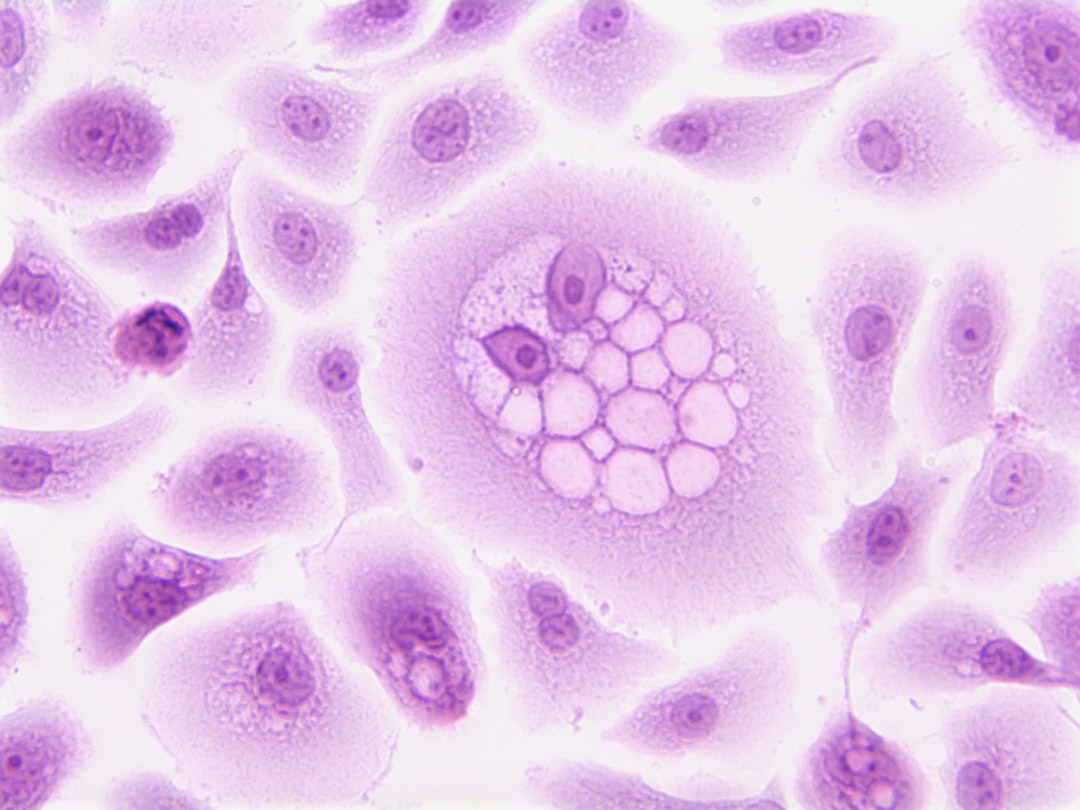
Senolytics are a class of compounds designed to selectively clear senescent cells, commonly called “zombie cells,” which are damaged cells that stop dividing but refuse to die — and if some of these longevity terms are new to you, our glossary covers them all in plain language. The connection between senolytics and zombie cells sits at the center of one of the most actively researched areas in longevity science today. According to researchers at the Mayo Clinic’s Robert and Arlene Kogod Center on Aging, senescent cells accumulate throughout your body as you age and actively secrete a toxic mix of inflammatory signals that damage surrounding tissue. Clearing them, at least in animal models, has produced some of the most dramatic longevity results ever recorded in a lab setting.
By The Longevity Dose Editorial Team · Evidence-reviewed · Last updated June 2026
Key Takeaways
- Senescent “zombie” cells accumulate with age and secrete inflammatory compounds called SASP that damage healthy tissue and accelerate aging.
- In mouse studies, senolytic drugs like dasatinib plus quercetin extended median lifespan by up to 36% when given late in life, according to Mayo Clinic researchers.
- As of 2026, the most actionable senolytic protocol with human safety data uses quercetin (500-1000 mg) combined with fisetin (20 mg/kg body weight) in short, intermittent “pulses” rather than daily dosing.
- Human clinical trials for senolytics are underway but remain in early phases — this is genuinely promising science, not yet proven longevity medicine for healthy adults.
Why Zombie Cells Matter for Longevity
Every cell in your body has a built-in stress response. When a cell gets too damaged to function safely, it’s supposed to either repair itself or trigger apoptosis, which is essentially programmed self-destruction. That’s the healthy outcome. But sometimes, damaged cells take a third path: they stop dividing, refuse to die, and enter a state called cellular senescence.
These senescent cells aren’t just sitting there quietly. They become metabolically active in a damaging way. They pump out a continuous stream of inflammatory proteins, enzymes, and signaling molecules collectively called the senescence-associated secretory phenotype, or SASP. Think of SASP as a distress signal that won’t stop broadcasting, inflaming every cell nearby and gradually corrupting healthy tissue.
At age 20, your immune system clears senescent cells efficiently. By your 50s and 60s, that clearance slows dramatically, and zombie cells start to accumulate in fat tissue, joints, organs, and the brain. Evidence shows that this accumulation isn’t just a side effect of aging. It actively drives it. Transplanting a small number of senescent cells into young mice, as Mayo Clinic researchers demonstrated in a landmark 2015 paper in Aging Cell, was enough to cause physical dysfunction and frailty in the recipients.
That single finding reframed how many longevity researchers think about aging. It’s not just that aging causes senescent cells. Senescent cells also cause aging.
The Science Behind Senolytics: How They Work
Senescent cells survive longer than they should because they hijack the same anti-apoptotic pathways that cancer cells use to avoid death. They cling to survival proteins like BCL-2, BCL-XL, and PI3K. Senolytics work by interfering with those survival pathways, effectively restoring the death signal that senescent cells have been blocking.
The Dasatinib and Quercetin Combination
The most studied senolytic combination pairs dasatinib, a chemotherapy drug already approved for leukemia, with quercetin, a plant flavonoid found in onions and apples — and if you’re wondering how quercetin stacks up against other senolytics, our fisetin vs quercetin comparison for longevity breaks down the key differences. Together they hit different nodes of the senescent cell survival network. Dasatinib targets ephrin-dependent kinases; quercetin inhibits the PI3K/Akt pathway. The combination works better than either alone.
Dr. James Kirkland and Dr. Tamara Tchkonia at Mayo Clinic showed that this combination reduced senescent cell burden in mice and, critically, improved physical function. Treated mice ran faster, gripped stronger, and showed better cardiac function compared to untreated controls of the same age.
Fisetin: The Plant-Based Senolytic
Fisetin, a flavonoid found in strawberries, has attracted serious research attention as a natural senolytic. A 2018 study in EBioMedicine from the Mayo Clinic group found that fisetin reduced senescent cell markers in aged mice and extended median and maximum lifespan. It also showed a strong safety profile in the animals tested. Because fisetin doesn’t require a prescription and is available as a supplement, it’s become the most discussed senolytic option among people tracking this space — and if you’re weighing it against other options, our Urolithin A vs Fisetin comparison breaks down which may be better for longevity. You can find fisetin as a standalone supplement, or it appears in some longevity supplement stacks designed around senolytic timing protocols.
Why Intermittent Dosing Matters
Unlike most supplements you’d take daily, senolytics are designed to be used in short “pulse” doses, typically two days on followed by weeks or months off. This is because senescent cells take time to accumulate again after clearance. Daily dosing isn’t just unnecessary. It may carry unnecessary risk by exposing healthy cells to compounds that interfere with normal survival pathways. This “hit and run” approach is one of the things that makes senolytic protocols genuinely different from anything else in the supplement world.
What the Research Actually Shows
Here’s where honesty matters. The animal data for senolytics is exceptional by any scientific standard. Studies in mice consistently show improvements in physical function, reduced inflammation, better organ health, and in some cases, significant lifespan extension. The 36% median lifespan extension with dasatinib plus quercetin in late-life mice, reported by Kirkland’s group, would be extraordinary if replicated in humans.
But humans aren’t mice. And the human data, while encouraging, is still early.
Current Human Clinical Trial Evidence
As of 2026, the most notable human data comes from a Mayo Clinic pilot trial published in EBioMedicine in 2019. Fourteen patients with idiopathic pulmonary fibrosis, a fatal lung disease driven by senescent cells, received the dasatinib plus quercetin combination for three weeks. The results showed measurable reductions in senescent cell markers in adipose tissue and improved physical function scores. It was a small, uncontrolled study, but the signal was real.
Ongoing trials through the NIH National Institute on Aging’s Translational Geroscience Network are examining senolytics in conditions including diabetes-related kidney disease, Alzheimer’s disease, and osteoporosis. Several of these trials are expected to report results between 2026 and 2028. Results in disease populations don’t automatically translate to healthy adults seeking prevention, which is an important distinction worth keeping in mind.
For healthy people without a diagnosed age-related disease, there is currently no randomized controlled trial evidence supporting senolytic use. This doesn’t mean the approach is wrong. It means we don’t have the data yet to know with confidence. Understanding this uncertainty is essential, especially if you’re also exploring complementary approaches like rapamycin for longevity, which works through a different but potentially overlapping mechanism.
How to Apply Senolytic Protocols in 2026
If you’re considering a senolytic protocol, the most practical approach based on current evidence uses fisetin as the primary agent, given its availability, lower risk profile compared to dasatinib, and the published mouse lifespan data and fisetin dosing evidence. Some longevity physicians also recommend quercetin as a complementary flavonoid in the same protocol window.
The Fisetin Protocol (Most Common in 2026)
- Dose: The mouse studies used weight-scaled doses that would translate to very large amounts in humans — optimal human dosing has not been established in clinical trials, and a clinician familiar with this research is the right person to discuss any specific figure with you
- Duration: 2-3 consecutive days per cycle
- Frequency: Once every 3-6 months
- Timing: Take with a fat-containing meal to improve absorption
- Note: This dosing is derived from mouse studies. Human pharmacokinetic data is limited, and optimal human dosing has not been established in clinical trials
The Quercetin Addition
Some practitioners stack quercetin alongside fisetin during the same 2-3 day pulse, though what dose is appropriate depends on your individual circumstances and is a conversation to have with a physician rather than a number to take from a blog. Quercetin is better absorbed in its phytosome form. Dasatinib is a prescription drug with a well-documented side effect profile and is not something healthy adults should source outside of physician supervision. Full stop.
Fasting may enhance senolytic activity by reducing pro-survival signals that help senescent cells persist. If you’re interested in how fasting intersects with cellular cleanup, our guide on what autophagy actually is covers the mechanism in plain language. The two pathways, autophagy and senolysis, are distinct but complementary approaches to cellular housekeeping.
Who Should Not Try Senolytics Without Medical Supervision
- Anyone taking immunosuppressant medications
- Anyone with active cancer or in cancer remission
- Anyone with bleeding disorders (quercetin and fisetin have mild anticoagulant effects)
- Pregnant or breastfeeding individuals
Common Misconceptions About Senolytics
Myth 1: “More senescent cells cleared = better results”
Senescent cells aren’t purely harmful. They play roles in wound healing, embryonic development, and tumor suppression. Aggressively clearing all senescent cells continuously could impair these functions. The pulse-dosing approach exists precisely because researchers understand that some degree of senescent cell presence serves a purpose. Blanket elimination isn’t the goal.
Myth 2: “Senolytics are proven anti-aging medicine”
They are proven in animals. In humans, the evidence supports their role in specific age-related diseases, but longevity benefits in healthy people haven’t been demonstrated in clinical trials yet. Anyone selling senolytics as a proven anti-aging treatment for general use is running ahead of the science.
Myth 3: “You can get enough fisetin from strawberries”
Strawberries are among the richest dietary sources of fisetin, but the concentration in fresh fruit varies with variety, ripeness, and growing conditions — and no food source delivers the concentrated amounts used in the studies. If you work backwards from the doses used in animal research, the quantity of strawberries required would be far beyond any realistic dietary intake — food sources of fisetin are nutritionally valuable, but they won’t replicate a senolytic protocol. Food sources of fisetin are nutritionally valuable for other reasons, but they won’t replicate a senolytic protocol. Supplemental fisetin is the only realistic delivery mechanism for the doses studied.
Myth 4: “Senolytics replace other longevity fundamentals”
No supplement clears zombie cells faster than regular exercise does. Research consistently shows that physically active people have significantly lower senescent cell burden than sedentary individuals of the same age. Strength training, zone 2 cardio, and sleep quality are your primary senolytic tools. Compounds like fisetin may provide an additive benefit on top of that foundation, not a substitute for it.
| Factor | Fisetin | Dasatinib + Quercetin |
|---|---|---|
| Requires prescription | No | Dasatinib: Yes |
| Human safety data | Limited but favorable | Pilot trial in IPF patients |
| Animal lifespan data | Yes (EBioMedicine 2018) | Yes (up to 36% median lifespan extension in mice) |
| Dosing approach | 2-3 day pulse, every 3-6 months | 2-day pulse, frequency varies |
| Risk level for healthy adults | Low to moderate | Moderate to high without supervision |
For more context on how senolytics fit into a broader longevity approach, the NIH National Institute on Aging’s geroscience research pages offer a thorough overview of where this field stands as of 2026. And if you want to read about longevity science from someone who covers senolytics in depth, Dr. David Sinclair’s book Lifespan remains one of the clearest accessible accounts of why cellular damage accumulates and what might be done about it.
Frequently Asked Questions
What exactly are zombie cells and why do they matter?
Zombie cells, or senescent cells, are damaged cells that stop dividing but don’t die. Instead of clearing out, they stay active and secrete inflammatory compounds called SASP (senescence-associated secretory phenotype) that damage neighboring healthy cells. As they accumulate with age, their collective inflammatory output is now understood to be a direct driver of many age-related diseases, not just a byproduct of them. Cellular senescence is in fact recognized as one of the 12 hallmarks of aging, alongside other core mechanisms like genomic instability and mitochondrial dysfunction.
Is it safe to take fisetin as a senolytic supplement?
Fisetin has a favorable safety profile in the studies conducted so far, particularly when used in short intermittent pulses rather than daily. However, human clinical trial data remains limited as of 2026. People on blood thinners or immunosuppressants should not take fisetin without physician guidance. At the high doses used in animal research, fisetin can cause mild gastrointestinal side effects in some people — a reason, among others, to discuss any protocol with a physician before starting.
Can senolytics reverse aging?
In mice, senolytic treatment in old age produced measurable improvements in physical function, reduced frailty, and in some studies extended lifespan. Whether this translates to reversing human aging is unknown. The honest answer is that senolytics may slow certain aspects of biological aging, particularly inflammation-driven decline, but calling them an aging reversal tool overstates what the current evidence supports.
How do I know if my senescent cell burden is high?
There’s no consumer-grade test for senescent cell burden as of 2026. Some advanced biological age panels, including certain epigenetic clock tests, reflect the inflammatory environment associated with senescence. Markers like circulating IL-6, TNF-alpha, and p16INK4a expression in certain cell types are used in research settings. Practically, chronic low-grade inflammation, persistent fatigue, and accelerated biological age scores are indirect signals worth discussing with a physician.
Do diet and exercise actually reduce zombie cells?
Yes. Consistent aerobic exercise, particularly zone 2 cardio, is one of the most evidence-backed ways to reduce senescent cell accumulation. Research consistently shows that long-term physically active older adults carry a measurably lower burden of senescent immune cells compared to sedentary peers — the mechanism is that regular aerobic exercise both clears and reduces the accumulation of senescent cells over time. Caloric restriction and fasting also reduce SASP signaling. Lifestyle interventions remain the most accessible and risk-free senolytic approach available in 2026.
How do senolytics compare to rapamycin for longevity?
Senolytics and rapamycin target different aging mechanisms. Senolytics clear existing senescent cells; rapamycin works primarily through mTOR inhibition, slowing the processes that drive cellular aging and suppressing the immune response that normally clears debris. Some longevity researchers believe these approaches may be additive rather than redundant. Both remain experimental for healthy adults, and combining them without physician oversight is not advisable.
Liked This? Keep Reading.
Get the next post in your inbox. Real science on longevity, supplements, and fitness — no hype.
Drop your email below. Weekly. No spam. Unsubscribe anytime. ↓