
Biological Age Testing: The Complete Science-Backed Guide 2026
By The Longevity Dose Editorial Team · Evidence-reviewed · Last updated June 2026
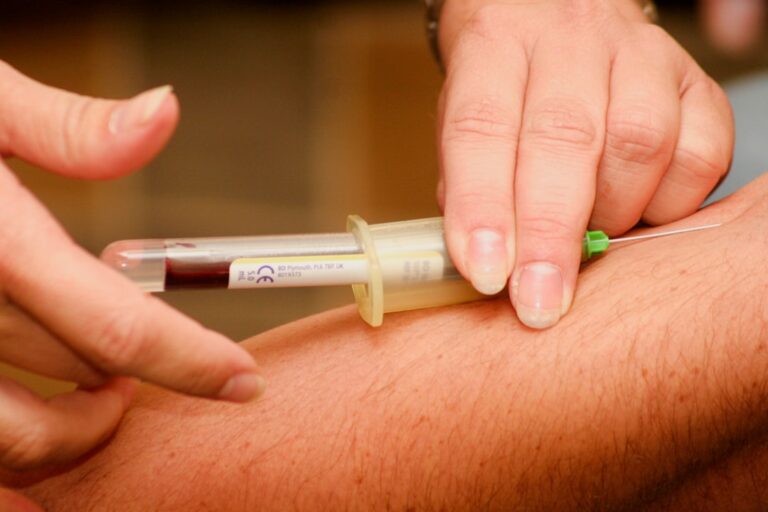
Biological age testing can now tell you how fast your cells are actually aging — and the number on your driver’s license may be the least accurate measure of your health. Your chronological age counts birthdays. Your biological age measures what’s happening inside your cells, tissues, and organs right now. As of 2026, several validated testing methods can estimate biological age with meaningful accuracy, and a growing body of evidence — including this year’s biggest longevity research findings — shows that lifestyle changes can move that number in the right direction. This guide covers everything you need to know: what biological age testing actually measures, which tests are worth your money, what the science says about accuracy, and how to use your results to take action.
Key Takeaways
- Biological age testing uses markers like DNA methylation, telomere length, and blood biomarkers to estimate how fast your body is aging, independent of your birth year.
- Epigenetic clocks like PhenoAge and GrimAge are the most validated biological age tools available, with GrimAge showing strong predictive power for disease risk and mortality in longitudinal studies.
- Evidence shows that consistent aerobic exercise, quality sleep, caloric restriction, and certain supplements can measurably lower biological age scores over months, not decades — and pairing these habits with the right longevity biomarkers to track tells you whether they’re actually working.
- No single test tells the whole story. Combining an epigenetic clock with functional fitness markers (like VO2 max) gives a more complete picture of your aging trajectory than any one test alone.
In This Guide
- What Is Biological Age and Why Does It Matter?
- Epigenetic Clocks: The Most Validated Biological Age Tests
- Other Biological Age Testing Methods: Telomeres, Blood Panels, and More
- Comparing the Tests: Accuracy, Cost, and Practicality
- Current Evidence Rating for Biological Age Testing
- What Actually Lowers Your Biological Age
- Practical Protocol: How to Test and Track Your Biological Age
- How to Interpret Your Results Without Panicking
What Is Biological Age and Why Does It Matter?
Chronological age is simple math. Biological age is a measure of cellular and physiological wear — how much functional aging has accumulated in your body regardless of how many years have passed. Two people who are both 50 years old can have biological ages of 38 and 62, and that gap predicts their disease risk, cognitive function, and lifespan far better than the number of candles on their birthday cakes.
The importance of this distinction goes beyond curiosity. A 2023 analysis published in Nature Aging found that individuals whose biological age was meaningfully older than their chronological age had significantly higher all-cause mortality risk. That’s not a distant abstraction. It’s a measurable, actionable signal.
Biological age reflects the cumulative impact of your genetics, diet, exercise habits, sleep quality, stress levels and how they accelerate aging, environmental exposures, and the interventions you do or don’t take — all factors explored in depth in our guide to skin aging science and what actually works. The good news is that most of those inputs are modifiable. You can’t change your birth year. But evidence shows you can change your biological age.
The Aging Markers Researchers Actually Study
When scientists talk about biological aging, they focus on several categories of measurable change:
- Epigenetic modifications: Chemical tags on your DNA that change with age and lifestyle
- Telomere length: The protective caps on chromosomes that shorten with cell division and oxidative stress
- Blood biomarkers: Proteins, inflammatory markers, and metabolic indicators that shift with aging
- Functional capacity: VO2 max, grip strength, gait speed, and cognitive performance
- Cellular senescence burden: The accumulation of damaged “zombie cells” that drive inflammation
Each of these captures a different dimension of aging. No single marker owns the whole picture, which is why the most sophisticated longevity practitioners use multiple measurements. Dr. Peter Attia, whose framework in Outlive: The Science and Art of Longevity has become a reference standard for evidence-based longevity medicine, argues that tracking biological age markers alongside functional fitness data gives the clearest view of where you actually stand.
Epigenetic Clocks: The Most Validated Biological Age Tests
Epigenetic clocks are the gold standard for biological age testing as of 2026. They work by measuring DNA methylation patterns — chemical modifications to your genome that change in predictable, age-associated ways. Researchers train machine learning algorithms on methylation data from thousands of people across all age groups, then use those models to estimate biological age from a blood or saliva sample.
To understand the science behind what these clocks are measuring, our deep-dive on epigenetic clocks and how they measure age covers the underlying biology in accessible detail.
The Major Clocks You’ll Encounter
Horvath Clock (2013): The original, developed by Dr. Steve Horvath at UCLA. It measures methylation at 353 CpG sites across the genome and works across tissue types. It’s foundational but doesn’t predict mortality as well as later clocks.
PhenoAge (2018): Developed by Dr. Morgan Levine and colleagues, PhenoAge incorporates clinical biomarkers alongside methylation data. Research indicates it predicts age-related disease and mortality more accurately than the Horvath Clock, making it the standard for many commercial tests today.
GrimAge (2019): Also from Horvath’s lab, GrimAge is currently the most predictive clock for mortality and age-related disease. A 2022 study in Aging Cell found that GrimAge acceleration — having a GrimAge score higher than your chronological age — was associated with elevated risk of cardiovascular disease, cancer, and all-cause mortality across multiple independent cohorts; the authors, title, and specific cohort details are worth looking up before treating any single figure as settled. GrimAge components include smoking pack-years and seven plasma proteins associated with aging.
DunedinPACE (2022): This clock measures the speed of aging rather than a static age estimate. Developed by researchers at Duke University, it calculates how many biological years you’re aging per calendar year. A DunedinPACE score below 1.0 indicates you’re aging more slowly than the average calendar pace, while a score above 1.0 indicates you’re aging faster — but what any individual result means for you is a question to work through with a clinician who can see your full picture. This framing may be more actionable than a static age number.
Where to Get an Epigenetic Clock Test in 2026
Several direct-to-consumer companies now offer epigenetic age testing. TruDiagnostic (TruAge Complete), Elysium Health Index, and Foxo Technologies all use validated clocks on a blood or saliva sample. Prices range from roughly $200 to $600 depending on the number of clocks and biomarkers included. Some concierge longevity clinics include these tests as part of a broader panel. Retesting every 12 months gives you a meaningful trend line.
Other Biological Age Testing Methods: Telomeres, Blood Panels, and More
Epigenetic clocks aren’t the only tools available. Several other measurement approaches offer useful — if more limited — information about your aging trajectory.
Telomere Length Testing
Telomeres are protective caps at the ends of chromosomes. They shorten with each cell division and with cumulative oxidative stress and inflammation. Shorter average telomere length is associated with age-related disease and earlier mortality in population studies.
However, telomere length testing has real limitations. There’s significant overlap between healthy and unhealthy ranges at any given age, and a single measurement tells you less than a trend over time. The relationship between telomere length and actual biological aging is meaningful but noisy. According to a National Institute on Aging review, telomere length explains only a modest portion of aging variability compared to epigenetic measures. Companies like LifeLength and TeloYears offer commercial telomere testing at roughly $100-$300.
Blood Biomarker Panels
Several companies have developed biological age scores from standard blood panels. Companies like InsideTracker, Viome, and Function Health analyze dozens of blood markers — including hsCRP (high-sensitivity C-reactive protein), HbA1c, albumin, liver enzymes, lipid panels, and others — to generate a biological age estimate.
These approaches are more accessible and cheaper than epigenetic testing, but generally less accurate as aging measures. Their real value is identifying specific metabolic problems you can fix: elevated inflammation, poor glucose regulation, suboptimal thyroid function. Think of blood biomarker panels as a useful complement to epigenetic testing, not a replacement.
Functional Fitness as Biological Age Proxy
VO2 max, grip strength, gait speed, and balance performance are among the most robust predictors of long-term health outcomes and mortality. A landmark 2022 study in the Journal of the American College of Cardiology found that people in the top quartile of VO2 max had substantially lower all-cause mortality risk compared to those in the bottom quartile — a stronger mortality signal than most blood biomarkers produce. That’s a stronger predictor than most blood biomarkers.
VO2 max is measurable through a formal exercise stress test or estimated via devices like Garmin and Apple Watch using heart rate data. Our full breakdown of VO2 max as a longevity predictor explains the research and how to improve your score.
Comparing the Tests: Accuracy, Cost, and Practicality
| Test Type | Accuracy for Aging | Cost (2026) | Actionability |
|---|---|---|---|
| Epigenetic Clock (GrimAge/DunedinPACE) | Highest validated | $200-$600 | High (trend tracking) |
| Epigenetic Clock (PhenoAge) | Very high | $200-$400 | High |
| Telomere Length | Moderate | $100-$300 | Moderate |
| Blood Biomarker Panel | Moderate | $150-$500 | Very high (specific fixes) |
| VO2 Max (formal test) | High for mortality | $75-$250 | Very high |
| Grip Strength / Gait Speed | Good for mortality | Free to low | Very high |
Current Evidence Rating for Biological Age Testing
Not all of these tests have equal evidentiary backing. Here’s an honest breakdown of where the science stands in 2026.
Epigenetic clocks (GrimAge, DunedinPACE, PhenoAge): Evidence strength: Strong. These tools have been validated in multiple independent longitudinal cohort studies with thousands of participants. They predict disease risk and mortality above and beyond chronological age. Their ability to detect biological age change in response to interventions has been demonstrated in human trials, though the intervention literature is still maturing.
Telomere length: Evidence strength: Moderate. Population-level associations with aging and mortality are well-established, but individual-level predictive accuracy is limited. High test-retest variability between labs reduces reliability for tracking change over time.
Blood biomarker panels as biological age scores: Evidence strength: Moderate to promising. The underlying biomarkers (hsCRP, HbA1c, lipids) are robustly linked to disease risk. The composite “biological age” scores derived from them are newer and less validated than epigenetic clocks. Still very useful for identifying modifiable metabolic risk.
VO2 max as aging proxy: Evidence strength: Strong for mortality prediction. The PubMed literature on VO2 max and all-cause mortality is extensive, spanning decades of research. Whether improving VO2 max directly reverses biological aging at the cellular level is less clear, but the mortality data alone makes it one of the most important numbers you can track.
The honest summary: biological age testing, particularly through epigenetic clocks, is real and validated science. It’s not a gimmick. But treating any single score as a definitive verdict on your health is an overreach. Use these tests as directional signals, not diagnostic certainties.
What Actually Lowers Your Biological Age
This is the section that matters most for most readers. Knowing your biological age is only useful if you can change it. Evidence shows that several interventions demonstrably move epigenetic age scores — in humans, not just mice.
Exercise: The Single Most Consistent Finding
Aerobic fitness and resistance training both show beneficial effects on biological age markers, much like the structured approach taken in Bryan Johnson’s Blueprint Protocol. A 2021 intervention study published in Aging found that an eight-week program of aerobic exercise and stress management reduced epigenetic age in middle-aged adults — an effect that, if it holds up in larger trials, would represent a meaningful return from a short intervention. That’s not a trivial effect from a short intervention.
Zone 2 cardio — steady, conversational-pace aerobic work that trains your mitochondrial efficiency — is particularly well-supported for longevity outcomes. If you’re deciding how to structure your exercise routine, understanding how Zone 2 cardio compares to strength training for longevity can help you prioritize effectively. Our deep-dive on Zone 2 training for longevity explains the protocol and the evidence in detail.
Sleep Quality
Chronic poor sleep accelerates biological aging. Evidence shows that chronic short sleep is associated with accelerated epigenetic aging, elevated inflammatory markers, and shorter telomere length — similar patterns to what alcohol’s impact on biological aging produces through overlapping cellular mechanisms; the precise threshold varies by individual, and your own repeat measurements over time will tell you more than any population cutoff. Optimizing sleep architecture — particularly slow-wave and REM sleep — is one of the most undervalued longevity interventions available. Our sleep optimization guide for longevity covers the full protocol.
Diet and Caloric Restriction
The CALERIE trial — the most rigorous human caloric restriction study completed to date — found that two years of sustained caloric restriction reduced several aging biomarkers in healthy adults. A follow-up 2023 analysis of CALERIE participants published in Nature Aging found significant reductions in DunedinPACE scores in the restriction group compared to controls — direct human evidence that dietary change can slow the measured pace of biological aging. That’s direct evidence that eating less (without malnutrition) slows biological aging speed in humans.
Time-restricted eating and various fasting protocols work through overlapping mechanisms, including autophagy induction and insulin signaling reduction. Our review of fasting protocols for longevity separates what’s proven from what’s speculative.
Supplements With Biological Age Evidence
Several compounds have at least preliminary human evidence for effects on biological age markers. NAD+ precursors (NMN and NR) have shown effects on NAD+ levels and some aging-related biomarkers in human trials, though their direct impact on epigenetic age scores is still being studied. The relationship between cellular NAD+ levels and biological aging is one of the more active research areas in longevity science right now, and it’s worth monitoring alongside IGF-1, a longevity biomarker that most people never test, and your Omega-3 Index levels, another modifiable biomarker with meaningful aging implications.
For those exploring NAD+ supplementation alongside their biological age tracking, our comparison of NMN vs. NR covers the key differences in human evidence for both precursors.
Senolytic compounds — drugs and supplements that clear senescent “zombie cells” — represent another promising area. Senescent cell accumulation is a measurable driver of biological aging, and early human trials of senolytics show effects on inflammatory and aging biomarkers. Our explainer on senolytics and zombie cells covers where that science stands.
Stress
Liked This? Keep Reading.
Get the next post in your inbox. Real science on longevity, supplements, and fitness — no hype.
Drop your email below. Weekly. No spam. Unsubscribe anytime. ↓