
Longevity Diet: The Complete Science-Backed Guide (2026)
Photo by K15 Photos on Unsplash
By The Longevity Dose Editorial Team · Evidence-reviewed · Last updated June 2026
A longevity diet isn’t a fad, a brand, or a 30-day challenge. It’s a pattern of eating that the best available evidence links to reduced disease risk, slower biological aging, and longer healthspan — the years you actually feel good. No single food will save you, and no single study settles the debate. But when you look at the full picture across blue zone research, caloric restriction trials, and molecular biology, a surprisingly consistent set of principles emerges. This guide lays all of it out, plainly and honestly, so you can build an eating strategy grounded in evidence rather than marketing.
Key Takeaways
- No single diet pattern has been proven to extend human lifespan in a randomized controlled trial, but evidence consistently favors whole-food, plant-predominant eating with adequate protein.
- A 2022 meta-analysis in PLOS Medicine found that shifting from a typical Western diet to an “optimal” diet pattern could add an estimated 8-13 years of life expectancy, depending on age at transition.
- Protein intake matters more than most longevity researchers admit: evidence indicates adults over 50 should aim for 1.2-1.6 grams per kilogram of body weight daily to preserve muscle mass and reduce frailty risk.
- Caloric restriction extends lifespan reliably in animal models, but human evidence for longevity specifically remains preliminary — the benefits seen in humans are largely through disease risk reduction, not confirmed lifespan extension.
In This Guide
- What Is a Longevity Diet?
- What the Blue Zones Actually Tell Us
- Caloric Restriction, Fasting, and the Longevity Connection
- Getting Macronutrients Right: Protein, Carbs, and Fat
- Foods With the Strongest Longevity Evidence
- Foods That Accelerate Aging
- The Practical Longevity Diet Protocol
- Evidence Rating and What We Don’t Know Yet
What Is a Longevity Diet?
Longevity diet research sits at the intersection of epidemiology, molecular biology, and geroscience. The term gets used loosely, so let’s pin it down. A longevity diet is an eating pattern that simultaneously reduces risk of the four major killers — cardiovascular disease, cancer, type 2 diabetes, and neurodegenerative disease — while also modulating the biological mechanisms of aging itself.
That second part is what separates longevity nutrition from standard healthy eating advice. Researchers like Dr. Valter Longo at the University of Southern California and Dr. David Sinclair at Harvard look not just at disease outcomes, but at how food affects the hallmarks of aging: things like chronic inflammation, cellular senescence, mitochondrial function, and epigenetic drift.
Why Diet Is the Highest-Leverage Longevity Tool You Have
Genetics account for roughly 25% of the variation in human lifespan, according to a large 2018 analysis published in Genetics — and factors like how vitamin D shapes the aging process illustrate just how much lifestyle and environment can move that needle. That means lifestyle factors, diet chief among them, drive the majority of how you age. You eat three times a day, every day, for your entire life. No drug, supplement, or therapy interacts with your biology at that frequency and scale.
That’s not an argument against supplements or other interventions. It’s an argument for getting the foundation right first. If you’re spending money on NAD+ precursors or other longevity compounds but eating ultra-processed food most of the day, you’re optimizing the margins while ignoring the core — and many of the most impactful steps are covered in our guide to free and cheap longevity interventions that actually work.
What the Blue Zones Actually Tell Us
Blue zones are the five regions where researchers found unusually high concentrations of centenarians: Sardinia (Italy), Okinawa (Japan), Nicoya (Costa Rica), Icaria (Greece), and Loma Linda (California). Journalist Dan Buettner popularized the concept, and the dietary patterns across these regions have since been studied seriously by nutritional epidemiologists.
The Common Dietary Threads
Despite geographic and cultural differences, these populations share striking dietary similarities. Plant foods — vegetables, legumes, whole grains, and fruit — form the foundation of every blue zone diet. Meat exists, but it’s eaten sparingly, roughly 4-5 times per month in most regions, according to Buettner’s documented observations. Olive oil and nuts are prominent in Mediterranean blue zones. Okinawans eat significant quantities of sweet potato, tofu, and seaweed.
Processed food, added sugar, and refined grains are essentially absent from traditional blue zone eating. That’s not a coincidence. It’s probably the single most consistent finding across all five regions.
What Blue Zones Can’t Tell Us
Honesty requires acknowledging the limits here. Blue zone research is observational. It can’t prove causation. These populations also differ from Western populations in physical activity levels, social connection, stress patterns, and healthcare access. Some researchers, including demographic historian Dr. Saul Newman, have published critiques arguing that some blue zone longevity data may be inflated by record-keeping errors rather than genuine biological aging differences.
The blue zones are a useful signal. They’re not a controlled experiment. Use them as directional guidance, not gospel.
Caloric Restriction, Fasting, and the Longevity Connection
Caloric restriction (CR) is the most replicated longevity intervention in all of biology. Reducing calorie intake by 20-40% without malnutrition extends lifespan in yeast, worms, flies, mice, and rats. The mechanisms include reduced mTOR signaling, increased autophagy, lower IGF-1, and improved insulin sensitivity.
But here’s where honesty matters: we don’t have proof that caloric restriction extends human lifespan. What we have is the CALERIE trial, a rigorous 2-year randomized controlled trial funded by the NIH. Participants who reduced calories by about 12% showed significant improvements in cardiometabolic risk factors, reduced inflammatory markers, and better metabolic health. Those are meaningful outcomes. But lifespan extension in humans remains unconfirmed.
Time-Restricted Eating: A Practical Alternative
Time-restricted eating (TRE), the practice of confining your daily eating window to 8-12 hours, has emerged as a more practical way to capture some caloric restriction benefits without tracking every calorie. Evidence shows TRE improves insulin sensitivity, reduces blood pressure, and supports weight management even when total calorie intake doesn’t change significantly.
Our detailed breakdown at Caloric Restriction vs Intermittent Fasting covers the head-to-head evidence in depth. The short version: both work through overlapping mechanisms, and TRE is far easier to sustain long-term.
Fasting-Mimicking Diets
Dr. Valter Longo’s fasting-mimicking diet (FMD) is a 5-day, low-calorie protocol (roughly 700-1100 calories daily) designed to trigger autophagy and cellular repair without full fasting. A 2017 randomized trial in Science Translational Medicine found that three monthly FMD cycles reduced body weight, blood pressure, blood glucose, and IGF-1 levels in humans. To understand why autophagy matters here, our explainer on what autophagy actually is walks through the cellular mechanisms clearly.
FMD is promising. It’s not magic. And it requires medical supervision if you have metabolic conditions or take medications.
Getting Macronutrients Right: Protein, Carbs, and Fat
Macronutrient ratios are where longevity nutrition gets genuinely complicated, and where you’ll find the most legitimate expert disagreement.
Protein: The Most Misunderstood Longevity Macronutrient
High protein intake activates mTOR, a pathway that promotes cell growth but also suppresses autophagy. That’s led some researchers to suggest that lower protein diets are better for longevity. Dr. Longo’s work in animal models and epidemiology supports moderate protein restriction, particularly from animal sources, in middle age.
But there’s a critical counterpoint. Dr. Peter Attia and other exercise-focused longevity physicians argue that sarcopenia (muscle loss with aging) is one of the most powerful predictors of early death, functional decline, and poor healthspan — a case backed by the overwhelming evidence for strength training as a longevity tool, and one reason cardiorespiratory fitness is the longevity intervention nobody talks about enough. Frailty kills. And Attia’s framework places high-quality protein intake as essential for preserving muscle mass after 50.
The emerging consensus in 2026 looks roughly like this: protein intake in midlife (roughly 40-65) can be moderate (around 1.0-1.2g/kg/day), with emphasis on plant proteins where possible. After 65, when anabolic resistance increases and muscle loss accelerates, evidence supports higher intakes of 1.2-1.6g/kg/day, with particular attention to when and how you distribute protein across meals to trigger muscle protein synthesis.
Carbohydrates: Quality Over Quantity
Demonizing carbohydrates wholesale misses what the evidence actually shows. The type of carbohydrate matters far more than the total amount. Refined carbs and added sugar drive insulin resistance, chronic inflammation, and glycation — processes that accelerate aging directly. Whole-food carbohydrates from legumes, vegetables, and intact grains are associated with reduced all-cause mortality across multiple large epidemiological studies.
Legumes, specifically, appear repeatedly in longevity research. A 2004 study in the Asia Pacific Journal of Clinical Nutrition found that legume intake was the single most consistent dietary predictor of longevity across five cohorts of elderly people from Japan, Sweden, Greece, and Australia.
Fats: Olive Oil Is Not Optional
Extra-virgin olive oil deserves its own paragraph because the evidence for how much olive oil you should eat for longevity is unusually strong. The PREDIMED trial, a large Spanish randomized trial involving over 7,000 participants, found that a Mediterranean diet supplemented with extra-virgin olive oil reduced major cardiovascular events by approximately 30% compared to a low-fat control diet. Olive oil’s polyphenols also appear to activate SIRT1 and AMPK, two key longevity-associated pathways.
Omega-3 fatty acids from fatty fish, walnuts, and flaxseed also have strong evidence for cardiovascular protection and anti-inflammatory effects. If your dietary omega-3 intake is low, a high-quality fish oil supplement in triglyceride form (not ethyl ester form, which absorbs poorly) is one of the more defensible additions to a longevity stack. If you’re considering one, Nordic Naturals Ultimate Omega is IFOS 5-star certified and consistently recommended by clinicians who actually check supplement quality.
Foods With the Strongest Longevity Evidence
Rather than a generic “eat more plants” recommendation, here’s what the evidence specifically supports, with real numbers behind it.
Leafy Greens and Cruciferous Vegetables
A 2021 study in Neurology found that people who ate one serving of leafy greens daily had cognitive function equivalent to someone 11 years younger than those who rarely ate them. Cruciferous vegetables (broccoli, cauliflower, Brussels sprouts) contain sulforaphane, which activates NRF2, a master regulator of antioxidant defense. Evidence on sulforaphane in humans is promising but still preliminary for longevity-specific claims.
Legumes
Beans, lentils, and chickpeas are the longevity food that almost nobody talks about enough — and compounds like taurine, whose longevity science is only now catching up, are in a similar category of underappreciated evidence, much like the collagen vs. glycine debate and the dietary principles behind Bryan Johnson’s Blueprint Protocol. They provide fiber (which feeds beneficial gut bacteria and reduces inflammation), plant protein, and resistant starch. They’re cheap, shelf-stable, and associated with reduced risk of cardiovascular disease, type 2 diabetes, and colorectal cancer in multiple large observational studies.
Nuts
The PREDIMED trial and the Nurses’ Health Study both found significant associations between nut consumption and reduced all-cause mortality. Specifically, eating nuts five or more times per week was associated with roughly a 20% lower risk of death from any cause in the Nurses’ Health Study data. Walnuts, with their high omega-3 and polyphenol content, are particularly well-studied.
Fatty Fish
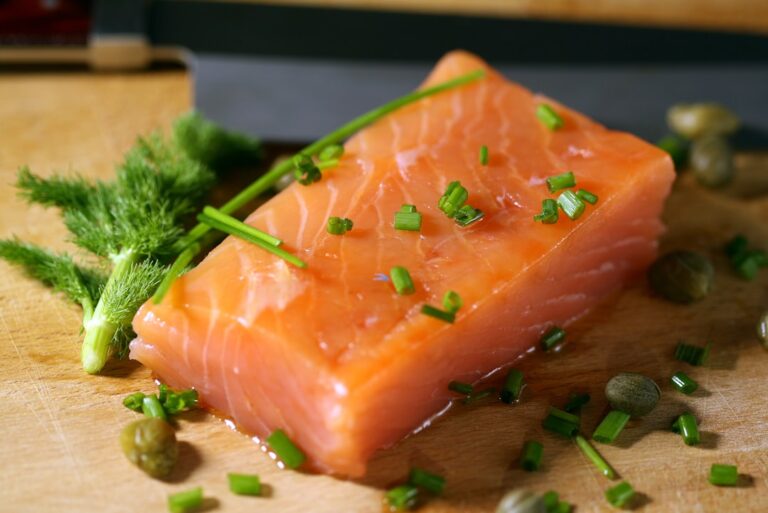
Salmon, sardines, mackerel, and herring provide EPA and DHA omega-3s with solid cardiovascular and anti-inflammatory evidence, and pairing them with other evidence-backed habits — like understanding how much coffee is optimal for longevity — helps build a complete dietary picture. Aim for 2-3 servings per week. If you dislike fish, Examine.com’s review of omega-3 evidence is a thorough, unbiased resource for evaluating supplementation options.
Fermented Foods
A 2021 Stanford study published in Cell found that eating fermented foods (yogurt, kefir, kimchi, sauerkraut) for 10 weeks increased microbiome diversity and reduced 19 inflammatory proteins compared to a high-fiber diet group. Given the growing evidence linking gut microbiome diversity to healthy aging, this is a practical and low-risk addition to any diet.
Foods That Accelerate Aging
Longevity nutrition isn’t just about adding things. What you remove from your diet may matter just as much.
Ultra-Processed Foods
Ultra-processed foods (UPF) now account for more than 50% of total calorie intake in the average American diet, according to NIH National Institute on Aging dietary surveillance data. A 2019 prospective study in JAMA Internal Medicine found that each 10% increase in ultra-processed food consumption was associated with a 14% higher all-cause mortality risk. These foods drive chronic inflammation, disrupt gut microbiome composition, and promote visceral fat accumulation.
Added Sugar and Refined Grains
Excess sugar drives glycation, the process by which glucose molecules bind to proteins and damage them, producing advanced glycation end-products (AGEs). AGEs accumulate with age and are directly implicated in cardiovascular stiffening, kidney damage, and accelerated skin aging. Refined grains cause rapid glucose spikes that, over years, promote insulin resistance and metabolic dysfunction.
Excessive Alcohol
The “one glass of red wine is good for you” narrative has been substantially revised. Recent Mendelian randomization studies, which use genetics to approximate controlled experiments, suggest that even moderate alcohol consumption may not confer the cardiovascular benefits previously attributed to it, and that any benefits are likely outweighed by increased cancer risk above very low consumption levels. If you drink, moderation means genuinely occasional, not nightly.
Processed Red Meat
Unprocessed red meat in modest amounts remains contested in nutrition science. But processed red meat (bacon, hot dogs, deli meats) consistently shows up as a risk factor for colorectal cancer and cardiovascular disease across large cohort studies. The mechanism likely involves heme iron, nitrites, and the inflammatory byproducts of high-temperature cooking. Limiting processed meat is one of the few dietary recommendations where genuine scientific consensus exists.
The Practical Longevity Diet Protocol
Here’s what the evidence translates to in actual daily practice. This isn’t a rigid meal plan. It’s a framework based on the best available science as of 2026.
The Daily Plate
- 50% non-starchy vegetables and legumes: Prioritize leafy greens, cruciferous vegetables, and at least one serving of beans or lentils daily.
- 25% whole food protein: Fatty fish 2-3 times per week, eggs, Greek yogurt, legumes, nuts, and modest amounts of poultry or lean meat.
- 25% whole food carbohydrates: Intact grains (oats, quinoa, farro), sweet potato, and fruit. Minimize white bread, white rice, and pasta made from refined flour.
- Fat quality over quantity: Use extra-virgin olive oil as your primary cooking fat. Include walnuts, avocado, and fatty fish regularly.
Eating Window and Meal Timing
Confine your eating to a 10-12 hour window most days. This doesn’t mean skipping meals or aggressive fasting. It means finishing dinner by 7-8pm and not eating again until 7-9am. Evidence supports this as a practical way to improve insulin sensitivity and support circadian metabolic rhythms without significant caloric restriction. If you want to explore more structured fasting approaches, our guide on fasting protocols for longevity covers everything from 16:8 to extended fasting with honest evidence ratings.
Protein Targets by Age
| Age Group | Recommended Daily Protein | Primary Goal |
|---|---|---|
| 30-50 | 0.8-1.2g per kg body weight | Metabolic health, mTOR modulation |
| 50-65 | 1.0-1.4g per kg body weight | Muscle preservation, anabolic resistance |
| 65+ | 1.2-1.6g per kg body weight | Frailty prevention, function preservation |
The Non-Negotiable Minimums
If you do nothing else, these three changes have the most evidence behind them for reducing all-cause mortality risk:
- Eliminate ultra-processed food from your regular diet. Not occasionally, not mostly. Make it genuinely rare.
- Eat legumes at least 4-5 times per week. This is the single most consistent finding across blue zone and longevity cohort research.
- Replace refined seed oils and processed snacks with extra-virgin olive oil, nuts, and whole food sources of fat.
What to Track
You don’t need to count calories obsessively. But tracking protein intake, at least temporarily, is eye-opening for most people and helps dial in whether you’re hitting targets as you age. If you want a more comprehensive picture of how your diet is affecting your actual biological aging, our guide to biological age testing explains which markers and tests give you real signal versus expensive noise.
Evidence Rating and What We Don’t Know Yet
Intellectual honesty is central to what we do here. So here’s a clear-eyed assessment of where the evidence actually stands.
Current Evidence Rating
Overall longevity diet pattern (Mediterranean/plant-predominant): Evidence strength: Strong for disease risk reduction. Multiple large RCTs (PREDIMED, CALERIE) and consistent epidemiological data across diverse populations support this pattern for cardiovascular, metabolic, and cognitive outcomes. Human lifespan extension remains unproven.
Caloric restriction for longevity: Evidence strength: Strong in animal models, Promising but limited in humans. CALERIE showed meaningful cardiometabolic improvements with modest caloric reduction. Lifespan data in humans doesn’t exist yet.
Time-restricted eating: Evidence strength: Moderate. Short-term benefits for metabolic health are well-documented. Long-term effects on aging biomarkers and lifespan are under-studied.
Specific foods (legumes, olive oil, nuts): Evidence strength: Moderate to Strong for disease risk reduction. Mechanistic longevity evidence is growing but not definitive.
What We Still Don’t Know
The optimal protein level across the lifespan remains genuinely contested. The relative importance of meal timing versus total caloric intake versus food quality isn’t settled. Whether individual genetic variation (nutrigenomics) should drive personalized longevity eating is promising in theory but largely unvalidated in practice as of 2026. And we don’t have randomized controlled trials showing that any dietary pattern actually extends human lifespan, because running a decades-long dietary RCT is nearly impossible.
These gaps are real. They don’t mean you should do nothing while waiting for perfect evidence. They mean you should hold your dietary strategy with some humility and update it as better data emerges.
Diet is also only one pillar of longevity. How you move, sleep, manage stress, and connect socially all interact with nutrition in ways we’re still mapping. Our deep-dive on sleep optimization for longevity and the evidence on zone 2 cardio are worth reading alongside this guide if you’re building a complete approach.
Affiliate Disclosure: The Longevity Dose may earn a small commission if you purchase through the links below, at no additional cost to you. We only link products and books with a genuine research track record. Learn more.
What We Recommend
- Outlive: The Science and Art of Longevity — Dr. Peter Attia. The most thorough, evidence-grounded longevity book available, with an entire section on nutritional biochemistry and how to structure your diet for long-term health rather than short-term aesthetics. If you want the full framework behind the protein and fasting recommendations in this guide, this is where to go.
- Nordic Naturals Ultimate Omega. If your diet doesn’t include fatty fish 2-3 times per week, this is the omega-3 supplement most consistently recommended by clinicians for its IFOS 5-star certification and triglyceride-form absorption advantage over cheaper ethyl ester products.
Frequently Asked Questions
What is the best diet for longevity?
No single named diet has been proven to extend human lifespan in a controlled trial, but the evidence most consistently favors a whole-food, plant-predominant eating pattern similar to the Mediterranean diet. Key features include abundant vegetables and legumes, olive oil as the primary fat, fatty fish 2-3 times per week, limited ultra-processed food, and modest animal protein. This pattern reduces cardiovascular disease, cancer, and metabolic disease risk across multiple large studies.
Does caloric restriction actually work for longevity in humans?
Caloric restriction reliably extends lifespan in animal models from yeast to primates, but human evidence for lifespan extension specifically is not yet available. The NIH-funded CALERIE trial showed that 12% caloric restriction over two years produced meaningful improvements in cardiometabolic risk factors, inflammatory markers, and metabolic health. The most practical approach for most adults is a 10-12 hour eating window combined with high diet quality, rather than aggressive calorie counting.
How much protein should I eat for longevity?
The optimal protein intake for longevity shifts across your lifespan. Adults in midlife (roughly 30-50) can aim for 0.8-1.2 grams per kilogram of body weight daily, with emphasis on plant proteins where possible to moderate mTOR activation. Adults over 50 should increase to 1.2-1.6g/kg/day to counter anabolic resistance and preserve muscle mass, which is itself a major predictor of healthspan and late-life function.
Are blue zones a reliable guide for longevity eating?
Blue zone research is observational, not controlled, and some demographic critics have raised concerns about data quality in certain regions. That said, the consistent dietary patterns across five geographically and culturally distinct populations — plant-heavy, legume-rich, low in ultra-processed food — are a meaningful signal rather than coincidence. Use blue zones as directional evidence, not a definitive prescription, and recognize that the populations also differ from Western populations in physical activity, stress, and social connection.
Is intermittent fasting better than caloric restriction for longevity?
Liked This? Keep Reading.
Get the next post in your inbox. Real science on longevity, supplements, and fitness — no hype.
Drop your email below. Weekly. No spam. Unsubscribe anytime. ↓