Does Your Gut Microbiome Affect How Long You Live?
Photo by Indra Projects on Unsplash
By The Longevity Dose Editorial Team · Evidence-reviewed · Last updated June 2026
The connection between gut microbiome and longevity is real, but far more complicated than probiotic companies want you to believe. Your gut harbors roughly 38 trillion microbial cells, and researchers at institutions like the Stanford Center for Human Microbiome Research have spent the last decade trying to understand what those microbes actually do to your lifespan. Some findings are genuinely exciting. Others have been wildly overhyped. This post answers the key questions directly, with the evidence as it stands in 2026.
Key Takeaways
- Centenarians consistently show a distinct gut microbiome profile compared to younger adults, with higher levels of specific bacteria like Akkermansia muciniphila and short-chain fatty acid producers.
- A 2021 study in Nature Metabolism found that unique microbiome compositions in people over 100 were associated with lower inflammation and better metabolic markers than those seen in average 70-year-olds.
- Fiber intake, fermented foods, exercise, and sleep are the most evidence-backed lifestyle levers for improving gut diversity. Most commercial probiotics have weak evidence for longevity-specific outcomes.
- The field is genuinely promising, but as of 2026, no gut microbiome intervention has been proven in a controlled human trial to extend lifespan.
Is There a Real Link Between Gut Health and Lifespan?
Yes, and the evidence has become harder to dismiss over the last five years. The strongest signal comes from centenarian studies. Researchers studying exceptionally long-lived populations in China, Italy, and Sardinia have repeatedly found that people who reach 100 tend to have gut microbiomes that look meaningfully different from those of people in their 70s and 80s.
A 2021 study published in Nature Metabolism analyzed the gut bacteria of 1,575 participants ranging from young adults to centenarians. The 100-year-old subjects had a higher prevalence of less common microbial species and a more unique overall composition. Importantly, this uniqueness correlated with lower inflammatory markers and better serum metabolite profiles. Chronic low-grade inflammation, which researchers now call “inflammaging,” is one of the central mechanisms behind the hallmarks of aging — and your gut plays a direct role in regulating it, which is also why gum disease and dental health matter more for longevity than most people realize.
The mechanism makes biological sense. Gut bacteria produce short-chain fatty acids (SCFAs) like butyrate, propionate, and acetate. These compounds feed the gut lining, reduce intestinal permeability, and signal the immune system to stay calm. When microbial diversity drops, SCFA production falls, the gut barrier weakens, and bacterial endotoxins can leak into the bloodstream, triggering exactly the systemic inflammation linked to accelerated aging.
Bottom line: The association between a diverse, well-functioning gut microbiome and longer life is real and biologically plausible. But association is not causation, and this distinction matters enormously before you spend money on interventions.
Does a “Bad” Gut Microbiome Actually Shorten Your Life?
Probably, under the right conditions. But “bad microbiome” is doing a lot of work in that sentence, and it’s not a simple binary.
Dysbiosis, the term for a disrupted or low-diversity microbial community, is consistently associated with conditions that shorten lifespan: type 2 diabetes, cardiovascular disease, colorectal cancer, and neurodegenerative diseases. A Lancet review published in 2022 noted that gut dysbiosis activates inflammatory pathways implicated in metabolic disease and cardiovascular risk. These aren’t minor associations.
Dr. Eran Segal at the Weizmann Institute has published extensively on how individual microbiome composition drives wildly different metabolic responses to the same foods. Two people can eat identical meals and have completely different blood sugar spikes based on their gut bacteria alone. That kind of metabolic variability compounds over decades. It’s one reason your long-term diet choices matter so much more than any single meal.
That said, the honest caveat is this: we don’t yet have a randomized controlled trial in humans showing that improving gut microbiome diversity causally extends life. Most evidence is observational, mechanistic, or from animal models. The direction of causality is sometimes unclear — do healthier people live longer because of their microbiomes, or do the habits that lead to longer life also happen to produce better microbiomes?
Bottom line: Chronic dysbiosis is linked to the same diseases that kill most people before they reach old age. Whether fixing the microbiome directly adds years to life is still an open question, but the indirect pathway through disease prevention is well-supported.
What Does a Longevity-Associated Gut Microbiome Actually Look Like?
Research on centenarians points to a few consistent features. High microbial diversity appears to be the most reliable marker. Centenarians also show elevated levels of specific bacteria that most middle-aged Western adults have very little of.
Akkermansia muciniphila gets the most attention. This bacterium lives in the mucus layer of the gut and helps maintain the intestinal barrier. Lower levels are associated with obesity, type 2 diabetes, and inflammation. Higher levels are seen in centenarians and, separately, in people who respond better to cancer immunotherapy. Dr. Patrice Cani at UC Louvain has spent years studying Akkermansia specifically as a therapeutic target for metabolic disease.
Other bacteria consistently elevated in long-lived populations include Faecalibacterium prausnitzii (a major butyrate producer) and members of the Christensenellaceae family, which have a heritable component and are consistently linked to leanness and metabolic health.
On the flip side, aging is associated with an increase in pro-inflammatory bacteria like Proteobacteria and a decline in beneficial Firmicutes that produce SCFAs. This shift appears to accelerate after age 65 in most Western populations.
Bottom line: A longevity-associated gut profile features high diversity, abundant SCFA producers, and elevated Akkermansia. These are measurable, and some of them are modifiable.
What Actually Changes Your Gut Microbiome for Better Longevity?
This is the practical question, and the evidence here is cleaner than most people expect.
Dietary Fiber: The Strongest Evidence
Dietary fiber is the single most evidence-backed intervention for improving gut microbiome diversity. Specifically, prebiotic fiber feeds beneficial bacteria like Bifidobacterium and Firmicutes. A landmark 2022 study from the Sonnenburg Lab at Stanford — actually published in Cell in 2021 — compared high-fiber diets to high-fermented-food diets in 36 healthy adults. Both increased microbiome diversity, but the fermented food group also showed reductions across a range of measured inflammatory proteins.
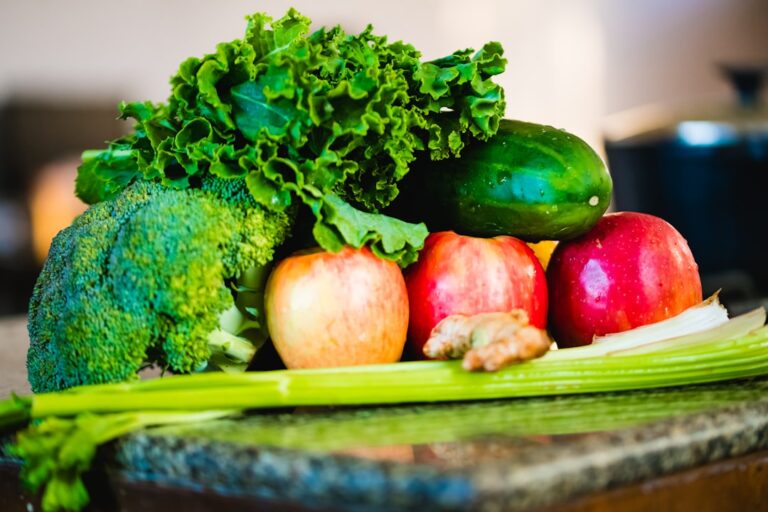
How much fiber you need depends on your bodyweight, your gut tolerance, and what your diet already contains — the right target is a conversation with a clinician who can see your full picture, not a number a blog can hand you. What’s consistent across nutrition research is that most people eating a typical Western diet fall well short of the fiber intakes associated with good gut health — and the gap between what most people eat and what the evidence supports is substantial. Diversity of plant foods matters as much as total quantity — the underlying principle is that variety of plant sources, not just total quantity, appears to drive microbial diversity — eating a wide range of different plants feeds a wider range of bacterial species.
Fermented Foods: Real Signal, Modest Effect
Yogurt, kefir, kimchi, sauerkraut, and kombucha all introduce live microorganisms into the gut. The Stanford study above found that fermented food consumption increased microbial diversity and reduced inflammatory markers over the course of the trial. The effect sizes were real but modest. Fermented foods are genuinely worth eating. They’re not a substitute for dietary fiber.
Exercise: Underrated Gut Intervention
Exercise independently increases gut microbial diversity, separate from diet. Research published in Gut in 2018 by Dr. Siobhan Talty and colleagues found that professional rugby players had significantly higher microbial diversity than sedentary matched controls, even after controlling for diet. Regular Zone 2 cardio appears to be particularly effective for promoting Akkermansia specifically.
Sleep: The Overlooked Factor
Chronic sleep disruption alters gut microbiome composition within days. The gut-brain axis is bidirectional, and the circadian rhythm of gut bacteria is real — they have their own activity patterns tied to your sleep-wake cycle. Disrupting sleep consistently reduces SCFA-producing bacteria. If you’re not prioritizing sleep, no prebiotic supplement will compensate.
What About Probiotics?
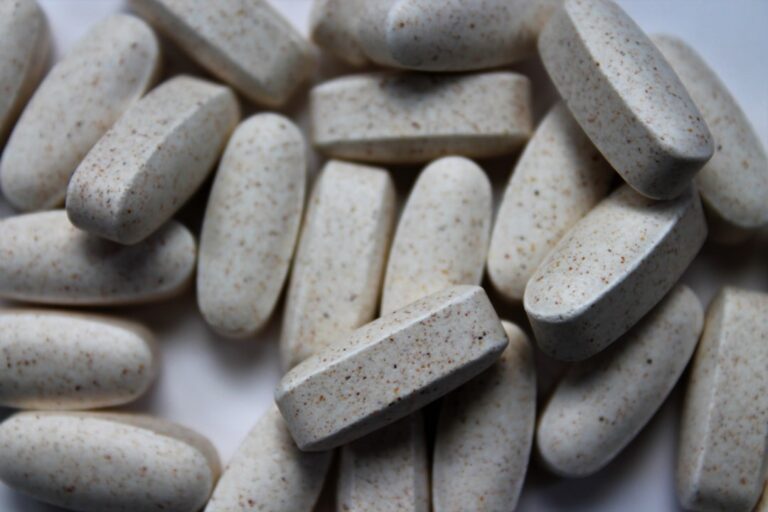
The honest answer is: mostly disappointing for longevity-specific outcomes. Commercial probiotics generally contain strains that don’t colonize the gut long-term in most people. They pass through. For specific conditions like antibiotic-associated diarrhea or IBS, certain strains have decent evidence. For general longevity or meaningful microbiome restructuring, the evidence as of 2026 remains weak.
The exception may be next-generation probiotics targeting specific species like Akkermansia. A pasteurized Akkermansia muciniphila supplement was approved as a novel food in the EU in 2021, and early human trials show promising effects on metabolic markers. But we’re not at “proven longevity intervention” territory yet.
This is an area where hormetic stressors like fasting may actually do more for gut health than most supplements. Short fasting periods appear to increase Akkermansia abundance and reset the gut environment in ways that commercial probiotics don’t replicate.
Bottom line: Fiber diversity, fermented foods, regular exercise, and consistent sleep are the four most evidence-backed levers. Most commercial probiotics won’t move the needle on longevity outcomes.
Can You Measure Your Gut Microbiome? Is It Worth It?
Yes, you can. Services like Viome, Biomesight, and the American Gut Project offer stool-based microbiome sequencing. Whether it’s worth the money depends on what you do with the information.
The tests are real. The science behind personalized recommendations from those tests is less solid. The field still lacks consensus on optimal reference ranges for most species. What counts as “high” Akkermansia? What ratio of Firmicutes to Bacteroidetes is actually ideal in a human adult? These questions don’t have definitive answers yet.
If you’re already tracking your biological age markers and want another data layer, microbiome testing can be interesting. As a standalone intervention guide, it’s probably premature. The actionable recommendations (eat more fiber, eat fermented foods, exercise, sleep) are the same regardless of your test results.
Bottom line: Microbiome testing is interesting but not yet a precise clinical tool. Don’t let an expensive test replace the basics.
The Verdict: Should Gut Health Be Part of Your Longevity Strategy?
Yes, without question. But your strategy shouldn’t look like a shelf full of probiotics and prebiotic supplements.
The gut microbiome is a genuine longevity lever with real mechanistic connections to inflammation, metabolic health, immune function, and brain health. The centenarian data is consistent and compelling. The intervention evidence, while not from long-term human lifespan trials, points clearly toward diet quality, microbial diversity, and lifestyle factors that most serious longevity protocols already include.
Eat a wide variety of plant foods. Add fermented foods. Move your body regularly. Protect your sleep. Those four actions will do more for your gut microbiome than any supplement currently available. And since they’re also supported by the cardiovascular, metabolic, and cognitive evidence for living longer, they’re worth prioritizing regardless of the microbiome data.
The supplement industry will try to sell you expensive probiotics by citing the centenarian research. Don’t buy it literally. The centenarians didn’t get their microbiomes from a capsule.
Affiliate Disclosure: The Longevity Dose may earn a small commission if you purchase through the links below, at no additional cost to you. We only link products and books with a genuine research track record. Learn more.
What We Recommend
- Outlive: The Science and Art of Longevity — Dr. Peter Attia. Dr. Attia dedicates significant coverage to the gut-metabolic health connection and how to build a longevity strategy around your actual risk factors, not supplement hype. The most practically useful longevity book available in 2026.
- Lifespan: Why We Age — David Sinclair. Dr. Sinclair’s framework for understanding aging at the cellular level provides essential context for why gut health connects to broader aging mechanisms like inflammation and epigenetic dysregulation.
Frequently Asked Questions
Does gut microbiome diversity really affect how long you live?
Centenarian research consistently shows that people who live past 100 have higher microbial diversity and more unique gut compositions than average older adults. A 2021 study in Nature Metabolism found this uniqueness correlated with lower inflammation and better metabolic health. The association is strong. Whether diversity causally extends lifespan, versus simply correlating with healthy habits that extend lifespan, is still being studied.
What are the best foods for a longevity-supporting gut microbiome?
High-fiber, plant-diverse diets consistently produce the best outcomes in microbiome research. Eating a wide variety of different plant species each week is consistently associated with higher microbial diversity in gut microbiome research. Fermented foods like kefir, kimchi, and sauerkraut add additional benefit. Ultra-processed foods, by contrast, reduce microbial diversity rapidly and consistently in human studies.
Should I take probiotic supplements for longevity?
The evidence for commercial probiotics improving longevity-specific outcomes is weak as of 2026. Most probiotic strains in supplements don’t establish long-term colonies in the gut. For certain specific conditions like antibiotic recovery or IBS, targeted strains have decent support. For general longevity, dietary fiber and fermented whole foods outperform most probiotic supplements.
What is Akkermansia muciniphila and why does it matter?
Akkermansia muciniphila is a gut bacterium that maintains the intestinal mucus barrier and is consistently elevated in centenarians and metabolically healthy individuals. Lower levels are associated with obesity, type 2 diabetes, and systemic inflammation. Exercise (especially aerobic exercise) and intermittent fasting both appear to increase Akkermansia abundance. A pasteurized supplement form received EU novel food approval in 2021, though long-term human lifespan data doesn’t yet exist.
Can fasting improve your gut microbiome?
Evidence indicates that intermittent fasting and extended fasting periods increase Akkermansia abundance and promote microbial diversity in humans. Fasting triggers a reset of gut bacterial populations and reduces populations of pro-inflammatory species. This is one mechanism through which fasting protocols for longevity may exert their effects, beyond calorie restriction alone.
Is microbiome testing worth it for longevity tracking?
Commercially available microbiome tests are technically real but clinically imprecise for most consumers. The field lacks agreed-upon reference ranges for most species, which limits how actionable the results are. The interventions recommended after testing (eat more fiber, diversify plants, exercise more) are the same regardless of results. Microbiome testing is most useful as one layer within a broader biological age tracking strategy, not as a standalone guide.
Liked This? Keep Reading.
Get the next post in your inbox. Real science on longevity, supplements, and fitness — no hype.
Drop your email below. Weekly. No spam. Unsubscribe anytime. ↓