Rhodiola vs Ashwagandha: Which Is Better for Longevity?
By The Longevity Dose Editorial Team · Evidence-reviewed · Last updated October 2026
Neither herb has been shown to extend human lifespan. However, ashwagandha has the stronger human evidence for the goal both are sold for: easing stress and improving sleep. If you’re weighing rhodiola vs ashwagandha for longevity, that distinction matters more than any label claim. Researchers such as Dr. Alexander Panossian, who has studied adaptogens for decades, frame these plants as stress-response modulators, not anti-aging drugs. So the real question is narrower. Which one fixes a problem you actually have?
Key Takeaways
- As of 2026, no human trial has shown that rhodiola or ashwagandha slows biological aging or extends lifespan.
- Lifespan data for adaptogens comes from fruit flies and worms, including a 2025 Journal of Pharmacy and Pharmacology fly study of a multi-ingredient plant product, which cannot be applied directly to people.
- Ashwagandha has more randomized human trials on stress, cortisol and sleep, while rhodiola’s smaller trial base centers on fatigue and burnout.
- Ashwagandha carries rare but real risks, including liver injury case reports and thyroid effects, so it isn’t a “take forever without thinking” supplement.
Why People Compare These Two Adaptogens
Rhodiola and ashwagandha both belong to a loose category called adaptogens. The term describes plants claimed to help your body handle stress. And chronic stress genuinely matters for aging, which is why longevity-minded readers keep asking about them.
Chronic stress keeps your stress-hormone system switched on. Over time, that pattern disrupts sleep, nudges blood pressure and blood sugar upward, and makes healthy habits harder to keep. Our complete guide to stress and aging covers that biology in depth.
That said, the two herbs feel very different in practice. Rhodiola tends to be energizing. Ashwagandha tends to be calming. As a result, picking the wrong one for your situation can backfire.
Rhodiola Rosea: The Daytime Fatigue Fighter
Rhodiola rosea is a flowering plant from cold, high-altitude regions of Europe and Asia. Traditional use in Scandinavia and Russia focused on endurance and resistance to fatigue. Modern extracts are usually standardized to two compound groups, rosavins and salidroside.
How Rhodiola Works
Rhodiola appears to act on the stress-response system rather than sedating you. Lab work points to effects on stress-signaling proteins and on brain chemicals tied to alertness. In other words, it may help you feel less drained under pressure without making you sleepy.
Importantly, most of that mechanism work comes from cell and animal studies. Nobody has mapped exactly what a rhodiola capsule does inside a stressed 50-year-old. Treat the mechanism as a plausible story, not a settled one.
What the Evidence Shows for Rhodiola
Rhodiola’s most interesting longevity data comes from fruit flies. Dr. Mahtab Jafari’s lab at UC Irvine reported that rhodiola extended lifespan in Drosophila. Worm studies have reported similar effects. But flies and worms age in very different ways from humans, so this remains preliminary.
Human trials of rhodiola focus on fatigue, burnout and mental performance under stress. Those trials tend to be small and short. Several used one branded extract, and some were linked to manufacturers. The results lean positive for fatigue, yet the quality is modest. For a running summary of the human research, see Examine’s rhodiola page.
Practical Use and Downsides
- Timing: Take rhodiola in the morning or early afternoon. Its stimulating effect can disrupt sleep if you take it late.
- Dose: Use a standardized extract and follow the label. Ask your doctor whether that matches the doses used in trials.
- Quality: Rhodiola products have a known adulteration problem, with cheaper related species sometimes sold as R. rosea. Choose brands with third-party testing.
- Side effects: Some people report jitteriness, irritability or trouble sleeping.
- Cautions: Talk to your doctor first if you take antidepressants or have bipolar disorder, because rhodiola acts on mood-related brain chemistry.
Ashwagandha: The Evening Stress and Sleep Herb
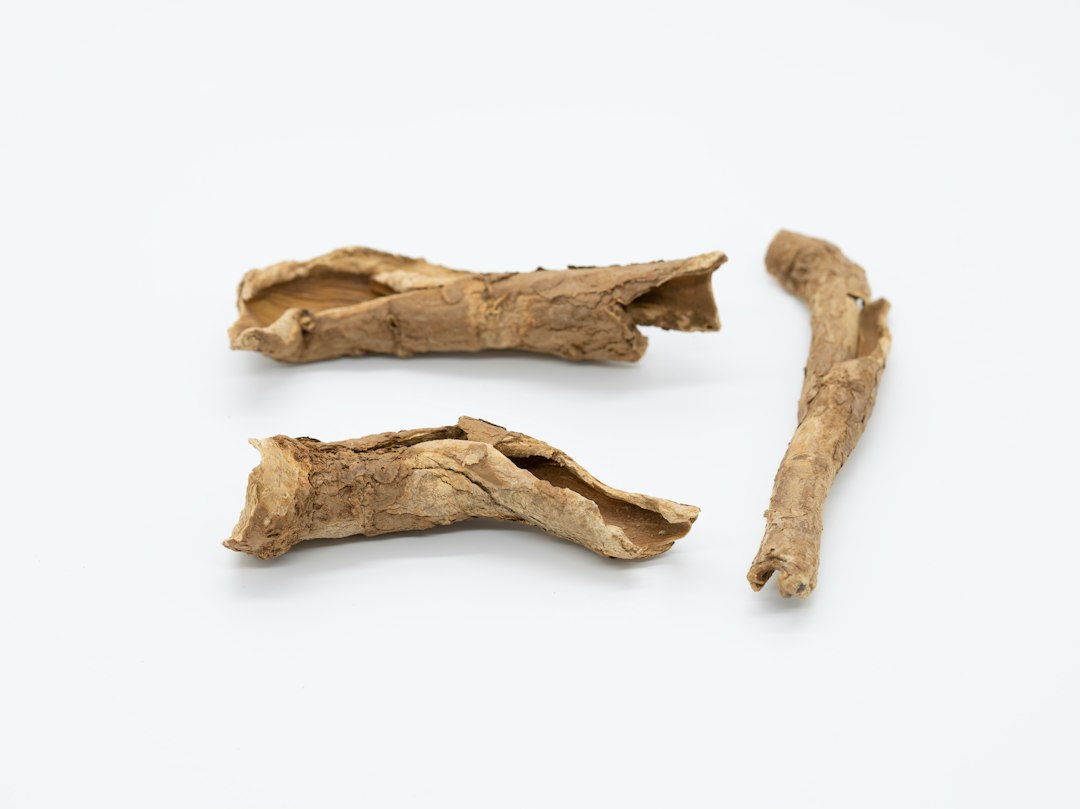
Ashwagandha (Withania somnifera) is a shrub used for centuries in Ayurvedic medicine. Its root contains compounds called withanolides, which manufacturers use to standardize extracts. Unlike rhodiola, it leans calming rather than energizing.
How Ashwagandha Works
Ashwagandha seems to dampen the body’s stress-hormone response. Lab studies also suggest activity at GABA receptors, the same calming system targeted by some sleep medications. That combination fits the sleepier, steadier feeling many users describe.
What the Evidence Shows for Ashwagandha
Ashwagandha has a larger body of randomized, placebo-controlled human trials than rhodiola. Those trials mostly measure perceived stress, anxiety, morning cortisol and sleep quality. Overall, research indicates modest benefits on those outcomes over weeks to a few months. Examine’s ashwagandha summary tracks the trials in detail.
Still, “modest” is the honest word. Many trials are small, run in a single country, and use branded extracts funded by their makers. And none of them measured lifespan, epigenetic age or disease outcomes. Better stress scores don’t automatically mean slower aging.
Ashwagandha’s link to longevity is therefore indirect. Better sleep and lower chronic stress are reasonable goals for healthy aging. Our sleep optimization guide explains why sleep sits near the top of the priority list.
Practical Use and Downsides
- Timing: Evening dosing makes sense if your main goal is sleep.
- Dose: Use a standardized root extract at the label dose, and confirm with your doctor.
- Duration: Trials ran for weeks to a few months. Long-term safety beyond that isn’t established, so use defined blocks and reassess.
- Liver: Published case reports link ashwagandha to rare drug-induced liver injury. Stop and see a doctor if you notice dark urine, yellowing skin or unusual fatigue.
- Thyroid: Ashwagandha may raise thyroid hormone levels. That matters if you take thyroid medication or have hyperthyroidism.
- Avoid if: you’re pregnant, have autoimmune disease, or take sedatives, immunosuppressants, or blood sugar or blood pressure drugs, unless your doctor approves.
Head-to-Head Comparison
The table below sums up how the two adaptogens stack up. Notice that the “lifespan” row is weak for both.
| Factor | Rhodiola | Ashwagandha |
|---|---|---|
| Main effect | Energizing, anti-fatigue | Calming, pro-sleep |
| Human trial base | Smaller, mixed quality | Larger, still modest quality |
| Lifespan evidence | Flies and worms only | None in humans |
| Best time to take | Morning | Evening |
| Key safety concern | Insomnia, mood-drug interactions | Rare liver injury, thyroid effects |
| Product quality issue | Species adulteration | Variable withanolide content |
| Best fit | Daytime burnout and fatigue | Stress-driven poor sleep |
What About Adaptogen Blends and Aging Studies?
Supplement companies often combine adaptogens into “brain health” or “anti-aging” blends. A 2025 study in the Journal of Pharmacy and Pharmacology tested one such multicomponent plant product, called CONKA1. The researchers studied fruit flies exposed to repeated concussions, looking at physical function, oxidative stress and aging.
That study is useful as a reminder of where this field sits. It’s an animal study, in insects, testing a blend rather than a single herb. Because of this, it tells you nothing direct about what rhodiola or ashwagandha alone will do for your body.
Blends also make troubleshooting harder. If you react badly, you won’t know which ingredient caused it. For most readers, a single standardized herb beats a proprietary mix.
The Verdict on Rhodiola vs Ashwagandha for Longevity
Here’s our straight answer. Ashwagandha is the better pick for most readers aged 30 to 60, if chronic stress is wrecking your sleep. It has the larger human trial base, and better sleep is a longevity lever with real weight behind it.
Choose rhodiola instead if your problem is daytime fatigue or burnout, and your sleep is already fine. Take it early, and buy a third-party tested product.
Skip both if you don’t have a stress or sleep problem. Neither adaptogen slows aging on its own, and taking one “just for longevity” adds cost and risk for no proven return.
Also skip ashwagandha if you have thyroid disease, liver issues, autoimmune disease or a pregnancy. In that case, rhodiola or no adaptogen at all is the safer path.
Furthermore, keep the hierarchy in mind. Exercise, sleep, social connection and blood pressure control all have far stronger evidence than any herb. Our full 2026 supplement evidence review ranks adaptogens accordingly. Dr. Peter Attia’s book Outlive makes a similar case, with a candid chapter on emotional health as part of aging well.
A Simple Trial Protocol
- Pick one herb, not both, based on the verdict above.
- Track one outcome for two weeks first, such as sleep quality or afternoon energy.
- Start at the label dose of a standardized, third-party tested extract.
- Run a defined trial block, then stop and compare honestly.
- If you notice no clear benefit, drop it. That result is common and perfectly fine.
Affiliate Disclosure: The Longevity Dose may earn a small commission if you purchase through the links below, at no additional cost to you. We only recommend products we genuinely believe in. Learn more.
What We Recommend
- Outlive: The Science and Art of Longevity by Dr. Peter Attia. If you’re reaching for an adaptogen because stress is grinding you down, Attia’s chapters on sleep and emotional health give you the bigger framework. It helps you fix the root problem instead of just medicating it with herbs.
Frequently Asked Questions
Can I take rhodiola and ashwagandha together?
Some people combine them, using rhodiola in the morning and ashwagandha at night. However, no strong trials test the combination, and stacking doubles your interaction and side-effect risk. Start with one herb so you can tell what’s actually working.
Does ashwagandha slow aging?
No human study has shown that ashwagandha slows biological aging or extends lifespan. Its human evidence covers stress, cortisol and sleep quality over weeks to months. Any longevity benefit would be indirect, through better sleep and lower chronic stress.
Is rhodiola safe to take every day?
Rhodiola trials have been short, so long-term daily safety isn’t well established. Common side effects include jitteriness and insomnia, especially with late-day dosing. Check with your doctor if you take antidepressants or have bipolar disorder.
Who should avoid ashwagandha?
Avoid ashwagandha if you’re pregnant, have liver disease, thyroid disease or an autoimmune condition. Also talk to your doctor if you take sedatives, thyroid medication, immunosuppressants, or blood sugar or blood pressure drugs. Rare liver injury has been reported in published case reports.
Which adaptogen is better for sleep after 40?
Ashwagandha is the better fit for sleep because it has a calming effect and more human sleep trials. Rhodiola is stimulating and can make sleep worse if taken late. Before either, rule out sleep apnea and fix basics like caffeine timing and a consistent schedule.
Liked This? Keep Reading.
Get the next post in your inbox. Real science on longevity, supplements, and fitness — no hype.
Drop your email below. Weekly. No spam. Unsubscribe anytime. ↓