Lp(a) Test: What Your Number Means for Longevity
Photo by National Cancer Institute on Unsplash
By The Longevity Dose Editorial Team · Evidence-reviewed · Last updated October 2026
Spermidine has strong support in animal studies, but as of 2026 no human trial has shown that it slows aging or extends lifespan in people. That’s the honest answer, and you deserve it up front. If you’ve seen spermidine for longevity marketed as the next big thing, you’re probably wondering whether it’s worth your money. Dr. Frank Madeo’s group at the University of Graz has led much of this research, and the science is real. But the gap between “works in mice” and “works in you” is still wide. This guide walks through what 2026 research actually adds and where the evidence stops.
Key Takeaways
- Spermidine is a natural polyamine that triggers autophagy, and its levels in the human body decline with age.
- A 2026 pilot randomized trial in Aging Cell reported that spermidine reduced immune cell senescence and improved vaccine responses in healthy older adults.
- Most lifespan and heart benefits come from animal models, including a 2026 rat study on cardiac function after estrogen loss, and these results do not transfer automatically to people.
- A food-first approach using wheat germ, soybeans, legumes, mushrooms, and aged cheese is a low-risk way to raise intake while human trials catch up.
What Is Spermidine, and Why Do Longevity Researchers Care?
Spermidine is a polyamine, a small molecule found in every living cell. Your body makes some of it, your gut bacteria produce more, and the rest comes from food. It helps cells grow, repair DNA, and manage stress.
The main reason researchers care is autophagy. Autophagy is your cells’ recycling system, breaking down damaged proteins and worn-out parts. Spermidine is one of the few dietary compounds known to switch this process on. You can read more about that mechanism in our deep dive on spermidine and autophagy.
Importantly, spermidine levels fall as you get older. The authors of a 2026 trial in Aging Cell note this decline in humans directly. That raises an obvious question: if levels drop with age, could topping them up slow aging down?
Spermidine for Longevity: What the Research Shows in 2026
The 2026 research falls into three tiers. Human trials sit at the top. Mechanistic and review papers sit in the middle. Animal studies form the base. Here’s what each tier adds.
The human trial: immune aging and vaccines
The most important 2026 paper is a pilot randomized controlled trial in Aging Cell. Researchers gave spermidine to healthy older adults and tracked immune function. The paper’s title reports that spermidine mitigated immune cell senescence and boosted vaccine responses.
This matters because vaccines often work less well in older people. The authors link that weakness to impaired autophagy, immune aging, and chronic low-grade inflammation. Spermidine targets exactly those pathways in preclinical work. As a result, this trial tests a plausible mechanism in real humans.
However, “pilot” is the key word. Pilot trials are small and designed to check feasibility and early signals. They aren’t built to prove a benefit. In other words, this is an encouraging first step, not a final verdict. We cover the immune angle in more detail in our post on spermidine for immune aging.
The mechanism papers: beyond autophagy
A 2026 paper in Cell Stress proposes a second pathway. Polyamines like spermidine and spermine can convert into each other inside cells. The authors highlight evidence that spermine binds free iron and blocks ferroptosis, an iron-driven form of cell death.
That’s interesting because longevity effects were traditionally credited to autophagy alone. Now there may be two mechanisms working together. Still, this is mechanistic science. It explains how spermidine might work, not whether it works in people.
Meanwhile, a 2026 mini review in Frontiers in Aging examined spermidine alongside PQQ. The reviewers framed both as nutritional tools that target several hallmarks of aging at once. Reviews like this summarize the field. They don’t generate new evidence.
The animal studies: hearts and neurons
A 2026 rat study in Scientific Reports tested spermidine in estrogen-deprived rats with accelerated aging. The model mimics some effects of menopause on the heart. Spermidine preserved systolic function, the heart’s pumping strength, through metabolic and mitochondrial changes.
For women after menopause, that’s a promising signal. But rats aren’t people. No human trial has tested spermidine for heart function after menopause yet.
Similarly, a 2026 fruit fly study in Archives of Insect Biochemistry and Physiology looked at a neurodegeneration model. The researchers examined how different spermidine concentrations affected lifespan, neurons, and behavior. Their focus on concentration is useful. It reminds you that more isn’t automatically better.
Evidence Strength at a Glance
Not all studies carry equal weight. This table ranks the 2026 spermidine papers by how much they should change your behavior.
| Study (2026) | Type | What It Tells You | Strength |
|---|---|---|---|
| Aging Cell immune trial | Pilot RCT, humans | Early signal for immune aging and vaccine response | Moderate (small, early) |
| Cell Stress ferroptosis paper | Mechanistic | Possible second pathway via iron binding | Preliminary |
| Frontiers in Aging review | Mini review | Summarizes links to hallmarks of aging | Context only |
| Scientific Reports rat study | Animal | Heart protection after estrogen loss in rats | Preliminary |
| Drosophila neuro study | Animal (flies) | Concentration matters for effects | Preliminary |
The pattern is clear. One small human trial carries most of the practical weight. Everything else explains mechanisms or shows effects in animals.
Food vs. Supplements: Which Route Makes Sense?
Spermidine is unusual because you can get meaningful amounts from ordinary food. That changes the risk calculation. Eating more legumes carries almost no downside, while a supplement adds cost and uncertainty.
Foods known to be rich in spermidine include:
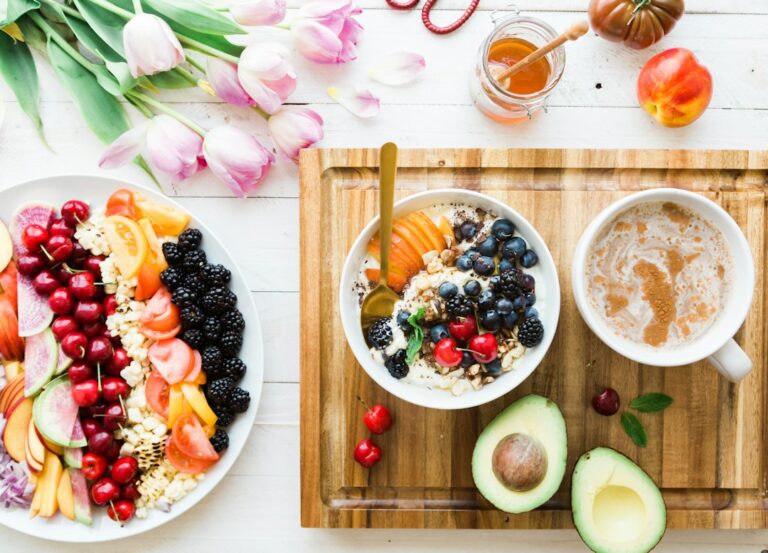
- Wheat germ (one of the richest sources, and the base of many supplements)
- Soybeans and fermented soy like natto and tempeh
- Legumes such as lentils, chickpeas, and green peas
- Mushrooms
- Aged cheese
- Whole grains
Conveniently, many of these overlap with Mediterranean and Blue Zones eating patterns. So you’d likely benefit from them even if spermidine turns out to be a minor player. For a full comparison, see our guide to spermidine food sources vs supplements.
| Factor | Food-First | Supplement |
|---|---|---|
| Cost | Low, part of regular groceries | Ongoing monthly expense |
| Extra benefits | Fiber, protein, polyphenols | Spermidine only |
| Dose control | Variable | More consistent, if labeling is accurate |
| Gluten concerns | Easy to avoid with soy, legumes, mushrooms | Many products use wheat germ extract |
| Human evidence | Observational links only | Small trials, mixed results |
Practical Protocol: A Spermidine Approach You Can Start This Week
Because human evidence is still early, this protocol leans on low-risk food choices first. Supplements come last, and only with your doctor’s input.
- Add one spermidine-rich food daily. Sprinkle wheat germ on yogurt or oatmeal, or add lentils to lunch. Consistency beats intensity.
- Rotate legumes and soy through the week. Aim for variety: chickpeas one day, tempeh another, green peas the next.
- Use mushrooms as a default vegetable. They work in eggs, stir-fries, soups, and grain bowls.
- Feed your gut bacteria. Your microbes produce polyamines too. A fiber-rich diet supports them, which our post on the gut microbiome and longevity explains.
- Consider a supplement only after a conversation with your doctor, and if you want to understand your options before that visit, our guide on testing biomarkers at home, including kits, costs, and accuracy is a useful starting point for knowing what to track. This is especially important if you have cancer history, celiac disease, or take multiple medications.
- Pair it with what’s proven. Strength training, aerobic fitness, and sleep have far stronger evidence than any polyamine.
That last step matters most. If you want a framework for prioritizing interventions, Dr. Peter Attia’s book Outlive ranks exercise far above any supplement. It’s a useful reality check when a new molecule starts trending.
Safety: Who Should Be Cautious
Spermidine from food is part of a normal diet. Supplements raise different questions, though, and a few groups should pause first.
- People with cancer or a cancer history. Polyamines support cell growth, and tumors often use them heavily. Talk to your oncologist before supplementing.
- People with celiac disease or gluten sensitivity. Many supplements are made from wheat germ. Check the label carefully.
- Anyone on complex medication regimens. Interaction data for spermidine supplements is thin, so involve your doctor.
Furthermore, the fly study’s focus on concentration is a reminder. A molecule that helps at one level can behave differently at another. Megadosing isn’t a longevity strategy.
What We Don’t Know Yet
Honest uncertainty is part of the picture. Here’s where the spermidine evidence runs out as of October 2026.
- Lifespan in humans. No trial has tested whether spermidine helps people live longer. Such a trial would take decades.
- Optimal dose. Human trials have been small, and no dose has been established for longevity outcomes.
- Brain benefits. Animal results look promising, but human cognitive results have been mixed. Our review of spermidine for brain health covers the details.
- Heart effects after menopause. The rat data is encouraging. Human data doesn’t exist yet.
- Which mechanism matters most. Autophagy, iron binding, or both? The 2026 ferroptosis work reopened that question.
Spermidine is a promising longevity molecule with a real mechanism and a thin human evidence base. That sentence sums up the field in 2026. It isn’t hype, and it isn’t proven.
Affiliate Disclosure: The Longevity Dose may earn a small commission if you purchase through the links below, at no additional cost to you. We only recommend products we genuinely believe in. Learn more.
What We Recommend
- Outlive: The Science and Art of Longevity by Dr. Peter Attia. If you’re tempted to build a supplement stack around spermidine, this book helps you rank it against exercise, sleep, and metabolic health, which carry far more evidence.
- Lifespan: Why We Age by David Sinclair. A readable introduction to the cellular aging theories behind compounds like spermidine, useful context for judging new molecules on your own. Read it with the same skepticism you’d apply to any single researcher’s view.
Frequently Asked Questions
Does spermidine actually extend lifespan in humans?
No human trial has shown that spermidine extends lifespan as of 2026. Lifespan benefits come from animal studies. The strongest human evidence is a small 2026 pilot trial on immune aging, which doesn’t measure lifespan.
What did the 2026 spermidine vaccine study find?
A 2026 pilot randomized trial in Aging Cell reported that spermidine reduced immune cell senescence and improved vaccine responses in healthy older adults. Because it was a pilot study, the results are an early signal. Larger trials are needed to confirm them.
Is it better to get spermidine from food or supplements?
Food is the lower-risk starting point for most people. Wheat germ, soybeans, legumes, mushrooms, and aged cheese all provide spermidine along with fiber and protein. Supplements offer more consistent amounts but add cost, and many contain gluten.
Who should avoid spermidine supplements?
People with cancer or a cancer history should talk to their oncologist first, because polyamines support cell growth. Anyone with celiac disease should check whether a product uses wheat germ. People on multiple medications should also consult their doctor.
How does spermidine work in the body?
Spermidine is best known for triggering autophagy, the process cells use to clear damaged components. A 2026 paper in Cell Stress also highlighted a second possible pathway. Spermine, which spermidine converts into, can bind iron and block an iron-driven type of cell death called ferroptosis.
Liked This? Keep Reading.
Get the next post in your inbox. Real science on longevity, supplements, and fitness — no hype.
Drop your email below. Weekly. No spam. Unsubscribe anytime. ↓