Spermidine and Autophagy: What the Evidence Actually Shows
Photo by David Gabrielyan on Unsplash
By The Longevity Dose Editorial Team · Evidence-reviewed · Last updated September 2026
Spermidine and autophagy are genuinely connected — that part is real biology, not supplement marketing. Spermidine, a natural polyamine found in wheat germ, aged cheese, and mushrooms, triggers autophagy, the cellular cleanup process your body uses to break down and recycle damaged proteins and organelles. The deeper question, though, is whether eating more spermidine or taking it as a supplement meaningfully increases autophagy in living humans, and whether that translates to better health outcomes. As of 2026, the honest answer is: the mechanism is solid, the animal data is strong, and the human evidence is promising but early.
Key Takeaways
- Spermidine activates autophagy through a well-established molecular pathway involving the inhibition of acetyltransferase EP300 — this mechanism is confirmed across multiple species, including in human cell studies.
- A 2026 review in Molecular Biology Reports identified spermidine as a candidate brain aging modulator via autophagy, mitochondrial support, and neuroinflammation signaling, but noted that human clinical trials remain limited.
- Food sources like wheat germ, natto, aged cheese, and mushrooms provide meaningful spermidine — you don’t necessarily need a supplement to increase your intake.
- No large randomized controlled trial has yet confirmed that spermidine supplementation extends human lifespan or reverses biological age. The hype currently exceeds the human proof.
What Autophagy Actually Is (and Why Spermidine Is Connected)
Autophagy literally means “self-eating.” Your cells run this process continuously, tagging broken proteins, worn-out mitochondria, and cellular debris for destruction and recycling. Think of it as your body’s internal composting system. When autophagy works well, cells stay cleaner and more functional. When it slows down — which happens reliably with age — damaged components accumulate, contributing to the cellular dysfunction that underlies many age-related diseases.
If you want to understand the full biology of this process, our post on what autophagy actually is covers it in detail. The short version for this post: autophagy is one of the most well-studied longevity pathways we have, and it’s legitimately worth paying attention to.
Spermidine enters this picture by inhibiting an enzyme called EP300, an acetyltransferase that normally suppresses autophagy-initiating proteins. Block EP300, and autophagy gets a green light. This is a real molecular mechanism confirmed in yeast, flies, worms, mice, and human cell lines. It’s not speculative. What remains genuinely uncertain is whether taking spermidine orally in supplement form increases autophagy in your tissues in a clinically meaningful way.
What the Research Shows on Spermidine and Autophagy
The Brain Aging Evidence
A 2026 review published in Molecular Biology Reports examined the current state of spermidine science specifically for brain aging. The review found that spermidine regulates autophagy, mitochondrial function, oxidative balance, and neuroinflammatory signaling — all pathways implicated in cognitive decline. This is a comprehensive look at the underlying biology, not a marketing claim.
Importantly, the authors also noted that while preclinical evidence is compelling, human clinical trial data remains limited. That’s an honest and important distinction. Strong mechanism plus strong animal data does not automatically equal proven human benefit. The review’s authors are clearly calling for more rigorous human trials, not declaring victory.
Skeletal Muscle and Aging
A separate 2026 review in Mechanisms of Ageing and Development focused on polyamines, including spermidine, and their role in skeletal muscle regeneration and aging. The review found that autophagic flux — the actual throughput of the cleanup process — is essential for maintaining muscle structure and metabolism. Disrupted autophagy contributes to muscle atrophy and age-related functional decline. The authors identified polyamines as increasingly important regulators of this system.
This matters because muscle loss is one of the most consequential aging processes you face after 40. Our guide on preventing sarcopenia after 40 covers the full picture, but the spermidine-autophagy angle is a legitimate piece of that puzzle — even if it’s not yet a proven intervention on its own.
Animal Evidence Worth Knowing (But Not Overstating)
A 2026 study in Ecotoxicology and Environmental Safety found that spermidine restored autophagic homeostasis in mouse oocytes exposed to toxic compounds. This is animal and lab work only. The finding is mechanistically interesting — it shows spermidine can rescue impaired autophagy under cellular stress — but it tells us nothing directly about human supplementation benefits. Always read animal results as hypothesis-generators, not conclusions.
Additionally, a 2026 study in Nature Communications (PMID 42331842) examined spermidine-induced autophagy in placental trophoblast cells, exploring its role in labor initiation. This is fascinating basic biology, but it’s a long way from a longevity protocol.
The Gut Inflammation Angle
A 2026 paper in International Immunopharmacology found that a botanical formula’s effects on ulcerative colitis were partly mediated through spermidine-AMPK-driven mitophagy, which suppressed inflammatory signaling. Again, this is animal-model work, not a human trial. But it reinforces that spermidine’s autophagy-activating effects connect to inflammation control — a mechanism consistent across multiple research lines.
The pattern across all of this 2026 research: spermidine activates autophagy through multiple well-defined pathways. The biology is not in dispute. The gap is in large, well-designed human trials that test clinical outcomes.
Spermidine in Food vs. Supplements: What You Actually Need to Know
Spermidine is not some exotic molecule you can only get from a capsule. Your body makes it naturally via the polyamine synthesis pathway, and you consume it every time you eat certain foods. The concentration varies significantly by food.
Foods with meaningful spermidine content include:
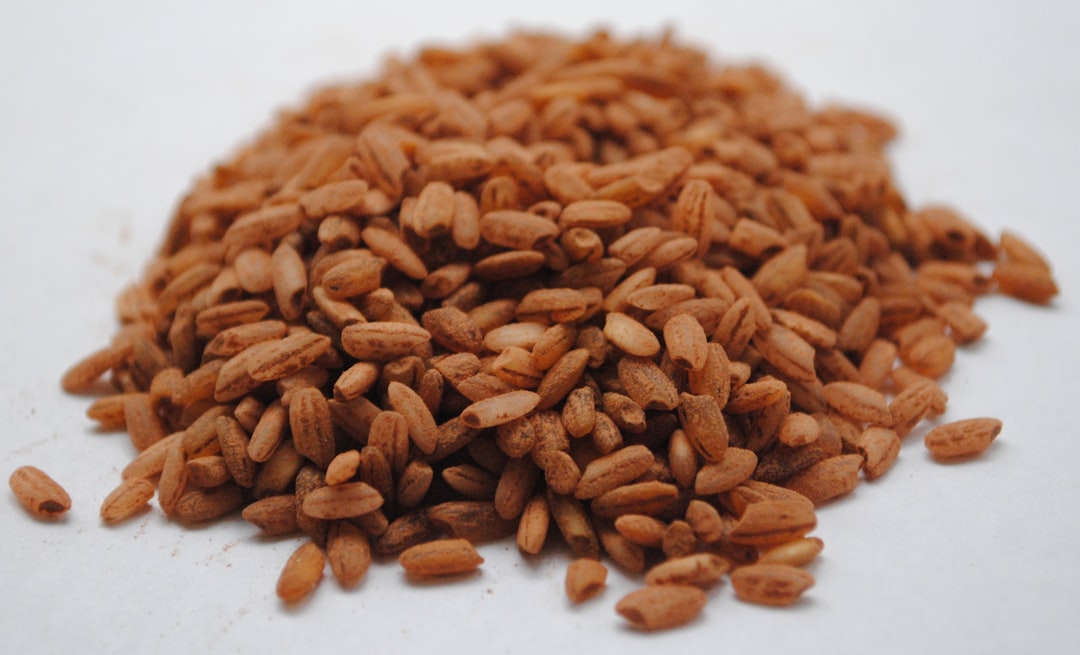
- Wheat germ: Among the highest known food sources
- Natto (fermented soybeans): Very high, also a source of other bioactives
- Aged hard cheeses: Particularly aged cheddar and parmesan
- Mushrooms: Shiitake and oyster varieties are consistently high
- Green peas and soybeans: Solid mid-range sources
- Chicken liver: Meaningful animal-source content
- Durian and mango: Among the highest fruit sources
For a more detailed breakdown of food sources versus supplement options, our dedicated post on spermidine food sources versus supplements covers the practical comparison. The short version: a diet naturally rich in the foods above provides spermidine that is clearly bioavailable. Whether a supplement adds meaningfully on top of an already good diet is genuinely unknown.
What About Supplements?
Spermidine supplements, usually derived from wheat germ extract, are widely available in 2026. They’re not dangerous at commonly sold doses for most healthy adults. But you should go in with honest expectations. Supplement companies often cite the same impressive animal data that scientists treat as preliminary. A supplement can be worth exploring without being a proven intervention.
If you’re considering a supplement, the Examine.com spermidine research summary is a useful, non-commercial reference that updates as new trials emerge.
What We Don’t Know Yet
Spermidine science moves fast, but certain gaps are still real in 2026:
- Optimal dose for humans: No large RCT has established what dose of supplemental spermidine produces measurable autophagy increases in human tissue. Animal doses don’t translate directly.
- Bioavailability from supplements: Whether oral spermidine reaches target tissues like the brain in relevant concentrations in humans is not established.
- Long-term safety: Short trials show no significant safety signals. Long-term safety data simply doesn’t exist yet because the research is young.
- Lifespan or healthspan outcomes in humans: No human trial has demonstrated that spermidine supplementation extends life, reduces disease incidence, or measurably slows biological aging. The animal data is genuinely exciting. The human proof is not there yet.
Spermidine is not resveratrol — the mechanism is more robust and the early human signals are more consistent, though if you’re weighing it against other longevity compounds, our Spermidine vs GlyNAC comparison is worth reading before you decide. But it’s also not a proven human longevity drug. Keeping that distinction clear is the whole point of evidence-based longevity thinking.
Practical Protocol: How to Increase Spermidine Through Food and Lifestyle
Based on what the evidence actually supports, here’s what a reasonable approach looks like:
- Prioritize dietary sources first. Add wheat germ to yogurt or oatmeal, eat natto if you can acquire a taste for it, and include mushrooms regularly. These changes are free, safe, and provide other nutritional benefits alongside spermidine.
- Consider intermittent fasting as a complementary strategy. Fasting independently activates autophagy through AMPK and mTOR pathways. Combining a spermidine-rich diet with a reasonable fasting window may have additive effects, though this hasn’t been directly tested. Our post on whether intermittent fasting actually helps you live longer covers the fasting evidence honestly.
- If you try a supplement, choose a wheat germ-derived product. These have the most research behind them. Keep expectations realistic and don’t expect dramatic short-term changes.
- Don’t take spermidine immediately after intense exercise if you’re also cold plunging. Both cold exposure and certain post-exercise protocols interact with autophagy signaling. Worth being aware of — for more on this, see our post on why cold plunge after strength training may be hurting you.
- Track your overall diet quality, not just one compound. The foods highest in spermidine, such as fermented foods, mushrooms, and legumes, are also foods associated with better long-term health outcomes independently of spermidine content.
The Bottom Line on Spermidine and Autophagy
Spermidine activates autophagy through a real, well-characterized mechanism. That’s not a marketing claim. It’s confirmed cellular biology supported by decades of research and reinforced by multiple 2026 publications. Where the evidence gets thinner is in translating that mechanism into proven human health outcomes. The brain aging review, the muscle aging review, and the various cellular studies all point in the same direction — but they’re pointing at a destination we haven’t yet confirmed humans arrive at through supplementation.
The spermidine-autophagy connection is one of the more credible mechanisms in longevity science right now. Increase your dietary intake through food. Be skeptical of any supplement brand claiming it will meaningfully extend your life. And watch for human trial results over the next few years, because that’s where this field is heading.
Affiliate Disclosure: The Longevity Dose may earn a small commission if you purchase through the links below, at no additional cost to you. We only recommend products we genuinely believe in. Learn more.
What We Recommend
- Thorne Basic Nutrients 2/Day. A clean, NSF-certified multivitamin that provides a solid nutritional foundation alongside a spermidine-focused dietary strategy. Useful for filling dietary gaps without adding unnecessary fillers or megadoses.
- Nordic Naturals Ultimate Omega. Omega-3s and spermidine share overlapping anti-inflammatory and autophagy-supportive pathways. This IFOS 5-star certified formula is the cleanest triglyceride-form fish oil we’ve found, and it pairs naturally with a spermidine-rich dietary approach.
Frequently Asked Questions
Does spermidine actually trigger autophagy in humans?
Yes, spermidine triggers autophagy through a well-characterized mechanism: it inhibits the EP300 acetyltransferase enzyme, releasing the brakes on autophagy initiation proteins. This has been confirmed in human cell studies. Whether oral supplementation produces meaningful autophagy increases in living human tissues, at doses currently sold, has not yet been established by large clinical trials.
What foods are highest in spermidine?
Wheat germ and natto (fermented soybeans) are among the most concentrated dietary sources of spermidine. Aged hard cheeses, mushrooms (particularly shiitake and oyster), green peas, soybeans, and chicken liver also provide meaningful amounts. A diet built around these foods can increase spermidine intake without requiring any supplement.
Is spermidine supplementation safe?
Short-term studies have not identified significant safety signals in healthy adults at doses currently sold. However, long-term safety data is limited simply because the research is relatively young. People who are pregnant, immunocompromised, or taking medications should consult a doctor before adding any new supplement, including spermidine.
How does spermidine compare to fasting for autophagy?
Both spermidine and fasting activate autophagy, but through partially overlapping and partially distinct pathways. Fasting primarily activates autophagy through AMPK activation and mTOR inhibition. Spermidine acts through EP300 inhibition. These mechanisms are not mutually exclusive, and combining a spermidine-rich diet with intermittent fasting is a biologically plausible strategy, though it hasn’t been directly tested in humans.
Will spermidine reverse aging or extend lifespan in humans?
No human trial has demonstrated that spermidine extends lifespan or reverses biological age in people. Animal studies, particularly in model organisms like yeast, flies, and mice, show lifespan extension with spermidine supplementation. Human evidence as of 2026 is promising but limited to shorter-term trials examining specific biomarkers. The mechanism is real; the proven human benefit is not yet confirmed at that scale.
When should I take spermidine for autophagy?
No human trial has established an optimal timing for spermidine to maximize autophagy. In practice, many researchers studying autophagy-activating compounds suggest taking them during a fasted state, since autophagy is naturally elevated during fasting. But this is a logical inference from mechanism, not a tested protocol. Taking it consistently, regardless of timing, is more important than any precise timing strategy.
Liked This? Keep Reading.
Get the next post in your inbox. Real science on longevity, supplements, and fitness — no hype.
Drop your email below. Weekly. No spam. Unsubscribe anytime. ↓