The Best Longevity Supplements in 2026: Full Evidence Review
The search for the best longevity supplements in 2026 has never been more crowded — or more confusing. Walk into any health food store and you’ll find hundreds of products claiming to slow aging, boost NAD+, and extend your healthspan. Most of them are overpriced, underdosed, and backed by animal studies at best. This guide cuts through the noise. We’ve reviewed the human clinical evidence for every major longevity supplement category, rated the strength of the evidence honestly, and built a practical protocol you can actually use. If you’re a health journalist looking for a citable reference on this topic, this is it.
Why Longevity Supplements Matter More in 2026
The longevity supplement market has matured significantly in the past three years. We now have more human trial data than ever before — and more reason to be skeptical of the hype. According to Statista, the global anti-aging supplements market was valued at over $44 billion in 2024, with projections exceeding $65 billion by 2030. That’s a lot of money chasing a topic where the human evidence remains frustratingly thin.
Furthermore, several high-profile studies that looked promising in mice have failed to replicate in humans. That doesn’t mean supplements are useless. It means you need to know which ones have genuine human data, which are promising-but-unproven, and which are mostly hype. This review organizes them accordingly.
For context on what these supplements are working against, our post on 13 longevity statistics that will change how you age gives you the baseline numbers every serious longevity-focused adult should know.
The Evidence Tiers: How We Rated Each Supplement
Before diving in, here’s how we classify evidence strength throughout this review:
- Tier 1 — Strong human evidence: Multiple randomized controlled trials (RCTs) in humans, with meaningful outcomes
- Tier 2 — Promising human evidence: At least one RCT or strong observational human data, but more studies needed
- Tier 3 — Animal/mechanistic evidence only: Interesting science, but no strong human trials yet
- Tier 4 — Insufficient evidence: Popular, but the science doesn’t support the claims
Every supplement in this guide is assigned a tier. No exceptions, no special pleading for popular products.
Longevity Supplements 2026: The Full Evidence Review
1. Omega-3 Fatty Acids (EPA/DHA) — Tier 1
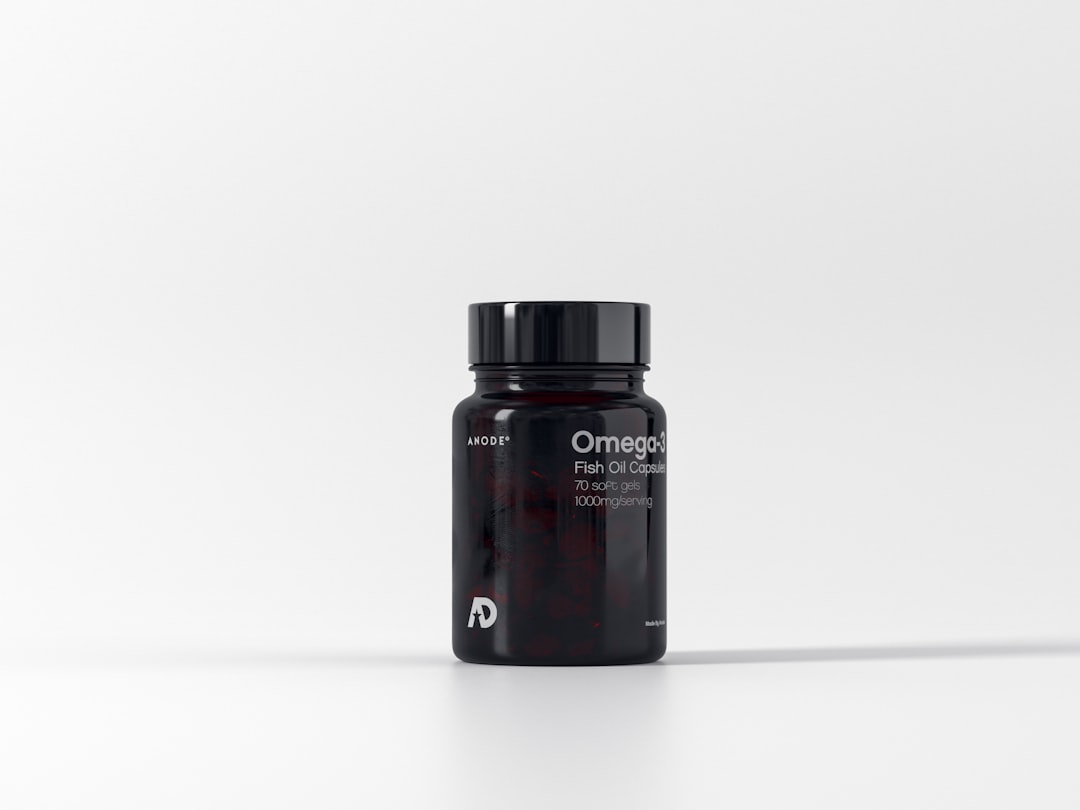
Omega-3s remain one of the most evidence-backed supplements for longevity-relevant outcomes. The landmark VITAL trial — a randomized, double-blind study of 25,871 adults conducted by Harvard’s Dr. JoAnn Manson and published in the New England Journal of Medicine — found that omega-3 supplementation (1g/day EPA+DHA) reduced cardiovascular mortality risk and showed significant benefits for cancer-related mortality in participants who did not consume fish regularly.
Additionally, a 2021 meta-analysis in the BMJ found that higher omega-3 intake was associated with reduced all-cause mortality. The mechanism is clear: omega-3s reduce systemic inflammation, a core driver of accelerated aging. Most importantly, they appear to work best when you’re deficient — which most Western adults are.
Practical protocol: The VITAL trial used 1g/day EPA+DHA; higher intakes are used in some clinical contexts, but the dose that suits you depends on your baseline intake, cardiovascular risk factors, and what your clinician recommends. Triglyceride form is better absorbed than ethyl ester. Take with your fattiest meal. Look for IFOS-certified products to ensure purity.
In terms of quality, Nordic Naturals Ultimate Omega is one of the few IFOS 5-star certified omega-3 products available in triglyceride form — which research suggests absorbs meaningfully better than standard ethyl ester fish oil. It’s the formulation we’d point most people toward.
2. NMN and NR (NAD+ Precursors) — Tier 2
Nicotinamide mononucleotide (NMN) and nicotinamide riboside (NR) are among the most discussed longevity supplements of the past decade. Both raise intracellular NAD+ levels, a coenzyme that declines significantly with age. NAD+ levels decline meaningfully with age — the precise rate varies by tissue and measurement method, and no single figure has been established across the published human literature.
However, the human evidence is still developing. A 2023 clinical trial published in Nature Aging found that NMN supplementation (300mg/day) significantly increased blood NAD+ levels in healthy middle-aged adults. Importantly, a separate trial found modest improvements in muscle insulin sensitivity. These are real signals — but they’re not yet proof of extended lifespan in humans. If you’re trying to decide between these two NAD+ precursors, our detailed comparison of NMN vs NR: Which NAD+ Booster Actually Works? breaks down the clinical evidence for each.
For a much deeper look at what the clinical trials actually show, read our full breakdown: Does NMN Actually Work? What the Science Says in 2026.
Practical protocol: Human trials have used doses in the range studied in published RCTs, but the dose that makes sense for you is one to discuss with a clinician who can review your individual context — the human evidence is still early. Morning dosing is a reasonable working hypothesis given NAD+’s role in circadian biology. Consider pairing with exercise, which also raises NAD+ naturally. Note: quality varies enormously between brands — look for third-party testing. For a comprehensive overview of how NAD+ and NMN fit into a broader anti-aging strategy, see The Complete Guide to NAD+ and NMN for Anti-Aging (2026).
3. Resveratrol — Tier 3 (Downgraded)
Resveratrol was once the darling of the longevity world. Dr. David Sinclair’s early research showed remarkable lifespan extension in yeast and mice. Unfortunately, human trials have been deeply disappointing. A major 2014 study published in JAMA Internal Medicine followed 783 older adults in Italy and found no correlation between dietary resveratrol intake and mortality, cardiovascular disease, or cancer outcomes.
In contrast to its animal study promise, resveratrol has poor oral bioavailability in humans — most of it is metabolized before reaching cells. Some researchers have experimented with pterostilbene (a related compound with better bioavailability), but human data remains minimal. As of 2026, the honest verdict is: resveratrol is not a reliable longevity supplement for humans at this time.
Bottom line: Save your money unless more compelling human trials emerge.
4. Vitamin D3 + K2 — Tier 2
Vitamin D insufficiency is widely recognized as a global public health concern affecting populations across every continent — the National Institute on Aging flags it as a common concern in older adults, and the scale of the problem is one reason testing before supplementing matters. Low vitamin D levels are consistently associated with higher all-cause mortality across multiple large observational studies. The VITAL trial also found signals for cancer mortality reduction with vitamin D3 supplementation (2,000 IU/day) — particularly in people with lower baseline levels, and what the latest science says about vitamin D and aging in 2026 adds important context to these findings.
K2 is paired with D3 because high-dose D3 raises calcium absorption, and K2 (specifically MK-7 form) directs that calcium to bones rather than arteries. The combination makes clinical sense, though head-to-head human longevity trials are still lacking.
Practical protocol: The right vitamin D3 dose depends on your baseline 25-OH-D level — get tested before supplementing, and let your result guide what you take with your clinician. K2 in MK-7 form is commonly paired with D3 to support calcium direction to bones rather than arteries. Take both with fat for absorption.
5. Magnesium — Tier 2
Magnesium is a cofactor in a large number of enzymatic reactions in the body, including processes central to DNA repair — a core hallmark of aging — and creatine for women over 50 is another often-overlooked supplement that supports muscle and metabolic health through similarly foundational mechanisms. The NIH Office of Dietary Supplements tracks magnesium intake in the US population and consistently finds that a large proportion of Americans fall short of the recommended daily amount — check the ODS magnesium fact sheet for the current figures. Research links low magnesium status with accelerated telomere shortening, increased inflammation, and worse metabolic function.
Furthermore, most multivitamins don’t contain meaningful amounts of magnesium because of the dose required (200–400mg). It needs to be supplemented separately. Magnesium glycinate or malate forms are better absorbed and less likely to cause digestive issues than magnesium oxide.
Practical protocol: Magnesium needs vary by bodyweight, diet, and kidney function — the right amount is something to confirm with your clinician, ideally after checking your intake from food first. Glycinate or malate forms are better tolerated than oxide. Evening dosing is reasonable given magnesium’s role in relaxation and sleep quality.
6. Metformin — Tier 2 (Prescription Only)
Metformin isn’t a supplement — it’s a prescription medication — but no honest 2026 longevity supplement review omits it. The ongoing TAME trial (Targeting Aging with Metformin), led by Dr. Nir Barzilai at Albert Einstein College of Medicine, is the first clinical trial explicitly designed to test a longevity intervention in non-diabetic humans. Results are expected soon.
Observational data has been striking: diabetic patients on metformin have in some studies outlived age-matched non-diabetic controls not taking metformin. However, metformin may blunt exercise adaptations — a critical concern for longevity. For a full evidence breakdown, read our post: Metformin for Longevity: What the Evidence Actually Says.
Bottom line: Talk to your doctor — not a supplement company. This is a nuanced decision, not a “just take this” recommendation.
7. Spermidine — Tier 2 (Emerging)
Spermidine is one of the more interesting emerging longevity supplements of 2024–2026, and if you’re wondering how it stacks up against other autophagy-promoting compounds, our sulforaphane vs spermidine longevity comparison breaks down the evidence side by side, joining compounds like taurine, which has its own growing body of longevity science, as well as senolytics such as urolithin A and fisetin, which are increasingly compared for their longevity potential, and newer combinations like GlyNAC, where dosage questions are central to understanding its real-world effectiveness, alongside senolytic agents like fisetin — for which our fisetin dosing protocol review covers what the evidence actually says. It induces autophagy — the cellular self-cleaning process that removes damaged proteins and organelles. A 2018 randomized trial published in Cell Reports Medicine found that spermidine supplementation improved memory in older adults with subjective cognitive decline. Animal studies consistently show lifespan extension. Human longevity-specific RCTs are still limited, but the mechanism is sound.
To understand why autophagy induction matters for aging, see our explainer: What Is Autophagy? The Science of Cellular Self-Cleaning.
Practical protocol: Human trials on spermidine are still early and have used varying doses; no standard supplemental dose has been established. Food sources — wheat germ, aged cheese, mushrooms — are the best-evidenced way to raise intake right now. For a deeper look at how they compare, see our guide on spermidine food sources vs. supplements for longevity — supplement quality is variable.
The 2026 Longevity Supplement Comparison Table
| Supplement | Evidence Tier | Daily Dose | Human RCT? | Key Caveat |
|---|---|---|---|---|
| Omega-3 (EPA/DHA) | Tier 1 | 2–4g | Yes (large) | Use triglyceride form |
| NMN / NR | Tier 2 | 300–500mg | Yes (small) | No lifespan data yet |
| Vitamin D3 + K2 | Tier 2 | 2,000–4,000 IU / 100–200mcg | Yes (D3) | Test levels first |
| Magnesium | Tier 2 | 300–400mg | Indirect | Use glycinate or malate |
| Spermidine | Tier 2 | 1–2mg | Limited | Emerging human data |
| Resveratrol | Tier 3 | N/A | Failed in humans | Not currently recommended |
What Supplements Can’t Replace
Before you build a supplement stack, understand this clearly: no supplement has ever been shown to extend human lifespan in a randomized controlled trial. Not one. In contrast, VO2 max is the single strongest predictor of longevity in the published literature, with research consistently showing that cardiorespiratory fitness is one of the strongest predictors of all-cause mortality — the gap between the least fit and most fit individuals in large prospective studies is substantial, a point Dr. Peter Attia covers in depth in Outlive.
Supplements are insurance for a lifestyle you’re already optimizing. They are not a shortcut around poor sleep, sedentary behavior, or chronic stress. Use this longevity supplement stack to fill genuine nutritional gaps and support well-established biological pathways — not to compensate for habits you haven’t addressed yet.
For a broader framework on what actually moves the needle on longevity, Dr. Attia’s book Outlive: The Science and Art of Longevity remains the most practically useful resource we’ve found — it contextualizes where supplements fit (and where they don’t) within a real longevity strategy. If you’re also exploring non-supplement interventions, it’s worth understanding whether red light therapy actually slows aging — another tool that’s generating serious research interest alongside traditional supplementation, and pairing your supplement stack with fasting protocols backed by longevity evidence is one of the most synergistic lifestyle strategies you can add. Some clinicians are also looking beyond supplements entirely toward pharmaceutical interventions — if that interests you, our overview of rapamycin for longevity covers what the evidence actually says in 2026. A growing number of researchers are also combining these approaches with senolytics to clear zombie cells — another emerging strategy worth understanding as part of a comprehensive longevity plan. To measure whether any of these interventions are actually working, pairing your supplement protocol with biological age testing gives you the most direct feedback on how your body is responding at the cellular level.
What We Recommend
- Nordic Naturals Ultimate Omega — IFOS 5-star certified and delivered in triglyceride form, this is the omega-3 supplement we’d recommend first to anyone building a longevity stack. Better absorption means better results at the same dose.
- Thorne Basic Nutrients 2/Day — NSF-certified and used in clinical settings, this is the cleanest multivitamin foundation we’ve found. A sensible starting point before layering in category-specific supplements like NMN or spermidine.
- Outlive: The Science and Art of Longevity — Dr. Peter Attia — The most practical longevity book available in 2026. If you want to understand why supplements are only one piece of the puzzle, and what the other pieces are, start here.
Liked This? Keep Reading.
Get the next post in your inbox. Real science on longevity, supplements, and fitness — no hype.
Drop your email below. Weekly. No spam. Unsubscribe anytime. ↓